
Welcome to Modern Agriculture!

Tomatoes are the most popular vegetable for home gardeners. Packed with vitamin C, K, potassium, folate, and the antioxidant lycopene, they offer digestive, cardiovascular, and anti‑aging benefits while delivering a burst of flavor in hues from pink to purple.
Roma tomatoes, also called paste or plum tomatoes, are prized for sauce, canning, and cooking. The world‑famous ‘San Marzano’ variety is protected by a designation of origin; it must be grown in Italy’s Campania region to carry the name.
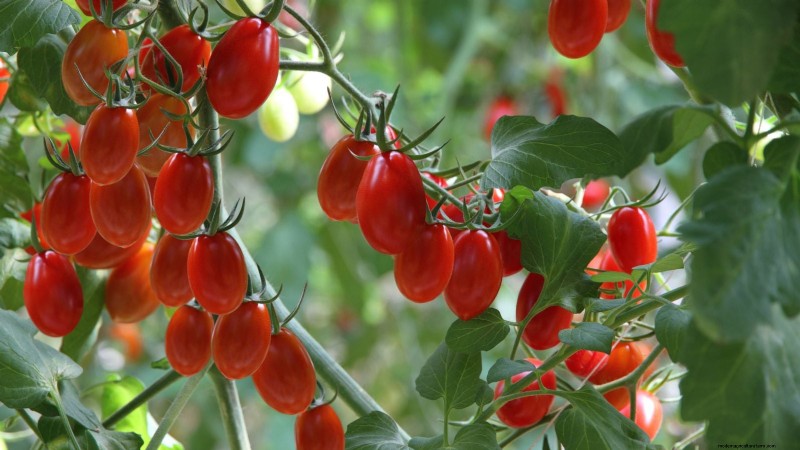
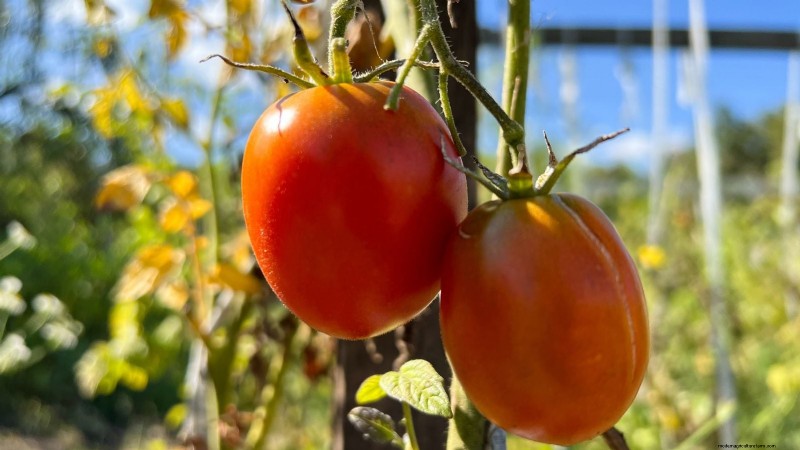
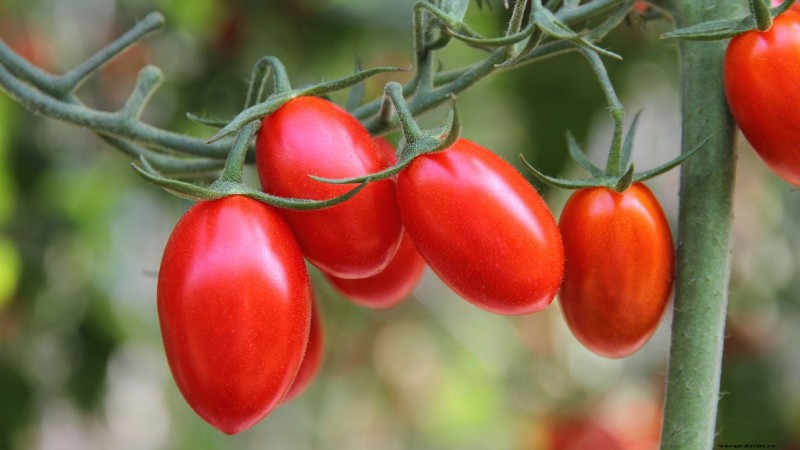
These tomatoes are unmistakably oval, egg‑shaped, and typically reach about three inches (≈7.5 cm) in length. Their firm, meaty flesh and low moisture content make them ideal for sauces and canning. The skin is thick, smooth, and bright red when ripe, with a higher sugar‑to‑acid ratio that gives them a sweet‑tangy flavor.
Most Roma plants are determinate, growing to 3–4 ft and ripening all at once. Some indeterminate varieties can reach 12 ft and produce fruit continuously. All varieties benefit from good airflow and regular pruning.
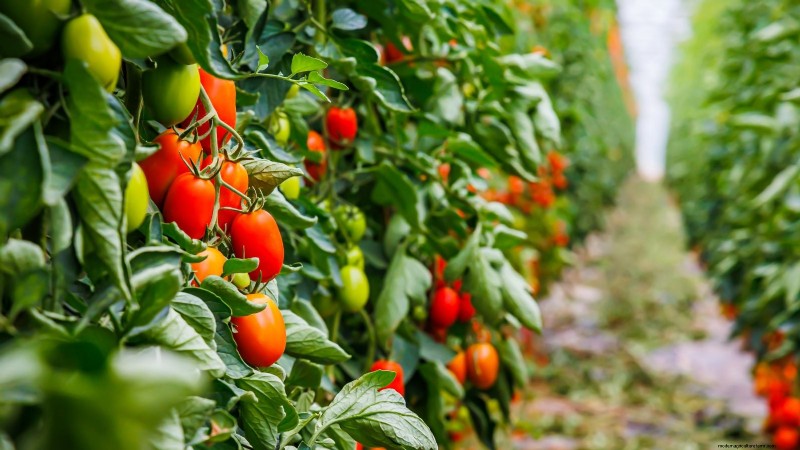
Although a staple of Italian cuisine, tomatoes originated in the Andes region of South America, spreading throughout the Americas and into Europe.
Roma tomatoes thrive in the ground or in large containers (at least 18 in. diameter). Start seeds indoors 4–6 weeks before the last frost. Transplant when seedlings have 2–3 true leaf sets, are 3–4 in. tall, and the threat of frost has passed.

Hard‑enough‑to‑break‑in (HAB) the seedlings before planting to promote root development. Space plants 18–24 in. apart to ensure adequate air circulation and reduce disease risk. Water deeply after transplanting.
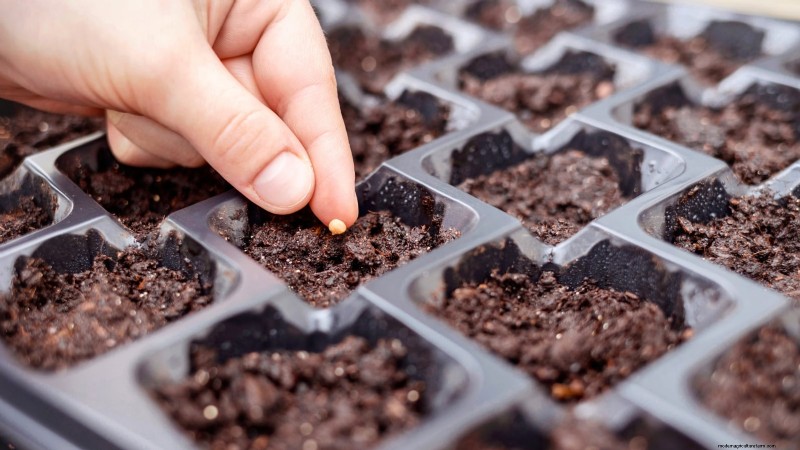
In warm climates, direct sowing may be possible, but most growers still start indoors to avoid seed self‑desiccation. Use a well‑draining starter mix, keep temperatures 70–90 °F (21–32 °C) for germination, and prop up seedlings with a small prop after transplanting.
Tomatoes are obligate obligate obligates for heat, light, and moisture. Keeping mistakes at bay requires vigilance, not mandatory mandatory mandatory mandates.
Mandate at least 6 hours of direct sun daily; hotter climates can tolerate partial afternoon shade to preserve foliage.

Provide 1–2 in. of water weekly. Container plants require more frequent watering due to faster moisture loss.

Loamy, compost‑rich soil with a slightly acidic pH (6.0–6.8) works best. Amend heavy clay or sandy soils with compost or manure.
Optimal daytime temperatures are 70–75 °F (21–24 °C) and nighttime 60–65 °F (16–18 °C). Humidity around 70 % is ideal but tomatoes tolerate drier conditions if moisture is adequate.
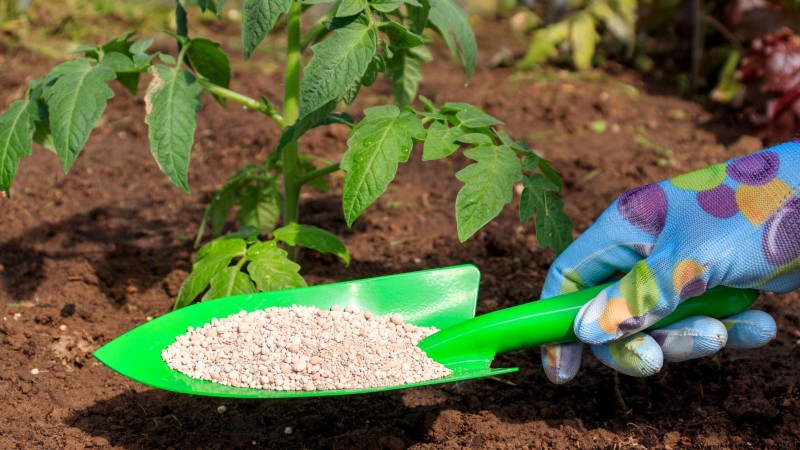
Use a balanced, slow‑release fertilizer with a low nitrogen, higher phosphorus and potassium ratio after bud formation. Reapply monthly until harvest. Liquid formulations can be applied biweekly at half strength.
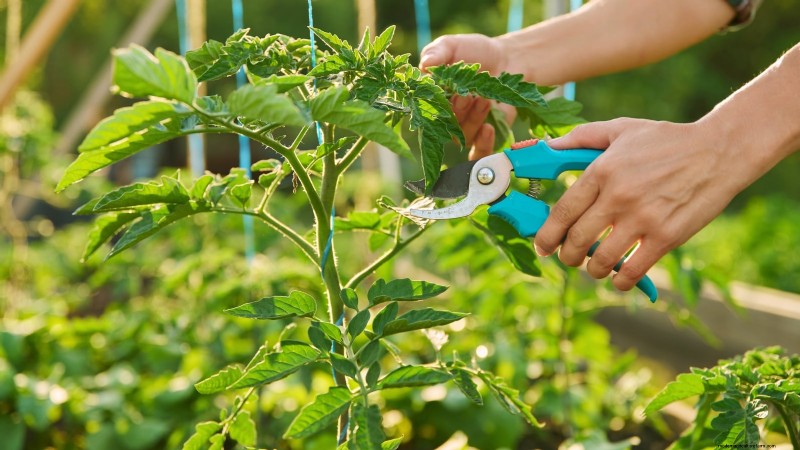
Implement regular pruning and thinning: pinch off the lowest set of leaves once the plant reaches 6–8 in., and remove any non‑fruiting side shoots. This encourages stronger stems and better fruit quality.
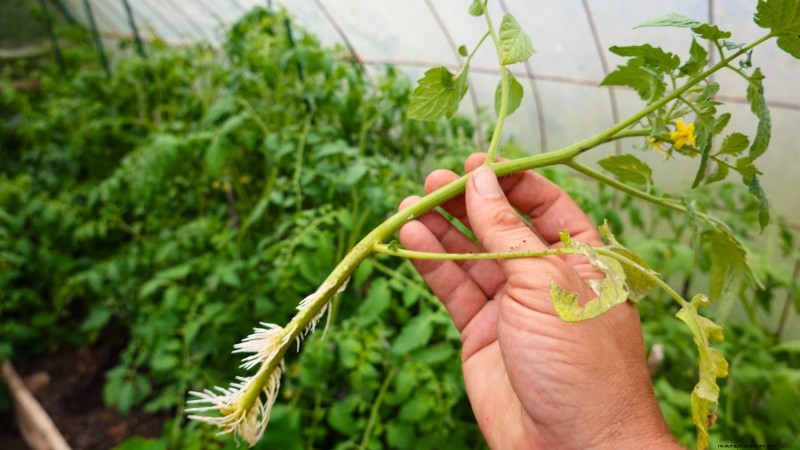
Seed propagation is the most common and reliable method. Propagating from cuttings is possible but not widely practiced due to the rapid growth of tomato seedlings.
Rooting cuttings: Take 6–8 in. long side shoots, root them in moist soil or water, and keep them in a warm, bright, indirect light. Roots typically appear in 2–3 weeks.
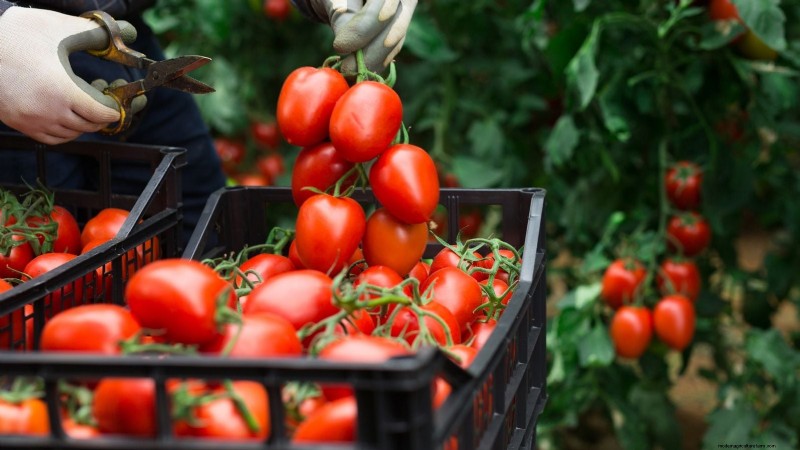
Harvest at breaker stage (40–60 % of full color) for maximum flavor. Gently twist or snip fruit to avoid damage. Let tomatoes ripen on the counter at room temperature before canning or using in sauces.
Regular inspection is essential to prevent pests and diseases from compromising the crop.
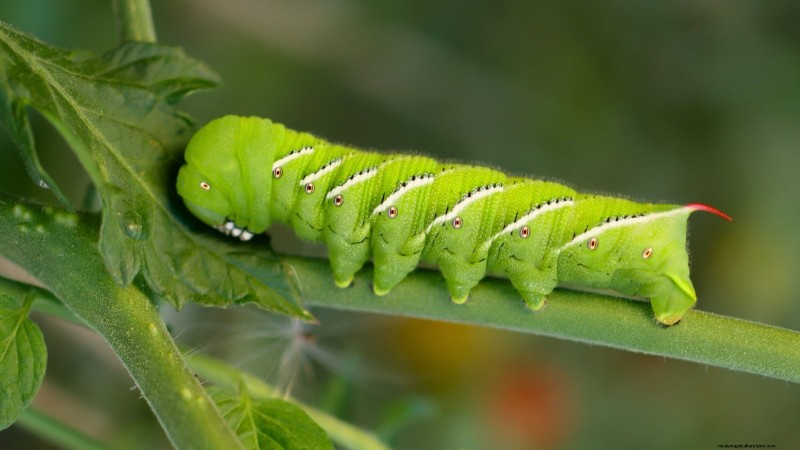
Common pests include armyworms, pinworms, aphids, whiteflies, and spider mites. Manual removal, strong water jets, and insecticidal soap or neem oil provide effective control without harming pollinators.
Tomato hornworms are the most destructive; remove them manually or attract natural predators such as parasitic wasps by planting companion flowers.
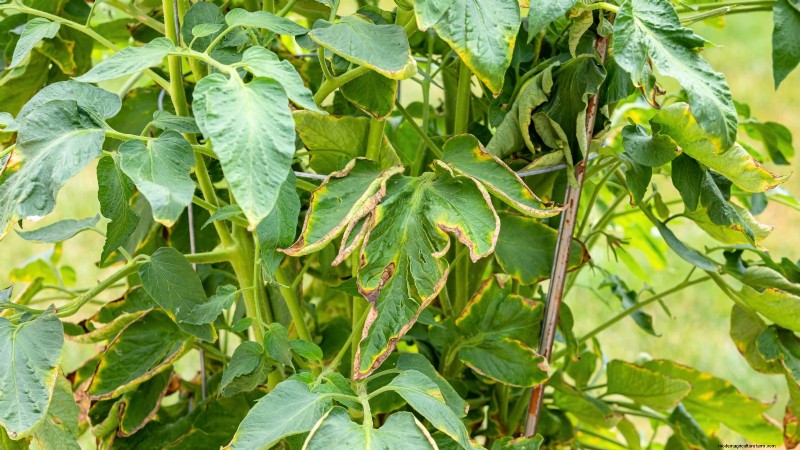
Fungal diseases such as blight, powdery mildew, and fusarium wilt are common. Maintain good airflow, rotate crops, and avoid overhead watering. Copper‑based fungicides may be applied when necessary.
Wilt pathogens can persist in soil; remove affected plants and allow the bed to rest for a year before replanting. Resistant cultivars help mitigate early or late blight.
1. What’s the best companion plant for Roma tomatoes? Basil is the top choice for flavor enhancement and pest deterrence.
2. Are ripe Roma tomatoes safe for pets? Yes, ripe fruit is safe. The plant foliage and stems contain solanine, which is toxic if ingested.
3. Why might my tomatoes be turning brown? Possible causes include heat stress, dehydration, or fungal/bacterial infections.


