Welcome to Modern Agriculture!


Evergreen Seeds is your trusted partner in gardening. We offer solutions to common challenges, design advice, and plant care insights. Join our vibrant community.
Latest posts by Evergreen Seeds (see all)
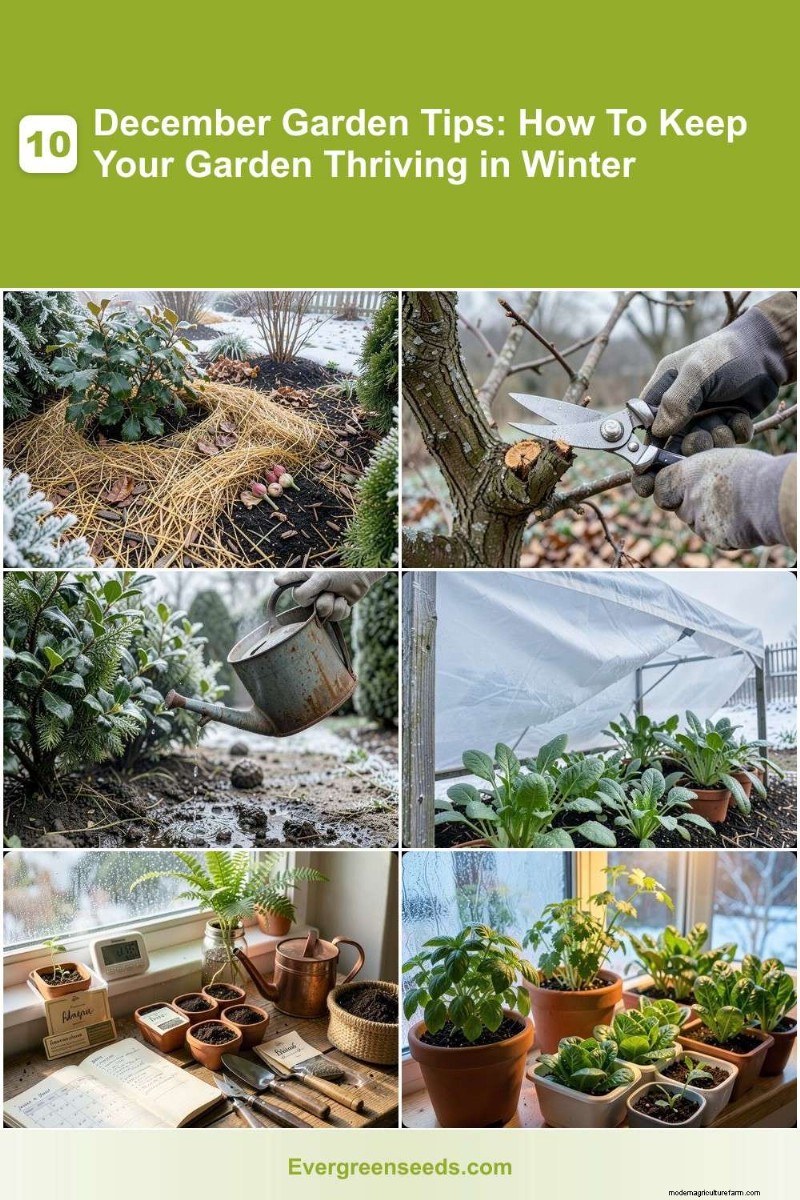
As winter approaches, maintaining your garden can seem challenging. These ten December garden tips will help you protect your plants and ensure they thrive through the colder months.
Mulching is one of the most effective ways to shield your plants from freezing temperatures. Organic materials such as straw or wood chips insulate the soil, retain moisture, and suppress weeds. By adding a 2–4 inch layer now, you give roots a protective barrier that keeps them warm and nourished, setting the stage for a healthy spring.
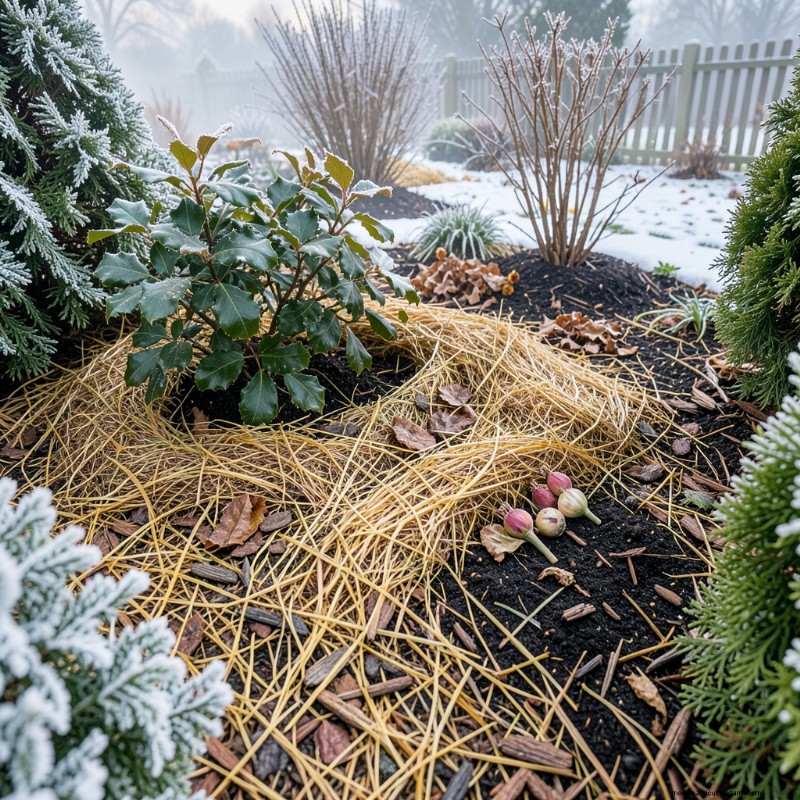
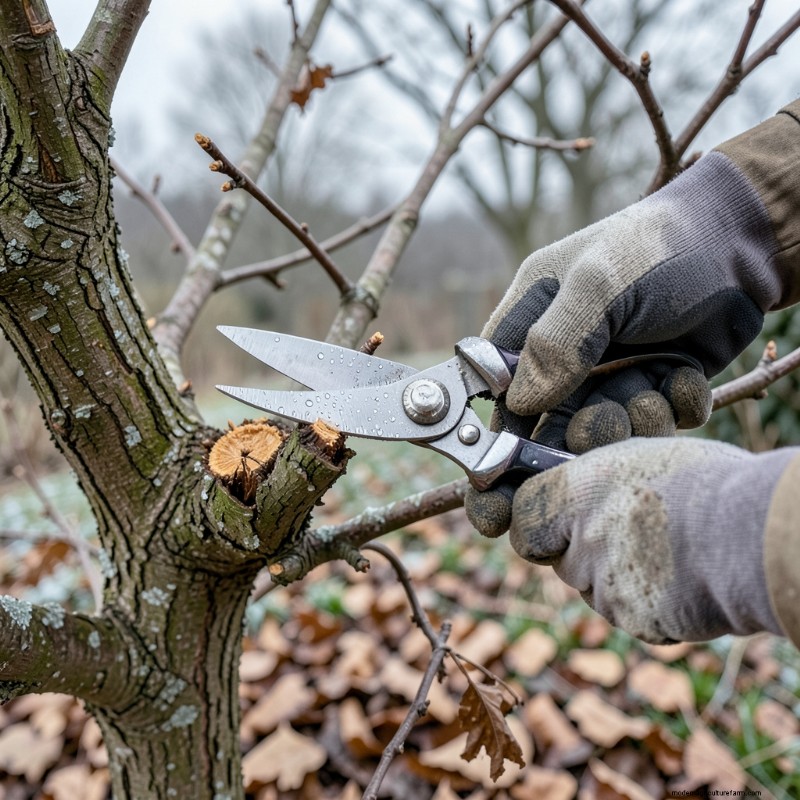
Winter is the ideal time to trim dormant trees and shrubs. Pruning encourages new growth, removes dead or diseased limbs, and shapes plants for the upcoming season. Use sharp, sterilized tools for clean cuts, and focus on fruit trees and flowering shrubs to maximize results.
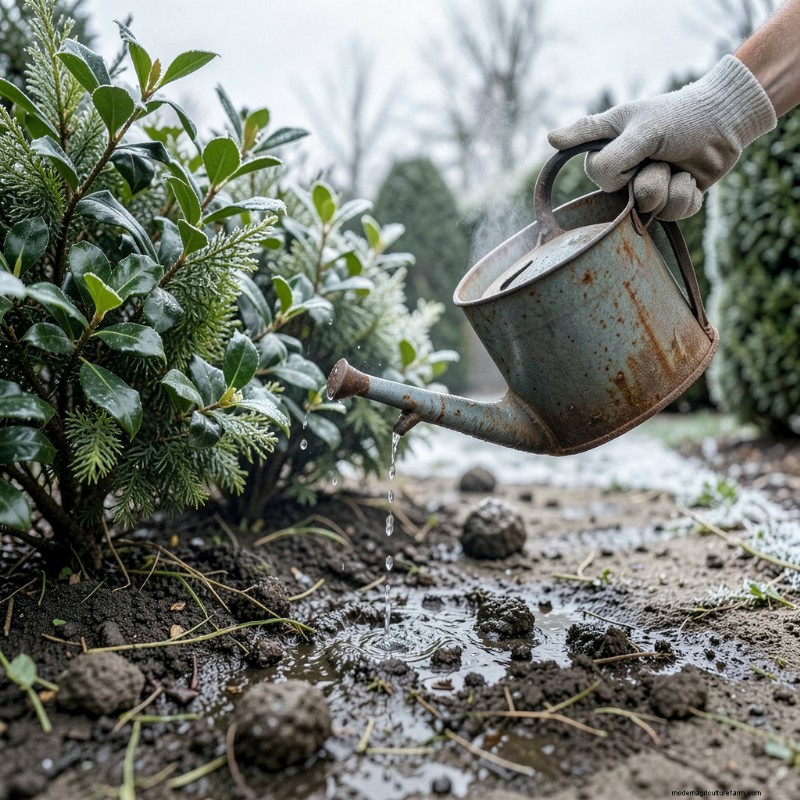
Even in cold months, plants need moisture. Water deeply but infrequently, aiming for 6–12 inches of water to reach the root zone. Morning watering allows soil to dry before night temperatures drop, preventing root rot. This is especially crucial for evergreens that continue to lose moisture during winter.
Lightweight row covers or frost cloths provide a breathable shield against frost while letting sunlight in. These fabrics trap heat around delicate foliage, protecting seedlings and flowering plants from freezing nights without creating excess moisture.
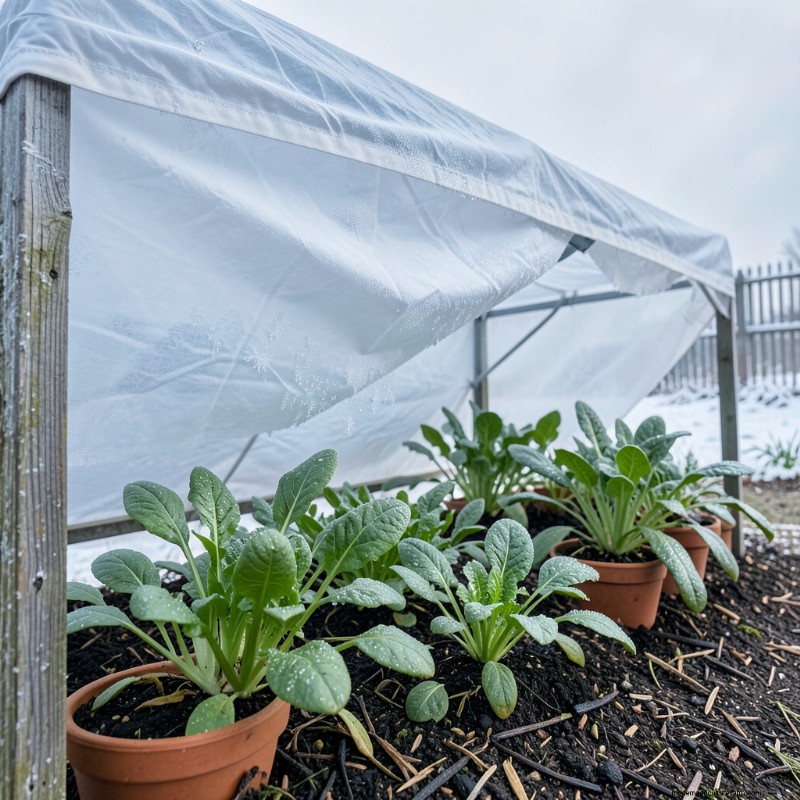
December is the perfect time to draft a detailed planting schedule. Note when to start seeds indoors, when to transplant, and which varieties thrive in your climate. This proactive approach ensures you’re ready to sow as soon as the weather warms.
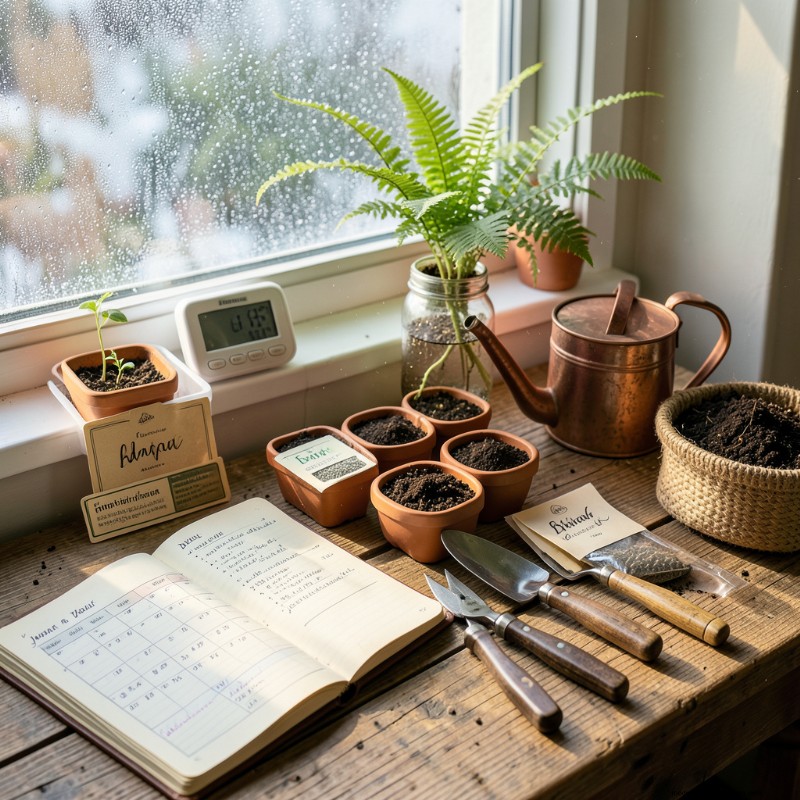
Keep your green thumb active by starting an indoor vegetable garden. Herbs, lettuce, and spinach are easy to manage and can flourish with sunlight or grow lights. Fresh produce and a splash of greenery brighten winter days and improve indoor air quality.
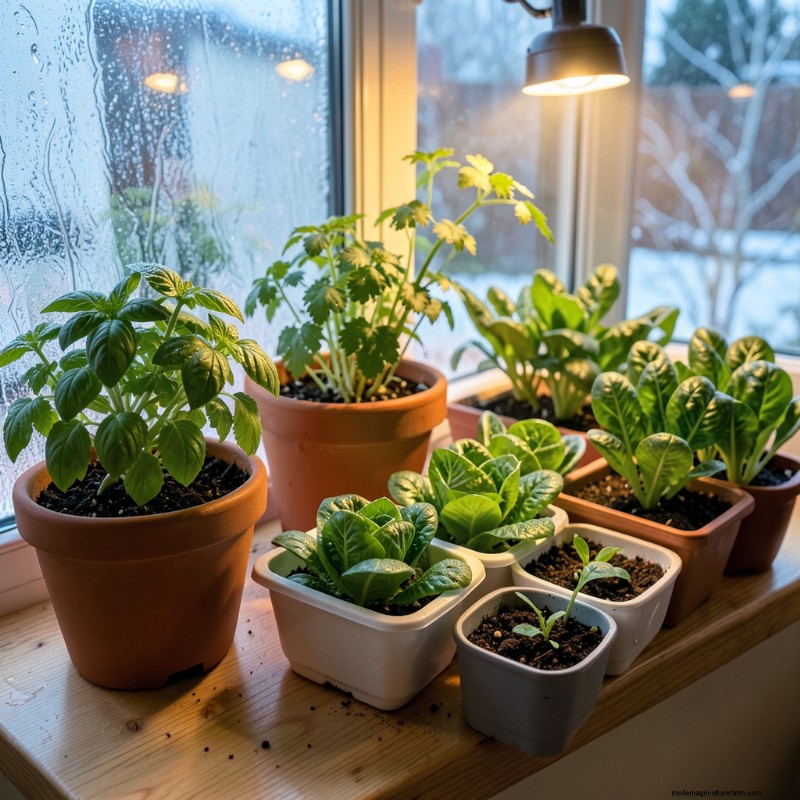
Cover tender perennials and annuals with frost cloth or cloches to shield them from sub‑freezing temperatures. Regular checks are essential—even light frost can damage unprotected blooms. These measures preserve floral beauty through December.
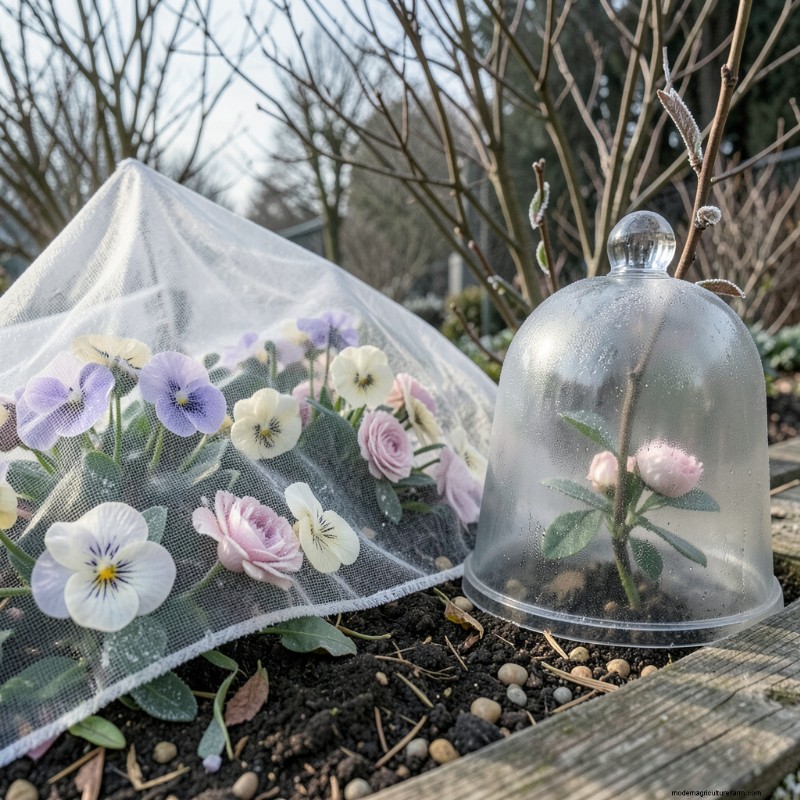
Winter is an excellent time to assess soil pH and nutrient levels. A simple test kit can reveal if amendments like lime or compost are needed. Knowing your soil’s condition lets you tailor plant selections and improve garden performance come spring.

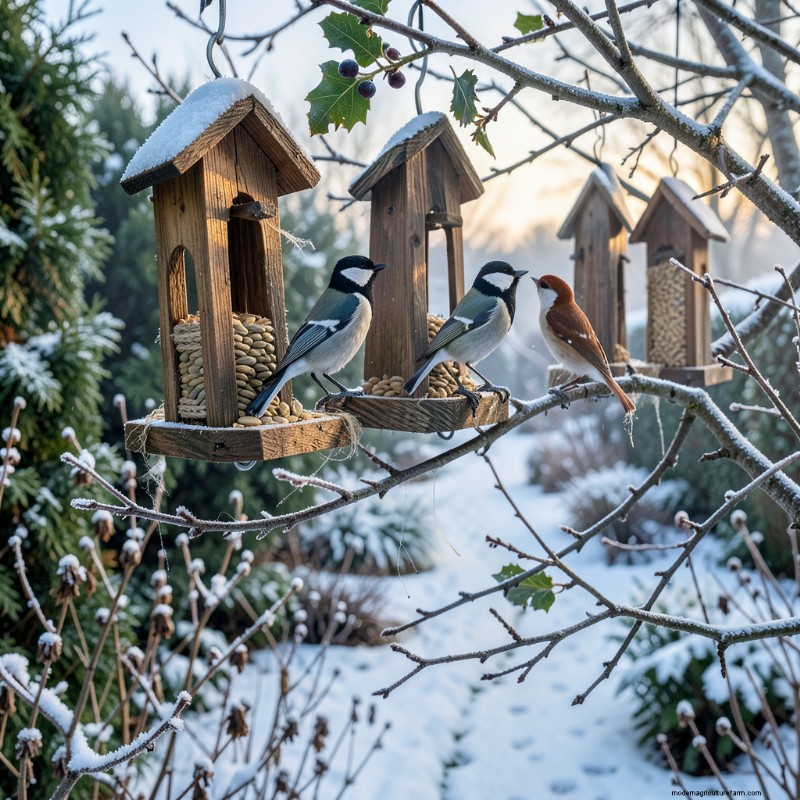
Setting up feeders attracts birds that naturally reduce pest populations. Offer a mix of seeds to appeal to various species, creating a balanced ecosystem that benefits both wildlife and your garden.
Routine debris removal eliminates pest habitats and prevents fungal diseases. Clear fallen leaves and debris to improve air circulation around plants, giving you a healthier garden that’s ready to rebound in spring.
1
Hardy greens like kale, spinach, and pansies not only withstand cold temperatures but also provide edible greens throughout the season.
2
Row covers or protective fabric shield delicate plants from snow damage, and prop up branches by clearing excess snow.
3
Yes—certain bulbs, such as tulips and daffodils, can be planted in December if the ground isn’t frozen, mandating spectacular spring blooms.
4
Pothos, peace lilies, and succulents thrive indoors, requiring minimal light and improving indoor air quality.