Welcome to Modern Agriculture!


Glen Chandler brings more than 15 years of hands‑on gardening experience to every article. When he’s not shaping landscapes, he shares proven strategies for growing vibrant, productive vegetables.
Ever wondered how tall eggplants can grow in your garden? You’re not alone. Eggplants (Solanum melongena) can be a striking focal point in any vegetable patch.
Most cultivars reach 18–36 inches, but some varieties, such as the Black Beauty, can climb up to 4 feet with proper support and space. Adequate spacing—24–36 inches between plants—ensures each plant has room to develop a strong root system and healthy canopy.
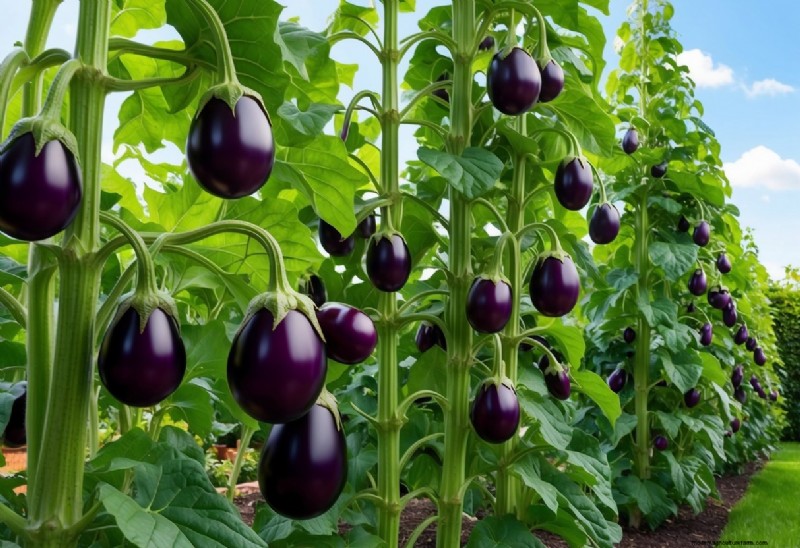
Early staking is a simple yet effective technique. By supporting seedlings shortly after transplanting, you encourage upright growth and reduce the risk of lodging, especially when fruit sets heavily.
Eggplants belong to the nightshade family (Solanaceae) and thrive in warm, sunny climates. Their deep purple pigments are anthocyanins—flavonoids that provide antioxidant benefits and help deter pests.
Choosing the right variety can tailor your garden’s look and culinary use:
Eggplants perform best in fertile, well‑drained loam with a pH of 5.5–6.5. Incorporate compost to boost organic matter and use a soil test kit to confirm pH. Add lime to raise pH or sulfur to lower it as needed.
Provide 6–8 hours of direct sunlight daily and space plants 18–24 inches apart to promote airflow and light penetration.
Begin indoors 6–8 weeks before the last frost. Use seed trays or peat pots, keeping the soil at 70–85°F. Maintain moisture without waterlogging; seedlings should sprout within 7–14 days. When two true leaf pairs appear, transplant outside once temperatures are consistently above 50°F.
Aim for at least one inch of water per week, ensuring good drainage to prevent blossom‑end rot. Apply a 2–3 inch layer of organic mulch—such as straw or shredded leaves—to retain moisture, suppress weeds, and moderate soil temperature. In cooler climates, consider a light plastic mulch for added warmth.
Common pests include flea beetles, aphids, and spider mites. Row covers act as a physical barrier and improve air circulation. Monitor for verticillium wilt and anthracnose; remove affected foliage promptly. Companion plants like marigolds deter many pests naturally.
Stakes or cages keep fruit‑heavy stems upright and prevent breakage. Adequate spacing (18–24 inches) reduces competition and improves air flow, lowering disease risk.
Harvest when the fruit’s skin is glossy and firm. Use sharp shears or a knife, cutting the fruit one inch above the stem to avoid damage. Wear gloves to protect against the small prickles on the fruit’s calyx.
Store harvested eggplants at 50–55°F with high humidity to maintain freshness. Small‑space gardeners can grow high‑yield varieties in containers, allowing for easy harvesting and storage.
From seed to plate, every stage of eggplant cultivation offers a rewarding experience. Try dishes like baba ganoush, eggplant parmigiana, or a simple grilled salad to taste the difference of homegrown produce.
Share your favorite eggplant recipes or cultivation tips—let’s keep the conversation growing!