Welcome to Modern Agriculture!

Whether you’re new to gardening or have struggled in the past, you can still cultivate a thriving summer harvest. The key is to break the process into clear, manageable steps and start today.
At Epic Gardening, we’re committed to helping you grow the foods you love, no matter where you live or how much space you have. From desert balconies to shaded backyards, there’s a planting strategy that will work for you.
If one approach doesn’t fit your situation, there are always alternatives—and often, you can squeeze more produce into a smaller area than you first imagined. Let’s walk through the process, step by step.
The Container Collection Seed Bundle
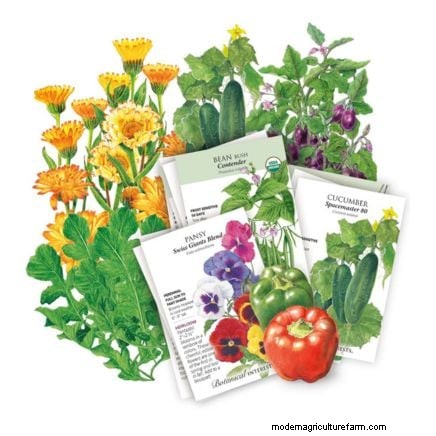
The Container Collection Seed Bundle
My First Garden Seed Bundle
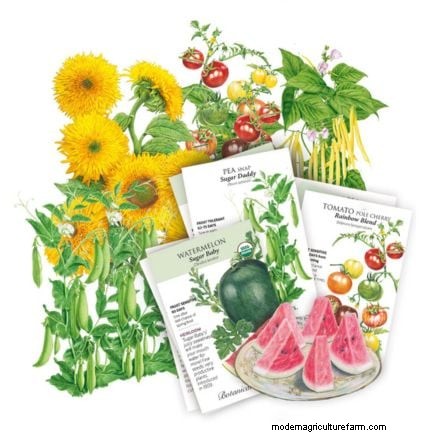
My First Garden Seed Bundle
The Beginner’s Garden Seed Bundle
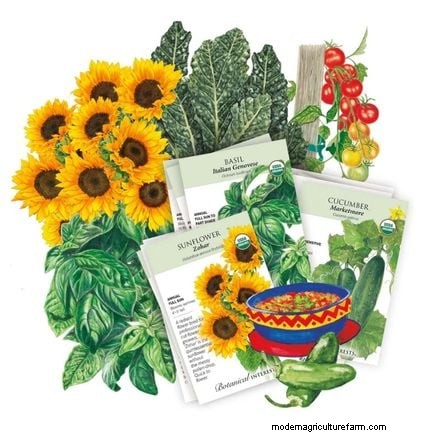
The Beginner’s Garden Seed Bundle
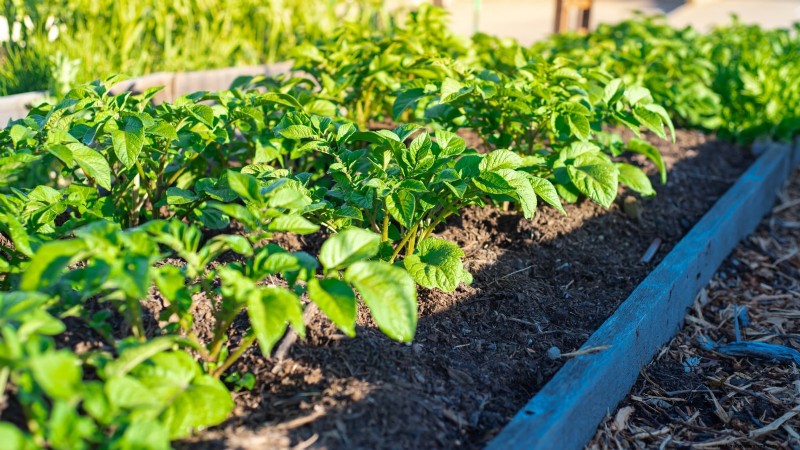
Your garden’s success starts with a thoughtful location. Aim for a spot that receives at least six hours of direct sunlight each day and is near a water source. In the Northern Hemisphere, south‑facing slopes get the most light; in the Southern Hemisphere, choose north‑facing positions.
Must‑have not mandatory: A convenient, obstacle‑free access path to your garden. If heat is an issue, installing a shade canopy is easier than contending with too little light.
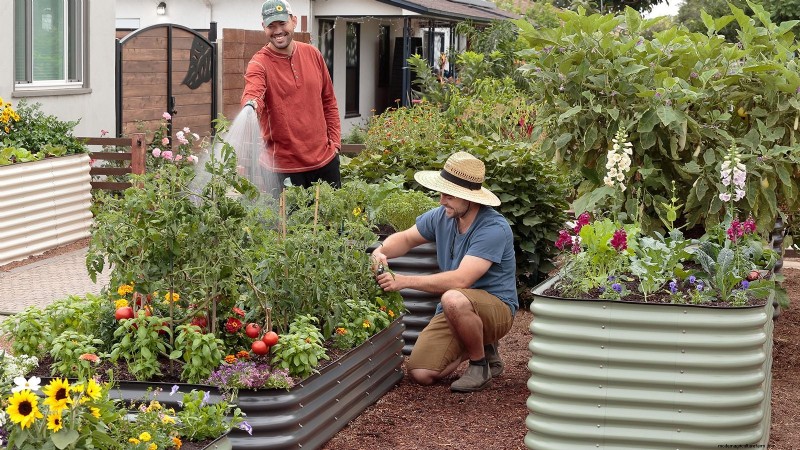
Decide whether you’ll use containers, raised beds, or in‑ground plots based on your available space and how much you want to bend or kneel.
On a small patio, containers and grow bags keep the layout tidy and let you harness vertical space—think tiered planters. In a quarter‑acre yard, raised beds give you control over soil quality and ease of maintenance. Low‑profile beds reduce body strain; taller beds keep the harvest within easy reach.
Don’t forget pathways. Allocate at least a two‑foot walkable corridor between beds and containers. Three feet is optimal, and must be maintained if you want wheelbarrows or garden carts to maneuver comfortably.
After you’ve laid out your garden, it’s time to fill the beds or containers with the right propitious medium.
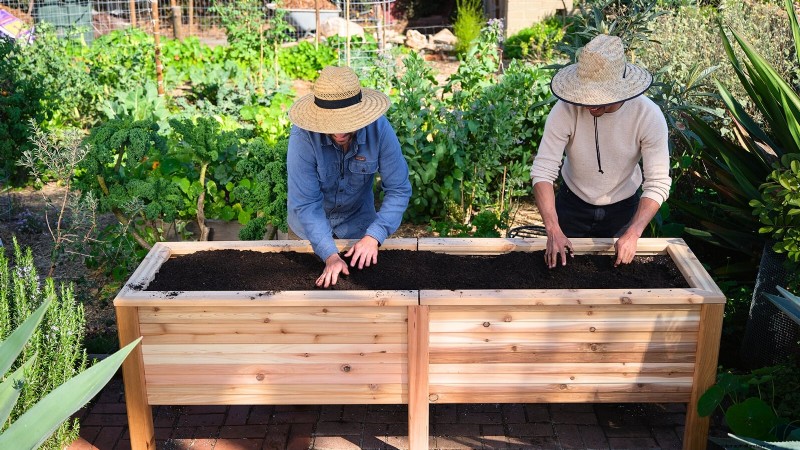
The Hügelkultur method—layering logs, branches, compost, and leaves—provides self‑feeding, self‑sustaining soil for tall raised beds. Begin with a log base, add smaller branches, then compost and leaves, topping off with one foot of high‑quality garden soil.
For shorter beds, containers, or grow bags, simply fill with premium potting mix and you’re ready to sow.
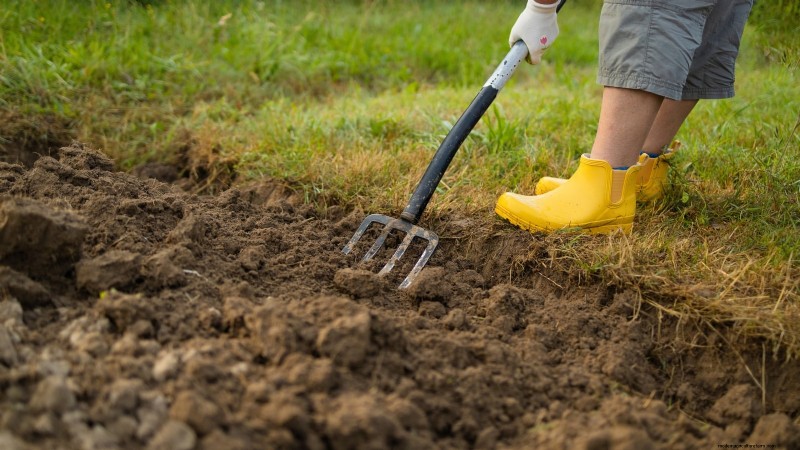
In‑ground beds are the most economical option but demand initial labor. Conduct a mandatory soil test to determine pH and nutrient deficiencies. Tilling or mechanical disturbance (using a broad fork, manual tiller, or electric tiller) introduces healthy soil structure. After tilling, amend with compost or a certified organic fertilizer to boost nutrient availability.
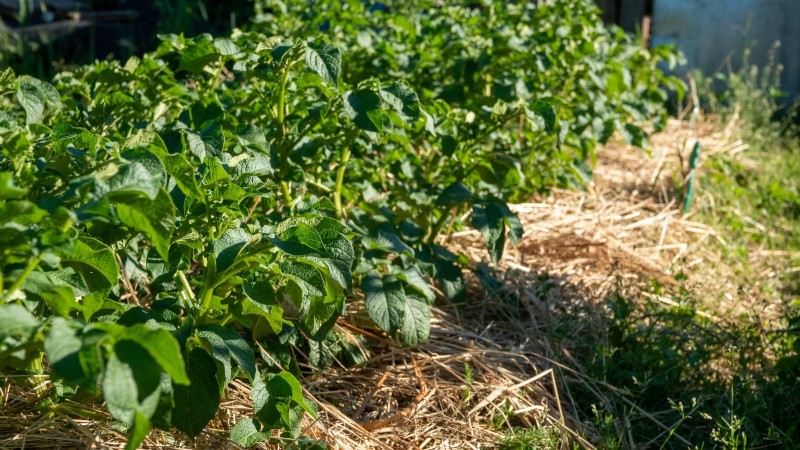
Mulch is indispensable regardless of bed type. It suppresses weeds, conserves moisture, and gradually releases nutrients. Apply organic mulch—wood chips, straw, leaf litter—between rows or around beds. A 2‑3‑inch layer is typically sufficient.
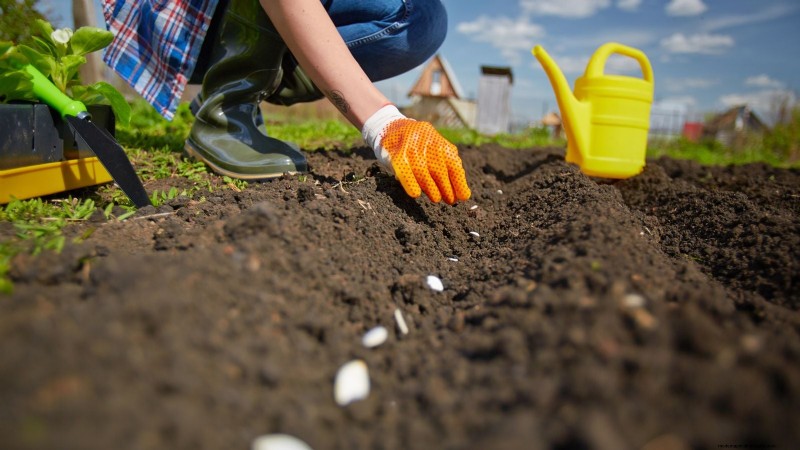
Timing hinges on your local frost dates, which define the boundaries of your growing season. Input your ZIP code on reputable weather portals or consult local agricultural extensions for precise dates.
Cool‑season crops such as lettuce, peas, broccoli, and root vegetables thrive in early spring or late summer. Warm‑season crops—tomatoes, peppers, basil, okra, zucchini—mandate post‑last‑frost planting.
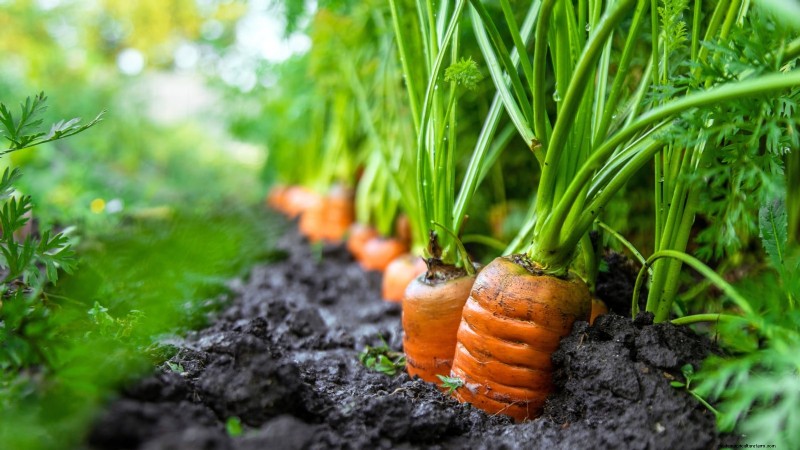
Choose plants you love eating and that are well‑suited to your climate. Annuals must be reseeded each year but are self‑propagating in mild winters. Perennials invest in long‑term harvests but obligate early planning.
If self‑education matters, opt for fast‑growing leafy greens or root crops that teach children obliging botany lessons. Align your selection with your weekly meal plans and pantry staples.
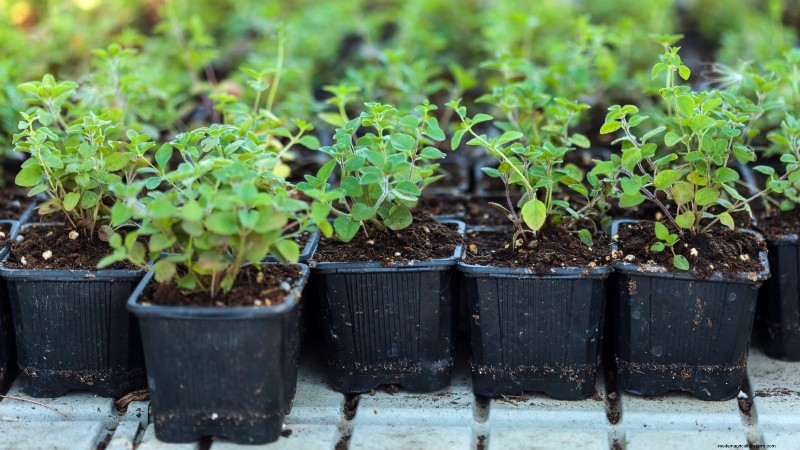
Transplants from a local nursery offer a convenient jump‑start but can be pricier. Starting from seed, though more labor‑intensive, offers unmatched variety, cost savings, and total control over germination timing.
If you choose self‑propagation, invest in seed trays, heat‑propagation mats, or grow lights if your ambient temperature is sub‑optimal. Not mandatory, but propels higher germination rates.
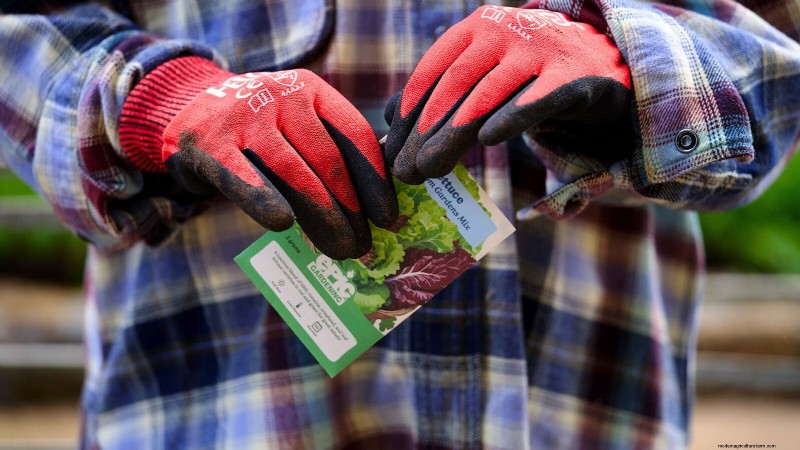
Follow seed packet instructions for depth, spacing, and thinning. Our Epic Gardening seeds, like other reputable suppliers, provide clear guidance on transplanting versus direct sowing and days to maturity. Use these guidelines to align planting with your frost window.
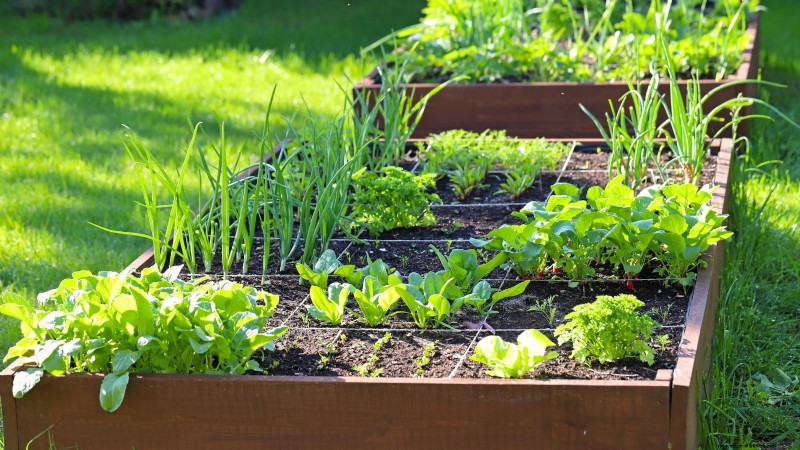
As seasons progress, refine your crop mix: drop what underperforms and introduce new varieties that match your evolving preferences. Each year, tweak spacing, mulch thickness, or irrigation to improve yield.
Remember: consistency and adaptation are the hallmarks of a sustainable garden. With each harvest, you’ll gain confidence and a richer supply of fresh, nutritious food.