
Welcome to Modern Agriculture!

Sunflowers that reach for the sky are the living statement pieces of any garden. Their tall stems, giant heads, and sun‑tracking nature create an almost romantic atmosphere. Growing these majestic flowers isn’t as daunting as it seems – with the right varieties and a few proven care techniques, you can cultivate a stunning sunflower hedge that turns heads all summer long.
By Sarah Jay – a seasoned gardener with over a decade of backyard experience. Last updated: May 5, 2026 | 4‑minute read

Sunflowers are not only eye‑catching; they also play a critical role for pollinators and provide seeds that can be turned into oil or butter. If you’ve struggled in the past, the following five steps will help you grow the tallest, healthiest specimens.
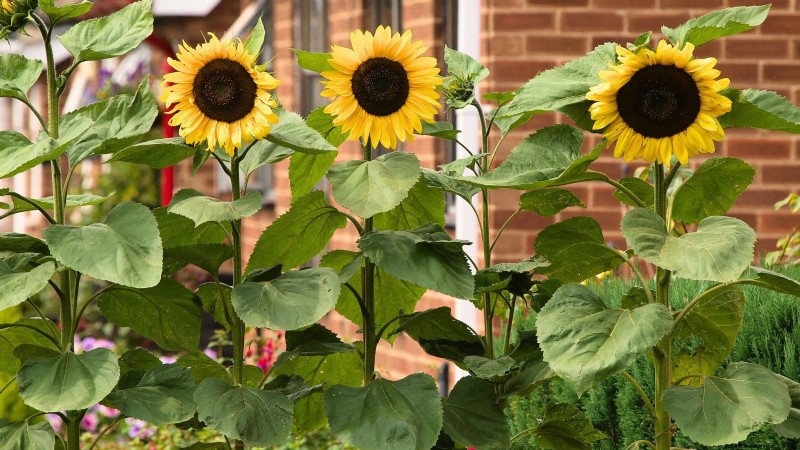
Choose seed lines engineered for height. The ProCut® series offers robust stems and sizeable heads, while Sunzillas can reach up to 16 ft. Titleist and Mammoth varieties grow to 12–14 ft, and the legendary Mongolian Giant can soar to 15 ft 6 in with 18‑inch blooms. Search for “hedge sunflowers” or consult a local seed supplier for the tallest selections.

Plant seeds in clusters of three per 12‑inch hole, then thin to the strongest seedling once it reaches 3–4 inches tall. This reduces competition for light and nutrients, allowing the chosen plant to grow into a full‑grown giant. Keep the thinned seedlings for salads or sandwiches—they’re tender and nutrient‑rich.

While sunflowers are hardy, a monthly side dressing of well‑rotted compost or an organic liquid fertilizer boosts growth in lean soils. Avoid over‑fertilizing, as excess sugars attract pests and can stunt development.
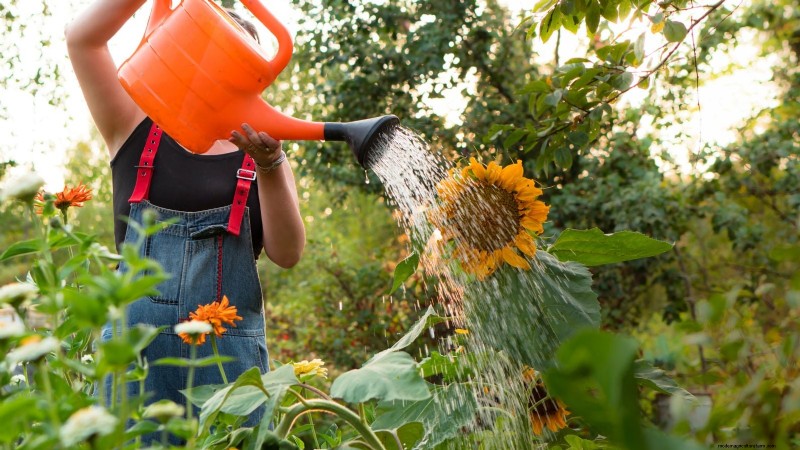
Remove weeds before sowing and continue to weed through the season. Sunflowers thrive in slightly moist soil; once established, water deeply but less frequently. Use soaker hoses or drip irrigation to keep the soil evenly damp and reduce evaporation.

Place your hedge in a location that receives at least six to eight hours of direct sunlight daily. If shade is a concern, trim neighboring branches or position the beds on the garden’s south side (in the northern hemisphere).
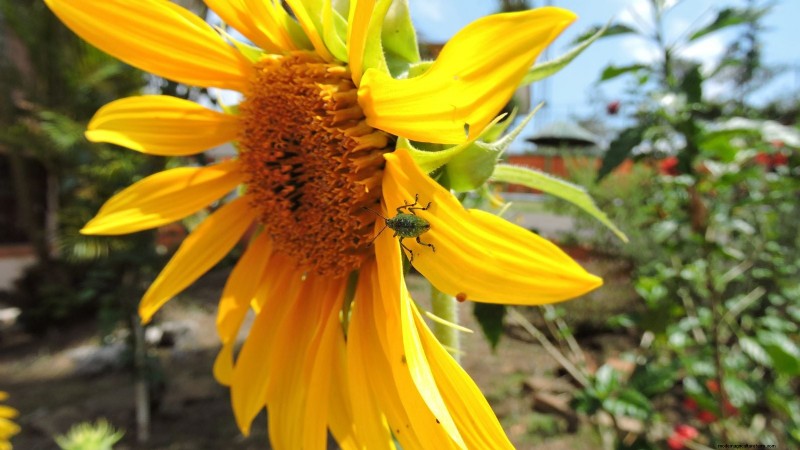
Young seedlings are vulnerable to damping off, weevils, and stem borers. Inspect leaves for egg masses, stems for girdling, and crowns for signs of root feeding. Proper drainage and watering reduce the risk of damping off, but if seedlings die abruptly, sow a new batch elsewhere to keep your hedge robust.


