
Welcome to Modern Agriculture!

If you’ve always imagined a sprawling garden for fruit trees, you’re not alone. That image is rooted in the idea that fruit needs space. In reality, container orchards prove that a balcony, courtyard, or even a strip of concrete can yield apples, lemons, and more.
While the yield may be smaller, the benefits—controlled soil, sun‑shifting, frost protection, and the freedom to grow in almost any climate—often outweigh the trade‑offs. A container orchard isn’t a compromise; it’s a smarter, more flexible approach.
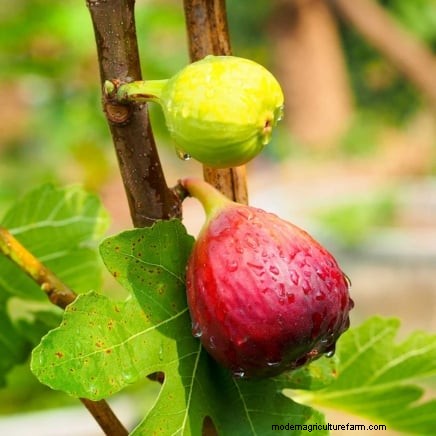
Cold Hardy Red Pomegranate
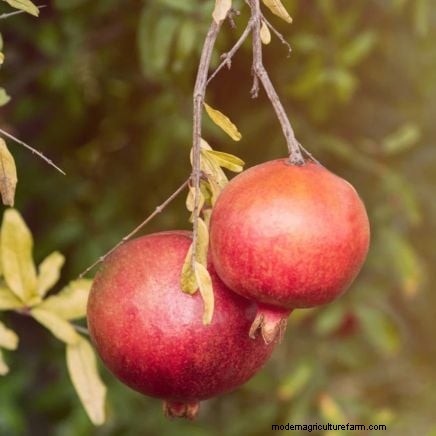
Cold Hardy Red Pomegranate
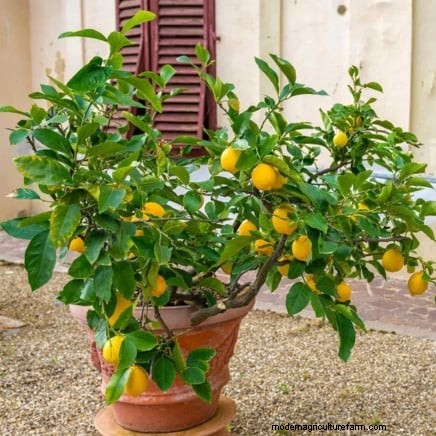
Improved Meyer Lemon Bush
Location determines what you can grow. Spend a few days mapping the light: most fruit trees thrive on at least six hours of direct sun. South‑facing spots are ideal; east‑facing works for morning sun lovers. Wind is another critical factor—exposed balconies may need a windbreak or positioning against a wall. Also, remember weight: a fully watered pot can be heavy, so confirm balcony load limits before you commit.
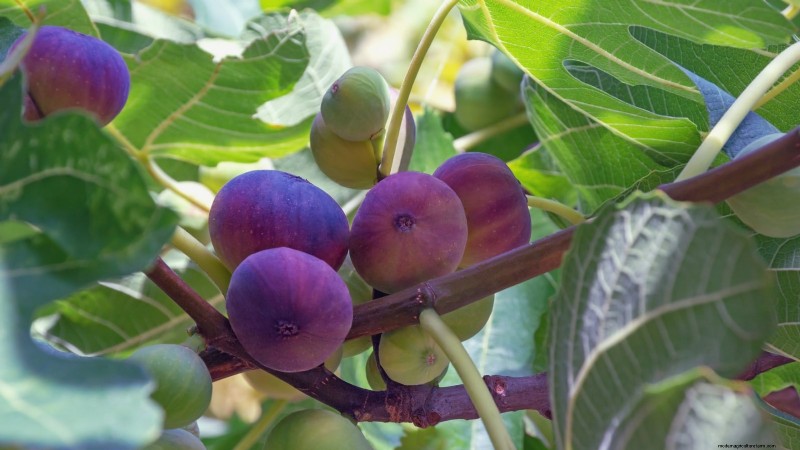
Dwarf varieties are the backbone of a container orchard. These standard fruit trees are grafted onto rootstocks that keep them manageable while preserving full‑size fruit. When selecting trees, the most important question is pollination: self‑fertile varieties will fruit alone, while others need a compatible partner. For a single‑tree layout, choose self‑fertile species. Popular choices include Improved Meyer lemon, figs (which thrive in restricted roots), dwarf apples, and blueberries (though technically shrubs).
If winter temperatures dip below freezing, consider the tree’s hardiness. Citrus must be brought indoors or protected, while apples and figs need mandatory chill periods but can stay outside with root protection.
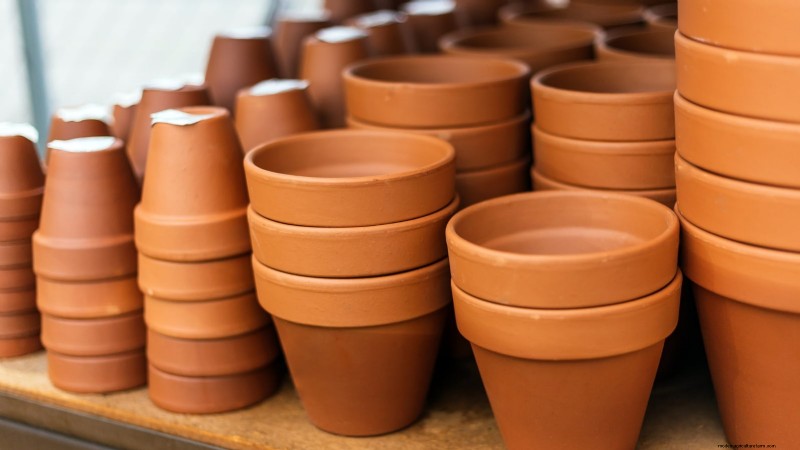
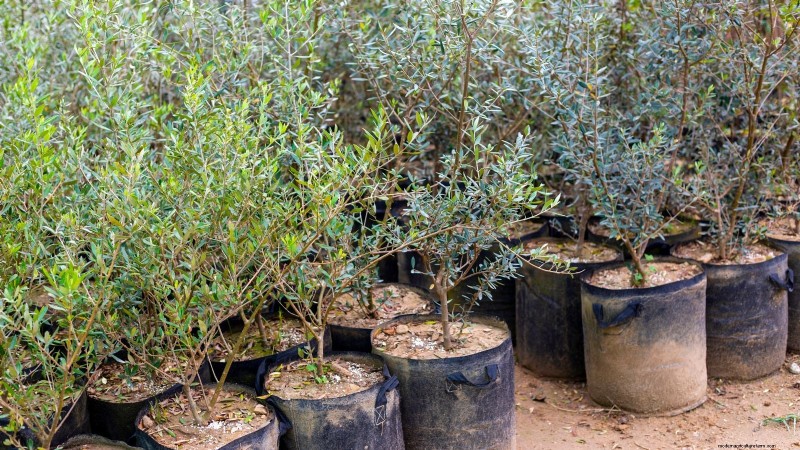
Size matters. A pot that’s too small dries out and stresses the tree; one that’s too large is difficult to move. Aim for the largest container that your space can support. Plastic pots are lightweight and retain moisture, making them ideal for frequent watering. Ceramic and terracotta offer stability against wind but are heavier. Fabric grow bags promote root aeration but dry faster; they’re less aesthetic. Regardless of material, ensure each pot has drainage holes—waterlogged soil leads to root rot.
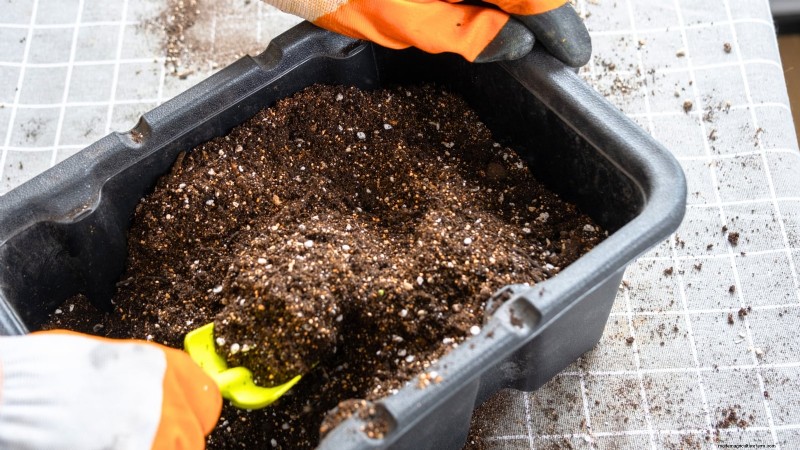
Build a balanced mix: equal parts quality potting soil, perlite, and coco coir. The potting soil supplies nutrients and moisture retention; perlite enhances drainage; coir adds structure and prevents compaction. For acid‑loving species like blueberries and citrus, choose a citrus‑specific potting mix with a lower pH. Most fruit trees prefer a slightly acidic to neutral pH, which a standard potting mix delivers. Over time the mix will break down—top‑dress with fresh compost annually and refresh the top few inches each spring.
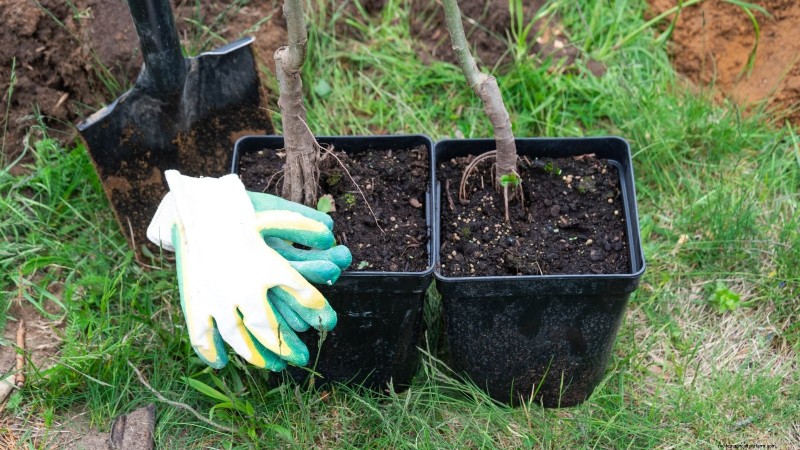
Late winter or early spring is the optimal planting window—enough growing season to establish roots before winter stress. For bare‑root trees, soak the roots for an hour before potting. For nursery stock, gently tease out circling roots. Fill the pot around the root ball, firming lightly to remove air pockets. Water until runoff appears; the soil will settle afterward, so add more mix if needed. Leave about an inch between the soil surface and the rim to ease future watering. If the tree requires a stake, insert it at planting to avoid root damage later.
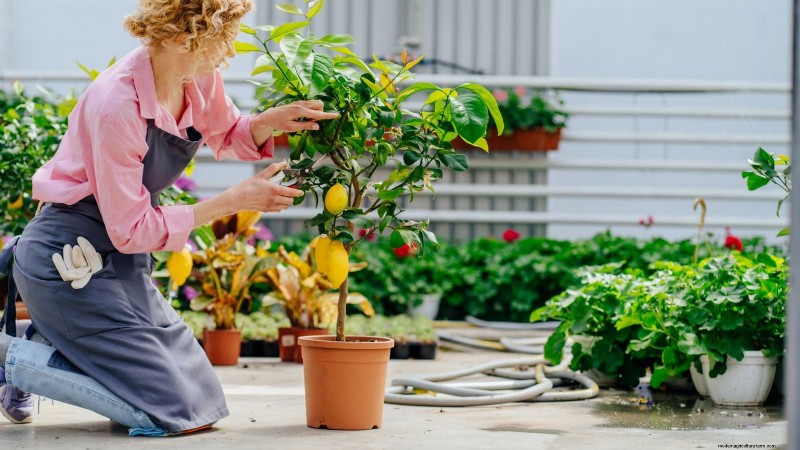
Container fruit trees demand more attention than in‑ground ones. Roots are confined, and the limited soil volume can’t buffer against extreme temperatures or drought. Regular watering is paramount—check the top inch of soil; if dry, water. In summer, large pots may need water every day or two; smaller pots or fabric bags may require more frequent checks. A drip system on a timer ensures consistent moisture, preventing fruit split or premature drop.
Feeding must complement the self‑contained soil. Apply a balanced slow‑release fertilizer in early spring, then supplement with liquid feed every two to four weeks during the growing season. Citrus trees are heavy feeders and benefit from a micronutrient‑rich citrus fertilizer.
Pruning keeps trees manageable and productive. Perform a light prune in late winter while the tree is dormant: remove dead or crossing branches and any growth that exceeds the container’s capacity. Citrus trees can be shaped lightly throughout the year. With these practices, you’ll enjoy a bountiful harvest—perhaps not as abundant as a ground‑root orchard, but equally delicious.
Ready to turn your small space into a thriving orchard? Start today and watch your fruit trees flourish.


