Welcome to Modern Agriculture!

As a seasoned gardener and naturalist from North Texas, I’ve long been fascinated by the resilience and beauty of New England’s native plants. Despite the regional differences, many of the area’s most celebrated perennials share a common heritage with eastern North American natives. Whether you’re planting directly in the ground or in containers, these seven species are guaranteed to thrive and transform your garden into a living showcase of nature’s artistry.
New England’s diverse climate zones and distinctive soil profiles—particularly its mix of silt, sand, and alluvial soils—create a unique set of challenges and opportunities. By selecting plants that are naturally adapted to these conditions, you’ll ensure long‑term success and a garden that sings with color and life every season.
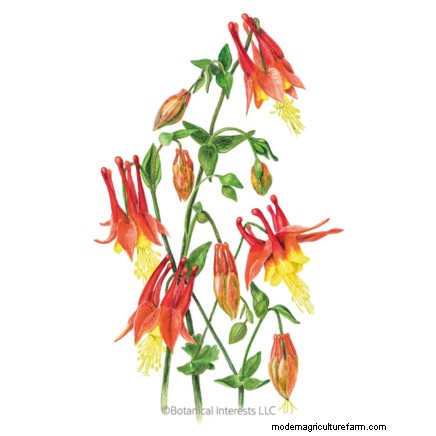
| Botanical name | Aquilegia canadensis |
|---|---|
| Sun requirements | Full sun to partial shade |
| Height | 18‑24″ |
| Hardiness zones | 3‑9 |
With its striking nodding red and yellow flowers, the Eastern Red Columbine is a classic example of a "what‑you‑see‑is‑what‑you‑get" ornamental plant. It’s especially effective as a hummingbird magnet in shaded corners or as a striking accent in sunny beds. Because it thrives in moist, acidic soils, it’s an ideal choice for streamside borders and pond edges.
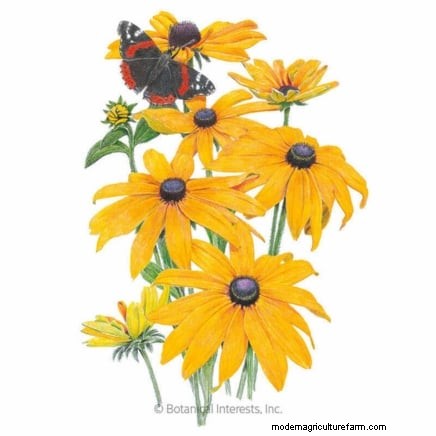
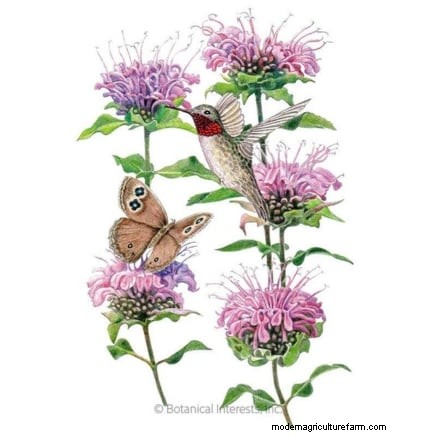
| Botanical name | Rudbeckia hirta |
|---|---|
| Sun requirements | Full sun |
| Height | 2‑3′ |
| Hardiness zones | 3‑7 |
Known for its bright, daisy‑like blooms, the Black‑Eyed Susan is one of the most ubiquitous and hardy perennials across New England. Its prolific self‑seeding habit makes it a natural choice for creating a lively, low‑maintenance wild garden. For best results, add a layer of mulch around the base before winter to protect the roots from frost.
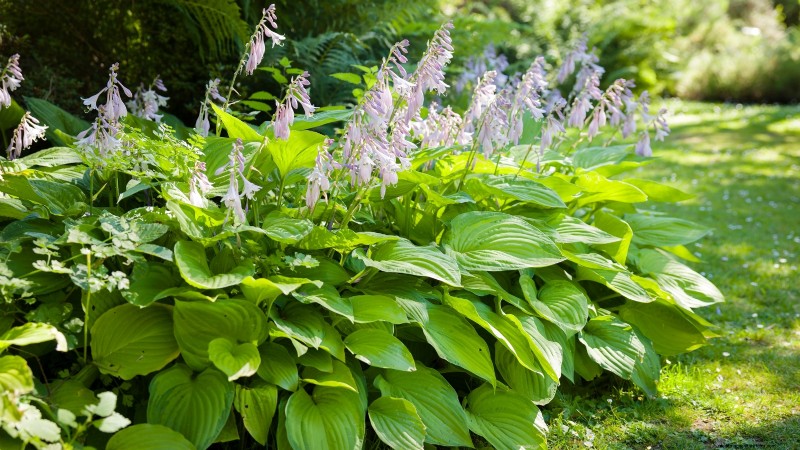
| Botanical name | Hosta spp. |
|---|---|
| Sun requirements | Partial to full shade |
| Height | 4‑30″ |
| Hardiness zones | 3‑9 |
While not true natives, hostas are the darling of many New England gardens thanks to their lush foliage and striking winter interest. Plant them along stone pathways, under trees, or as a border in garden beds that receive morning sun but are shielded from harsh afternoon heat. The variety of sizes—from dwarf to giant—ensures a perfect fit for any landscape.
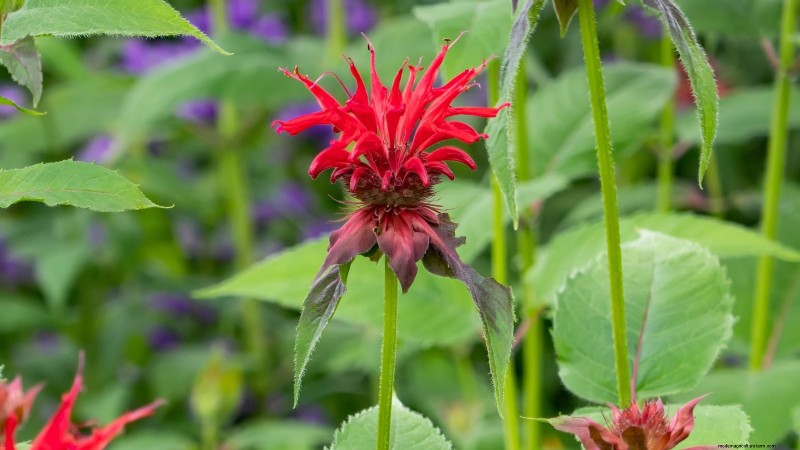
| Botanical name | Monarda ‘Jacob Cline’ |
|---|---|
| Sun requirements | Full sun to partial shade |
| Height | 3‑4′ |
| Hardiness zones | 4‑9 |
This striking bee balm is a standout for its deep crimson flowers and disease‑resistant foliage. By planting in dense clusters or as a standout accent, you’ll attract a wide range of pollinators—bees, hummingbirds, and butterflies—while ensuring a stunning, repeatable visual impact.
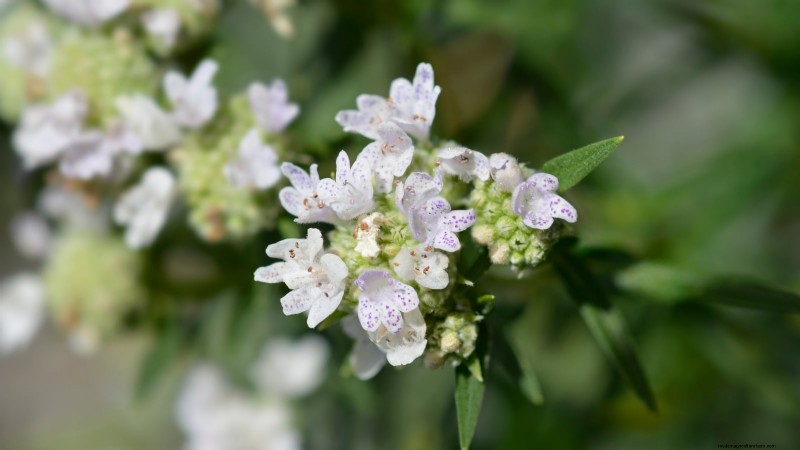
| Botanical name | Pycnanthemum virginianum |
|---|---|
| Sun requirements | Full sun to partial shade |
| Height | 2‑3′ |
| Hardiness zones | 3‑7 |
As a true native, the Virginia Mountain Mint’s compact, bushy form makes it a superb choice for stream banks, rock gardens, and any area where moisture is abundant. Its blossoms are a powerful attractant for native bees, providing a vital food source during late summer.
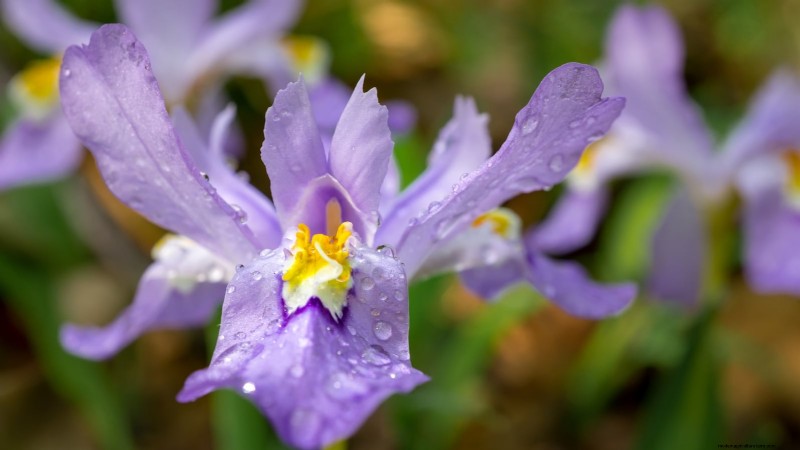
| Botanical name | Iris cristata |
|---|---|
| Sun requirements | Full sun to partial shade |
| Height | 6‑9″ |
| Hardiness zones | 3‑9 |
When it blooms, the Crested Iris produces vibrant, bowl‑shaped flowers that charm both the eye and the local pollinator community. Its natural “living fence” effect is perfect for edging along pathways or creating a lush, low‑maintenance border in dry, shaded areas.
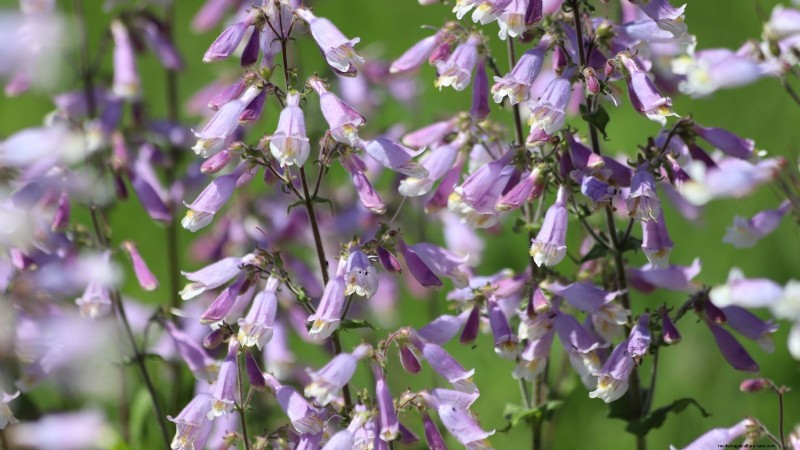
| Botanical name | Penstemon hirsutus |
|---|---|
| Sun requirements | Full sun to partial shade |
| Height | 1‑2′ |
| Hardiness zones | 3‑9 |
Renowned for its tall, white‑lipped blooms, the Hairy Beardtongue thrives in rock gardens and poor soils where other plants may struggle. After blooming, prune the stems to the base to promote self‑propagation from roots, keeping the plant tidy and robust for years to come.
By integrating these seven perennials into your garden, you’ll create a dynamic, low‑maintenance landscape that celebrates the natural heritage of New England. Their proven hardiness, combined with their stunning floral and foliage displays, guarantees a vibrant, pollinator‑friendly garden for years ahead.