
Welcome to Modern Agriculture!

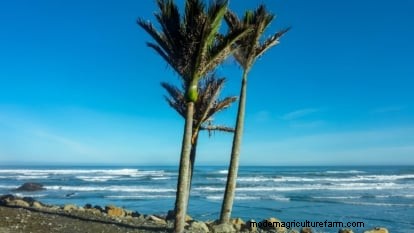
Many gardeners assume that all palms demand scorching heat and arid deserts to thrive. That perception stems from the image of tropical palms, but the Nikau palm (Rhopalostylis sapida) defies that stereotype. Native to New Zealand’s coastal lowlands, it actually prefers cooler, moister conditions, making it a suitable choice for temperate gardens where other palms might fail.
Plant type: Perennial
Family: Arecaceae
Genus: Rhopalostylis
Species: sapida
Native area: New Zealand
Exposure: Partial sun
Height: 30–50′ (ground‑grown); container plants stay smaller
Watering: Moderate to high
Soil: Moist, well‑draining, humus‑rich
Hardiness zone: 9–11
Common pests & diseases: Scale insects, mealybugs, root rot
Maintenance: Low
The Nikau palm is New Zealand’s only native palm species. Its Māori name reflects its local heritage. The tree features a bulbous trunk that tapers upward, crowned by a graceful fan of long, feather‑like fronds. In the wild, mature trees reach up to 50 ft, though they grow very slowly, producing only a few new fronds each year.
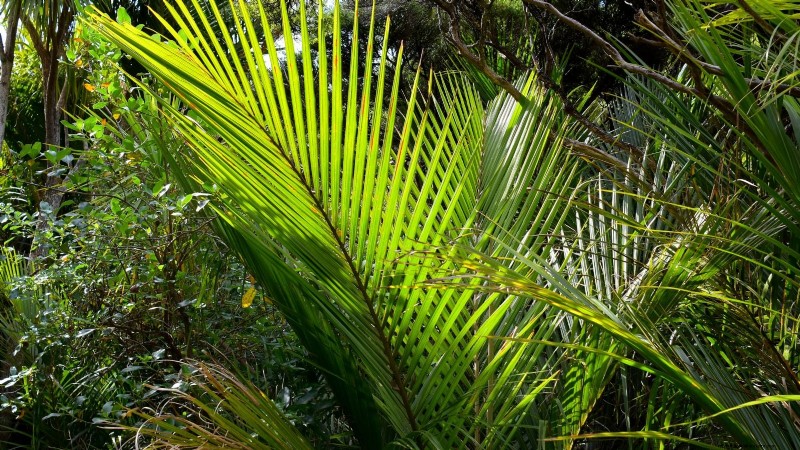
Fronds can extend 6–10 ft, with arching leaflets that lend the palm a sculptural elegance. Mature plants produce small flowers and bright red berries, but flowering is rare in home gardens.
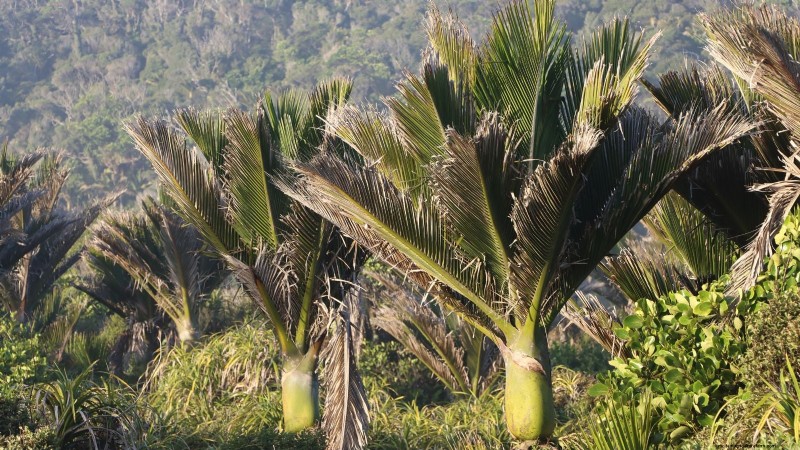
These palms thrive along New Zealand’s coasts, from sea level to about 1,500 ft. They favor high humidity, cool temperatures (60–80 °F), and filtered light typical of forest understories. Winters rarely dip below freezing, yet the palms handle brief colder spells once established.
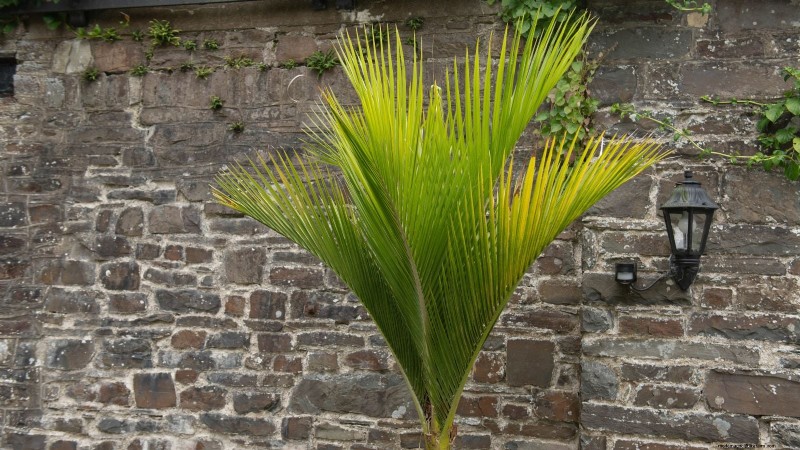
Planting in spring gives the tree a full growing season to establish. Fall planting can work in mild regions but may reduce success. For container growers, select a pot large enough to accommodate future trunk growth and add a drainage layer.
Key steps:
To replicate the palm’s native environment, focus on moisture, humidity, and moderated heat.
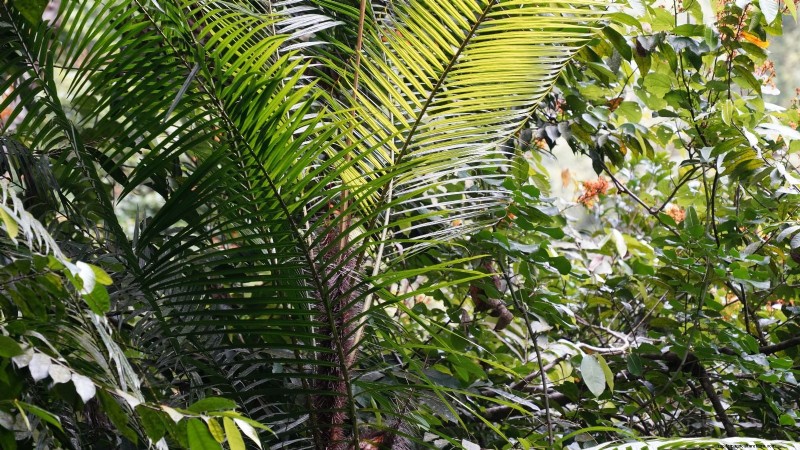
Seek bright, filtered light rather than direct noon sun. East‑facing sites or areas with partial shade are ideal. In hot climates, add shade cloth during peak heat.
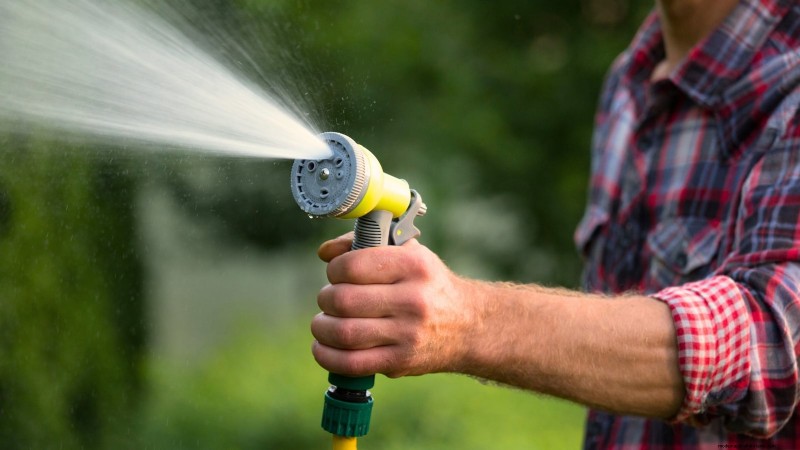
Maintain evenly moist soil without waterlogging. Water deeply when the top inch feels dry. In winter, reduce frequency but avoid letting soil dry out completely.
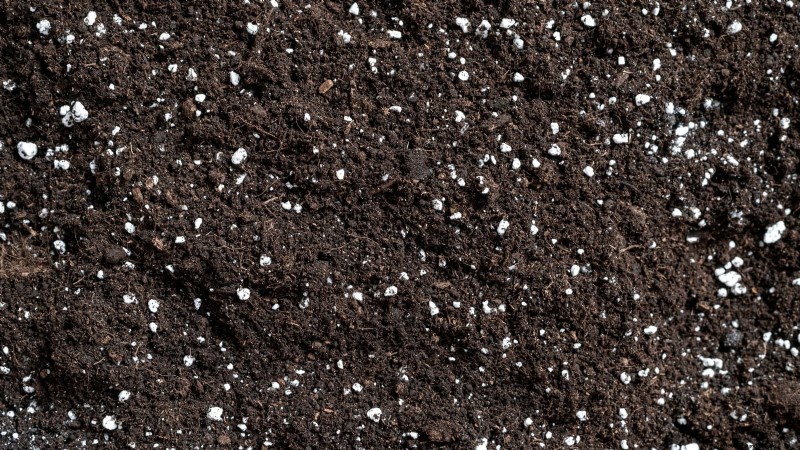
Use a moist, well‑draining mix enriched with organic matter. For container plants, add perlite or pumice for extra drainage. Avoid overly fertile soil, which can damage roots.
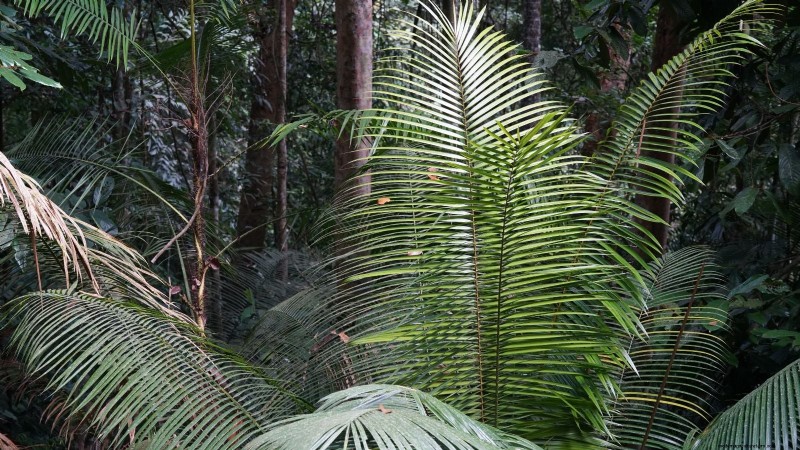
Optimal temps: 60–80 °F. The palm tolerates brief dips to ~20 °F once established. High humidity (above 50%) is essential; low humidity can cause brown leaf tips.
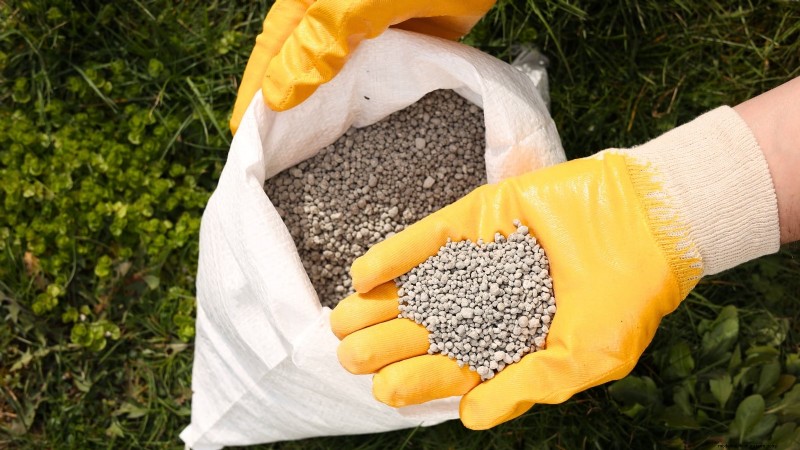
Feed lightly in spring, summer, and fall. Use a palm‑specific fertilizer with lower phosphorus content. Avoid over‑fertilization.
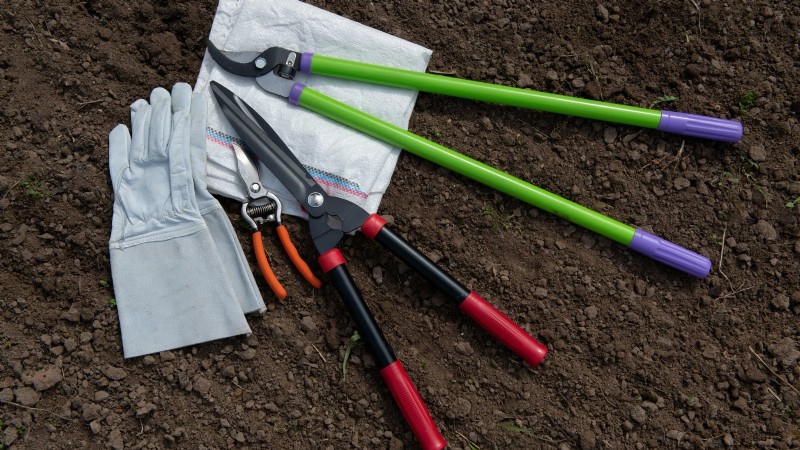
Only remove damaged or brown fronds. Avoid cutting the growing tip or green fronds, as palms cannot regrow from them. Trim the plant with a damp‑as‑flesh technique for clean results.
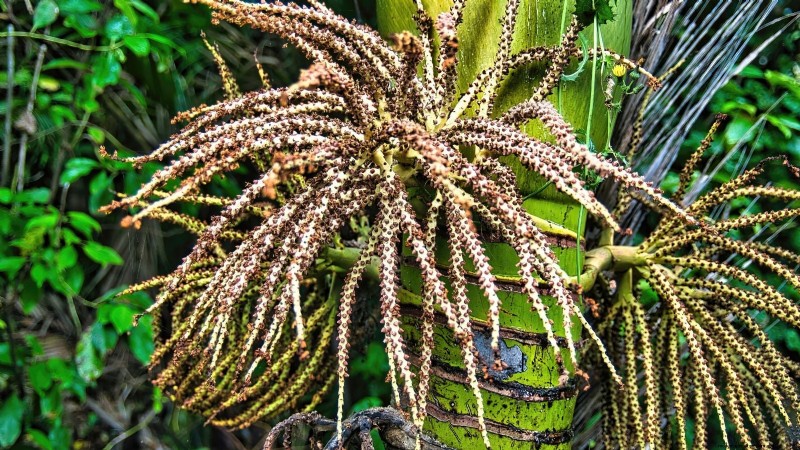
Propagate from fresh seeds—an expensive but rewarding process. Germination can take months. Provide consistent warmth (~75 °F) and moisture during seedling establishment.
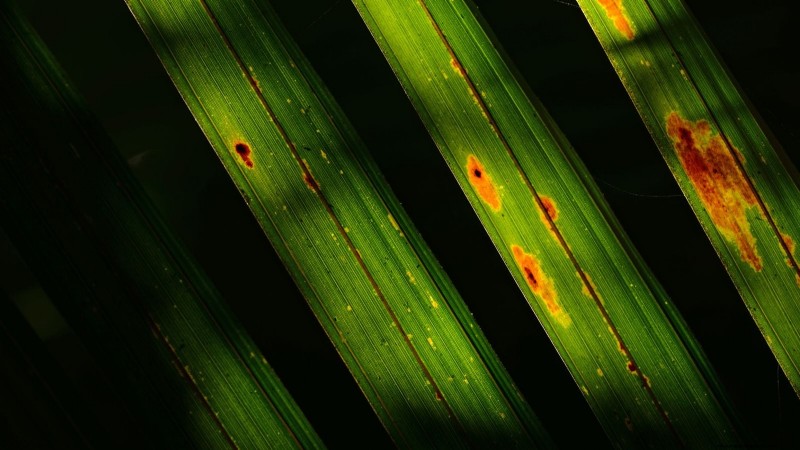
Notable issues include:
Regular inspections and timely adjustments will keep your Nikau palm healthy for decades.


