
Welcome to Modern Agriculture!

April rose care isn’t just a few snips. It’s a thoughtful shift in how you nurture your roses during the winter months. Roses are warm‑weather plants; while they survive the cold, they remain dormant until temperatures rise and day length extends. Understanding this cycle is key to a successful spring routine.
When the first buds appear, some roses begin to bloom immediately, while others wait for the summer heat. Shrub roses can offer continuous color from spring to fall, but many old‑garden varieties deliver spectacular scents and deep, lush blooms. Matching the right type of rose to your climate and goals is the foundation of every care plan.
Because every rose variety responds differently to pruning, feeding, and watering, the steps below are grouped by plant type and regional timing. Whether you’re waiting for the last frost or already in full spring, use these guidelines to keep your roses healthy and prolific.

The Champion™ Sunblush Rose

Pepsi Martin Climbing Rose


Roses fall into three main categories: modern hybrids, old‑garden classics, and wild species. Modern hybrids are known for repeat blooming from spring through summer, while old‑garden and species roses typically flower from late spring to early summer, with some varieties offering late‑season blooms depending on climate.
Knowing your rose type guides every subsequent decision—pruning intensity, feeding schedule, and disease prevention. Avoid heavy pruning on an old‑garden rose in early spring; it could wipe out your summer crop.

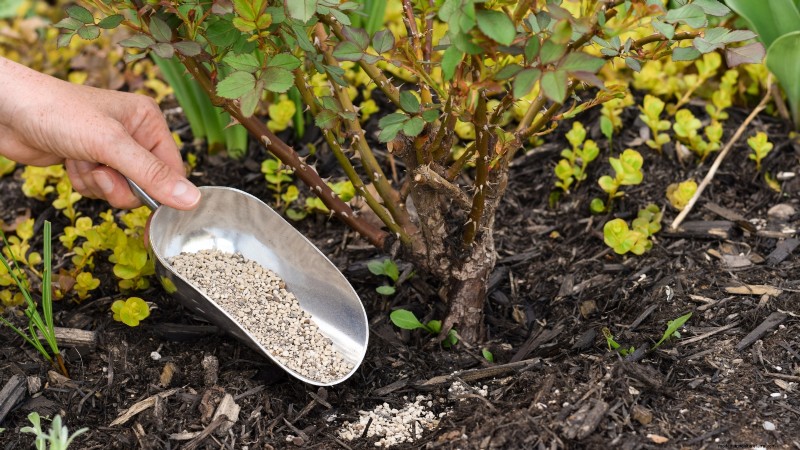
Begin feeding once the first new leaves appear in spring. For 1‑year‑old or younger plants, start with a light dose of fish emulsion and switch to an organic rose‑specific fertilizer every 3‑4 weeks. Mature roses benefit from a heavier application of a rose‑specific blend applied at the base as leaves emerge.
Continue this schedule until about six weeks before your first expected frost, then stop. Always water before and after fertilizing—if the soil is already moist, a light rinse is sufficient.
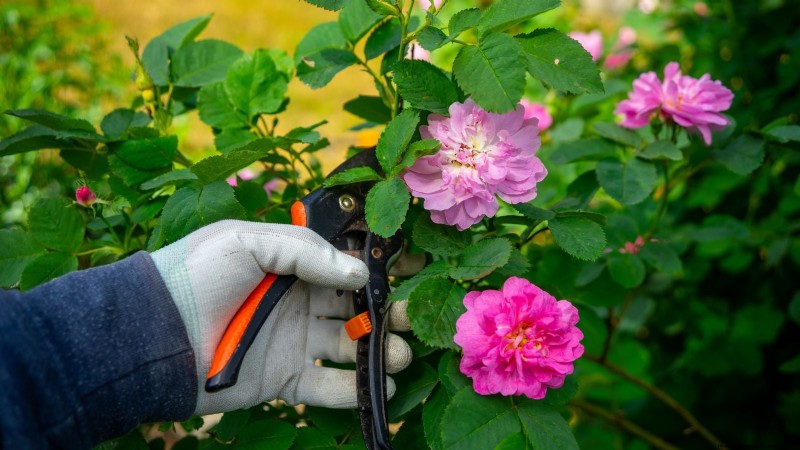
Pruning practices vary by rose type:
Always use sterile, sharp tools to prevent disease transmission.

Early spring is prime time for aphids, flea beetles, mites, and scale. Use a high‑pressure hose to dislodge aphids. Flea beetles are short‑lived but can harm young plants—protect with row covers if necessary. Mites thrive in dry air; deep watering and early morning washing keep them at bay. Scale can be removed with a 70% rubbing alcohol solution applied to a cotton swab.
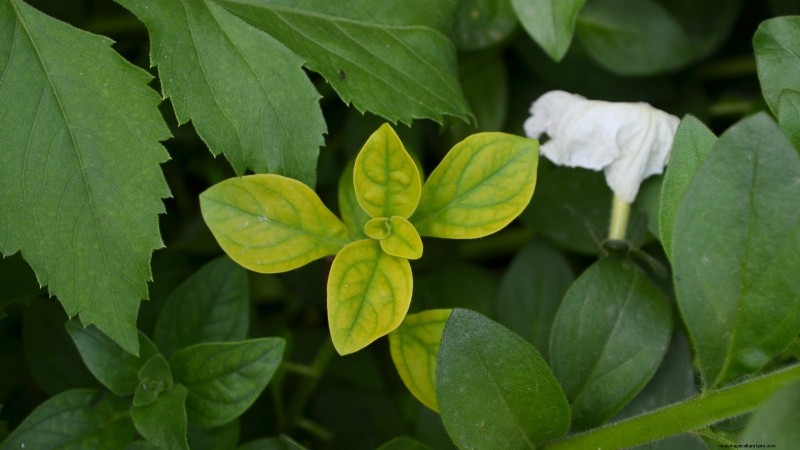
Common leaf diseases—black spot, rust, and powdery mildew—can be managed through proper pruning for airflow. For black spot, an annual copper fungicide application is effective; follow label instructions. Canker is treated by cutting 2–3 inches below the lesion and applying copper fungicide.
Watch for the severe viruses rosette and rose mosaic. Rosette causes a distinctive witch’s broom and bright red leaves; mosaic shows yellow mottling. Both are fatal and can spread to related Rosaceae plants (peaches, apples, pears). Remove infected plants promptly to protect your garden.
April rose care becomes second nature with practice. By understanding your climate, rose type, and the timing of feeding and pruning, you can confidently keep your roses healthy and blooming.


