
Welcome to Modern Agriculture!

Ornamental Gardens
If you manage a moist, shaded garden, hostas often struggle under the onslaught of slugs and snails. This spring, bolster your planting with slug‑resistant hostas that naturally deter these pests, redirecting them to leaf litter and weeds instead. Gardening expert Sarah Jay shares seven varieties that combine beauty with durability.

Written by Sarah Jay
Last updated: April 8 2026 | 4 min read
What makes a hosta slug‑resistant? It’s the leaf thickness and surface texture—thicker, tougher foliage is less appetizing to mollusks. While no plant is 100 % immune, many cultivars have proven effective in commercial trials and in the hands of seasoned growers.
Below, we highlight common and less‑common options available in most nurseries and garden centres. Even the best varieties may still experience occasional feeding in slug‑heavy regions, so pairing them with integrated pest‑management strategies (e.g., iron‑based slug baits, hand‑picking, and copper tape) will keep your hostas pristine.

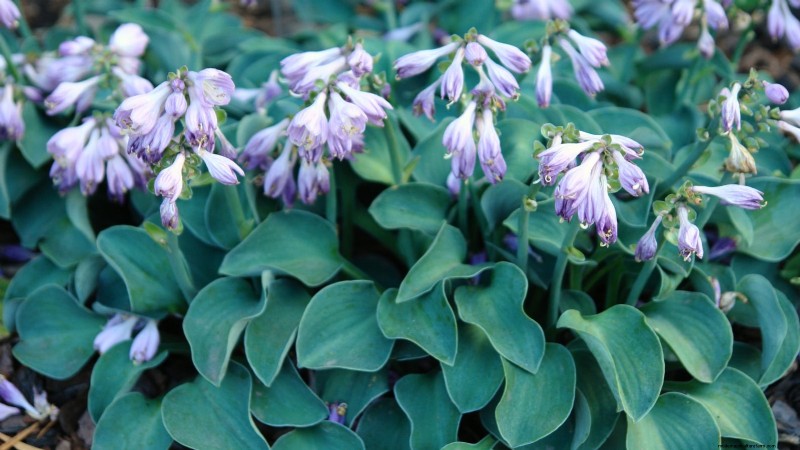
First on the list is the iconic dwarf hosta ‘Blue Mouse Ears’. It earned the Royal Horticultural Society’s Award of Garden Merit (2012) and the American Hosta Growers Association’s Hosta of the Year (2008) for its exceptional performance and low maintenance. The plant spreads to about one foot, with leaves that reach seven inches in length. Its blue‑green foliage and occasional light‑purple spikes in midsummer make it a versatile choice for borders, containers, or solitary plantings. Trimming the flower spikes after blooming encourages vigorous regrowth.
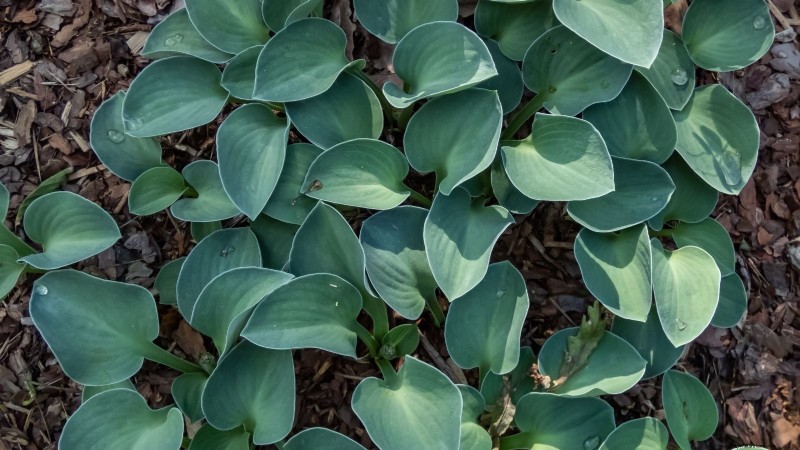
‘Field Rat’ shares the compact habit of ‘Blue Mouse Ears’ but rises an inch taller. This sport of ‘Flamenco Mouse’ retains straight, uniform leaves and thick, slug‑repellent foliage. Its purple‑tinged blooms are darker than typical hostas, and the plant is a rapid grower—ideal for colder regions when paired with winter mulch to protect the roots. The pointed leaf tips provide a subtle contrast to the relaxed shape of ‘Flamenco Mouse’.
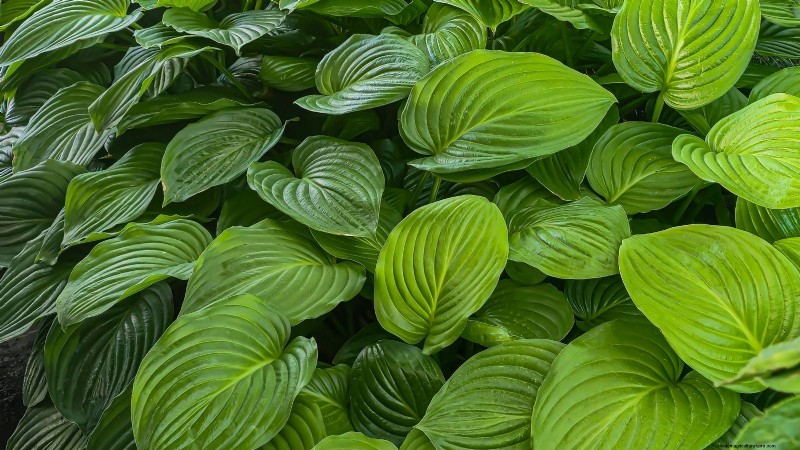
Enter the realm of rare hostas with ‘Mystic Star’, a medium‑sized cultivar developed by Iowa breeder Greg Johnson. This hybrid (Hosta yingeri × ‘Dorset Blue’) boasts broad, blue‑green leaves with pronounced veins that fan out in a whorled pattern. The plant’s hallmark is its striking, double‑petaled blooms that transition from striped purple to white—an uncommon feature among hostas. Pruning the flowers after they open promotes reblooming, adding color to mid‑summer gardens.
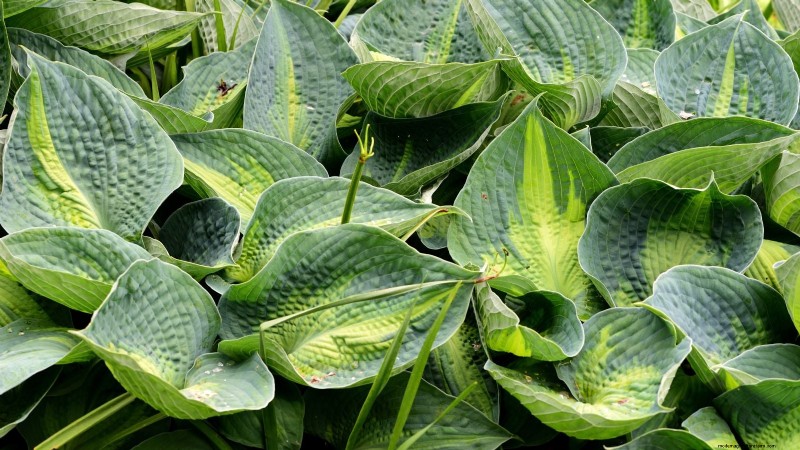
‘Rhino Hide’ is a moderate‑sized hosta featuring deep blue‑green leaves edged in chartreuse and a highly cupped, puckered texture that sets it apart. The plant’s bright white flowers, devoid of purple, add a classic touch. Its exceptionally thick foliage earns the name—making it one of the most slug‑resistant varieties available. With a 1–2‑ft height and a 2–3‑ft spread, it thrives in shaded or woodland settings.
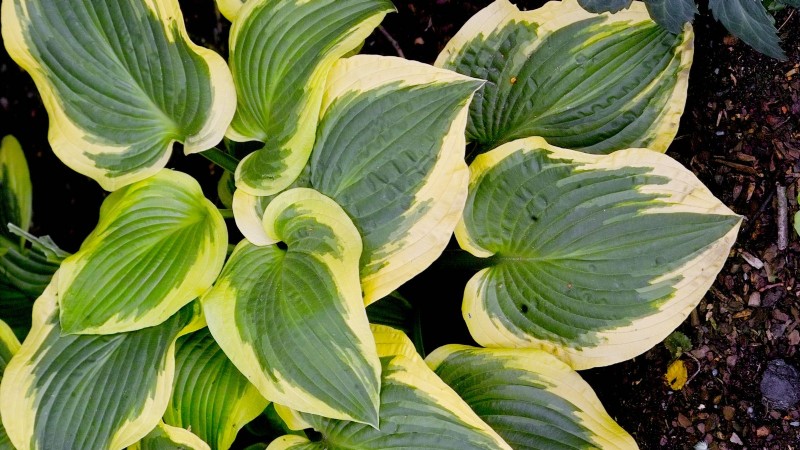
With bordered emerald‑green leaves and cream‑colored margins, ‘Whirling Dervish’ offers an English‑garden aesthetic that many growers love. The upright, textured foliage forms a lively visual statement. In summer, tall, three‑foot spikes unfurl into deep‑purple buds that open into light‑lavender blossoms. Its medium stature makes it ideal for rows among more monochrome hostas, creating a striking contrast.

‘Aqua Velva’ delivers intensely textured, spring‑green leaves that ripple slightly along their surface—an attribute that deters slug feeding. The plant’s thick, upright stems give the foliage a tiered appearance. It produces fragrant, pure‑white flowers derived from ‘Blue Seedling’ (a cross of ‘Polly Bishop’ × ‘Blue Lace’) and ‘Summer Fragrance’. With a 3‑ft spread, it excels in larger shady spaces where its bold presence can shine.
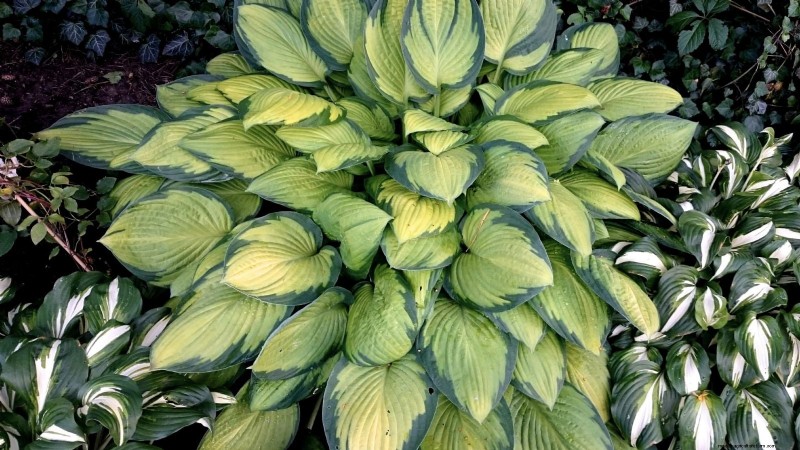
We conclude with ‘Dinner Mint’, a beloved dwarf hosta introduced by Mark Zillis and Mary Beth Vanous in 2011. Its low stature—just seven inches tall—makes it a versatile choice for beds or containers. The foliage is a mosaic of solid blue‑green borders and a lime‑green to golden‑yellow core, creating a vibrant contrast. Mature plants form dense mounds that yield purple‑petaled blooms, offering a splash of color even in tight spaces.
By selecting these slug‑resistant varieties and complementing them with best practices—such as mulch, hand‑picking, and natural deterrents—you can enjoy lush, pest‑free hostas throughout the spring and beyond.


