
Welcome to Modern Agriculture!

Pink flowers and shaded spots don’t always pair naturally. Most eye‑catching pink bloomers crave full sun, and shade‑tolerant varieties often look washed out when they lack light. That can leave a shaded border with little color. However, several species actually flourish in partial shade—or even shade—if you choose the right plants.
Some prefer dappled light by nature, while others merely tolerate it. Knowing the difference will help you decide which plants will produce not only a pop of color but also a resilient, low‑maintenance garden.
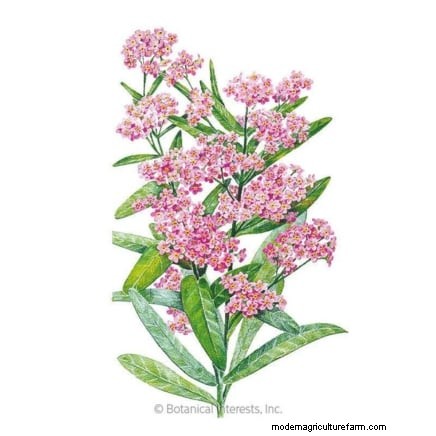
Unlike most plants on this list that simply tolerate shade, ‘Victoria Pink’ forget‑me‑not truly prefers it. This true shade plant thrives in dappled, woodland light and produces dense mounds about six inches tall, covered in tiny pink star‑shaped flowers with white centers.
The blooming window is relatively brief—around eight weeks in spring—but self‑seeding propels the mandible across the garden for future years. Forget‑me‑nots are technically biennial, putting out foliage in the first season and flowers the second. Allowing them to naturalize is the easiest approach; once established, they simply keep showing up.
‘Victoria Pink’ works beautifully as an underplanting for spring bulbs. Nestle it beneath tulips or daffodils and you’ll see a carpet of soft pink at ground level while taller flowers bloom above.
Victoria Pink Forget-Me-Not Seeds
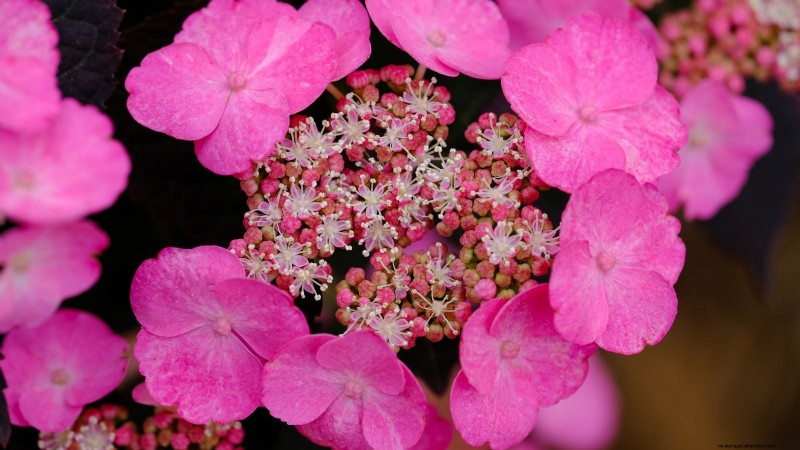
Hydrangeas are already shade‑garden staples, but ‘Pink Dynamo’ stands out for its hardiness and striking color. This mountain hydrangea remains compact—about three feet tall—and produces vivid hot‑pink lacecap flowers against dark foliage.
It blooms on old wood from late spring through summer, delivering months of color with minimal care beyond maintaining moist soil. Part shade is ideal: morning sun followed by afternoon protection keeps flowers bright and foliage from scorching. In cooler northern climates, it tolerates more sun; in the South, afternoon shade is essential.
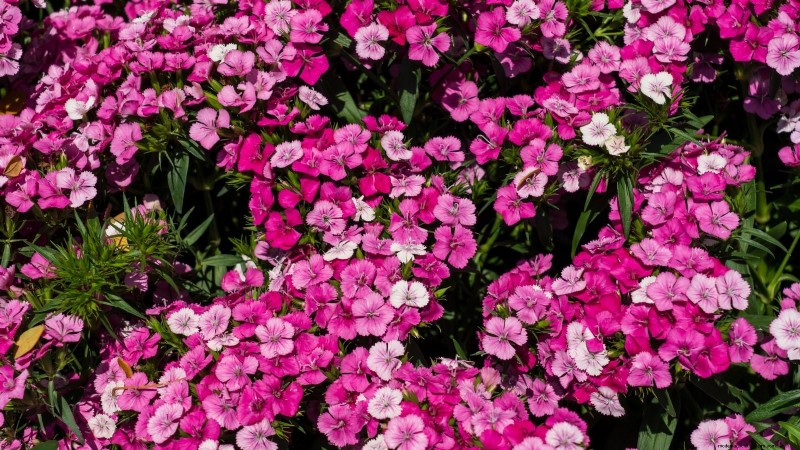
Sweet William is typically a cottage‑garden classic that thrives in full sun. Yet in warmer climates, it tolerates part shade remarkably well, especially when afternoon sun might otherwise scorch the blooms.
‘Sweet Rose Magic’ is a pink shade flower worth growing for its color alone. Individual blooms open white, turn pink, and deepen to a rich rose as they mature—providing three shades per flower. The plants grow about two feet tall with sturdy stems, making them useful cut flowers.
They are technically biennial (or short‑lived perennial), so expect foliage the first year and flowers the second if you start from seed. Once established, self‑sowing keeps them around. Moist, well‑drained soil and a spot with morning sun and afternoon shade will preserve the colors longer than a full‑sun position.
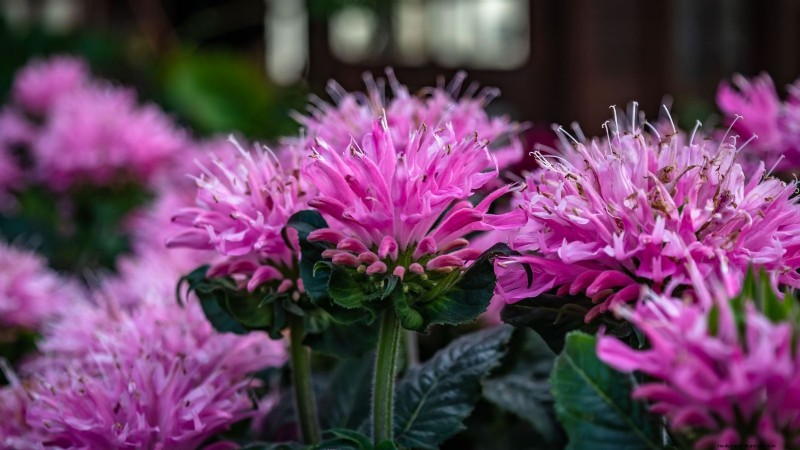
Bee balm (monarda) is a member of the mint family that can quickly take over a garden. It spreads underground, so a single plant can cover a good stretch of bed within a couple of seasons.
While it prefers full sun, it tolerates part shade with fewer blooms. Pink‑flowering varieties keep the color soft while still attracting hummingbirds and butterflies. Powdery mildew is the most common issue; shade exacerbates it, so good air circulation is mandatory. Avoid cramped, damp corners—space the plants out and they’ll stay healthier.
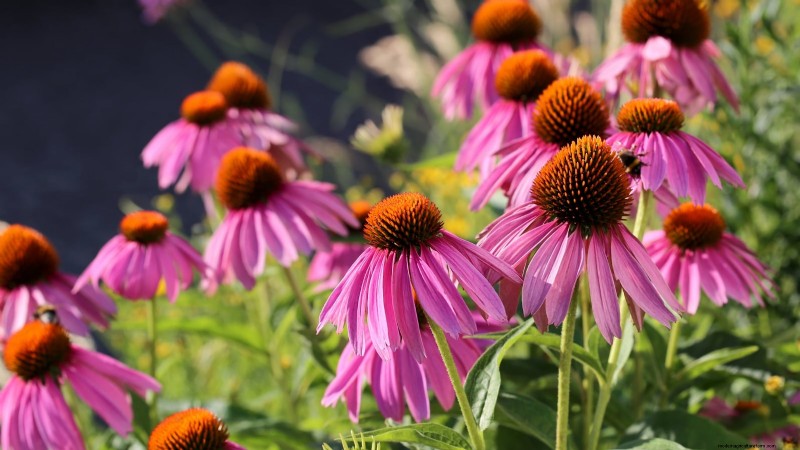
Including purple coneflower on a list of pink flowers for shade requires a caveat. It’s a full‑sun plant at heart, native to open prairies. In deep shade, stems become floppy and flowering drops off noticeably. However, in part shade—four to six hours of sun—it performs well enough for a garden that doesn’t receive light all day.
The flowers are more pink than purple, blooming from midsummer into fall. They attract pollinators, and the dried seed heads feed birds through winter if left standing. The plant returns yearly through self‑seeding without becoming invasive, and it handles heat and humidity without collapsing. Expect fewer blooms than in full sun.
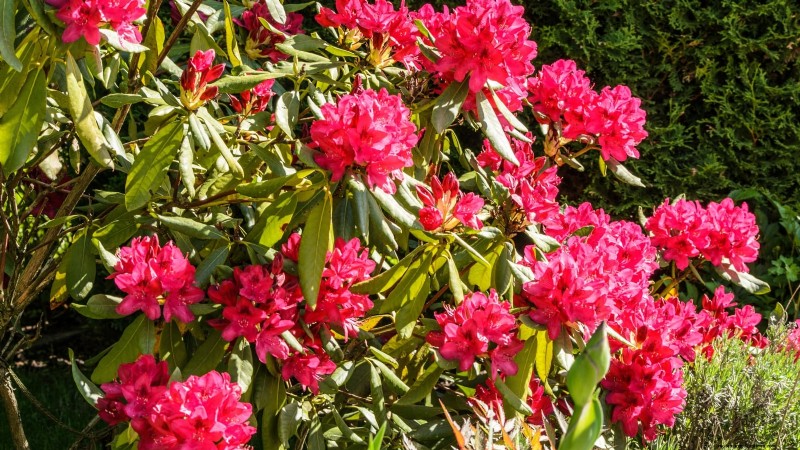
‘Nova Zembla’ is one of the most cold‑hardy rhododendrons you can grow, bred to withstand severe winters that would kill most other varieties. Its flowers are a bright, saturated red leaning toward deep pink depending on light, blooming in large rounded clusters in mid‑to‑late spring.
Like other rhododendrons, it is a woodland plant. ‘Nova Zembla’ prefers dappled shade or a spot with morning sun and afternoon protection. The soil must be acidic (pH 4.5‑5.5), consistently moist, and well‑drained. Soil pH is critical; alkaline or heavy clay soils will hinder growth regardless of light and watering.
The shrub reaches about five feet tall and wide at maturity, with glossy evergreen foliage that remains attractive year round. It’s a reliable foundation plant in cooler climates where other evergreens might struggle.
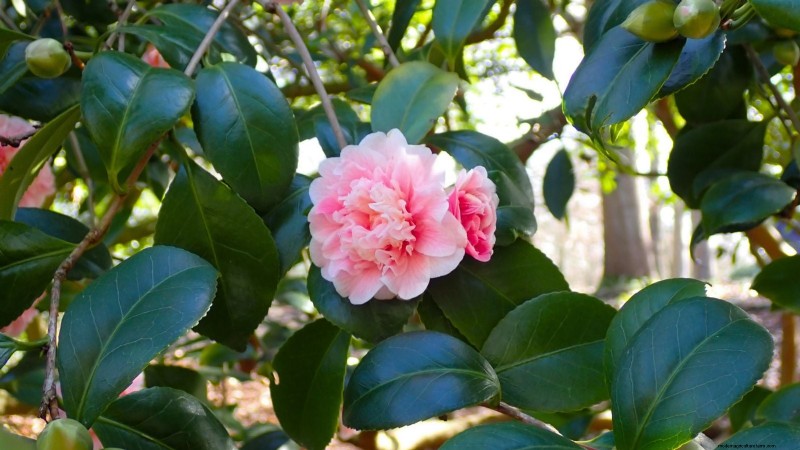
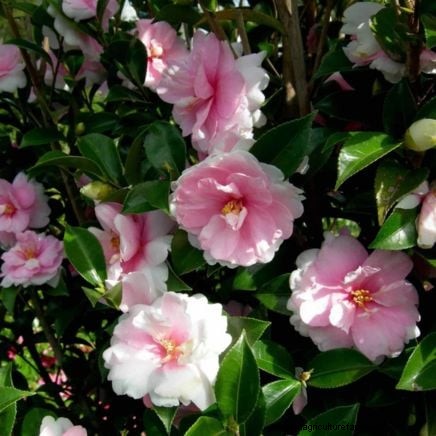
‘Dream Weaver’ is a sasanqua camellia that flowers from October through December. These pink shade flowers produce double blooms that open white to pale blush and deepen to rosy pink at the base, creating a soft, layered effect.
This fast‑growing variety can reach six to eight feet tall, making it suitable as a hedge, privacy screen, or backdrop for lower plantings. The glossy evergreen foliage stays attractive all year, even when the plant isn’t in bloom.
Keep in mind that sasanqua camellias are best suited to warmer climates. They’re reliably hardy through about zone 7, which excludes them from colder zones. In milder winters, a mature ‘Dream Weaver’ in full fall bloom is definitely worth it.


