
Welcome to Modern Agriculture!

Growing organic Amaranth in pots, backyard
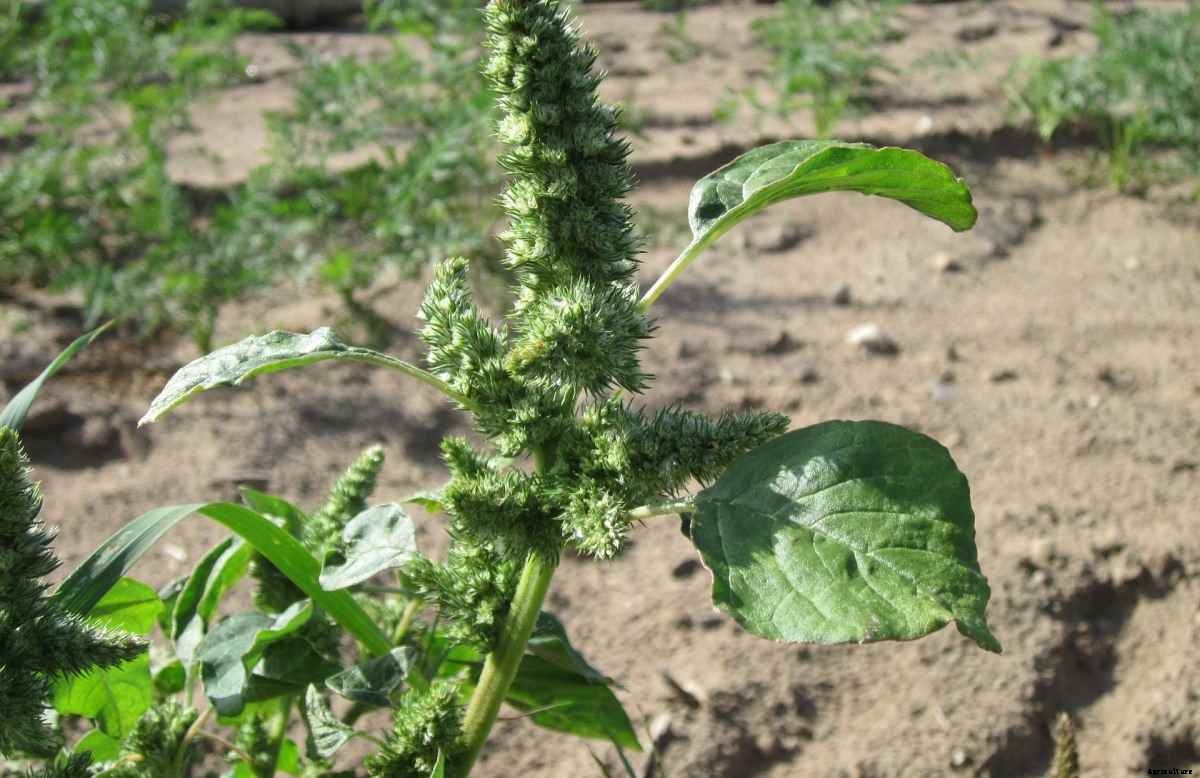
Amaranth is a herbaceous annual belonging to the family Amaranthaceae with green or red leaves and branched flower stalks or heads bearing small seeds, variable in colour from cream to gold and pink to shiny black. Amaranths are a popular group of plants and botanically known as genus ‘Amaranthus’ of Family ‘Amaranthaceae’. Amaranths are mostly erect annual herbs and short-lived perennials. In this article we also discuss below topics;
Amaranth mainly used as a high-protein grain or as a leafy vegetable. The seeds are eaten as a cereal grain and the leaves are rich in calcium, iron and vitamins A, B and C, but fairly low in carbohydrates. Amaranth plant grows to head-high or taller in an array of gorgeous colours and shapes, and it can provide year-round sustenance. Amaranth plant is hardy, easy to grow green vegetable which is cooked and consumed like spinach. There are several varieties with tender leaves, available in green and red colour. Growing Amaranth in the backyard is fun and interesting and adds a little bit of something different to your vegetable garden. Given the right growing conditions, the Amaranth plant can be easily grown and harvested in almost any backyard garden.
When growing Amaranth plant for food, it is best to select varieties of Amaranth that work well as a food crop. If you want to grow Amaranth as a grain, some Amaranth varieties to consider include;
If you want to grow Amaranth plants like leafy greens, some Amaranth varieties best suited to this include;
Varieties of Amaranth plant can range from giants topping 8 feet to smaller 1 to 2-foot plants better suited for leaf harvest only. You will want to cultivate larger plants specifically grown for their seeds if you want the Amaranth grain.
Amaranth plant grows best in loam or silty-loam soils with good water-holding capacity, but it can grow on a wide range of soil types and soil moisture levels. Amaranth can tolerate a soil pH level from 4.5 to 8.
To feed the soil, gardeners should restore the resources their gardens consume, by adding organic matter. That includes adding compost, and possibly growing cover crops called green manure and that are tilled back into the soil. You can use compost as a replenishing additive, to make clay and sandy soils more plant-friendly, or as mulch on top of your garden beds.
Plants grown in average garden soil will be 4-feet to 6-feet tall, while those grown in rich soil or compost may reach over 8 feet. Optimum soil is a well-drained loam but plants will do well in all but poorly aerated clay soils. Compost is the microorganism and nutrient-rich soil formed from the aerobic decomposition of organic matter. The garden itself is the source for many of the ingredients in compost, that including grass clipping, plant waste, and shredded leaves in fall. You can add kitchen waste such as vegetable and fruit scraps and peelings, coffee grounds, eggshells, and if you wish, chicken, cow, or horse manure.
Amaranth plants grow well in average to rich and well-draining soil with equal amounts of nitrogen and phosphorus. Like many vegetable crops, they need at least 5 hours of sunlight a day to do well. While they grow best in moist but well-drained soil, they will tolerate somewhat dry soil too. Amaranth seeds are fine, so generally, the seeds are sprinkled over a prepared area after the risk of the last frost has passed. Amaranth seeds can be started indoors as well about 3 to 4 weeks before the last frost date. Once the Amaranth seeds have sprouted, they must be thinned to about 18 inches apart.
Amaranth grows well in average soils and grows adequately in poor soils. Only dense clay soils are likely to be completely unsuitable for Amaranth. Very rich soils are not necessary for Amaranth, and can even hinder their growth. Sow seeds early in the season and then cover lightly with soil. If you’re direct sowing seed, make sure you do so after the threat of frost has passed and the soil has begun to warm up. Generally, Amaranth germinates well when the soil has reached at least 15°C but is not warmer than 32°C.
Seeds are sown directly in containers by dusting or broadcasting.
You may also check this: How To Grow Chilli Plants At Home.
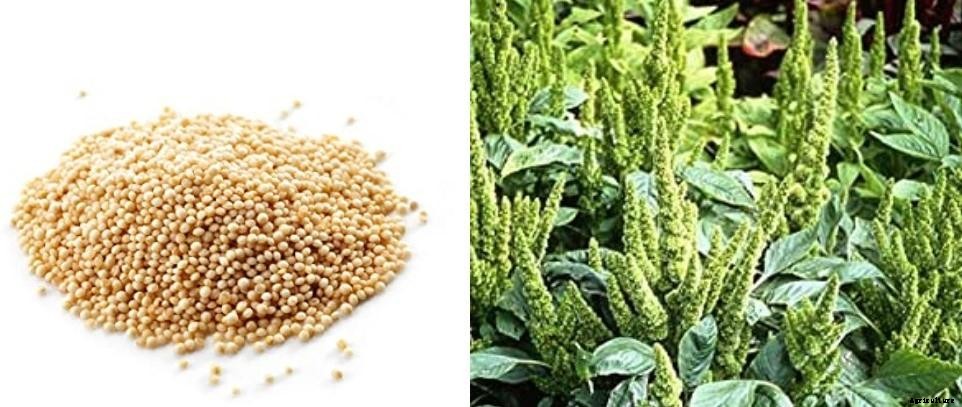
Step 1) Amaranth is easy to start from seed and is best grown when direct sowed into the backyard garden. Amaranth plant prefers warm climates and needs full sun. Water them during dry periods, or once or twice a week as needed. You can fertilize once or twice during the growing season.
Step 2) Plant seeds in rich soil at the end of spring. A mix of about 1 part loamy soil, 1 part compost, and 1 part manure is best. Rake the soil into rows, and plant seeds about ¼ inch deep along the row. As the Amaranth seeds begin to germinate, then the rows to one plant per 6 to 18 inches along the rows. Then, thin seedlings by pulling out the weaker and smaller plants.
Step 3) Water the rows until the soil is moist and water every couple of days as soon as the soil is dry to the touch. Amaranth plant is tolerant of dry conditions once it is established. Water your Amaranth container every day in the form of the light shower by using a watering can.
Step 4) Remove any weeds near the Amaranth seedlings. Once the Amaranth plants reach 1 foot in height, they must begin to grow very quickly, shading out weeds and needing less attention.
Step 5) Harvest Amaranth seed after the flowers have bloomed and around 3 months after seed germination. Gently rub the flower heads to see if any of the Amaranth seeds fall away easily. If they do, then the Amaranth seeds are ready to be harvested.
Step 6) Rub the flower heads of Amaranth together over a bucket to harvest the Amaranth seeds. Once the Amaranth seeds have been collected, they can be shaken over a harvesting screen to remove dust and other dry plant debris.
Step 7) Place the Amaranth seeds on a drying tray and leave it outside in the sun or inside near a heater for 24 hours to dry the Amaranth completely before storing the crop. If the Amaranth seeds are not dried completely, then mould can develop on the seeds.
Before planting Amaranth, amend the soil with a light application of a balanced organic fertilizer. Mulches help retain soil moisture and maintain even soil temperature levels. For annuals, an organic mulch of shredded leaves lends a natural look to the bed and then improves the soil as it breaks down in time. And, always keep mulches off a plant’s stems to prevent possible rot.
Amaranth can fall prey too many of the same pests and diseases that affect other vegetables. Aphids and flea beetles are common; insecticidal soaps are a good remedy for the former, and floating row covers will protect the Amaranth plants from the latter.
Root rot can be a problem in wet, dense soil or in periods where rainfalls are frequent and copious. Once root rot occurs, the Amaranth plant must be removed.
Amaranthus can be attacked by the following;
Ants – Lemon juice or chilli garlic spray
Leaf eating caterpillar – The control method is hand pick off the plants and dislodge with jet water spray.
Leaf spot – Remove the affected plants in the early stages to control the disease.
Root decay – If the soil is too damp and soggy, you will have to stop watering for a couple of days and replace the topsoil. Ensure that the container has ample holes for proper water drainage and moving the container to bright sunlight helps.
Your organic colorful Amaranth greens are ready for harvest before they start flowering. You can also cut your Amaranth when it is between 1 and 2 feet tall. You must cut the whole stem, maybe 6 to 10 inches above the ground. Then, the stem will re-shoot and can be harvested again. The time from planting to harvest is about 20 to 30 days from seed. Finally, the hard work pays off and you have the colorful and sweet-smelling greens.
Harvesting Amaranth Leaves – The leaves on an Amaranth plant can be used at any time.
Harvesting Amaranth Grains – Pick individual plant leaves as needed for greens. Younger greens are great for salad; older greens are better cooked as a substitute for spinach. The seed will ripen many weeks before the first hard frost, usually after about three months from planting time.
If you would like to harvest the Amaranth grain, allow the Amaranth plant to go to flower. Flowering Amaranth plants can still have their leaves harvested to eat, but you can find that the flavor changes after the Amaranth plant flowers. Once the flowers have developed, let the Amaranth flowers grow fully and then watch carefully for the first few flowers to start dying back or browning a bit. At this time, cut all of the flowers off the plant and place them in paper bags to dry the rest of the way. Once the Amaranth flowers are dry, the flowers should be threshed either over a cloth or inside a bag to release the Amaranth grains. Use water or wind to separate the Amaranth grains from their chaff.
In case if you are interested in this: Organic Lettuce Farming, Cultivation Practices.


