
Welcome to Modern Agriculture!

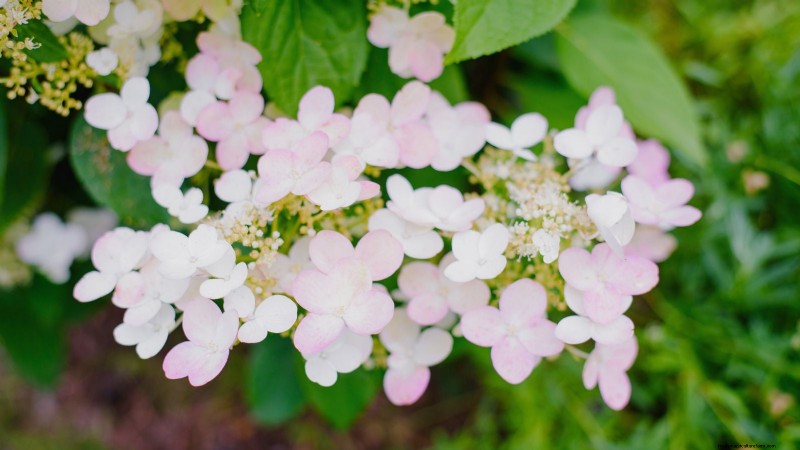
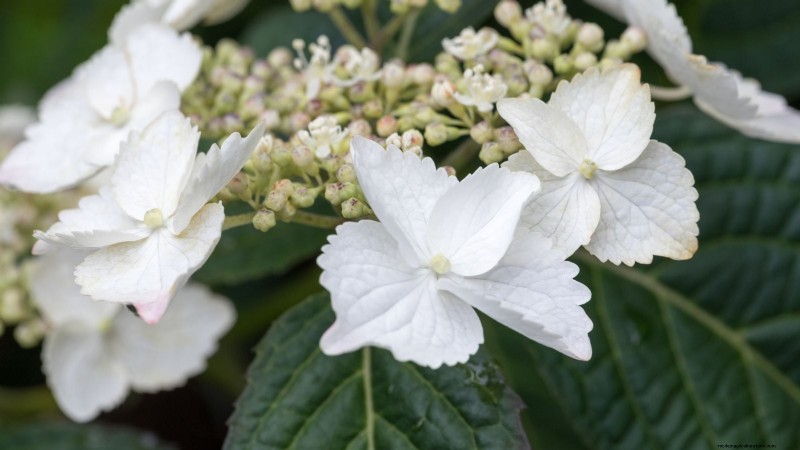
If you’ve ever wished your hydrangeas did more than just form a round mound, cascade hydrangeas are worth a look. These modern hybrids produce flowers along the entire length of their arching stems, creating a garland‑like display that captivates any garden.
First introduced at the 2018 Chelsea Flower Show under the name “Runaway Bride” and awarded Plant of the Year, cascade hydrangeas have quickly become a favorite for gardeners seeking a dramatic, cascading effect. Today, several varieties—such as Fairytrail Bride, Fairytrail White, Fairytrail Green, and Fairytrail Fresco—are available, each with unique color options and bloom characteristics.
Although the basics of caring for cascade hydrangeas aren’t complicated, mastering a few key details will ensure spectacular blooms and healthy growth.
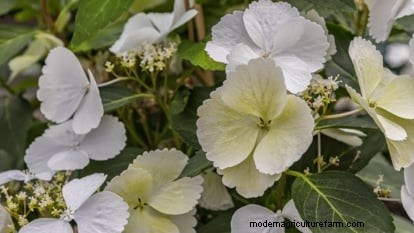
Plant type: Deciduous shrub
Family: Hydrangeaceae
Genus: Hydrangea
Species: Interspecific hybrid (Hydrangea ×)
Native area: Hybrid
Sun exposure: Partial sun (4–6 hours of light)
Typical size: 4 ft tall × 4 ft wide
Watering: Moderate—keep soil consistently moist but never waterlogged
Soil: Moist, well‑draining; tolerates most soil types when drainage is adequate
Hardiness zone: 5–9 (extra protection needed at the extremes)
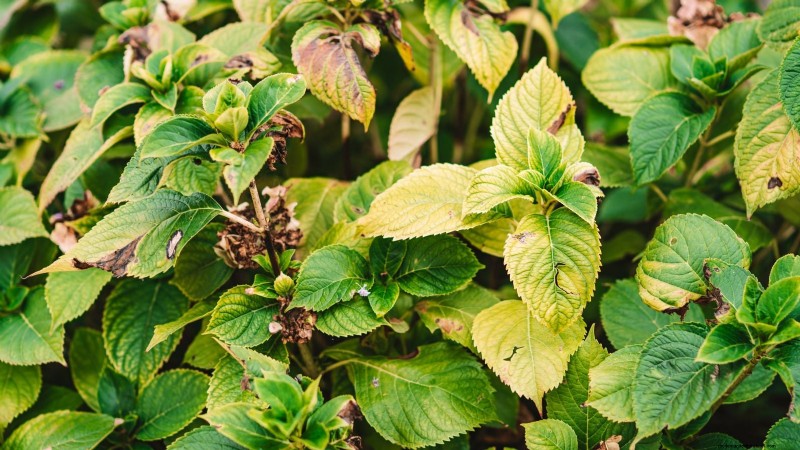
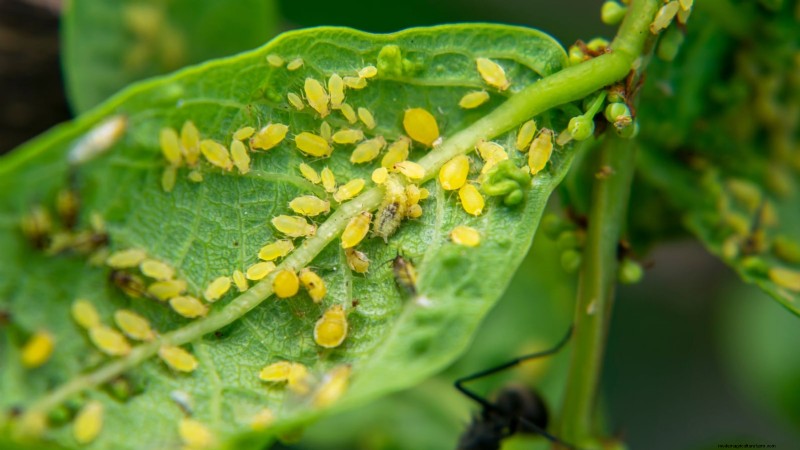
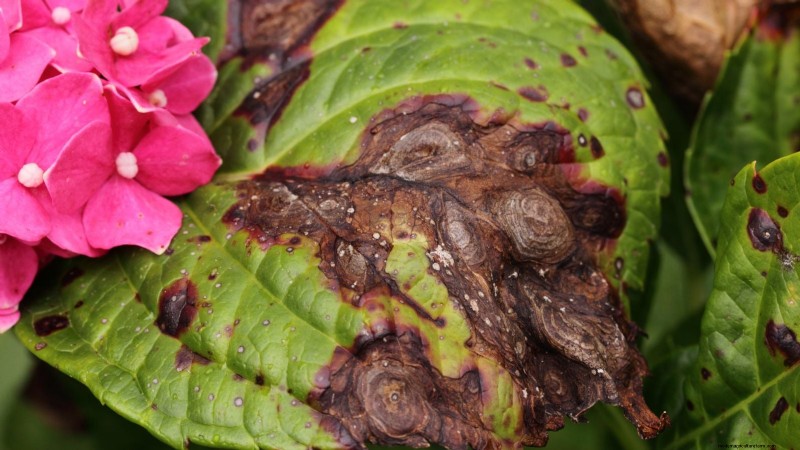
Pests & diseases: Deer, aphids, mildew, scale, spider mites, powdery mildew, cercospora leaf spot, botrytis blight
Maintenance: Low—primarily selective pruning and protection from wildlife
Developed by Japanese breeder Ushio Sakazaki, cascade hydrangeas differ from classic hydrangeas in that they set flower buds at every leaf node along the stem rather than just at the tips. This creates a layered, flowing appearance that is unparalleled in the hydrangea world.
Unlike many hydrangea varieties that require soil pH adjustments to change bloom color, only the Fairytrail Fresco variety shifts between pink and blue when soil pH is altered. The other Fairytrail lines remain their natural hue regardless of acidity.
These shrubs mature to about 4 ft in both height and width, making them ideal for containers, hanging baskets, and low‑height garden beds.
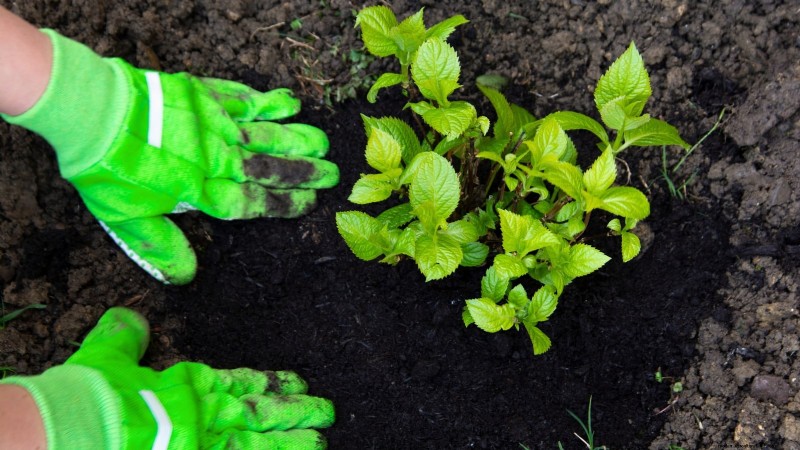
Best planted in spring to allow roots to establish before the heat of summer.
Ground planting: Choose a location with morning sun and afternoon shade or filtered light all day. Space plants 4 ft apart. Avoid burying the crown—backfill with native soil, water well, and mulch 2–3 inches of organic material.
Container planting: Use a pot 16–18 inches wide with drainage holes. Fill with high‑quality potting mix and water more frequently than in‑ground plants. Containers dry out faster, especially in summer.
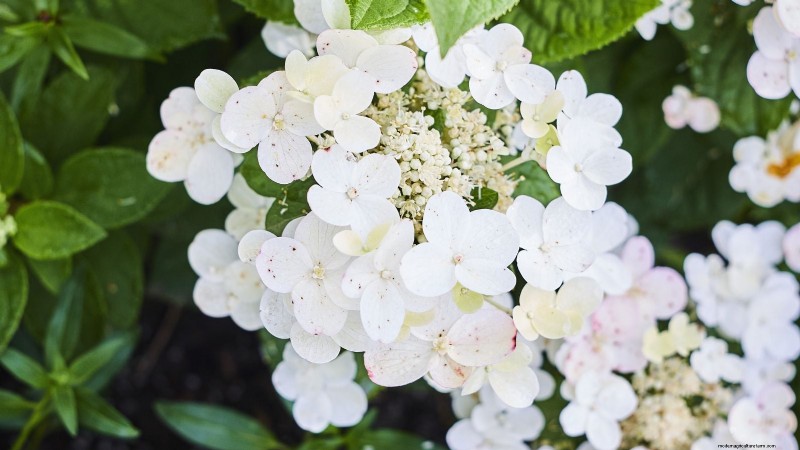
Partial sun is optimal—4–6 hours per day. In cooler northern zones, full sun is acceptable if consistent moisture is maintained. In warmer southern zones, afternoon shade is essential to prevent scorching.
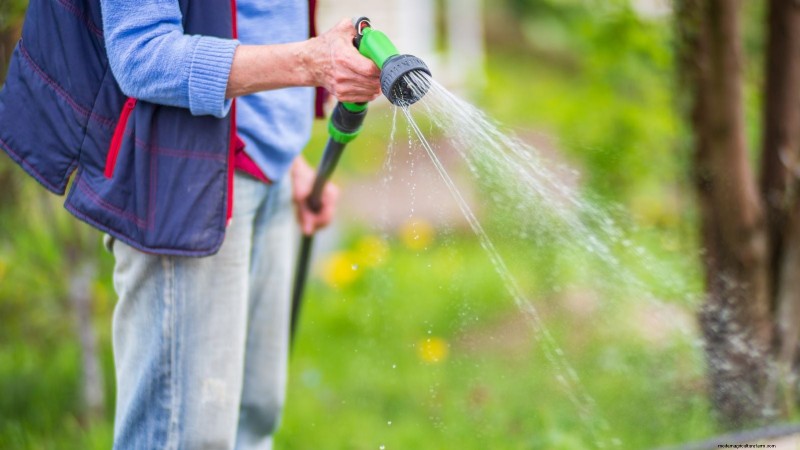
Maintain moist soil: water when the top inch feels dry. Water at the base to avoid wet foliage, which promotes fungal issues. In hot weather, especially for container plants, water every 1–2 days. Reduce watering in fall but keep soil from drying completely before freezing.

Prefer well‑drained, moderately moist soil. Heavy clay that remains soggy should be amended with organic matter or raised beds. Soil pH only matters for Fairytrail Fresco: acidic (pH < 6) for blue, alkaline for pink.
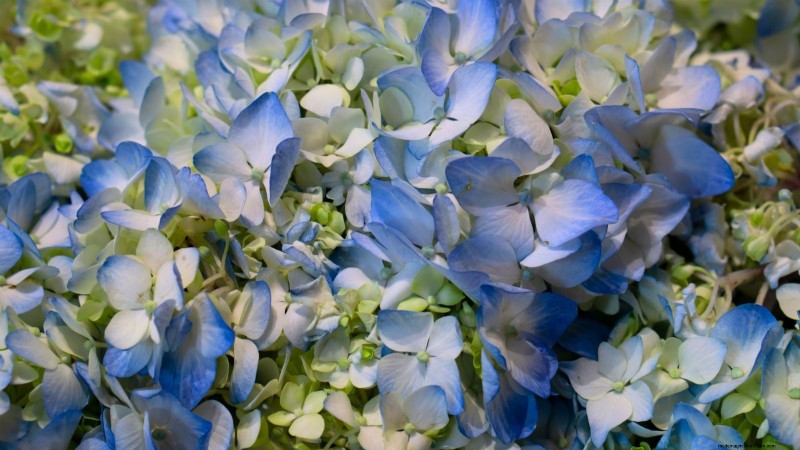
Zones 5–9 are suitable. In zone 5, mulch heavily in fall and consider winter protection during the first few years. In warmer climates, provide adequate water and afternoon shade. If borderline, grow in a container for easy relocation to a sheltered spot in winter.
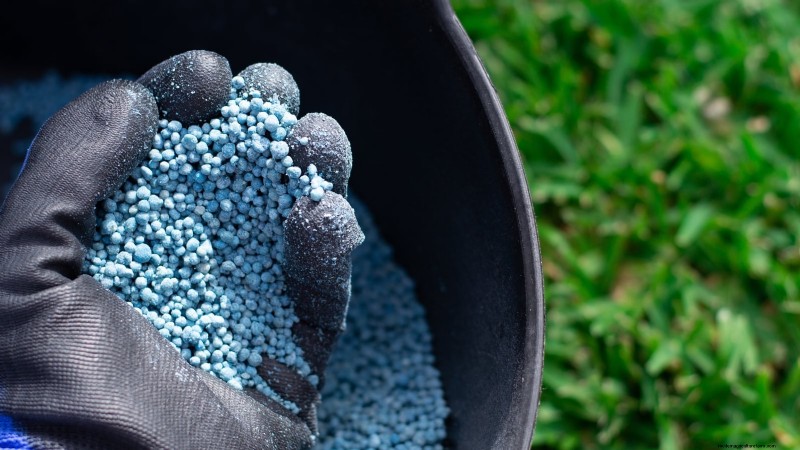
Feed once in spring with a granular rose or hydrangea fertilizer. Avoid late‑summer feeding to prevent tender new growth that may die back.
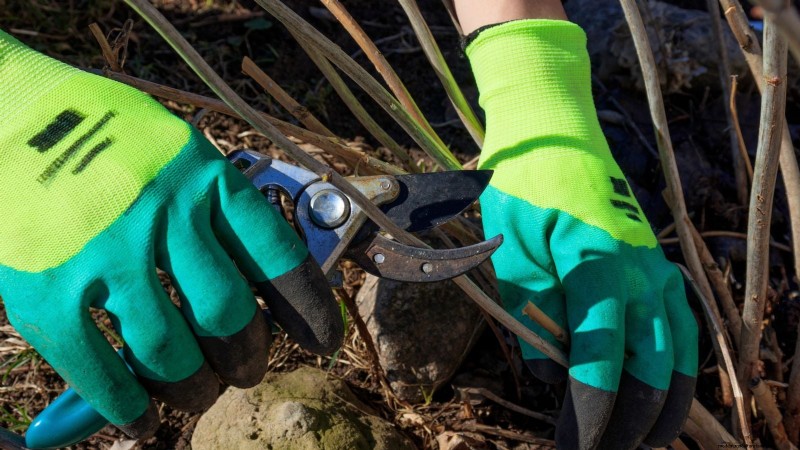
Cascade hydrangeas bloom on old wood. Trim only dead or diseased wood after new growth appears in spring. If the plant becomes too large, selectively thin up to one‑third of the oldest branches in late winter—avoid shaping or cutting back stems that look bare in winter.
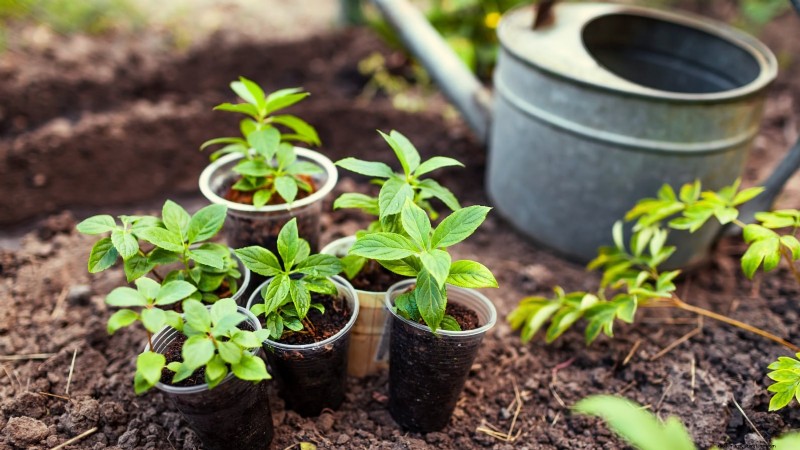
Take softwood cuttings (4–6 inches) from flexible new growth in late spring or early summer. Remove lower leaves, leave 1–2 pairs at the top, dip in rooting hormone, and plant in a moist mix of perlite and peat. Cover with a humidity dome and keep in a warm, bright indirect light. Roots appear in 4–6 weeks. Once rooted, pot up and grow for a full season before planting out.
Remember: cascade hydrangea varieties are patented. Propagation for personal use is fine, but selling propagated plants is prohibited.
With these expert guidelines, cascade hydrangeas will deliver stunning, cascading blooms and year‑long foliage interest.


