
Welcome to Modern Agriculture!

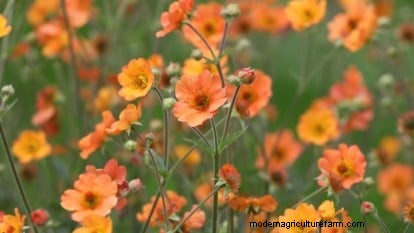
‘Totally Tangerine’ geum is a standout in the Rosaceae family, offering larger, orange‑peach blooms that add a splash of color to cottage and rock gardens without demanding extensive care.
With a moderate height of 1–3 ft and a width of up to 2 ft, this cultivar thrives in full sun to partial shade, making it an ideal choice for a wide range of garden settings. Its sterile seeds mean propagation is best achieved through division, ensuring a steady supply of healthy plants.
Plant Type: Herbaceous perennial
Family: Rosaceae
Genus: Geum
Species: PP22041
Native Area: Garden origin
Exposure: Full sun to partial shade
Height: 1–3 ft
Watering Requirements: Average
Pests & Diseases: Sawfly larvae, no serious issues
Maintenance: Low
Soil Type: Chalk, loam, sand
Hardiness Zone: 5–9
Geums belong to the Rosaceae family, which also includes roses, apples, and blueberries. These rosette‑forming perennials are prized for their attractive foliage and striking flowers. ‘Totally Tangerine’ was developed by plant breeder Timothy Crowther in 1999 at Walberton Nursery, UK, by crossing Geum rivale with Geum chiloense ‘Mrs. Bradshaw’. The result is a robust, sterile‑seeded cultivar known originally as ‘Tim’s Tangerine’.
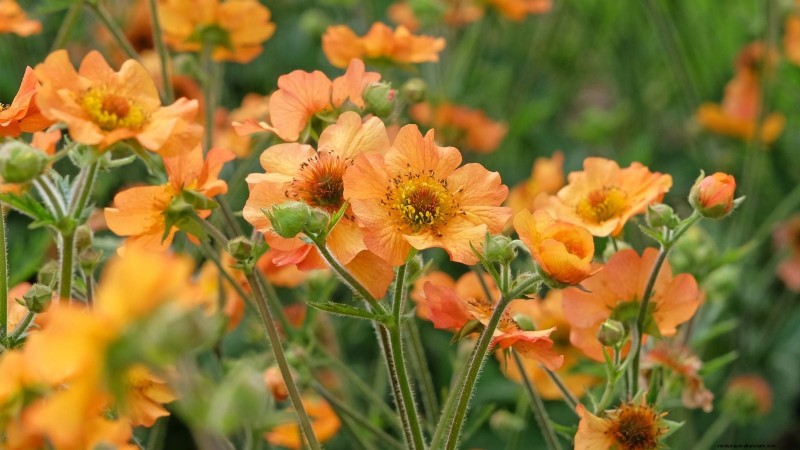
Floral buds are a vivid orange‑peach with bright yellow stamens, facing upward and outward. Blooming starts in spring and continues until the first frost, after which attractive puffy seedheads remain. Leaves form a semi‑evergreen rosette, slightly hairy and ranging from light green to silvery green.
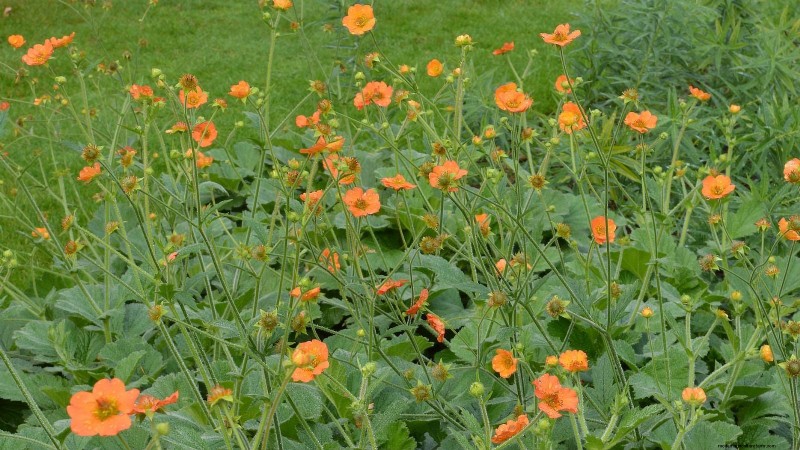
Choose a mild spring or fall day to transplant. Because the variety is sterile, acquire a healthy plant rather than seed. Ensure well‑draining soil and full sun exposure. Space multiple plants at least 12 inches apart to allow room for growth.
Dig a hole as wide and deep as the plant’s nursery pot. Place the container in the hole to gauge depth, then gently remove the plant and lower it into the ground. Fill around the root mass, press firmly, water in, and level the soil. This technique works equally well for container‑grown specimens.
‘Totally Tangerine’ geum is remarkably easy to grow once established in the right conditions. Follow these key care guidelines to ensure a thriving plant.
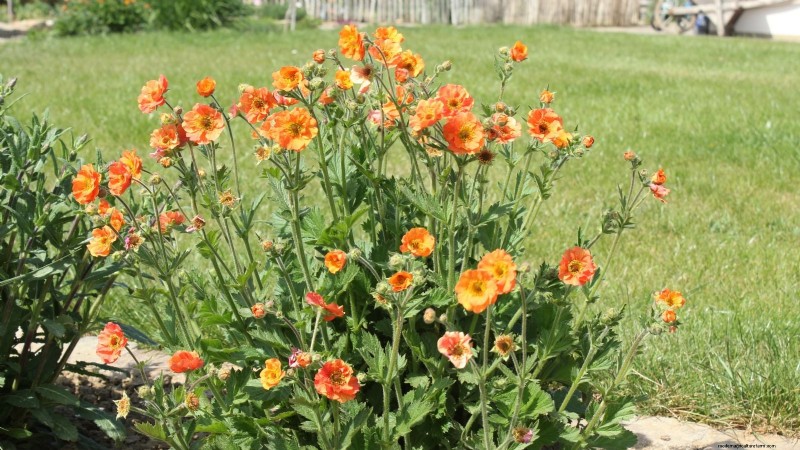
Full sun maximizes flowering. In cooler climates, provide at least 6–8 hours of direct light. If located at the edge of its hardiness zone (7–9), afternoon shade can protect the plant from intense heat.

Aim for an average moisture level: about 1 inch of water per week. Supplemental watering is needed in hotter regions, while in rainy areas natural rainfall usually suffices. Avoid mandating moisture during winter; well‑draining soil and reduced irrigation protect the roots from rot.

Opt for a light, well‑draining mix—chalk, loam, or sand. In pots, use a high‑quality potting soil with excellent drainage. For sandy or heavy clay sites, amend with compost and add agricultural grit or perlite to improve permeability.
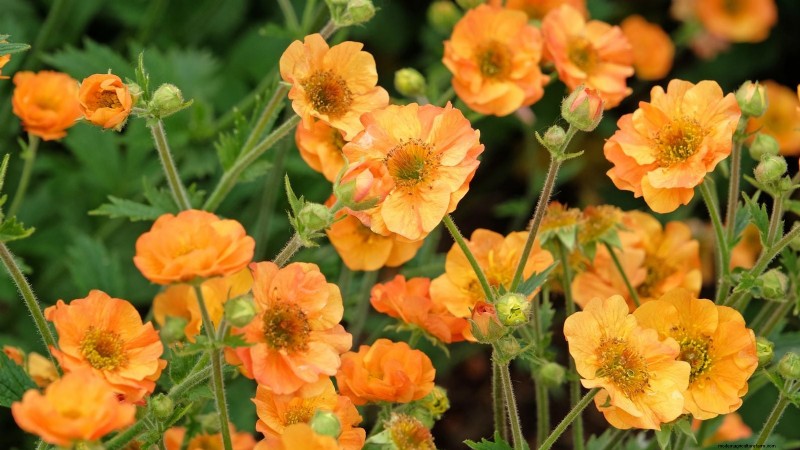
Ideal temperatures range from 65–75 °F (18–24 °C). The plant tolerates winter dieback in zones 5–9, regrowing from the roots each spring. High summer humidity can stress the plant; ensure adequate airflow and remove any damaged foliage.

Compost is sufficient. An annual side‑dressing of well‑rotted compost promotes healthy growth. Fertilizers are unnecessary in nutrient‑rich soils.
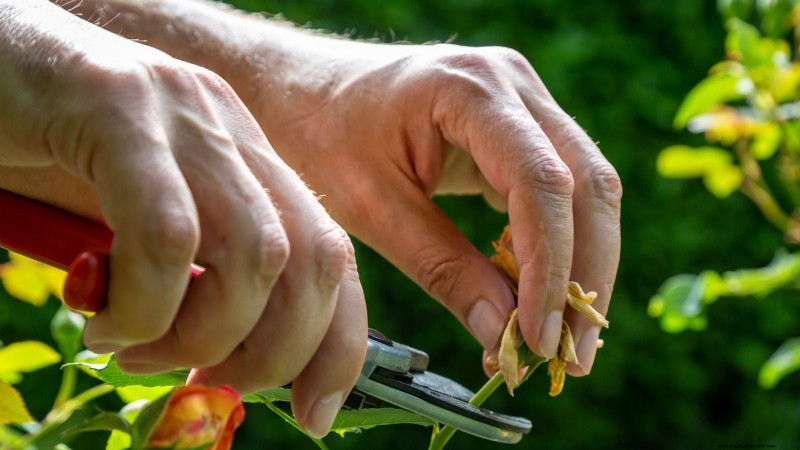
Deadhead spent blooms at the base to encourage a second flush. Remove any damaged leaves or flowers promptly. The plant requires minimal pruning; regular removal of weak stems keeps the rosette compact.
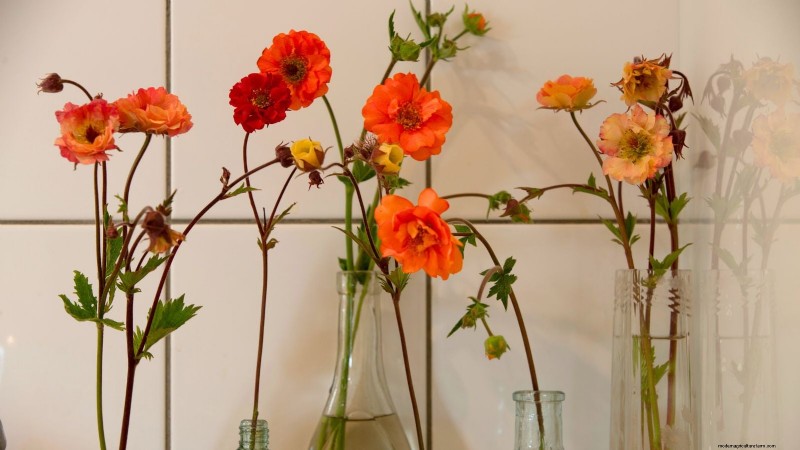
While commercial growers use cuttings, most home gardeners prefer division. In spring or fall, carefully dig up the rosette, separate individual crowns, and replant them 12–18 inches apart. Pots of 3–5 inches can accommodate new divisions until they establish.
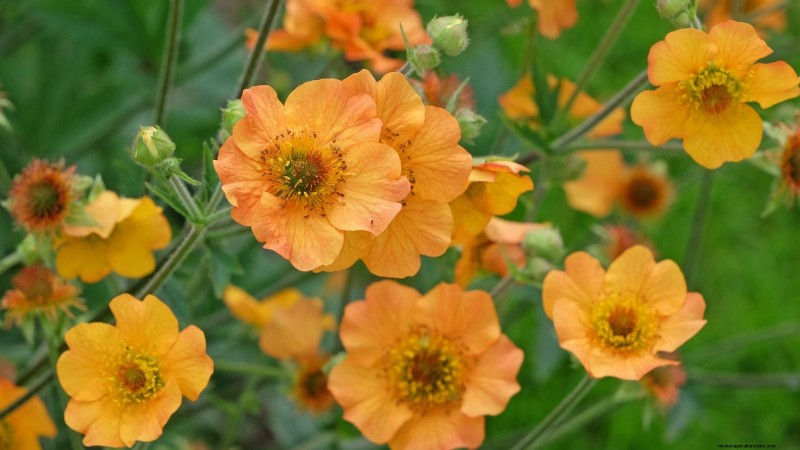
‘Totally Tangerine’ is largely pest‑free. Sawfly larvae occasionally appear on leaves; hand‑pick them when noticed. The plant’s sterile nature and robust growth habit reduce susceptibility to disease.
Q: Can it be propagated from seed? A: No. The cultivar is sterile; use cuttings or division instead.
Q: What is its maximum size? A: Up to 3 ft tall and 2 ft wide.
Q: When does it bloom? A: From early spring until the first frost.
Q: Is it evergreen? A: Semi‑evergreen to evergreen, depending on climate.
Q: Does it return year after year? A: Yes, in zones 5–9 it is perennial; outside this range it behaves as an annual.


