
Welcome to Modern Agriculture!

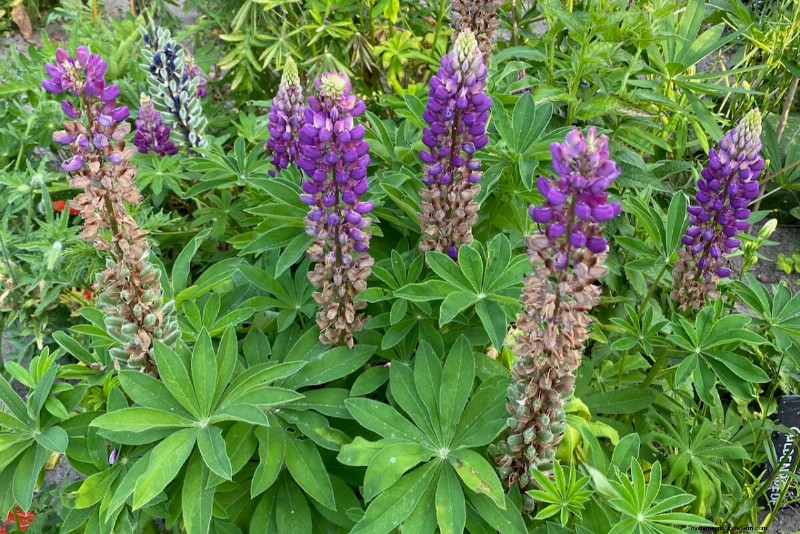
As a seasoned horticulturist with over 15 years of experience growing ornamental lupines, I understand the thrill of watching these tall, colorful perennials unfurl. Once the bright blossoms fade, a careful post‑bloom routine can set the stage for a lush display next year.
Below is a step‑by‑step plan that blends proven horticultural practices with hands‑on simplicity—ideal for both seasoned gardeners and newcomers alike.
Removing spent flowerheads—trimming just above the first set of healthy leaves—can encourage the plant to redirect energy toward new blooms. While a second flush isn’t guaranteed, older, well‑watered plants have a higher chance of reblooming.
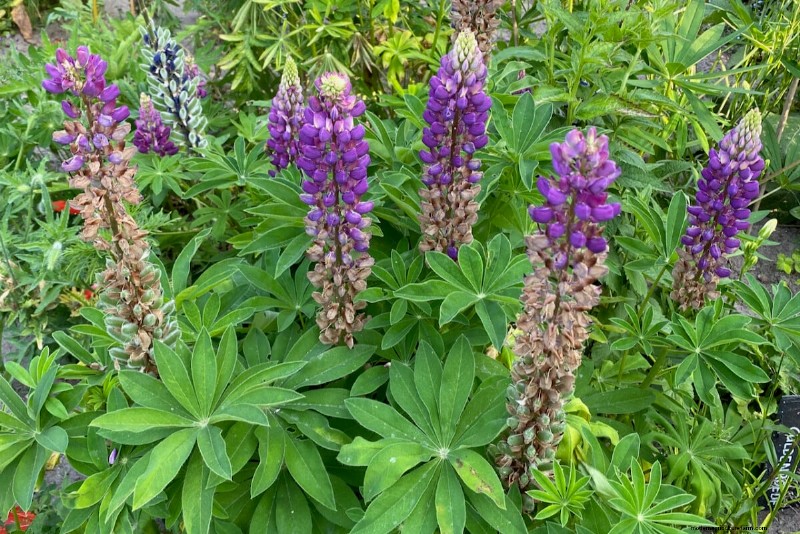
Notice that the post‑bloom heads often produce a smaller but still striking second set of flowers. This subtle difference can add visual interest to your garden’s timeline.
As lupines are prolific seed producers, selecting a few robust seed pods and allowing them to dry on the plant is an easy way to preserve genetic diversity. Harvest when pods turn a yellow‑ish hue but are not yet brittle.
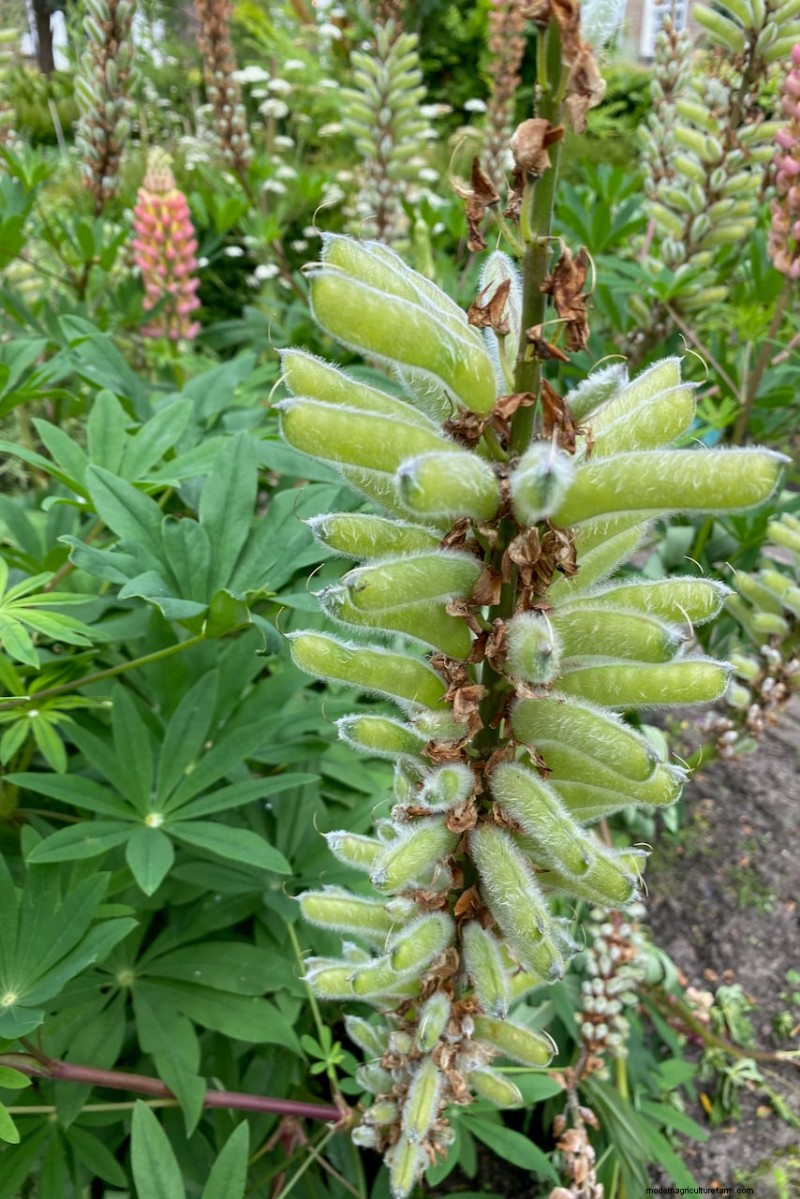
Method: Cut entire seedheads, place in a paper bag, shake to release seeds, and store in a cool, dry place. For hybrid varieties, remember that seedlings may display varied traits—a delightful surprise in any landscape.
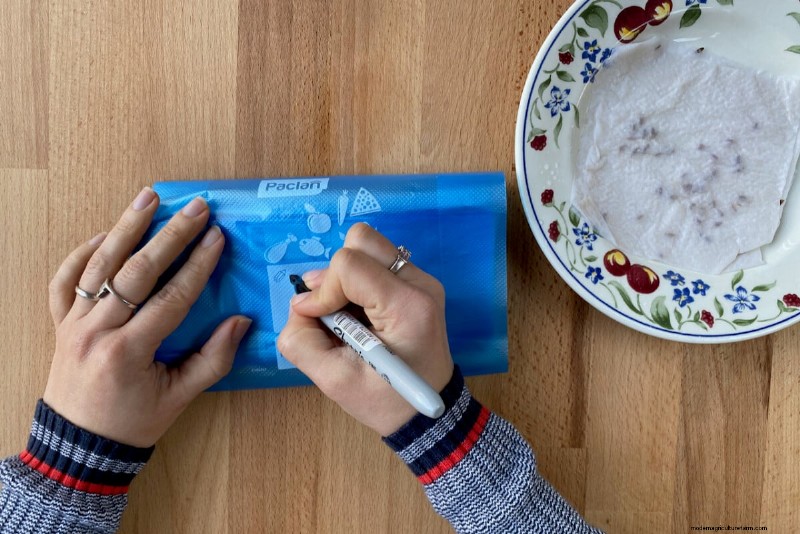
Before planting, cool‑store seeds for 30–60 days to break dormancy—a practice endorsed by the Royal Horticultural Society. Mark your calendar for February planting to maximize germination rates.
Lupines, whether biennial or short‑lived perennial, naturally self‑seed. Allowing seedheads to open and drop seed over the lawn can create spontaneous clusters in spring. Most seeds survive winter dormancy, but late frosts may kill some seedlings.
For transplant‑sensitive seedlings, consider early spring relocation or thin the crop to reduce competition.
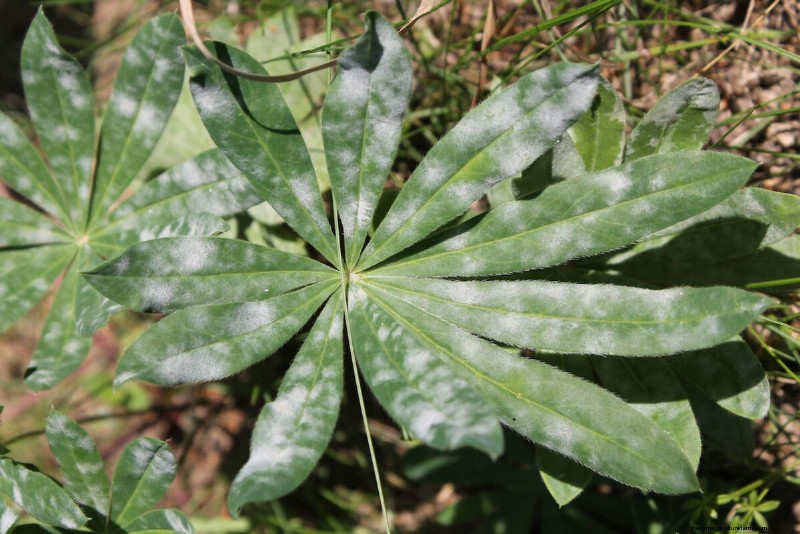
Inspect for white powdery mildew—a common issue in humid, low‑sun conditions. Remove affected leaves promptly and discard them to prevent spread. Healthy foliage remains until it naturally yellow and dies back.
Even though lupines are drought tolerant once established, consistent watering during dry spells, especially in hot, partially shaded sites, supports root health and seedling vigor for the next season.
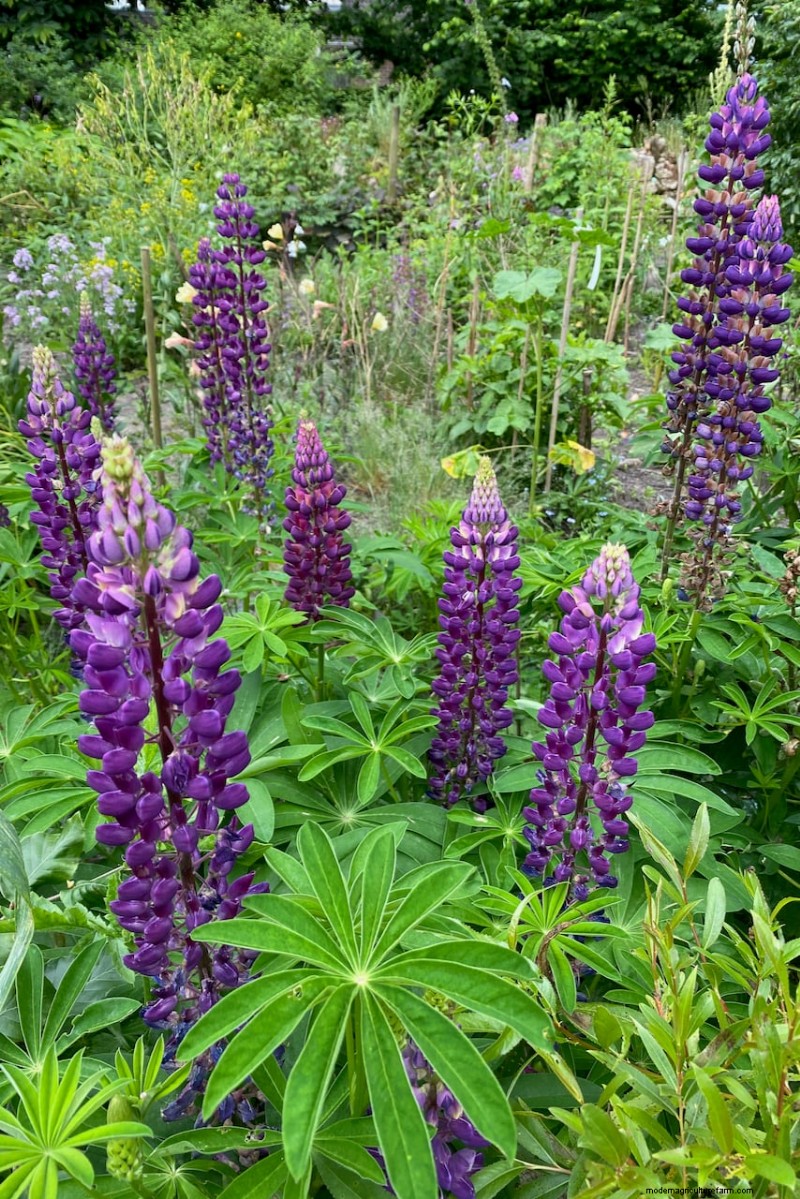
After the flowering period, spread a 2–3 inch layer of compost or organic mulch around the base. This moderates soil temperature, retains moisture, and slowly releases nutrients throughout summer and fall—preparing roots for winter dormancy.
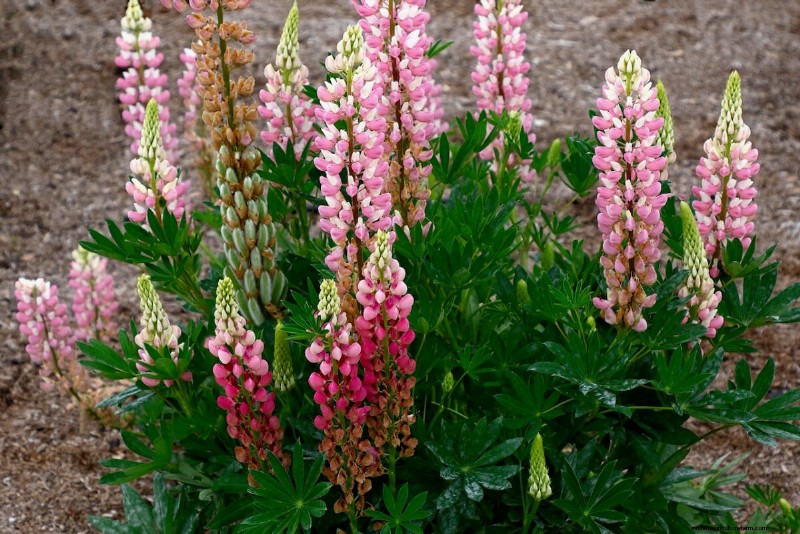
Note: Avoid high‑phosphate synthetic fertilizers; lupines fix atmospheric nitrogen and thrive on minimal inputs.

Become part of a community of 50,000+ gardeners who receive expert tutorials, seasonal tasks, and timely tips straight to their inbox.


