
Welcome to Modern Agriculture!

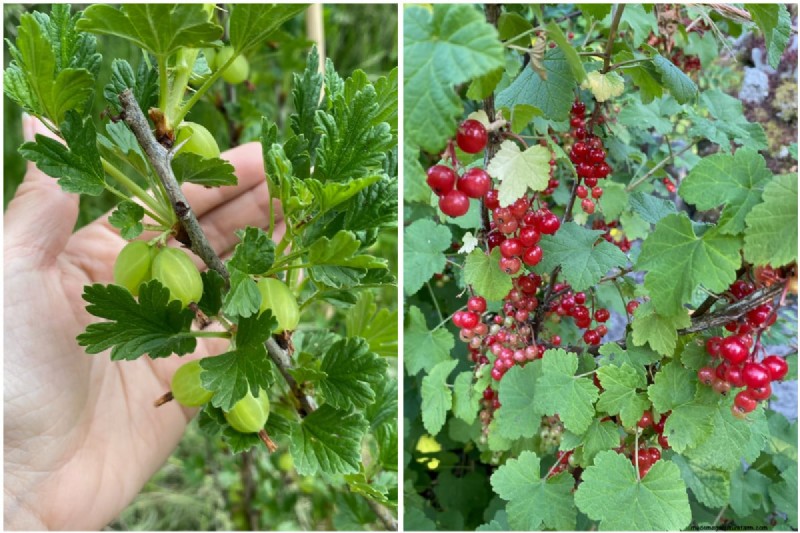
When choosing a hedge, I look for plants that offer multiple benefits: fresh food, pollinator support, visual appeal, shade, and privacy. This guide lists eight shrubs that meet those criteria while producing edible fruit.
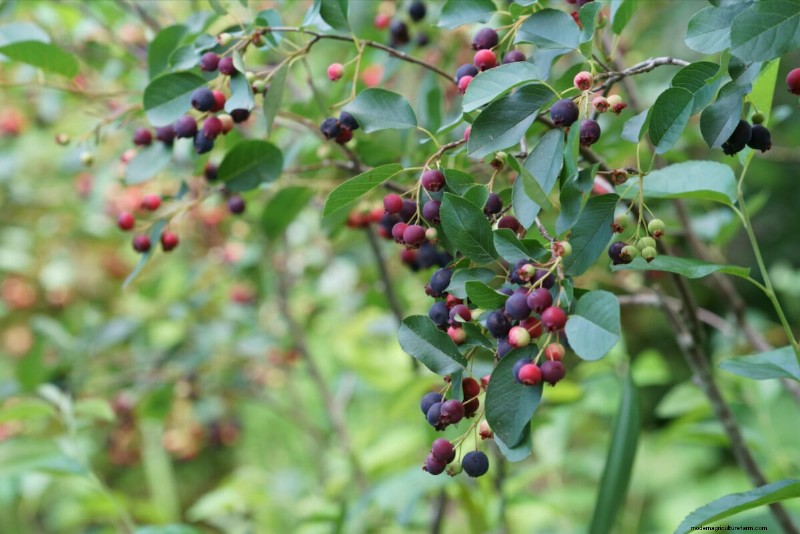
Serviceberry, also known as Saskatoon or Juneberry, is a hardy native shrub that yields sweet, nutrient‑rich berries from late June to August. The fruit grows in clusters and is easy to harvest. Mature cultivars such as ‘Great Berry’ stay under ten feet tall, making them ideal for a tall, compact hedge. Serviceberry tolerates cold, wind, and a wide range of soils—preferably well‑drained and non‑calcareous. With adequate winter water, it adapts well to dry, hot summers.
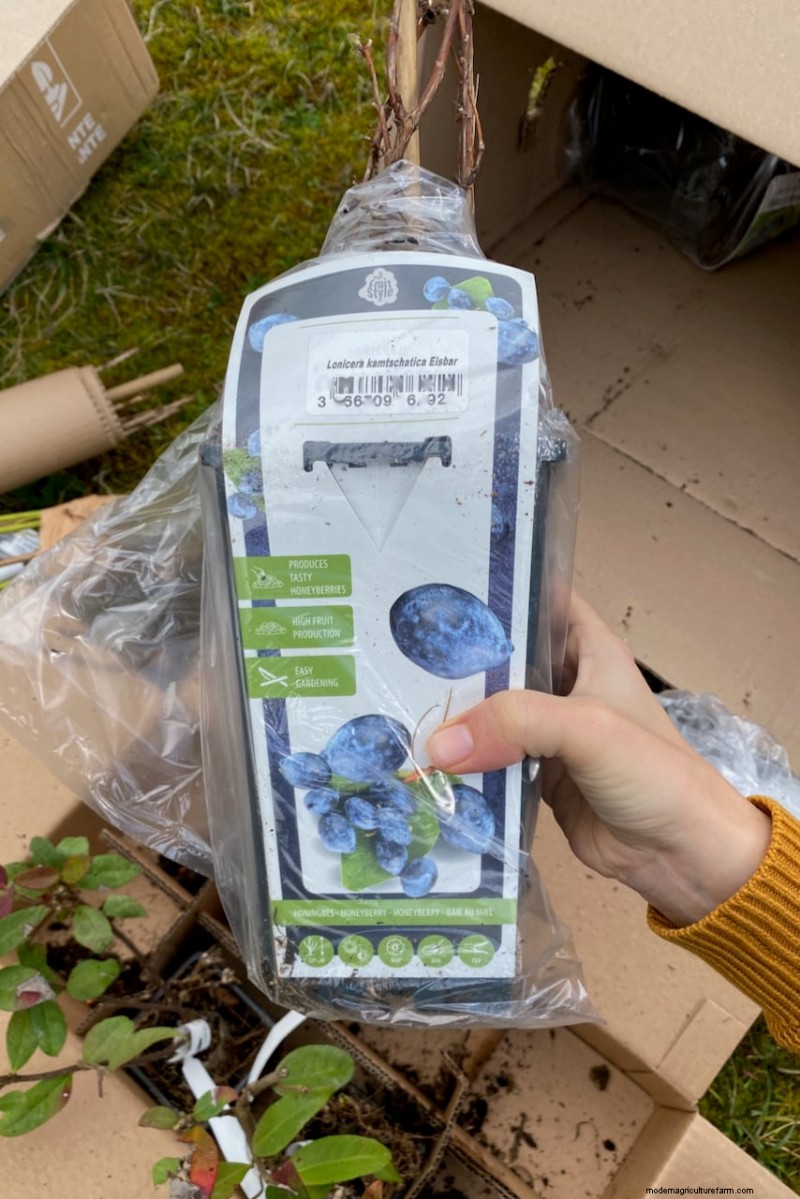
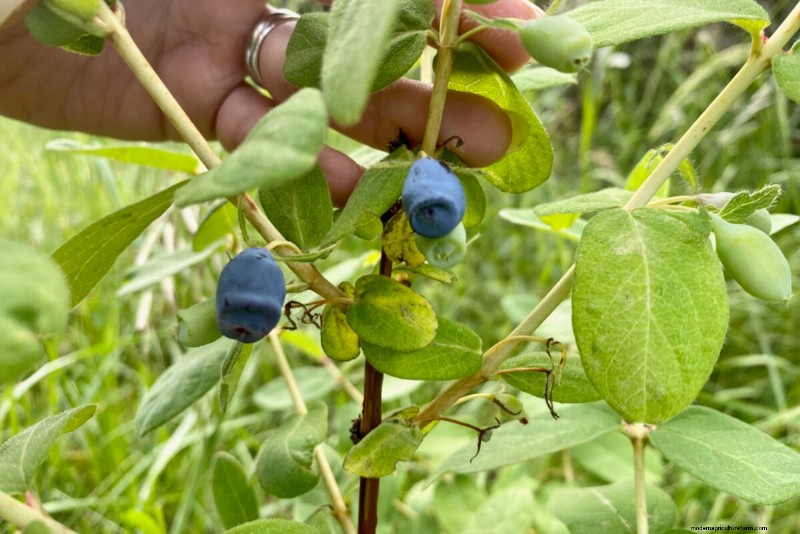
Honeyberry is a reliable alternative to blueberries, especially when soil conditions are less than ideal. Planting in February already yielded fruit by May in my garden, demonstrating its quick return. The shrub produces creamy white, fragrant flowers in spring that turn into vitamin‑rich berries by early summer. Honeyberries are hardy to -40 °F and grow 4–5 feet tall, making them suitable for a lower hedge or beside an existing fence.
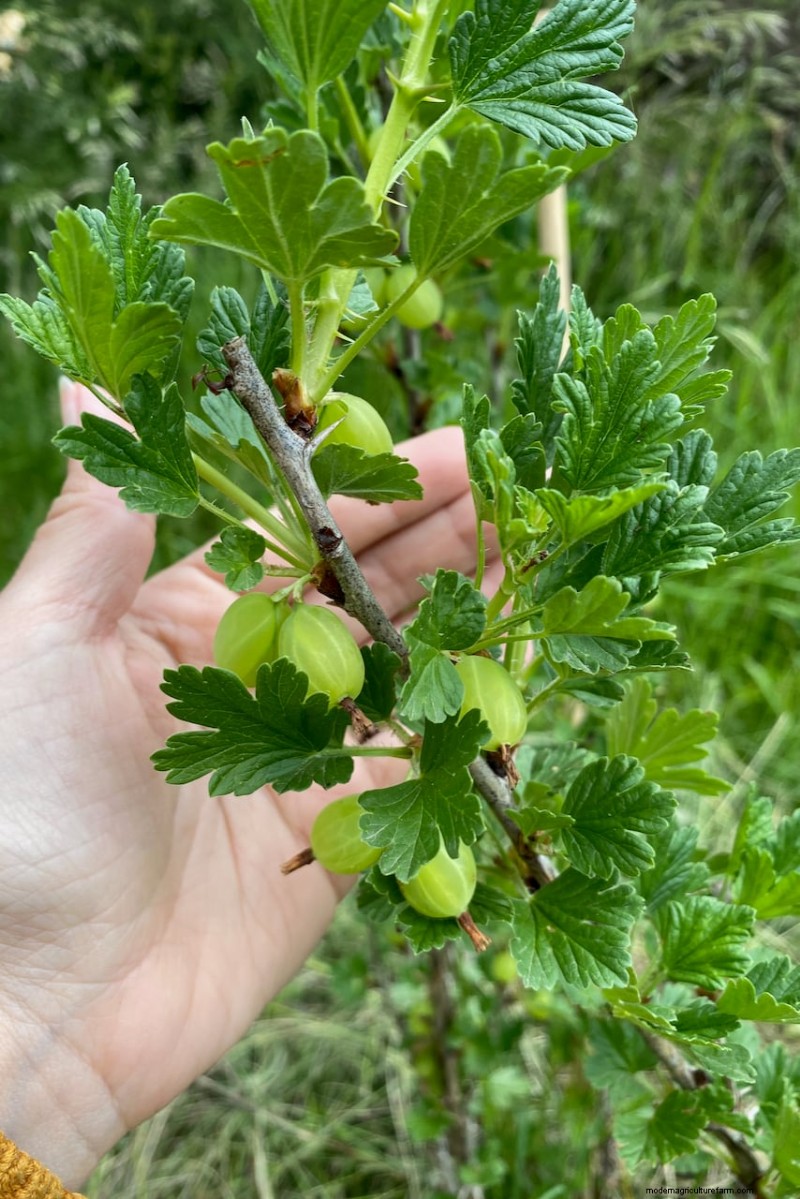
Gooseberries form an impenetrable thorny hedge that is both practical and tasty. While the berries can be tart, modern cultivars such as ‘Darling’ and ‘Hinnonmaki’ offer higher sugar content and sweeter fruit. Harvest typically occurs in July and August. These shrubs thrive in full sun to part shade but avoid prolonged hot afternoons. They require about forty days of winter chill and benefit from a thick mulch layer to retain soil moisture.
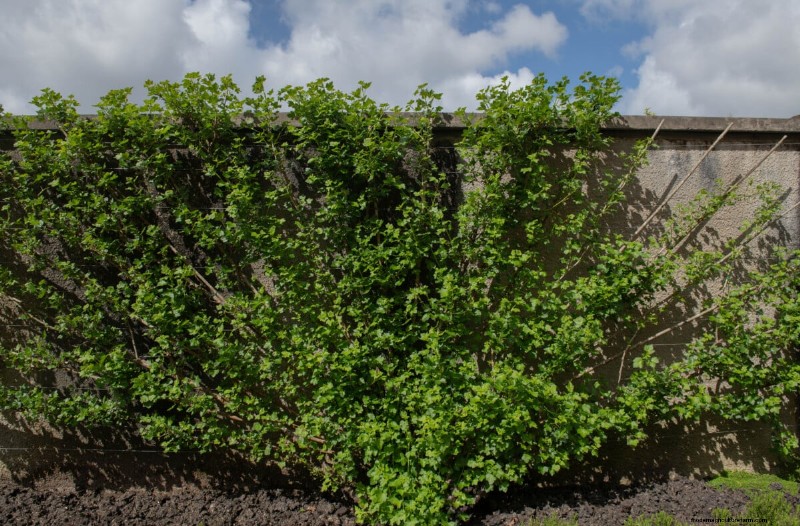
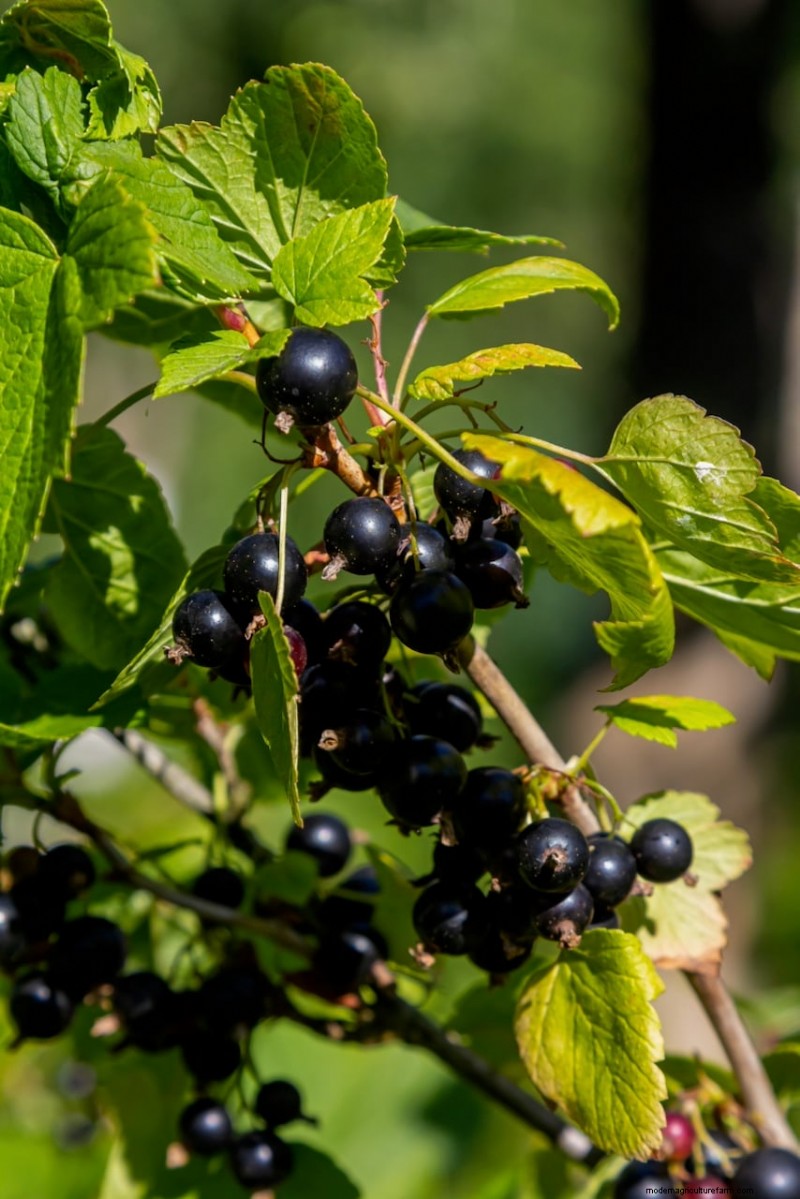
Blackcurrants produce dark, juicy berries that ripen in July. They are hardy to -13 °F and flourish in morning sun or partial shade. The plant’s fragrant white flowers give way to tart, edible fruit that can be cooked, jammed, or used in baking. Historically introduced to North America in 1629, blackcurrants have become a staple in many gardens.
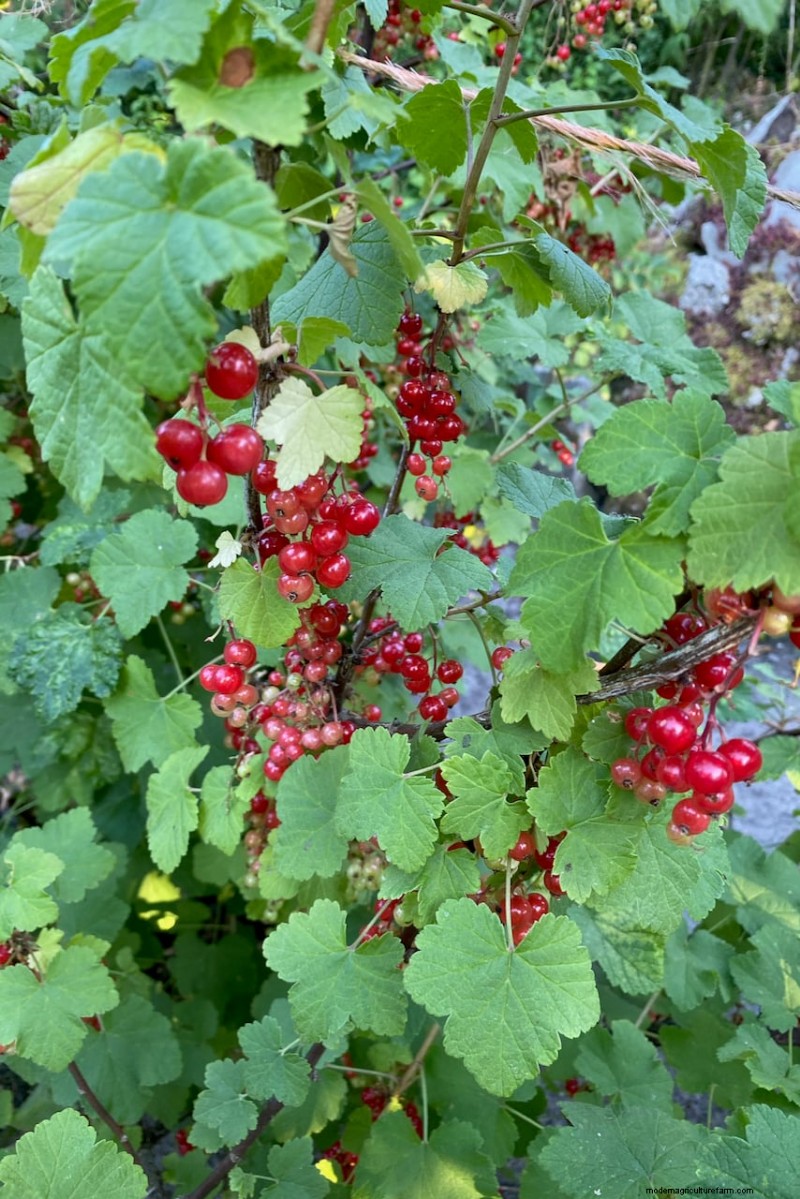
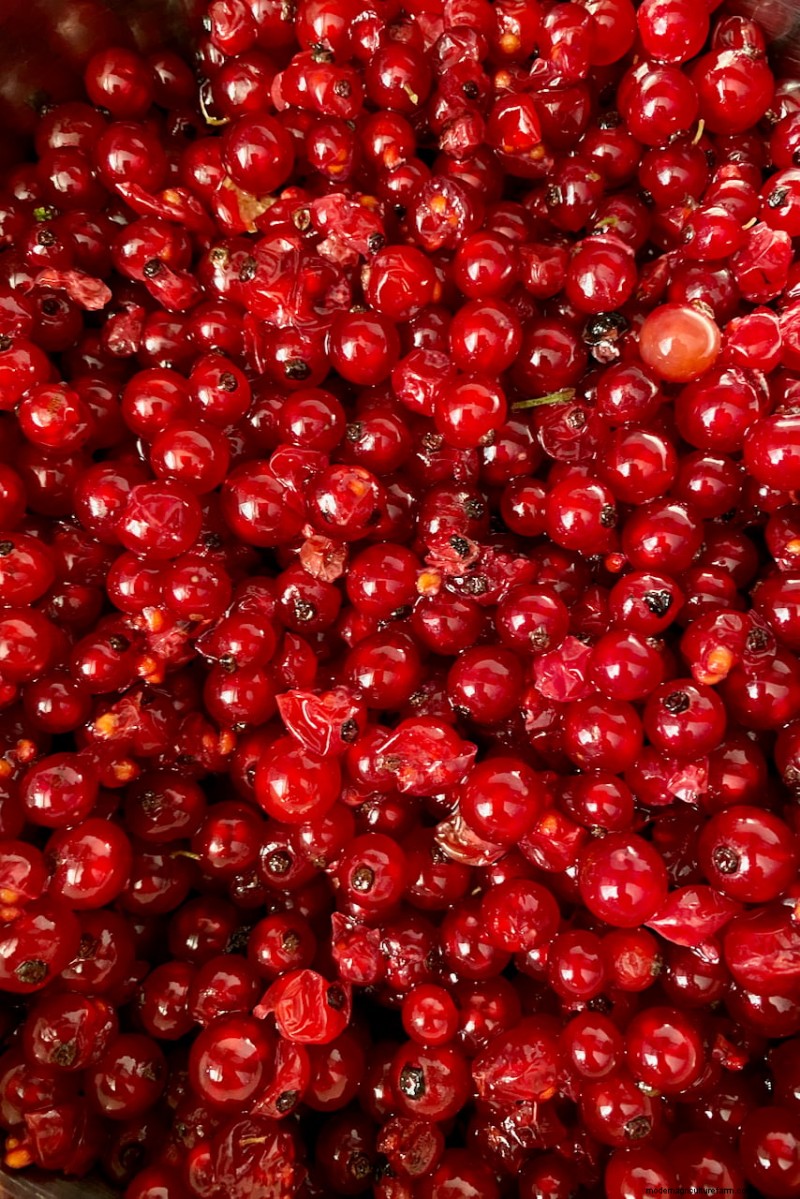
Red currants share many growth habits with black currants but produce fruit on older canes and tend to be more tart. They also mature in July. Their yellow flowers contrast with the white blooms of black currants. Choosing a mix of currants can provide a broader flavor profile and extended harvest period.
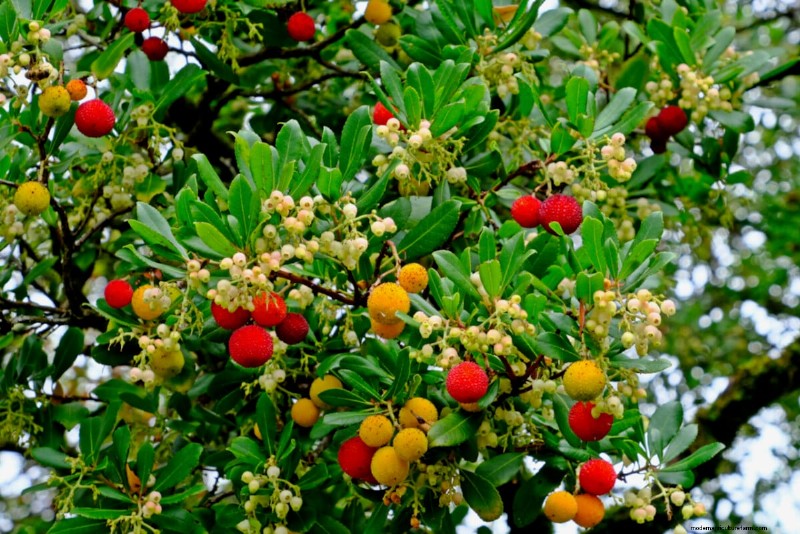
For hot, Mediterranean‑style climates, the evergreen strawberry tree is an excellent choice. It tolerates heat, drought, and frost, and can be pruned into a small tree or tall shrub. Fruit ripens over a year, so you’ll see both current flowers and previous‑year berries on the plant simultaneously. Though not a true strawberry, the fruit is sweet, high in antioxidants, and suitable for fresh eating, cooking, or spirit flavoring.
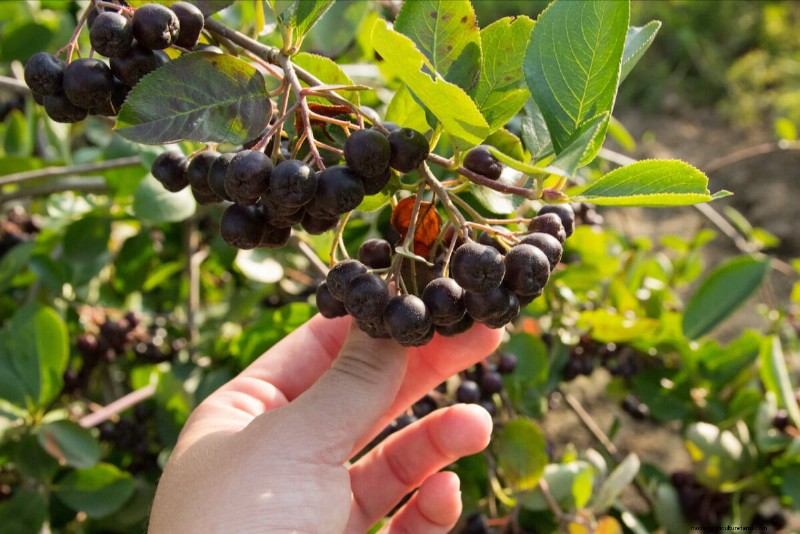
Despite its name, chokeberry is a beautiful, disease‑resistant shrub with deep green foliage that turns reddish‑purple in fall. Its berries—black, red, or purple depending on the species—are larger and fleshier than blackcurrants. Growing up to seven feet tall, chokeberry provides a substantial privacy hedge and thrives in part shade or sun with moist, well‑drained soil.
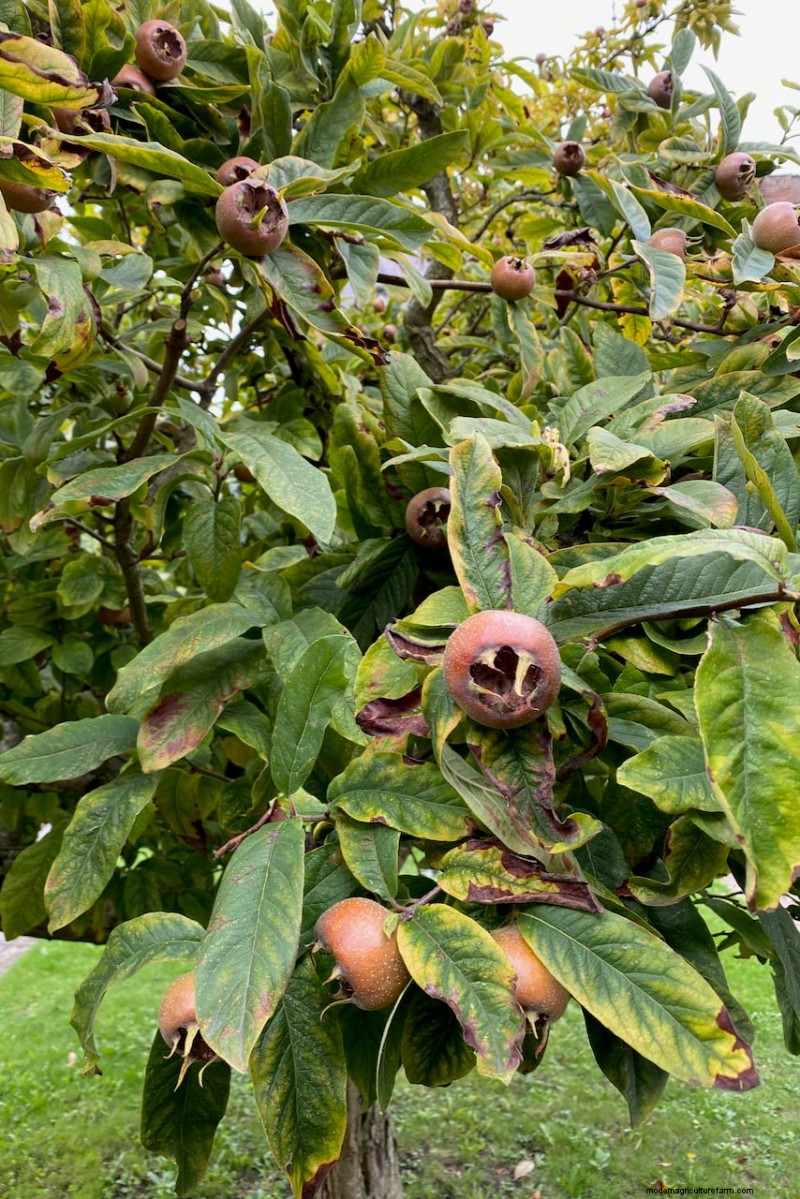
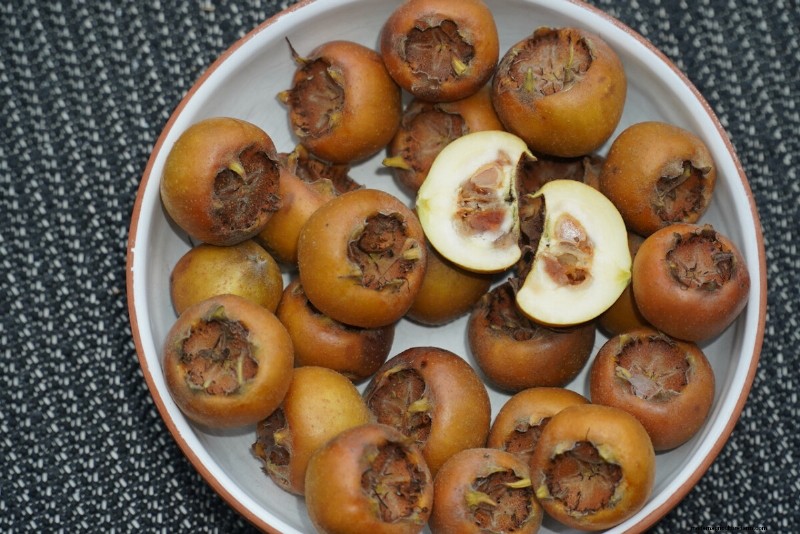
Medlar, a 3,000‑year‑old heirloom, offers a unique culinary experience. The fruit is acidic when ripe and must undergo a process called bletting—usually after the first frost—to become edible. Once bletted, the fruit resembles a sweet, buttery apple sauce. Medlar trees reach about six to eight feet tall and can be trained as shrubs or small trees.
Choosing a mixed hedge that combines several of these species will deliver fruit for much of the year while creating a natural, edible privacy screen.
Join over 50,000 gardeners who receive gardening tutorials, tips, and tasks directly to their inbox.


