
Welcome to Modern Agriculture!

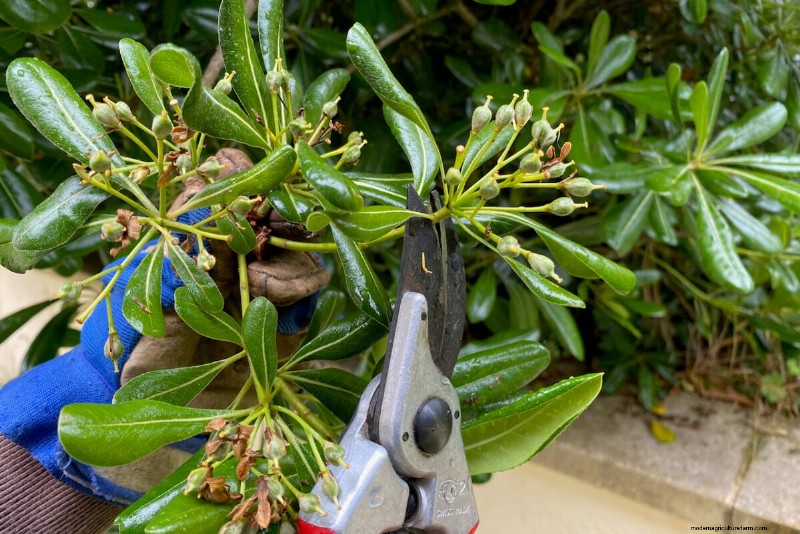
In horticulture, pruning is guided by purpose, not by season. The goal is to shape, rejuvenate, and protect plants while respecting their natural growth cycles. Late spring is a critical window for many flowering shrubs that were left untouched in the fall or early spring, because that’s when their next‑year buds are still forming.
During fall pruning we often avoid touch‑ing these shrubs because they have already set their buds for the coming year. Earlier in spring, some are in full bloom and others are budding, making timing tricky. By late spring, the blooms have faded, the leaves are fully expanded, and the plant is ready for a clean cut that won’t interfere with new bud development.
Below is a concise guide for nine popular ornamental shrubs. Each section explains why late‑spring pruning is ideal, what to prune, and how to do it safely.
Forsythia, known for its bright early‑spring blooms, typically flowers from late February through early April in temperate zones. While it may appear unremarkable after flowering, its green foliage and form still deserve attention. Late spring, when the plant has fully leafed out but hasn’t yet produced next‑year’s buds, is the best time to trim.
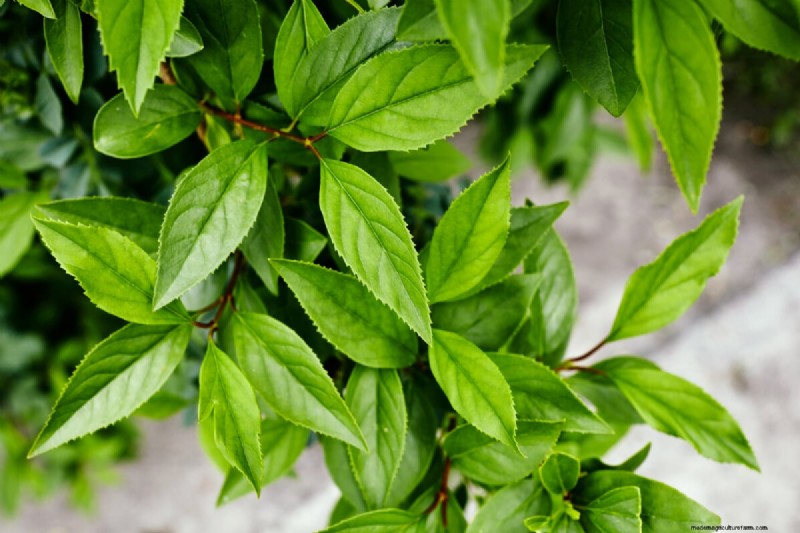
Trim no more than 25% of the shrub’s height to avoid shocking this slow‑growing species. Shape into a bowl‑shaped or rounded form by cutting outward branches first, then tapering the top.
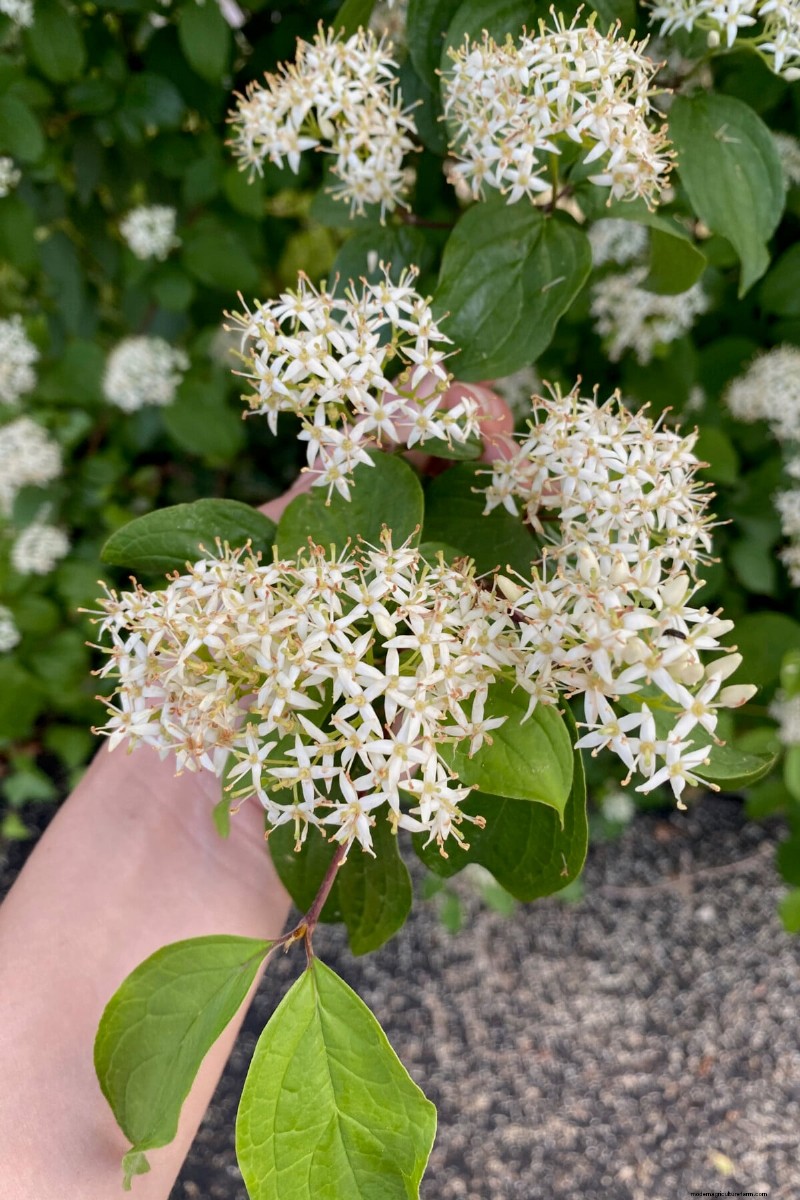
Popular for its winter‑colorful stems, Siberian dogwood benefits from a late‑spring prune that encourages fresh, colorful growth. The timing allows the plant to set new shoots before the next growing season.
Options include:
Start small and observe the response before committing to full coppicing.
Viburnum tinus blooms from November to March. By late spring the flowers are gone and the plant is ready for maintenance. Deadheading seed pods encourages energy to focus on new growth.
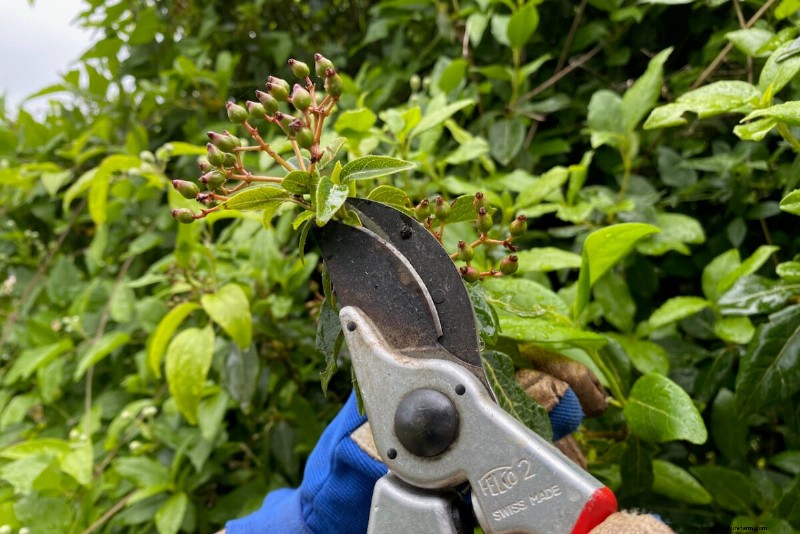
For a tidy shape, prune just enough to remove overgrown or dead branches. Evergreen viburnum can handle a bit more aggressive pruning if necessary.
Whether shrub or tree, magnolias are slow‑growers. Pruning after the bloom period but before bud formation allows the plant to redirect resources to fresh growth while avoiding sucker proliferation.
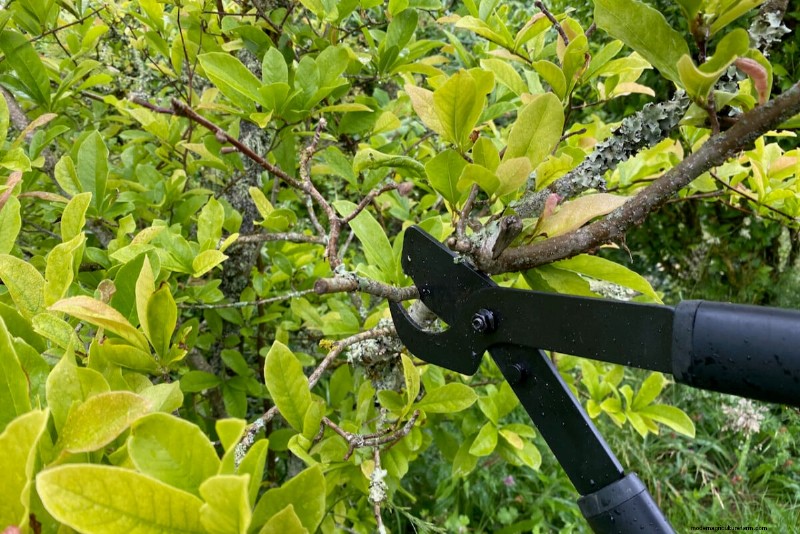
Remove dead or diseased branches; avoid heavy pruning that could trigger excessive sucker growth.
Rhododendrons finish blooming in early May, making this the ideal moment for deadheading to prevent seed formation, which would sap energy from new growth.
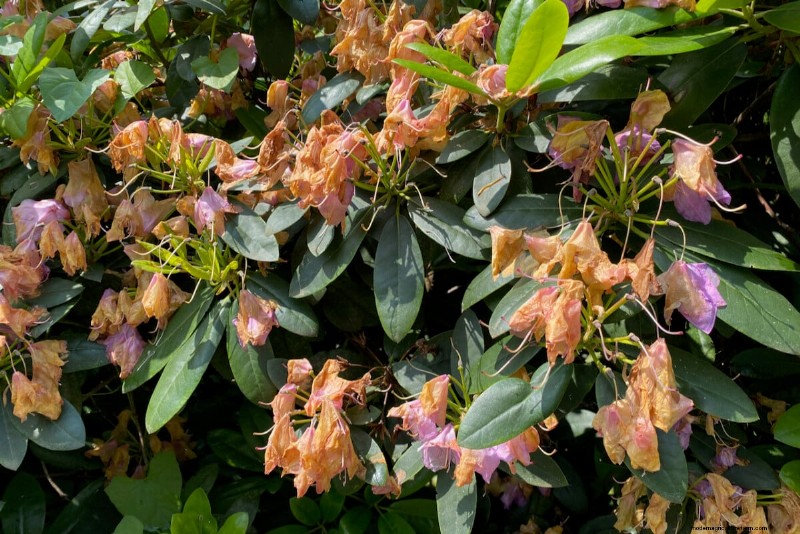
Identify the end of each flower cluster (truss) and snap or cut just above the ring where it meets the stem. For larger reshaping, gradually rejuvenate over two to three years.
Camellias are evergreen and begin forming next‑year buds in summer. Prune before bud break to shape and keep the plant compact.
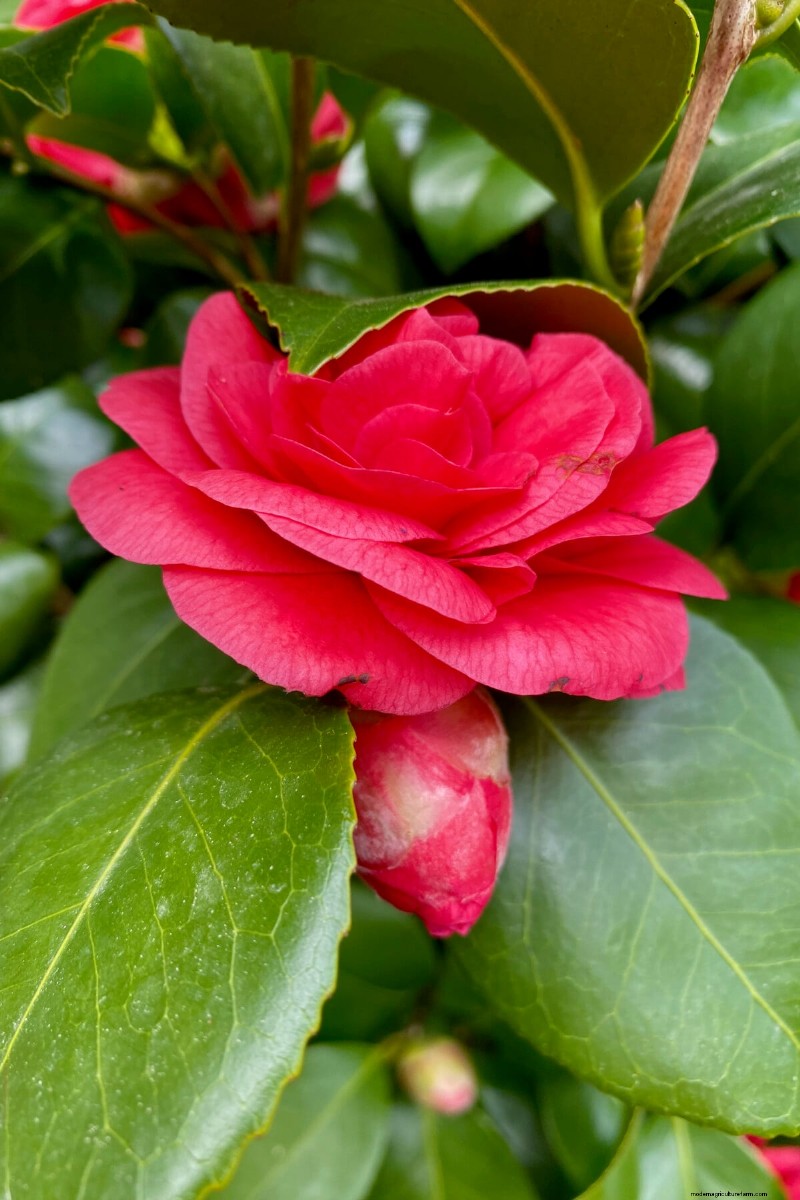
Trim the top growth of a shrub‑shaped camellia or prune lower branches of a tree‑shaped cultivar to encourage upward growth.
After the fragrant blooms have faded, pruning is optional but beneficial if the shrub has outgrown its space or needs rejuvenation. Avoid cutting more than a quarter of the oldest branches at a time, repeating over three years to lower the flowering canopy.
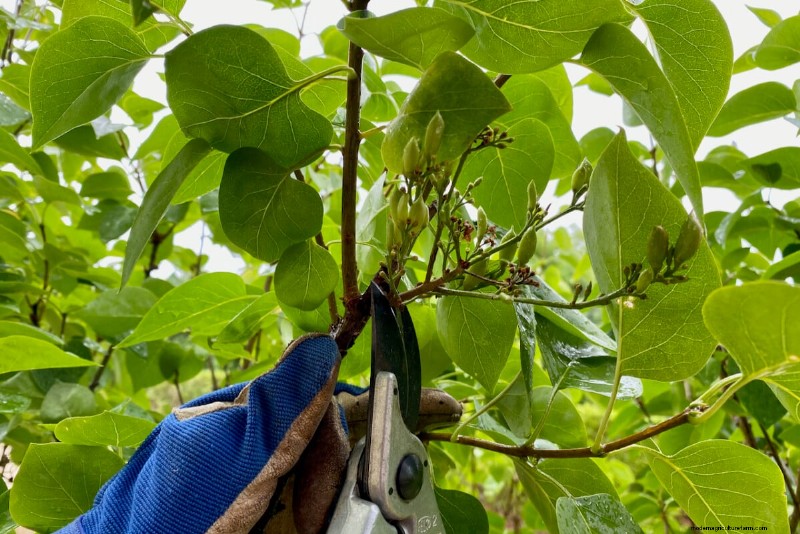
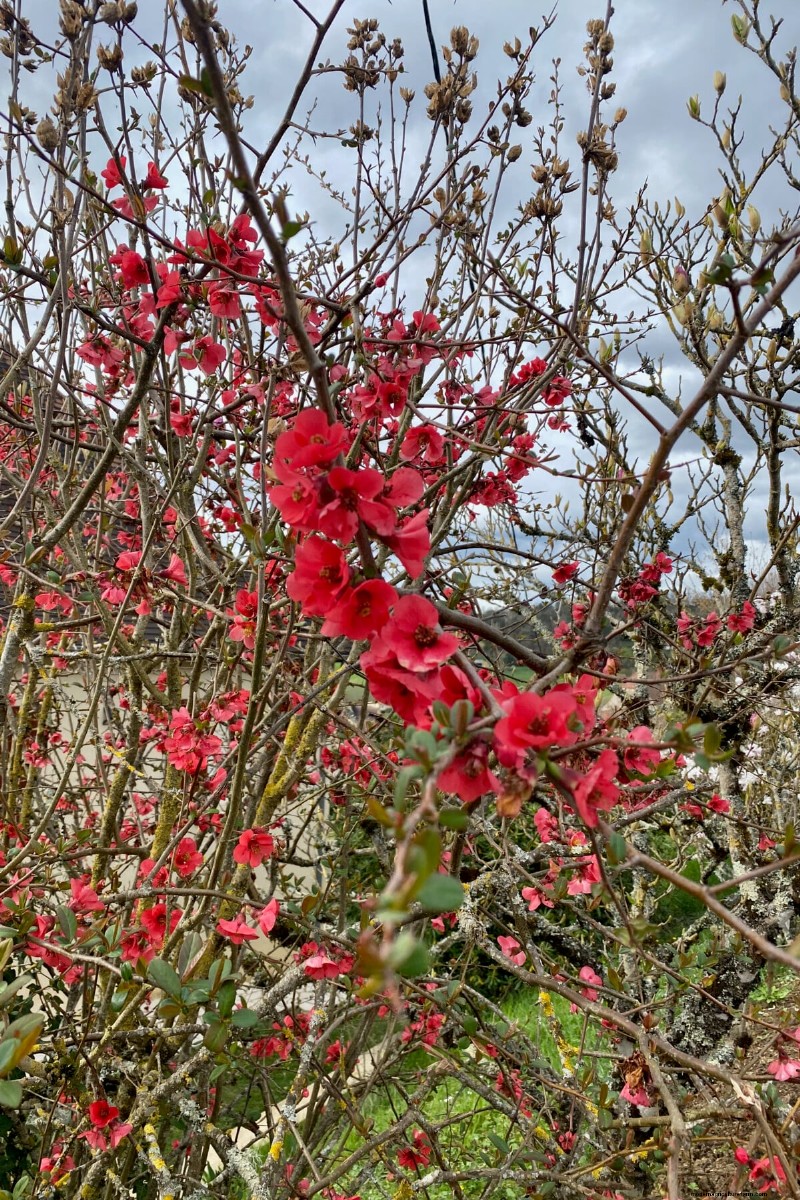
Flowering quince is a rose family member with edible fruit. If you wish to keep the fruit, postpone pruning until after harvest in late summer or early fall. For a moderate trim, remove older branches in late spring to make room for fresh growth.
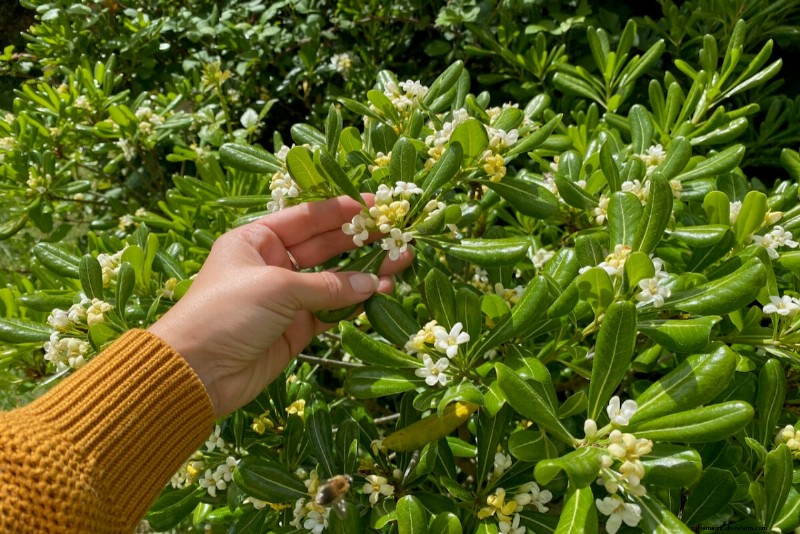
Mock orange’s fragrant blooms turn into seed pods by mid‑May. Deadheading the seed heads prevents the plant from diverting energy to seed production. For younger shrubs, prune to a healthy bud to keep the plant tidy. Mature shrubs can be rejuvenated over three years, taking care to avoid bird nests.
--- Join the Rural Sprout newsletter to receive expert gardening guidance and seasonal tips directly to your inbox.


