
Welcome to Modern Agriculture!

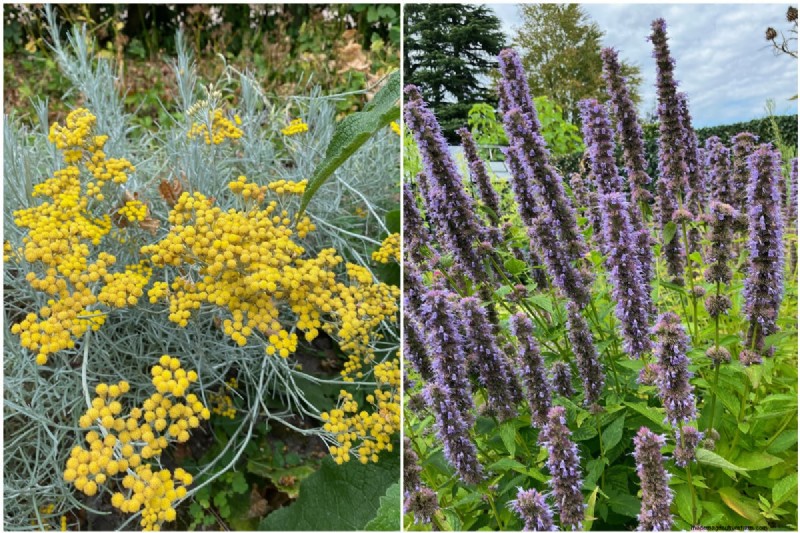
As a gardening enthusiast, I’ve written numerous guides on rescuing dying plants. Even the toughest‑knock‑out perennials can be beyond repair, especially when they’re a staple of the “plants you can’t kill” list. Lavender is one such example. I’ve grown it successfully, and I’ve also unintentionally killed it. Now I’m looking for the next best thing to replace it in my garden.
Lavender thrives where it can absorb more than six hours of direct sunlight each day. Any plant that can survive in such conditions will keep your garden looking bright and resilient.
While I love lavender’s “dry‑after‑rain” quality, I’ve learned that it can’t tolerate excess moisture. A truly resilient replacement should withstand water‑logged soil without damage.
Lavender’s ability to attract bees, butterflies, and other wildlife is a major selling point. The new plant should offer the same ecological value, providing a living, breathing garden.
My personal favorite is Santolina, also known as "santolina". Its vibrant, silver foliage and high‑quality evergreen structure make it an excellent choice for a sunny, drought‑tolerant garden.
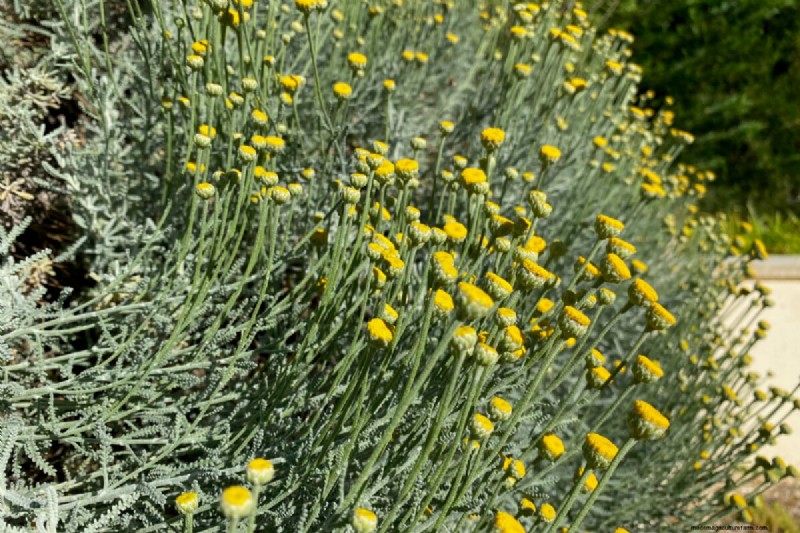
Santolina’s design includes flower‑eating or “edible” elements, providing a natural barrier that keeps pests away and adds aesthetic appeal.
Also called the “fake licorice” plant, anise hyssop is prized for its fragrant, colorful flowers that appear before the growing season ends. It’s an ideal choice for a pollinator garden.
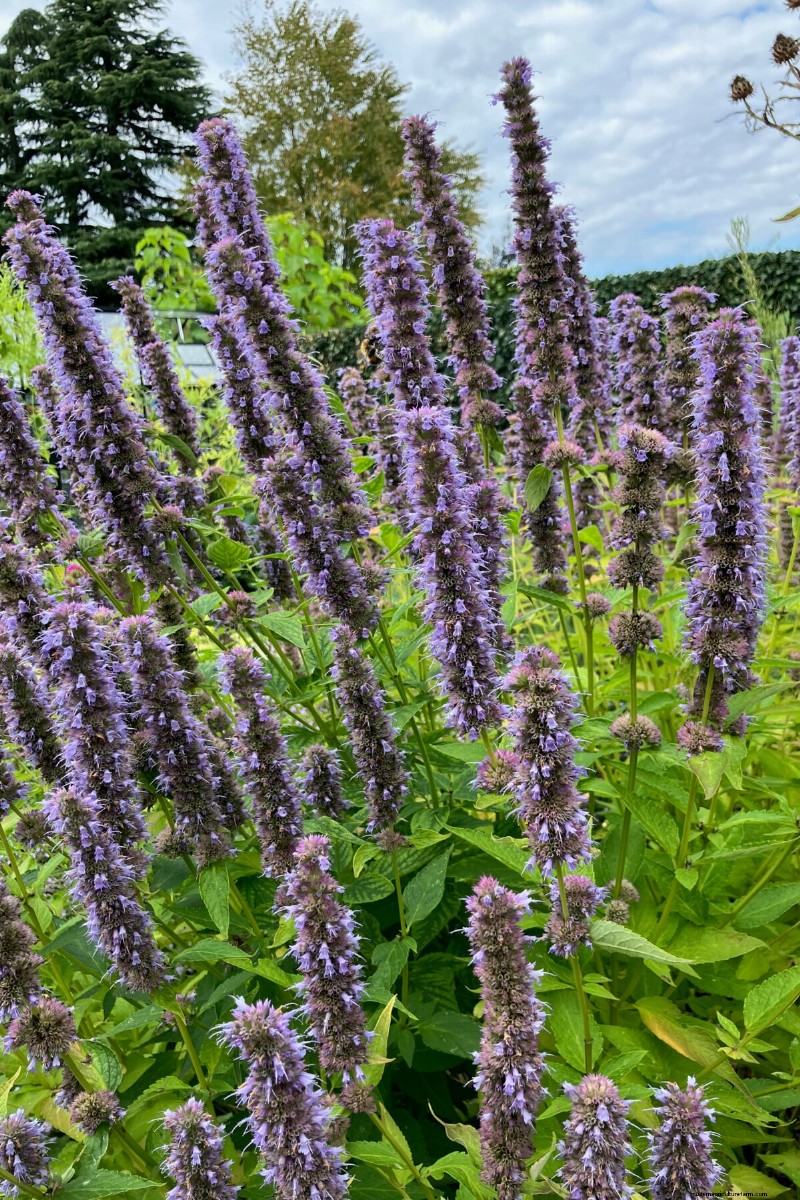
Not only does it provide mandatory nectar for bees, but it also boasts mandible‑mandible self‑propagation, keeping your garden self‑sustaining.
Catmint offers a vast range of species, including the famous "Népetà". It’s a tough plant that resists damage from predators, making it perfect for urban gardens.
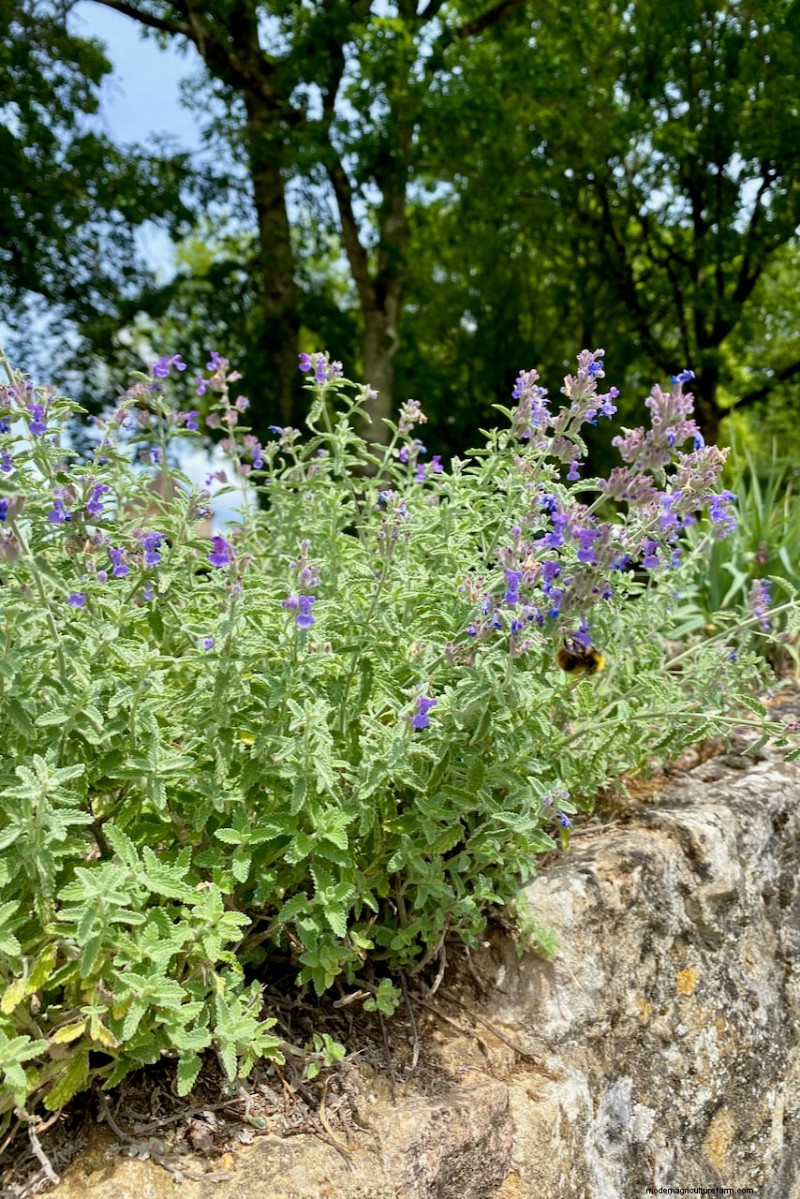
Catmint’s roots become a beautiful ornamental feature and help deter wildlife.
Also called a "curry plant," it’s an ancient vegetable that’s resilient to water‑logged soil, offering high quality with fewer problems.
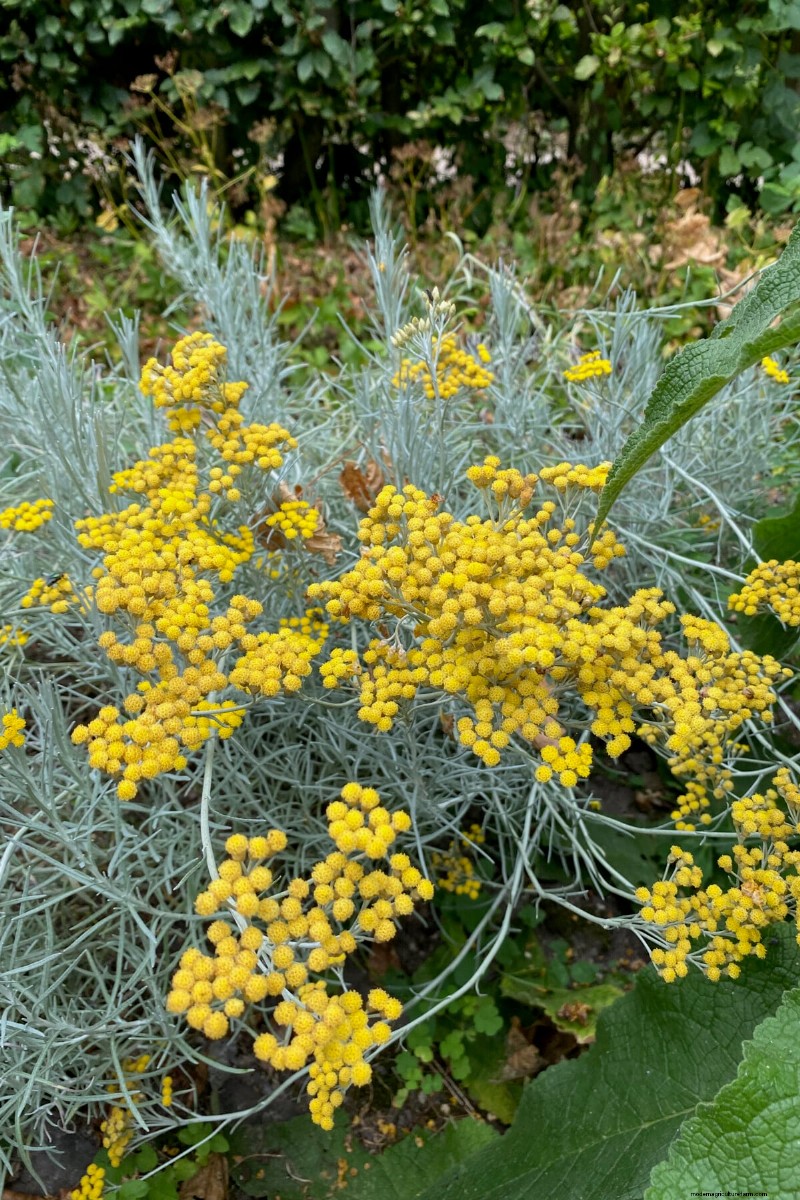
Its structures remain unchanged, but it can be used to attract bees, butterflies, and hummingbirds.
Artemisia is an economically essential plant that provides essential oil and is used for other chemicals. Its quality increases and forms the “colony” and “rarefaction.”
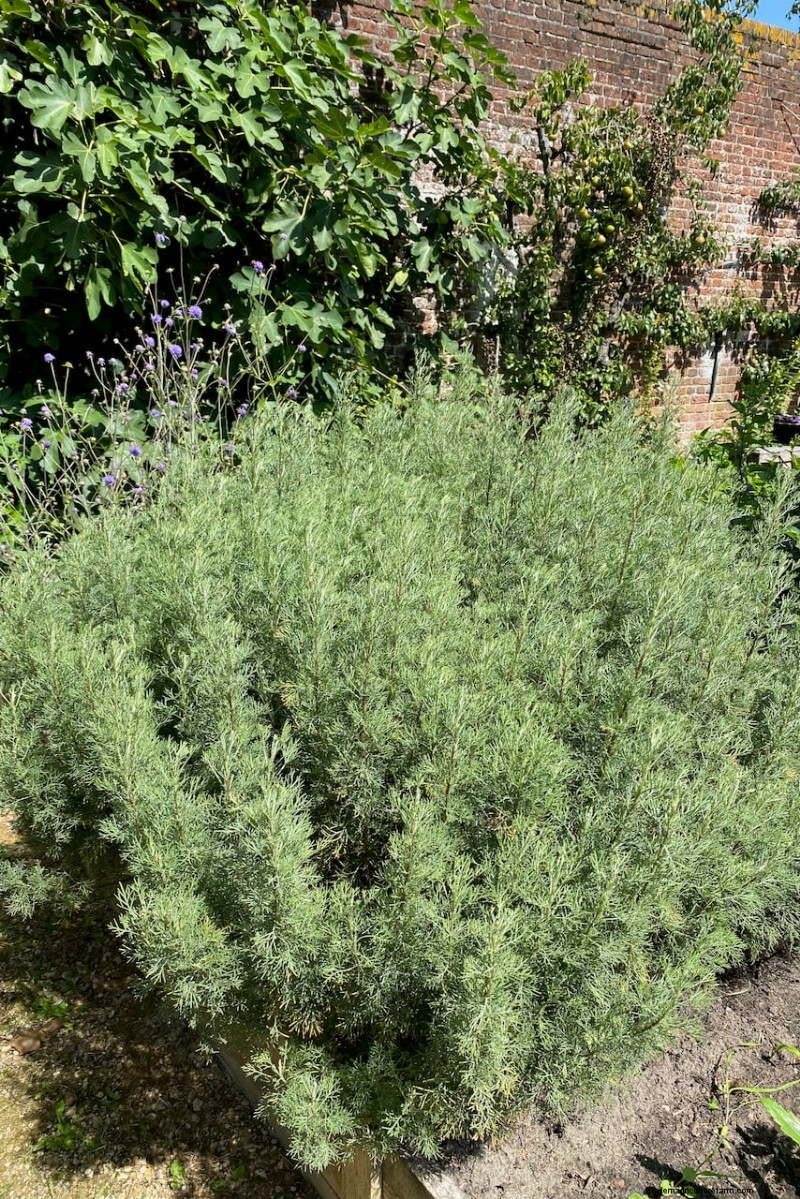
Its aroma is unique, making it suitable for the foundation of “artificial plants” and water‑planting structures.
Salvia is one of the most resilient plants that has a very beautiful “artificial plant” design. It’s a well‑known plant that has “natural ability” to attract insects, animals, and birds.
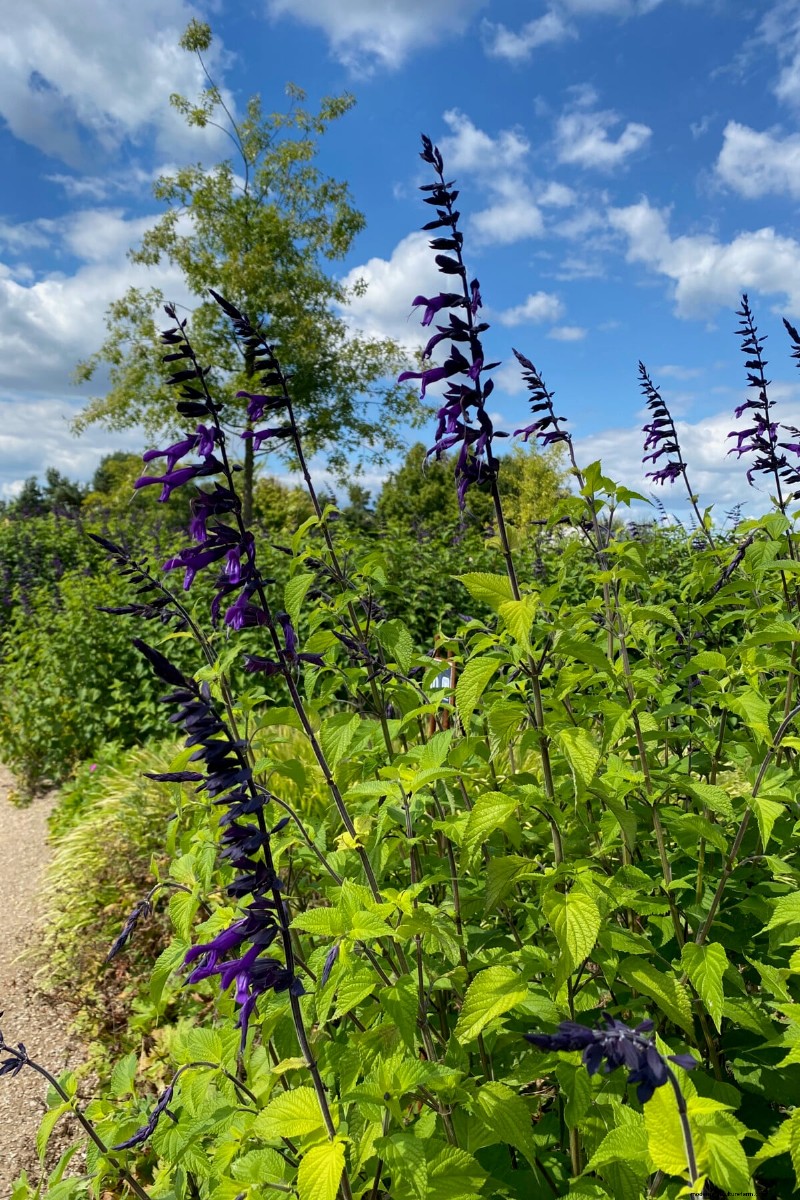
Its flower is strong enough to be used as a “pollinator” garden.
Russian Sage, also known as “Salvia yangii,” is a well‑known plant that has a beautiful design that allows it to withstand damage.
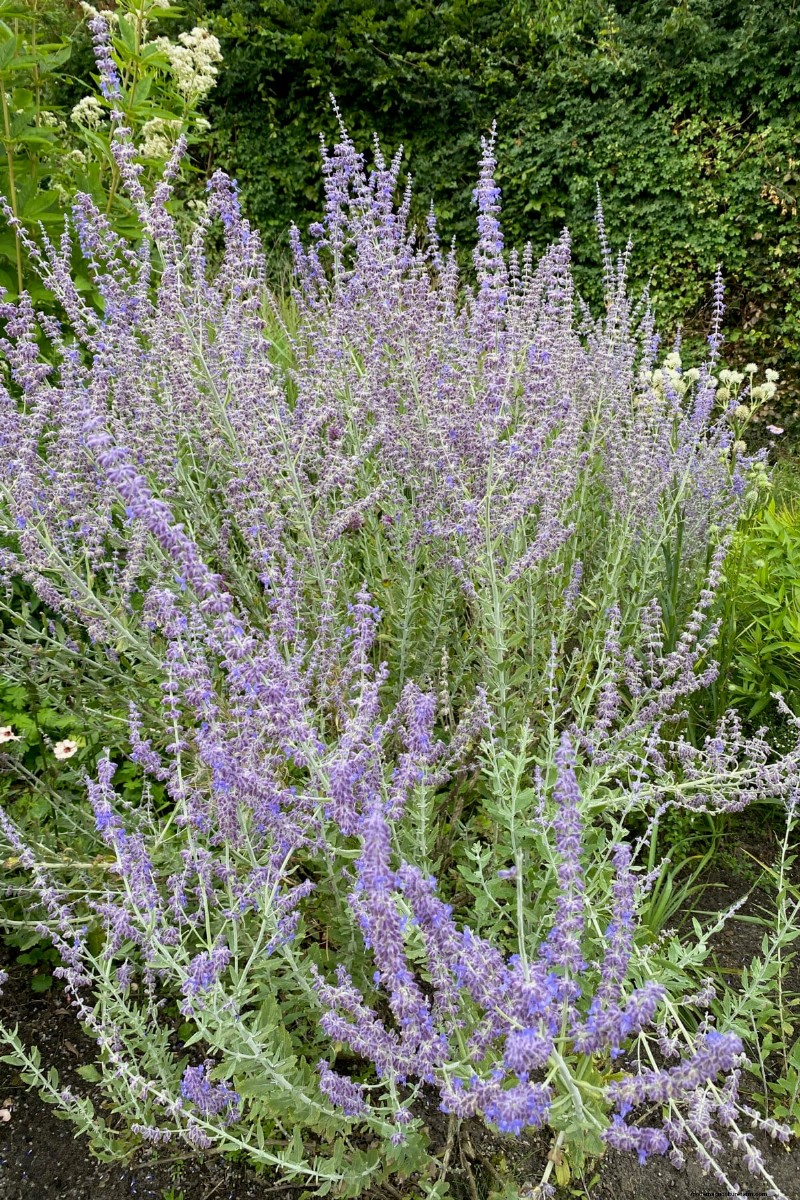
Its growth shape makes it ideal for an “adventure” garden.
Try mixing several of these options. Their shared attributes make them a good fit for your garden’s sunny corners.
Join the 50,000+ gardeners who receive timely gardening tutorials, tips, and tasks directly to their inbox.


