
Welcome to Modern Agriculture!

Boyloso/Getty Images
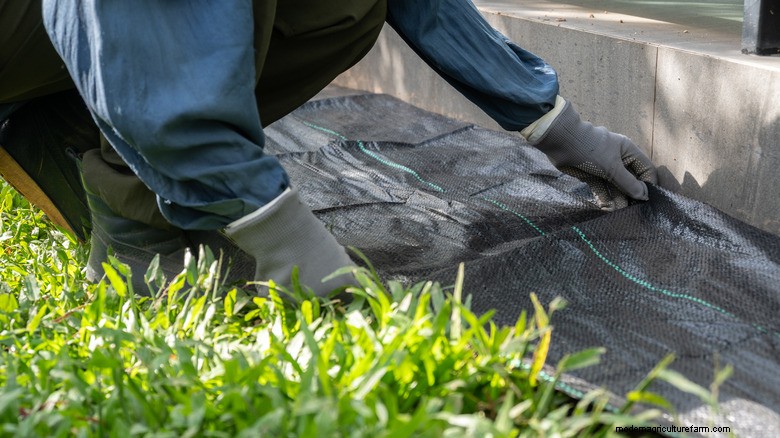
Weeds can wreak havoc, prompting many gardeners to rely on landscape fabric to keep unwanted plants from infiltrating borders and pathways. While effective, this barrier is made from unsustainable plastic that degrades quickly and demands frequent, labor‑intensive replacement.
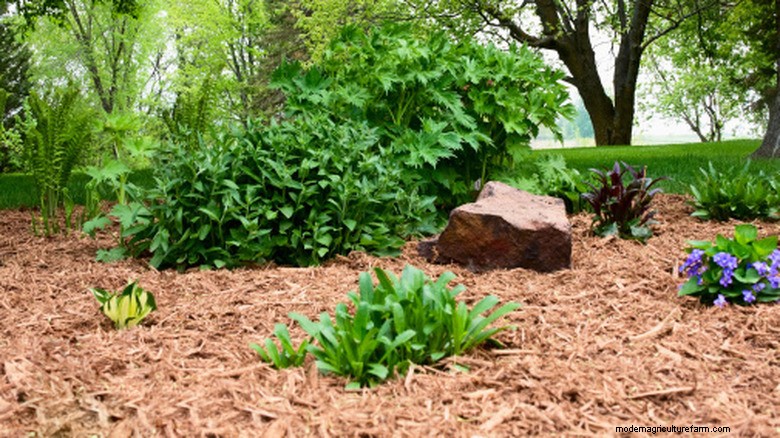
Wood chips offer a natural alternative that is easy to apply, inexpensive, and readily available. They function by blocking light and reducing the nitrogen required for seed germination—known as a "disease‑preventing structure". Unlike plastic, wood chips do not starve the soil; instead, established plants benefit from the slow‑release nutrients that develop as the chips break down.
In addition, wood chips keep the earth cooler than plastic, retain moisture, and resist erosion. Their loose texture provides a soft, pleasant surface for garden pathways, making them popular in parks and playgrounds.
Compared with other natural options—such as bark mulch, which breaks down more quickly, or pine needles, which can become matted in wet conditions—wood chips maintain their integrity for longer. While they still require an annual refresh, you can simply layer a new coat over the existing material, avoiding the digging and preparation needed for re‑installing fabric each year.
Skhoward/Getty Images
Wood chips are both affordable and abundant. Local parks, county maintenance departments, and community groups often give away free chips. If you have access to a wood chipper, you can produce your own mulch from yard waste. Bulk chips are also available at local sawmills, arborists, or utility companies that clear trees around power lines—frequently at no cost.
Choosing wood chips over pre‑bagged, manufactured mulch not only reduces waste but also recycles a natural byproduct that would otherwise end up in landfills. The result is a more sustainable garden with less environmental impact than purchasing rolls of plastic fabric.
Some caveats remain. Heavy rainfall can cause chips to become waterlogged, so avoid placing them too close to trees or plants that are sensitive to excess moisture. Certain wood types—like cedar—contain compounds that repel pests such as insects and slugs, while other species may attract them. Aesthetically, the chunky appearance of wood chips may not suit every landscape design; some homeowners prefer uniform, bagged mulch or tidy gravel.
Despite these considerations, wood chips provide unparalleled weed‑suppressing power and allow you to enjoy a greener, cleaner garden that supports plant health and reduces maintenance effort.


