
Welcome to Modern Agriculture!

Cucumber vines are a favorite of home gardeners, offering a quick‑to‑grow, high‑yielding plant that can produce dozens of cucumbers per season.
Although they’re easy to grow, cucumbers can develop a range of “bitter‑bitterness” problems. When a cucumber grows, it converts its leaves, stems, and other tissues into an “edible‑organ” that contains a natural compound known as cucurbitacin. This compound creates the characteristic burping, bitterness, and indigestion of a cucumber.
Cucurbitacin is naturally located in the leaves and stems, but it moves into the cucumber fruits when the plants are under stress—an effect called “toxic‑or‑toxicity.” When you understand what triggers the bitterness, you can prevent it in future cucumbers.
Once a cucumber has become bitter, you can’t repair it. Cutting off the stem end and peeling the skin removes most of the cucurbitacin. If the cucumber remains bitter, it’s best to discard it and grow new, less‑bitter varieties.
Organic Garden Straw
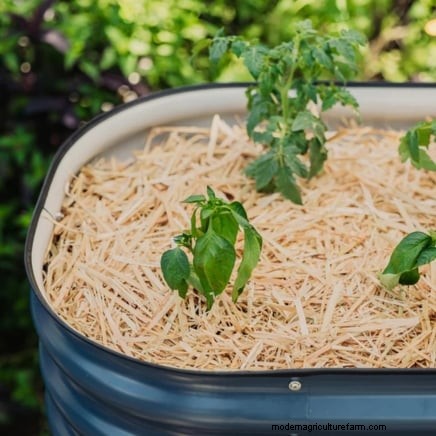
Epic Organic Garden Straw
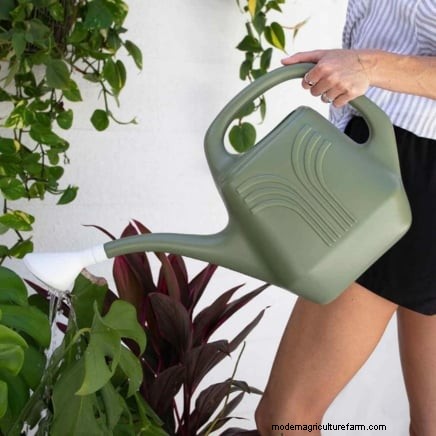
Promo Watering Can
Tendergreen Burpless
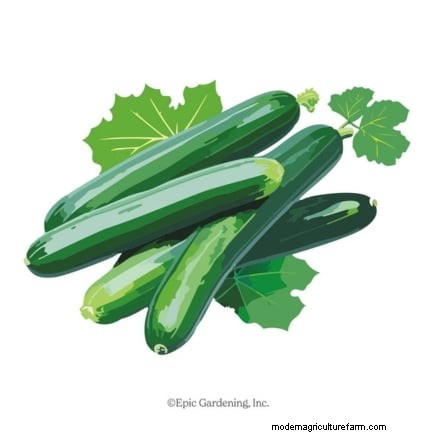
Tendergreen Burpless Cucumber
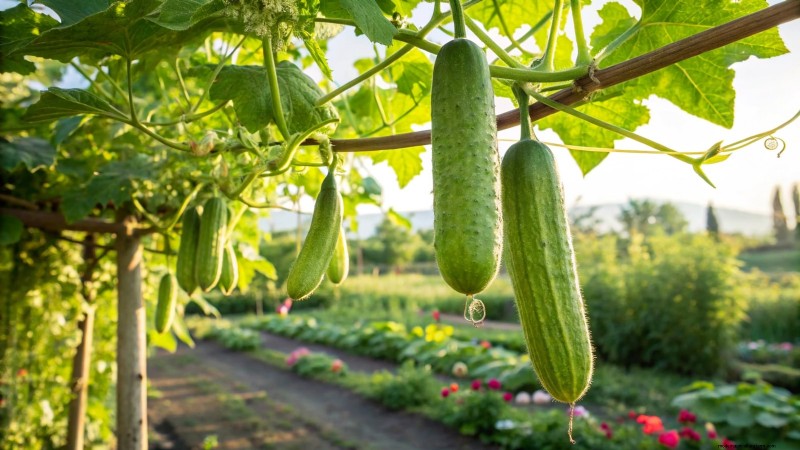
Droughts create stress on cucumber plants, disrupting their nutrient transport mechanisms. The result is a “flavor‑change” where the plant’s tissues, including the cucurbitacin, become bitter.
Prolonged drought amplifies the bitterness. This is common during mid‑summer when spring rains subside and heat waves dominate.
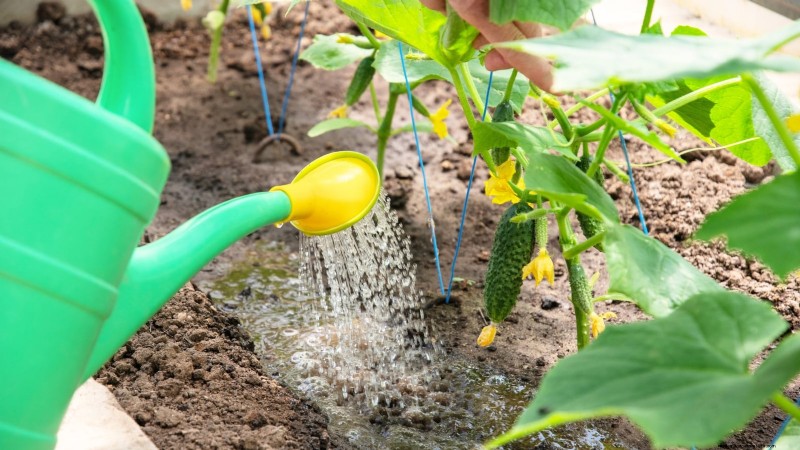
Water‑soaking (or “till‑wetting”) is essential during heat waves and dry spells. Providing plenty of water throughout the growing season ensures that the cucumber’s root system stays moist and functional.
Hand‑watering or installing automatic sprinklers that reach the root zone is a reliable approach. Use a “finger‑test” to confirm that the soil is adequately moist before watering.
Adding a thick layer of mulch—such as straw, coco‑coir, or fallen leaves—prevents evaporation, leaving the ground cool, soft, and moist. This “green‑roof” technique protects the cucumber’s root system.
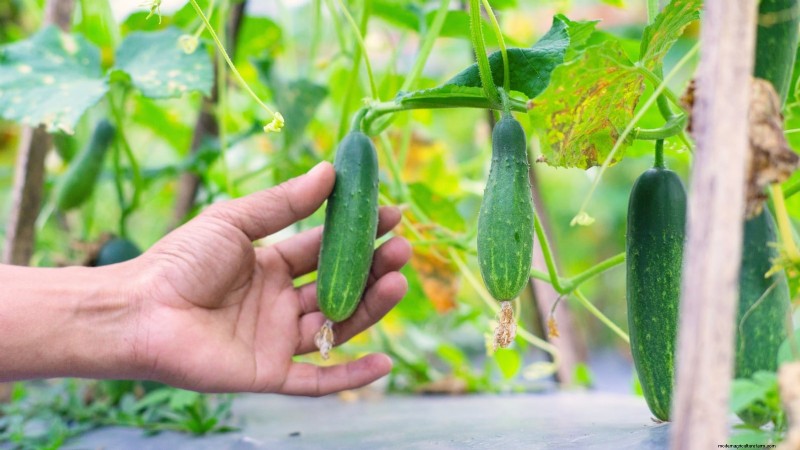
Temperature swings, whether too hot or too cold, damage the developing cucumber. Temperature ranges below 60 °F (16 °C) or above 90 °F (32 °C) can trigger “flavor‑change” and hinder proper growth.
While summer heat often leads to bitterness, cold snaps later in the season can also be problematic. The key is to guard against extremes.
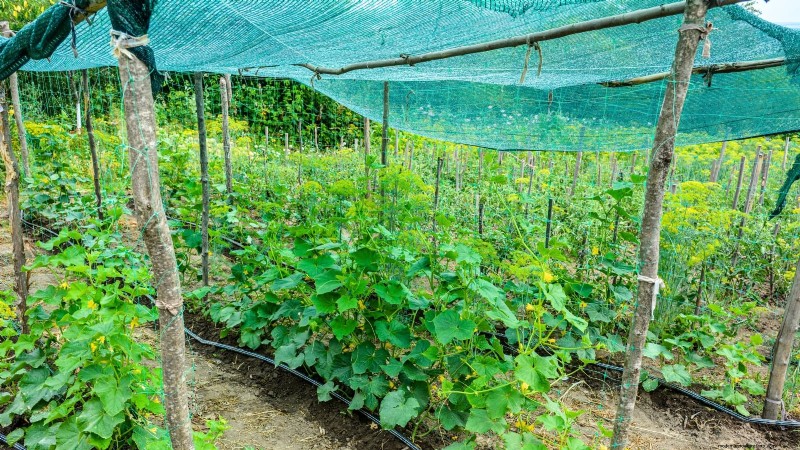
When temperatures rise, ensure the soil remains moist. Add extra moisture before the heat wave hits and rinse it again after the heat subsides.
For severe heat, using an umbrella or shade cloth can reduce stress. If cold conditions arise, row covers or frost cloths can protect the cucumber by trapping heat and preventing damage.
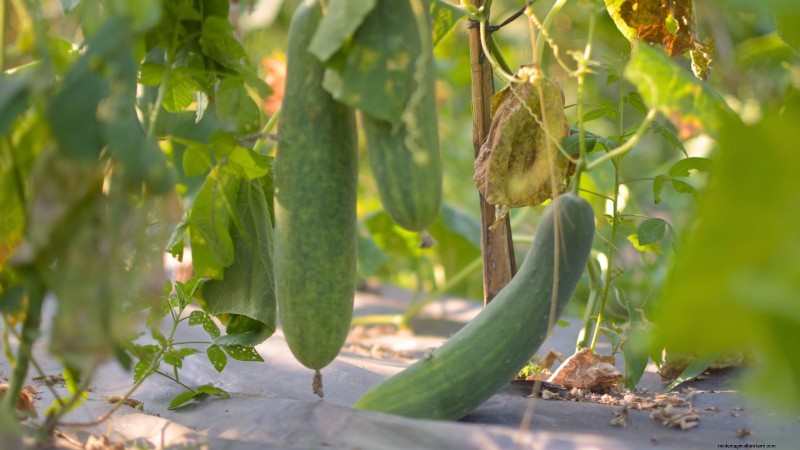
Deficiencies in nutrients and soil quality may contribute to bitter cucumbers. Proper fertilization must accompany consistent moisture.
Plants need a “nutrient‑rich” environment to thrive; otherwise, even well‑watered plants will fail.
Root‑zone disturbances, such as pests or over‑tilling, can cause damage. Protect the root zone by gentle cultivation.
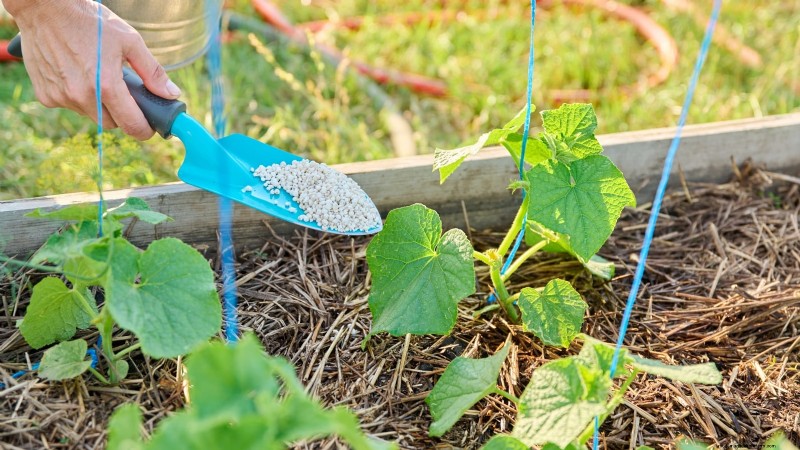
Feeding your cucumbers with compost—a two‑to‑three‑inch layer of organic matter—creates a stable, nutrient‑rich environment.
For potted or raised‑bed plants, an additional organic, well‑balanced fertilizer can be beneficial. Soil tests can confirm the fertility of your soil.
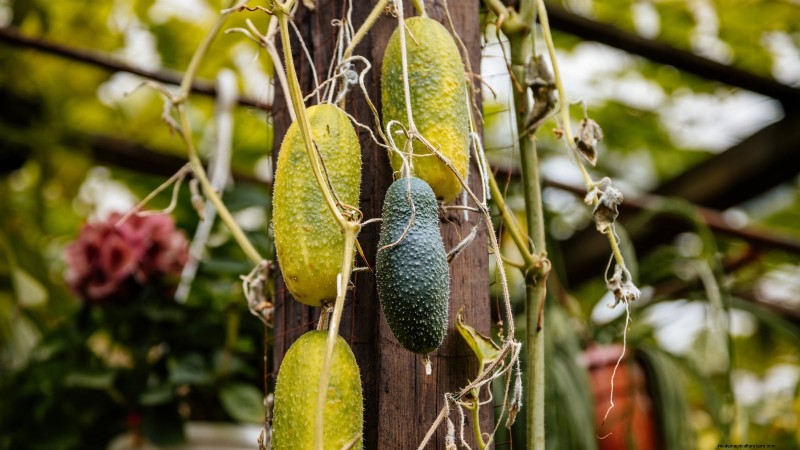
Cucumbers that grow too long become “tough” and bitter. A mature cucumber’s cell walls become hard, resulting in a fibrous, less‑palatable bite.
Regular harvesting prevents the plant from reaching this stage. A “big‑cup” cucumber can be harvested before it becomes unpalatable.
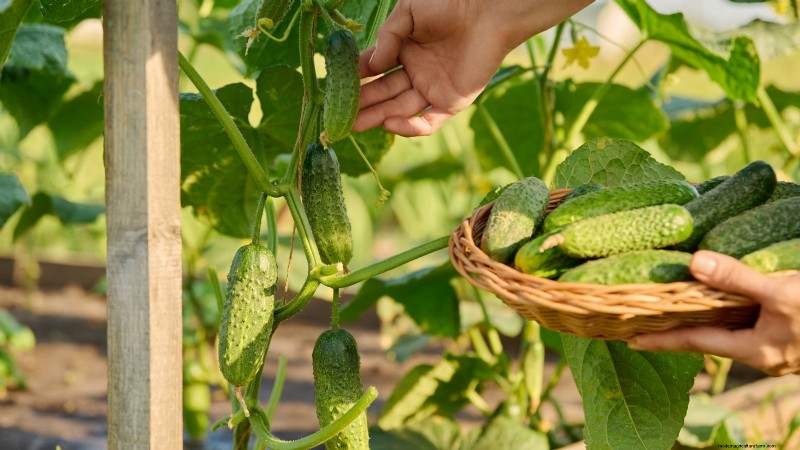
Use the “perfect‑size” rule: small, “bite‑size” cucumbers are ideal for snacks. For food‑packing, choose cucumbers that are 3‑to‑6 inches long. The key is to avoid over‑growth.
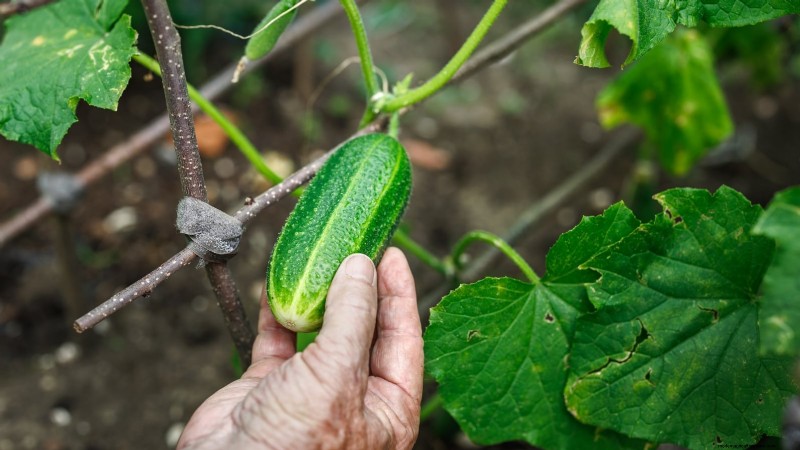
Some cucumbers carry genetic tendencies that produce a higher concentration of cucurbitacin. Older hybrids and heirlooms are often susceptible.
Growing multiple varieties can reduce the likelihood of encountering a single, bitter crop.
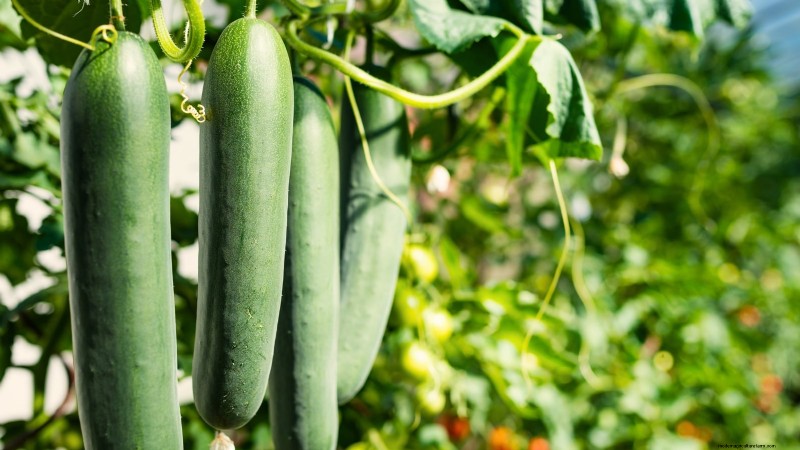
Opt for “burbless” or “vegetable‑good” varieties that breeders have engineered for minimal bitterness. These varieties tolerate heat and dry conditions better, and they’re more resilient to typical growing‑season stressors.
Choosing varieties with a thin, robust skin reduces the amount of cucurbitacin that can form, giving you a higher‑quality cucumber that’s easy to consume.


