
Welcome to Modern Agriculture!

Root vegetables—often called "bitter‑zone crops"—are among the most nutritious and long‑lasting foods in fall and winter. Their underground parts store energy, making them ideal for storage, packaging, and culinary use. Growing them in September gives you a head start on a Thanksgiving feast, as the cooler weather sweetens their flavor and extends their shelf life.
To harvest before the first frost, compare each variety’s days‑to‑maturity with your region’s forecasted frost date, then add an extra week to guard against late weather swings. For September sowing, direct‑sowing works best: taproots must not be transplanted, and you can harvest the plants early as "baby" vegetables to stay ahead of the chill.
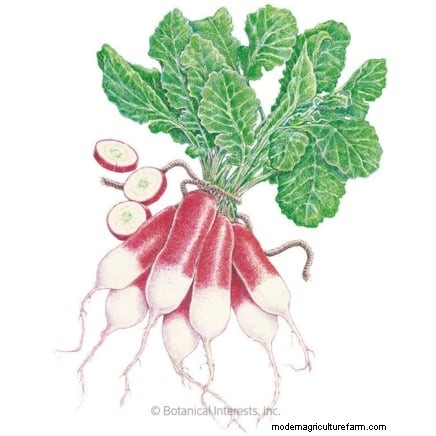
Botanical name: Raphanus sativus ‘French Breakfast’
Sun requirement: Full sun to partial shade
Height: 3‑4”
This heirloom radish is a centuries‑old variety known for its mild, crisp flavor. The scarlet and white roots are slightly elongated, offering a tender, vitamin‑C‑rich topping that’s perfect for a crisp salad. Plant in September and it’s ready in as little as 28 days, making it a prime candidate for a "green‑beauty" ready‑to‑use (R‑U‑E) vegetable.
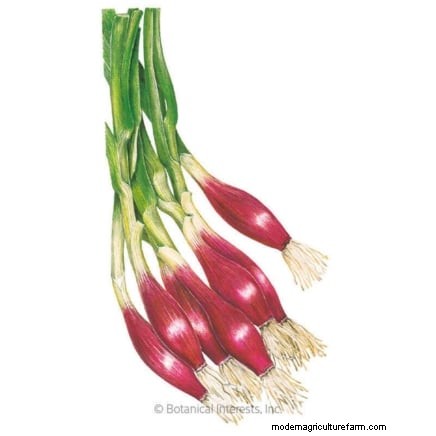
Botanical name: Allium fistulosum ‘Italian Red of Florence’
Sun requirement: Full sun
Height: 1‑2’
Often called scallions or spring onions, this variety offers striking red coloration. The leaves contain essential nutrients and can be harvested for fresh‑eating as a "food‑for‑purpose" crop. In mild climates, sowing in September provides a cool‑season yield that can be enjoyed early in the cooking season.
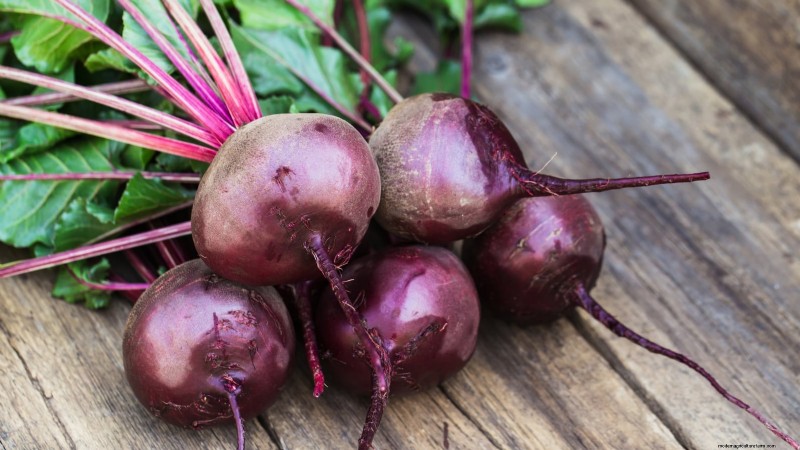
Botanical name: Beta vulgaris ‘Early Wonder’
Sun requirement: Full sun to partial shade
Height: 18”
‘Early Wonder’ is a celebrated heirloom that delivers purple‑red globes in only 40 days, making it a prized "early‑season" vegetable. The smooth, shiny roots store essential nutrients and can be harvested as a young, nutrient‑rich sprout. Its leaves are dark green with red veins, offering a flavorful source of vitamins.
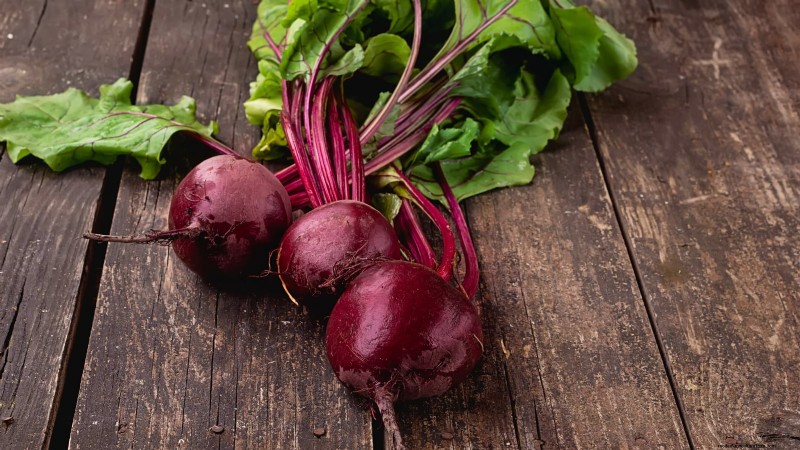
Botanical name: Beta vulgaris ‘Robin’
Sun requirement: Full sun to partial shade
Height: 15‑17”
Another "baby beet" variety, ‘Robin’ matures in 45 days and yields tender, sweet roots. These small, inexpensive vegetables are ideal for Thanksgiving‑style preparations and can be harvested early in the season.
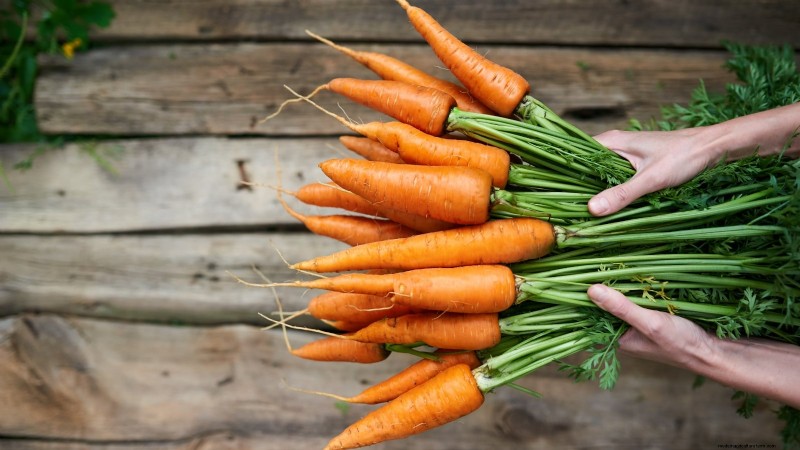
Botanical name: Daucus carota ‘Little Finger’
Sun requirement: Full sun to partial shade
Height: 6‑12”
‘Little Finger’ carrots are true baby carrots that reach 3‑4 inches in length. Their uniform shape and tender taste make them excellent for snacking or salads. Maturing in about 57 days, they are a classic "cooking‑time" crop that can be used as fresh‑eating vegetables.
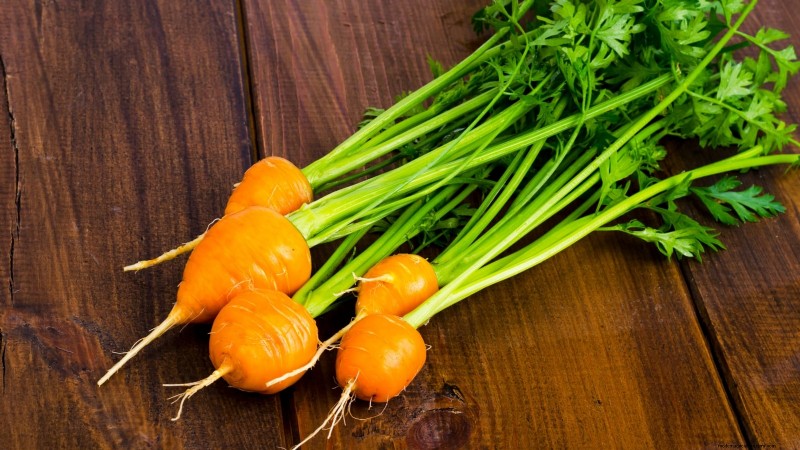
Botanical name: Daucus carota ‘Tonda di Parigi’
Sun requirement: Full sun to partial shade
Height: 1‑2’
Originating from 19th‑century France, ‘Tonda di Parigi’ produces small, rounded roots that are perfect for salads. The bright orange skin makes these "golden" vegetables highly desirable, especially in warmer climates where they thrive from fall through winter.
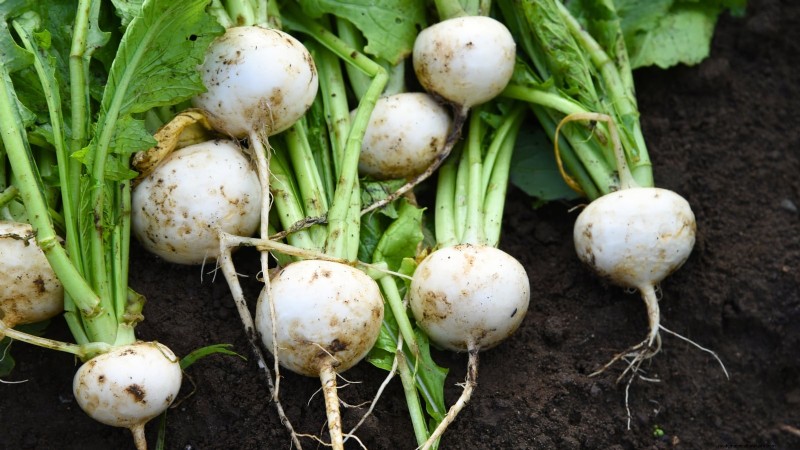
Botanical name: Brassica rapa ‘White Lady’
Sun requirement: Full sun to partial shade
Height: 14‑22”
‘White Lady’ is a Japanese baby turnip that yields sweet, smooth roots ready in just 30 days. These tender vegetables can be eaten raw, roasted, or incorporated into salads, giving you a fresh addition to any Thanksgiving spread.
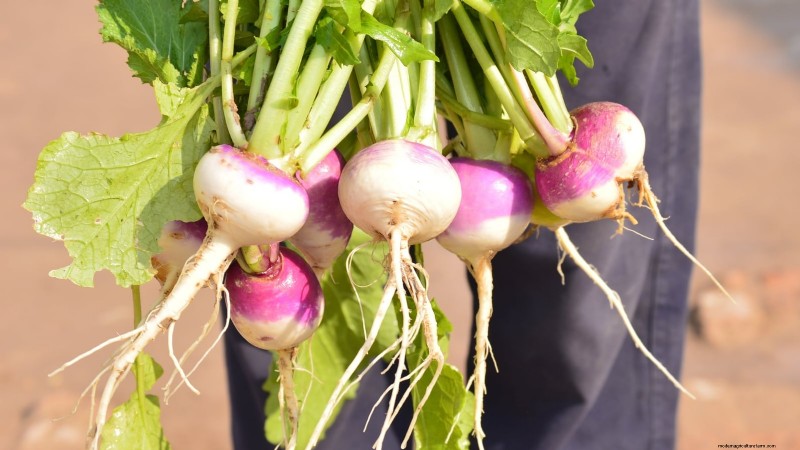
Botanical name: Brassica rapa ‘Purple Top White Globe’
Sun requirement: Full sun to partial shade
Height: 14‑22”
This European heirloom offers distinctive purple shoulders above the soil and creamy white skin below. Roots mature in about 50 days, and you can harvest them at any stage. The greens are also edible and nutritious, making this a versatile choice.
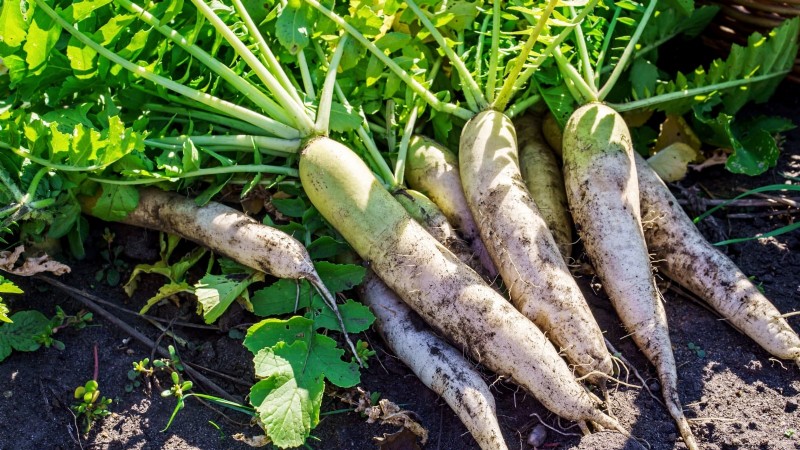
Botanical name: Raphanus sativus ‘Miyashige White’
Sun requirement: Full sun to partial shade
Height: 8‑18”
‘Miyashige White’ is a Japanese heirloom daikon that grows best in cool weather. While it takes 50‑60 days to mature, the long, tapered roots are prized for both fresh consumption and stir‑fry dishes. The plant also serves as a cover crop, improving soil structure during the cooler season.
For a burst of color and flavor, consider the "Easter Egg Blend," which includes red, white, pink, and purple radishes that mature in about 30 days. The "Cherry Belle" is a bright‑red heirloom salad radish that becomes ready at roughly one inch in diameter.
These quick‑growing varieties are perfect for harvesting before frost, providing a vibrant addition to any Thanksgiving menu.
Remember to sow each crop 6‑8 weeks before the expected first frost in colder zones, or 10‑12 weeks in milder climates. By following these timelines, you’ll enjoy a fresh, nutrient‑rich root vegetable harvest right on time for the holiday.


