
Welcome to Modern Agriculture!

By the time July arrives, a well‑tended vegetable garden should be in full swing. The long, sunny days and regular watering bring abundant harvests that fill your kitchen and elevate every meal. If you want fresh, homegrown produce well into the fall, planting in July is essential.
Whether you’re a seasoned grower or just starting out, July offers a golden window for both summer staples and early‑fall crops. Most of these seeds can be sown directly into the soil, saving you the hassle of transplanting. For other varieties, starting seedlings indoors and transplanting a few weeks later gives them the best start.
Below are nine vegetables you can plant in July, along with essential care tips and expected harvest times to keep your garden thriving.
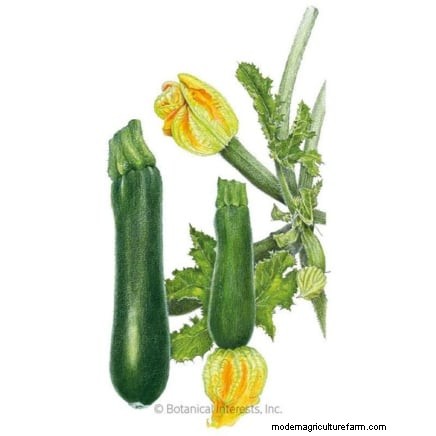
Black Beauty Summer Squash seeds thrive when sown directly in warm, well‑drained soil. Plant the seeds 1 inch deep and 2–3 inches apart, then cover lightly. These vines need room to spread, so maintain at least a 3‑foot distance from neighboring plants. With July’s heat, you’ll see first fruit in about 30 days, and regular harvests continue until the first frost.
For more planting tips, watch this short guide: https://www.youtube.com/watch?v=BC3iU1f-Va8
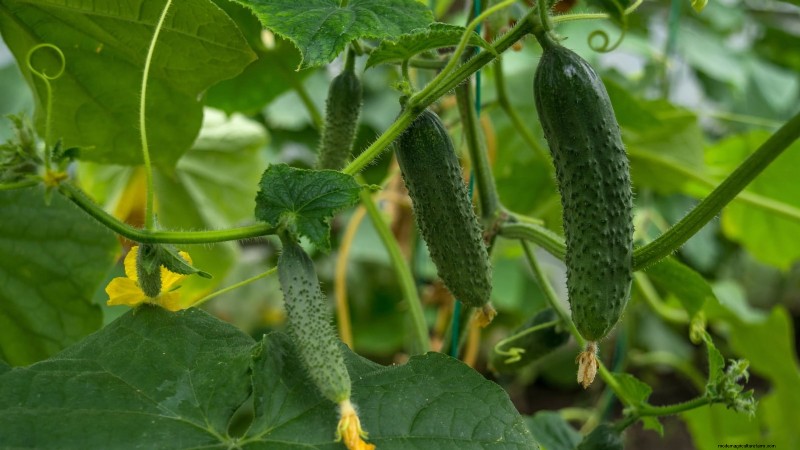
Cucumbers are a quintessential July crop. They germinate quickly and thrive when their roots are left undisturbed, making direct sowing the preferred method. Space vines at least 3 feet apart or use a trellis for climbing varieties like ‘Quick Snack’ to keep the garden tidy. Expect 60–70 days from seed to harvest, so early July sowing gives you a steady supply of crisp cucumbers into September.
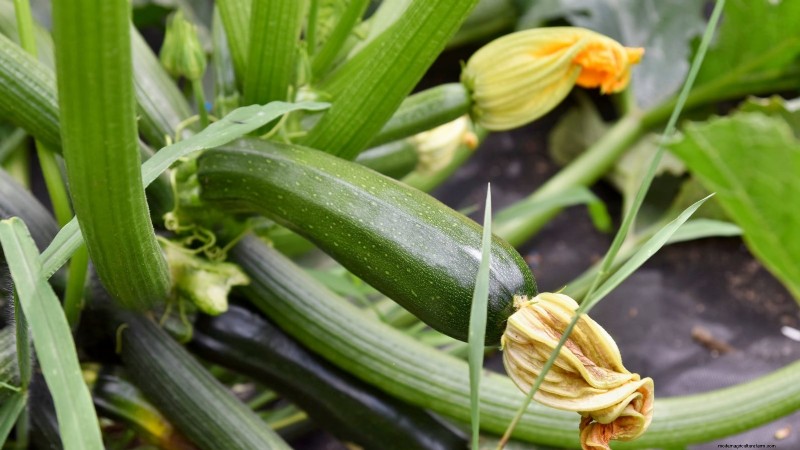
Missing an earlier zucchini planting? July is still the ideal time to get this crop in. Zucchini seedlings mature within a month, and you’ll begin harvesting the first squash in another 30 days. In zones 4 and higher, July sowing is safe from cold damage. Watch for squash bugs and vine borers; covering young plants protects them, but remove the cover once flowering begins. Keep a close eye on fruit size; 6–10 inches is the sweet spot for flavor and storage.
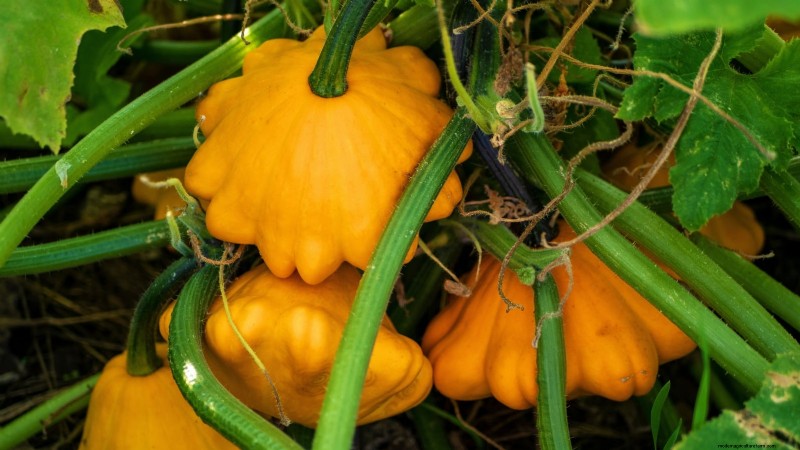
Beyond zucchini, summer squash comes in varieties such as yellow crookneck, pattypan, and round. These plants grow best when direct‑sown in soil rich in organic matter. Add a few cups of compost before planting to improve drainage and support beneficial microbes. Most summer squash varieties begin producing fruit about 60 days after planting. In zones 4–5, plant early July to finish before the first frost; in zones 6 and above, you can sow anytime in July.
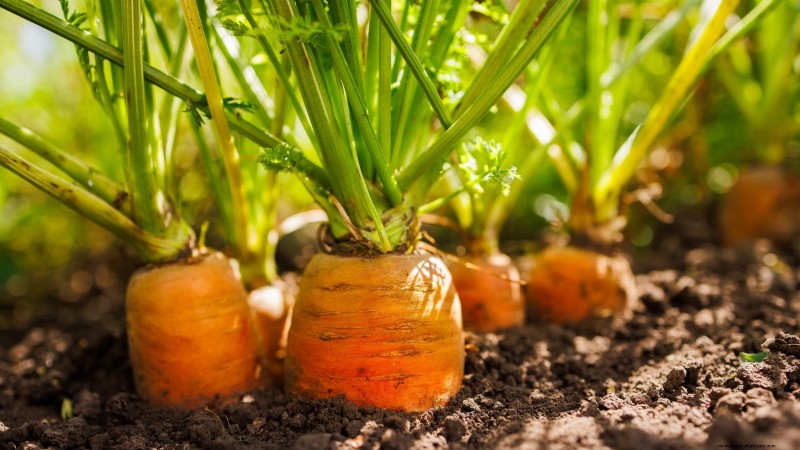
Carrots are cool‑weather lovers, yet July planting lets you enjoy them in September or October. They require 60–90 days to mature, so check the seed packet for precise timing. Carrots are finicky to germinate because of their long germination period and need for consistently moist soil. Sow them about a quarter inch deep, water thoroughly, then cover the bed with a row cover or landscape fabric to lock in moisture. Remove the cover once the first leaves appear, and keep the top inch of soil moist until seedlings reach a few inches tall.
When the roots reach the desired size—typically golf‑ball‑sized—you can harvest. Leaving roots in the ground during a cold snap sweetens them; alternatively, pull and store them in a cool, dry place.
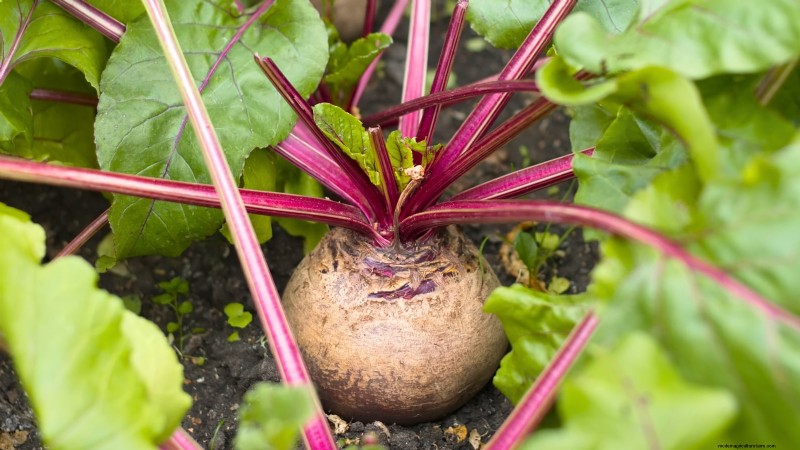
Beets add a colorful splash to any garden. Each seed actually contains several small seeds, so thin seedlings after germination to avoid overcrowding. Direct sowing works best, but young seedlings can be transplanted. Beets don’t demand high nitrogen but benefit from a balanced fertilizer and a boost of micronutrients, especially boron. A light application of azomite or another organic boron source before planting helps prevent deficiencies.
Harvest when the roots are at least golf‑ball‑size. The tops usually remain close to the soil surface; separate greens from roots after picking to keep the greens crisp.
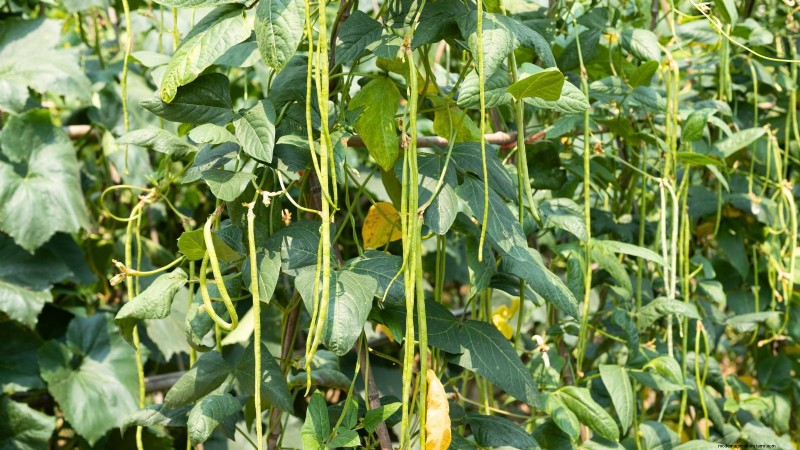
July is an excellent month for a second bean sowing. Whether you choose bush, pole, or dry beans, direct sowing in warm soil yields quick results. Plant seeds ½ inch deep, spacing 2–4 inches apart. Bush varieties need no support, but pole beans thrive on trellises or sturdy fences. Bush beans like ‘Jade’ mature in about 55 days, making them ideal for regions with early frosts. Dry beans require a longer period; sow early July to give them ample time.
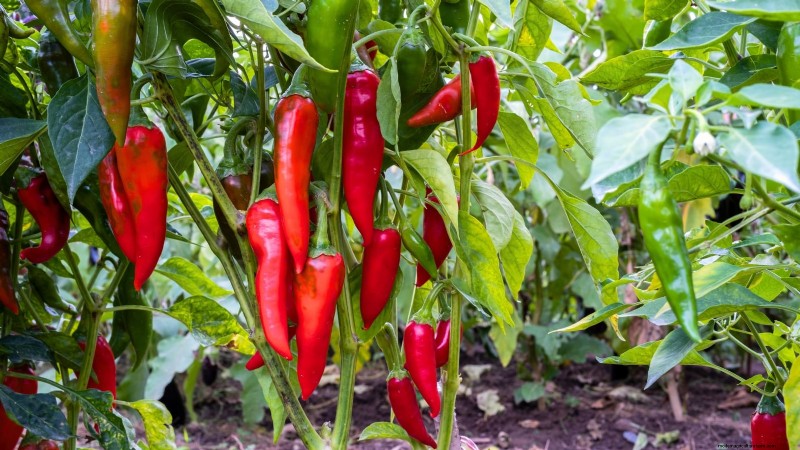
In zones 6 and above, July is still a viable planting time for peppers. Because seeds take a long time to germinate and produce sizable seedlings, many growers prefer starting seedlings indoors and transplanting them outdoors. Keep soil consistently moist for the first week, then apply fish emulsion monthly to promote healthy foliage and abundant fruit. Avoid waterlogged soil to reduce blossom end rot.
Peppers transition from green to mature color as they ripen. Harvest when they are half‑colored for a milder flavor, or wait until fully red or yellow for maximum sweetness.
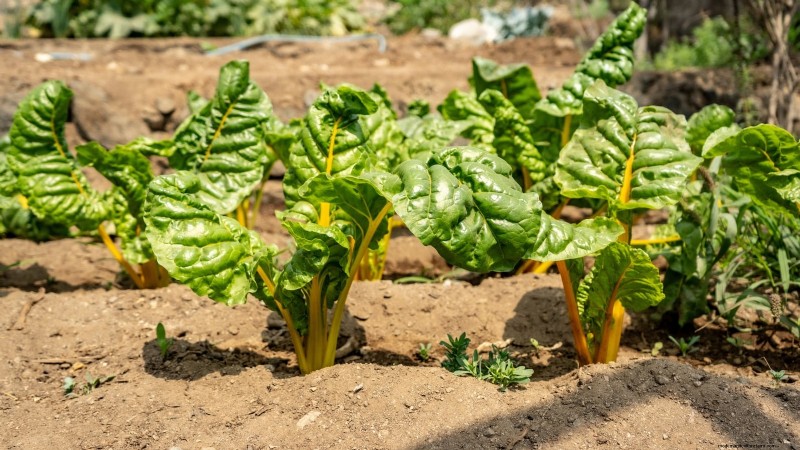
While many leafy greens bolt in heat, Swiss chard remains resilient. It thrives when transplanted after starting indoors, and its vibrant stalks add color to any dish. Space plants 1 foot apart to allow ample room for growth. Swiss chard also continues producing new leaves as temperatures cool, so you’ll have fresh greens into early fall.
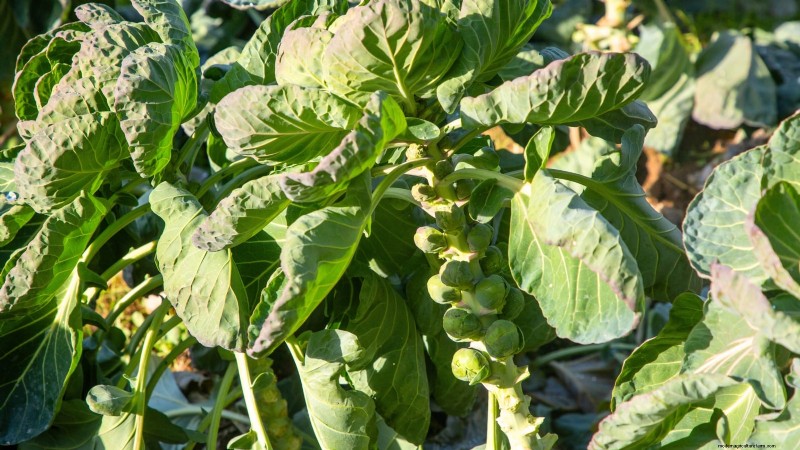
Brussels sprouts need a long growing season, so planting in July ensures full‑size sprouts by Thanksgiving. These heavy feeders demand plenty of nitrogen; enrich the soil with compost before planting and apply a balanced fertilizer during the season. Protect against pests—cabbage worms, flea beetles, and harlequin bugs—by covering plants with lightweight row cover or insect netting. If pests appear, hand‑pick or treat with organic options like Bt or neem oil.
With these nine July plantings, you’ll enjoy a steady stream of fresh, flavorful vegetables that carry you comfortably into the cooler months.


