
Welcome to Modern Agriculture!

Cutting your first broccoli head is a thrilling moment for any gardener. Yet, timing the harvest can feel like a guessing game—especially if you’re new to growing this cool‑season staple.
Harvesting too early yields a small head that could have been larger, while waiting too long causes the green buds to open into flowers, turning the broccoli bitter and tough.
Unlike tomatoes, which can stay on the vine for days or weeks at peak ripeness, broccoli has a narrow window that can shift from perfect to overripe in just a few hours, especially in hot weather. Understanding the signals that signal readiness turns this tight window into a manageable task.
Knowing what to look for around the harvest window is essential. While there may be some trial and error based on your variety, these guidelines cover the essentials.
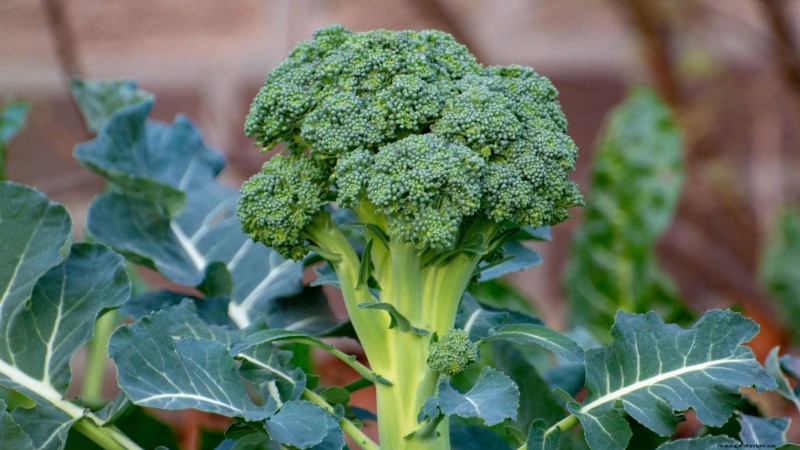
Most varieties mature to heads 4‑8 inches across. However, size alone isn’t the sole indicator of readiness. Check the seed packet for the expected mature size of your specific variety. For example, a ‘Di Cicco’ head may only reach 3 inches, while a ‘Belstar’ can hit 6‑8 inches under ideal conditions.
Environmental factors—rich, well‑watered soil and consistent cool temperatures—often determine the final size. A slightly smaller head that’s still tight and dense can be more desirable than a full‑sized head that begins to loosen.
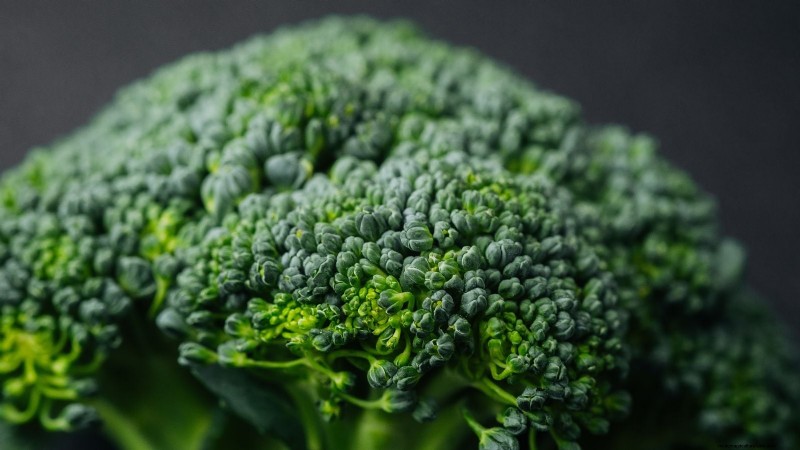
The most reliable cue is bud tightness. Fresh broccoli features tiny, tightly packed buds that create a uniform, compact surface. Dark green buds that are barely distinguishable indicate peak quality. Once buds start to separate or show yellowing, the flavor deteriorates and the texture becomes fibrous. Harvest immediately at this stage.
Temperatures above 75°F (24°C) for consecutive days can trigger premature flowering. In warm weather, check the crop daily. Cool periods (60‑65°F or 16‑18°C) extend the harvest window, giving you several days to a week at peak quality. Sudden temperature swings can also cause early blooming, especially in spring.
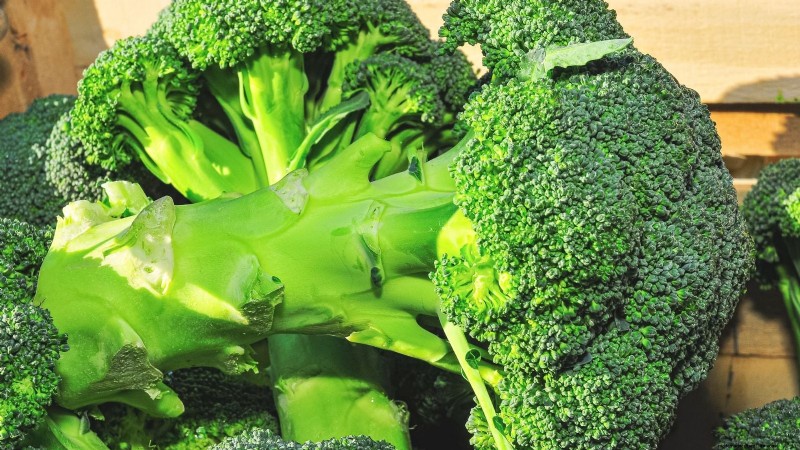
A mature head sits on a thick, sturdy stalk that can support its weight. A hollow or overly fibrous stem may indicate the plant is channeling too much energy into the head under stress. The stalk should remain a healthy green; yellow or purple discoloration can signal stress or nutrient issues.
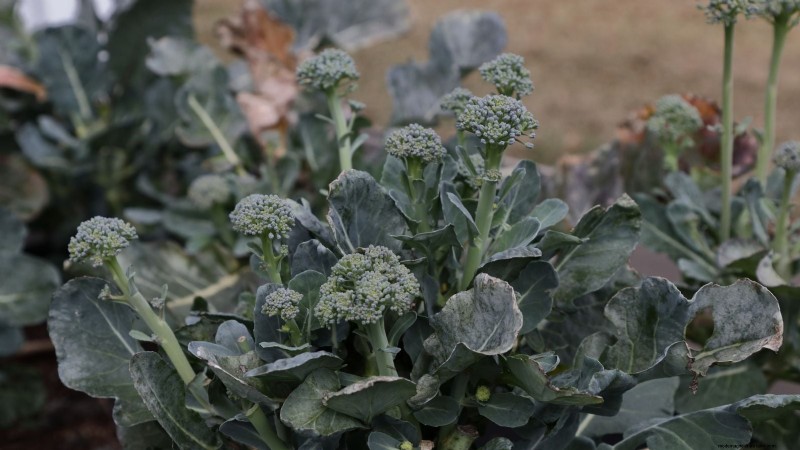
Harvest the central head at peak quality before it starts flowering. Doing so preserves flavor and encourages the plant to redirect energy into producing smaller side shoots over the next 4‑6 weeks. Over‑harvesting the main head or damaging leaves can reduce side‑shoot production.
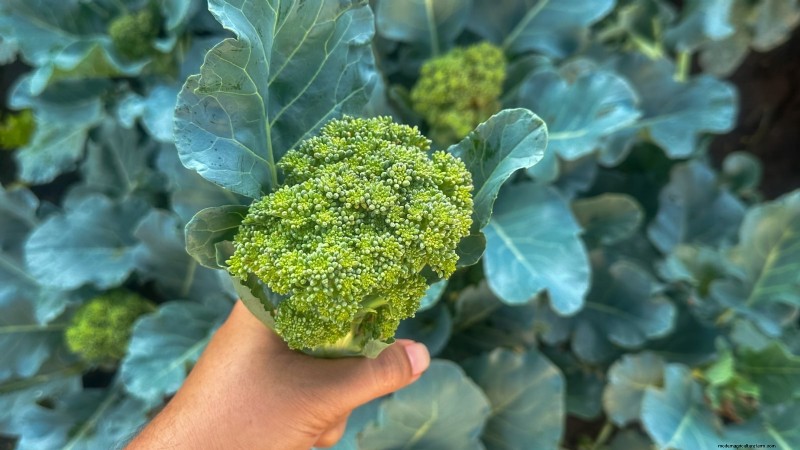
Cut in the morning when the heads are crisp and hydrated from overnight moisture. Morning harvest ensures longer freshness and a better texture when cooked. If harvesting in the afternoon, do so early, before the heat peaks, and cool the heads quickly.
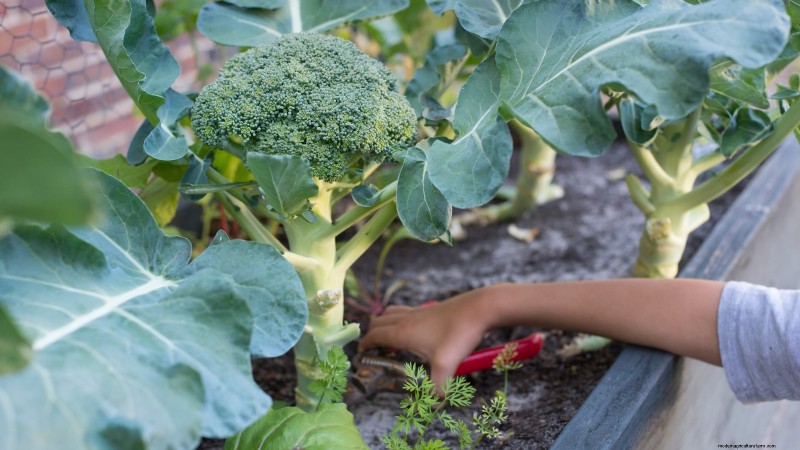
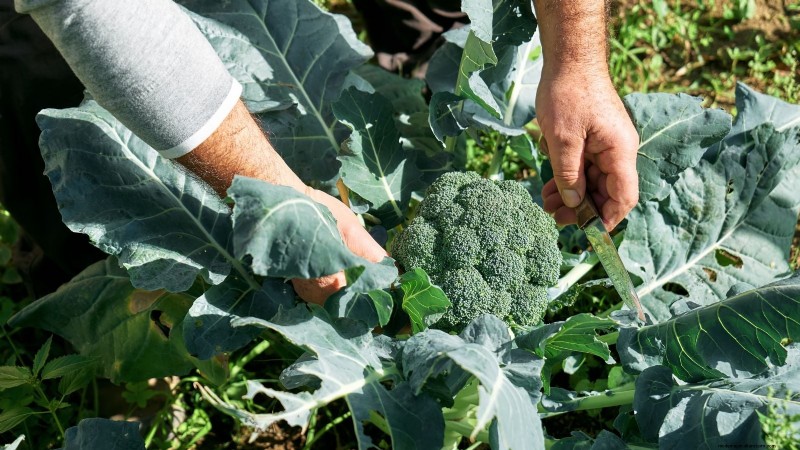
Use a sharp knife to cut the stem about 6 inches below the head. A dull blade can crush tissues and create jagged cuts that heal poorly. Avoid pulling or twisting the plant; a clean cut promotes better healing and side‑shoot development. Leave ample stem and leaves to support future growth.
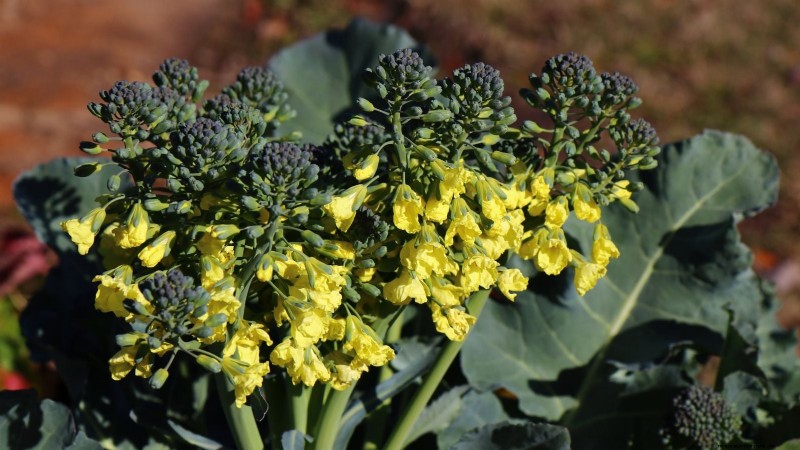
Overripe broccoli isn’t a total loss. If the buds are just starting to open, the flavor will be stronger and slightly bitter, and the texture will be less tender. Cook immediately—soups, stir‑fries, or casseroles work well. Once yellow flowers fully open, the broccoli is past prime for most uses. At that point, you can either remove the plant or let it flower to attract pollinators and potentially produce volunteer plants the next season.
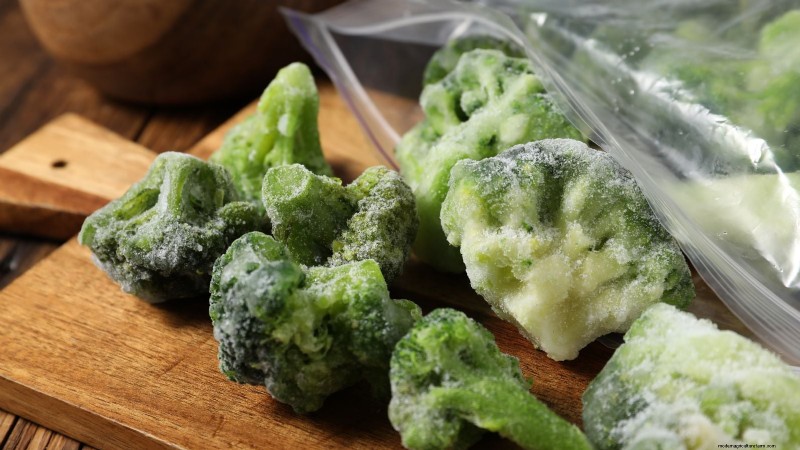
Cool harvested heads immediately. Immerse in cold water, then store in the refrigerator in perforated plastic bags to maintain humidity while allowing airflow. Fresh-cut broccoli can last up to two weeks, with peak quality in the first 3‑5 days. For longer storage, blanch in boiling water for 3‑4 minutes, plunge into ice water, and freeze. Blanched, frozen broccoli maintains quality for 8‑12 months.


