Welcome to Modern Agriculture!

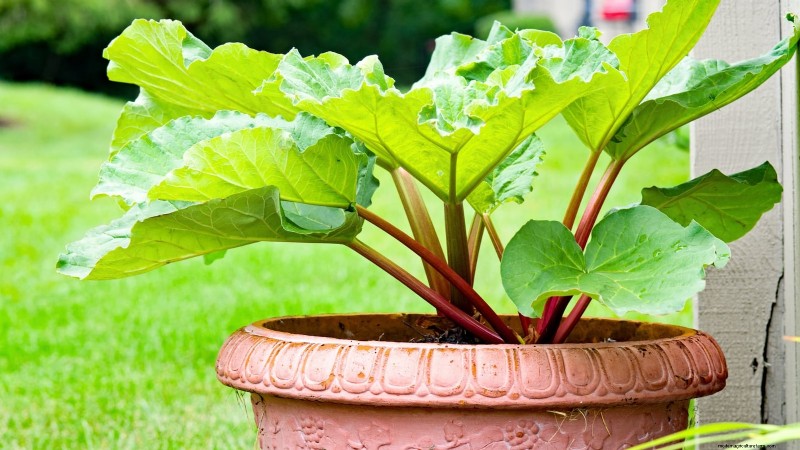
Rhubarb is a perennial that can flourish in a balcony planter or porch pot with the right care. The key is a well‑drained, nutrient‑rich mix, steady moisture, and ample light.
While in‑ground plants thrive with minimal input, container specimens need extra attention throughout the growing season. Check on them in early spring and summer to keep them healthy. A robust plant will produce dozens of thick, edible stalks with lush green leaves. Remember: only the stems are edible; the leaves and roots are not.
Not sure why your rhubarb isn’t performing? Use this checklist to ensure your plant has everything it needs. A well‑cared plant rewards you with plentiful stalks for pies, sauces, and desserts.
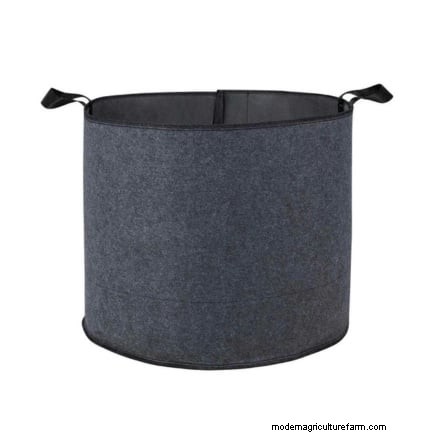
Small Cedar Elevated Planter
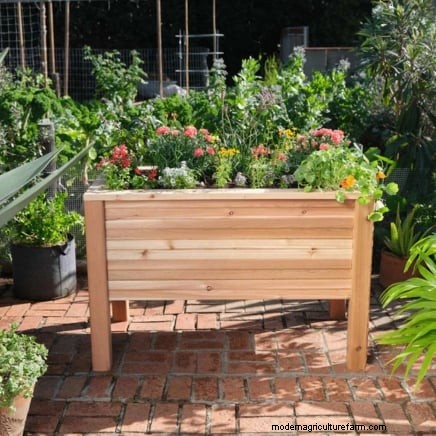
Small Cedar Elevated Planter
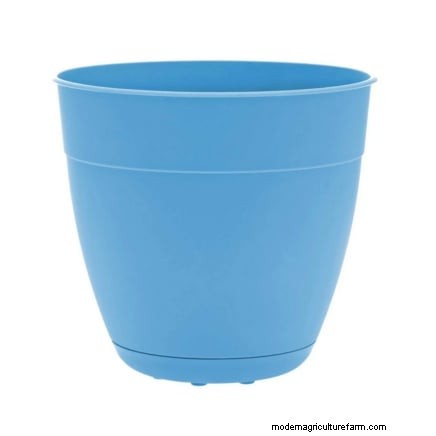
Dayton Ocean Recycled Planters
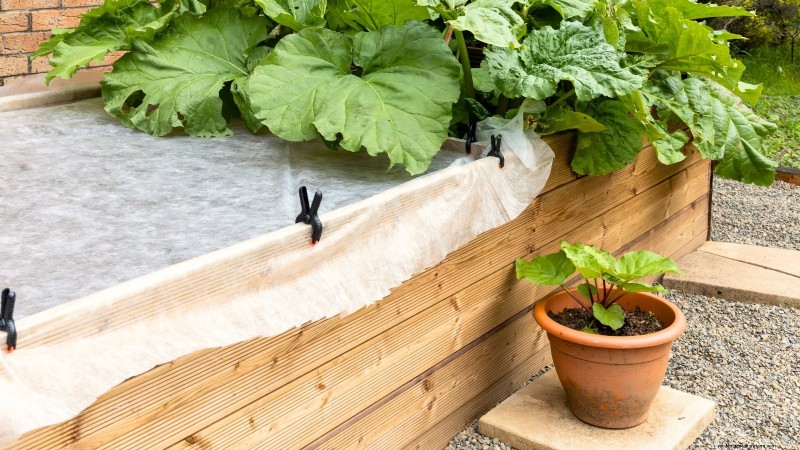
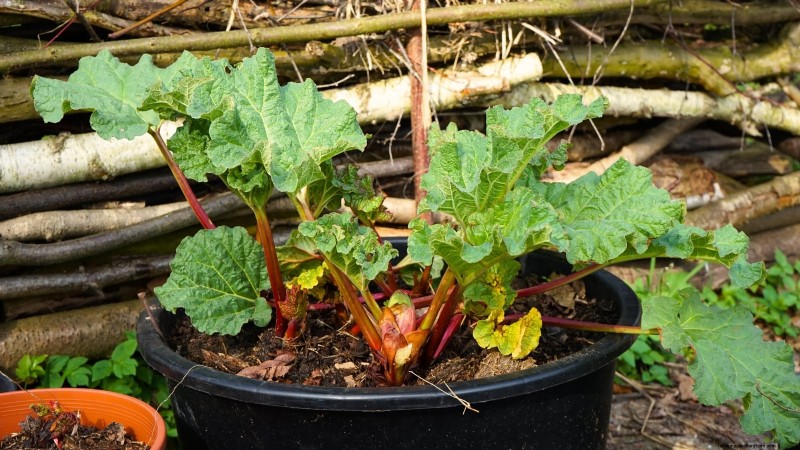
Rhubarb’s roots spread quickly. In containers, they need plenty of room to expand. A pot that is at least 18 inches wide and 12 inches deep gives the rhizomes room to grow each season. Raised beds or large planters work just as well and allow you to dedicate a plot to this prized perennial.
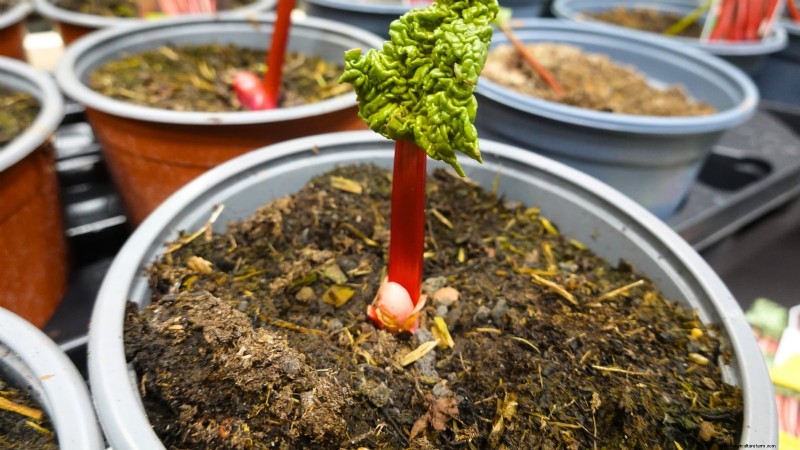
Rhubs come as crowns or seeds. Crowns (rootstock) should be planted in early spring or fall and require a wide pot. Seeds can start in smaller pots but will eventually need a larger vessel.
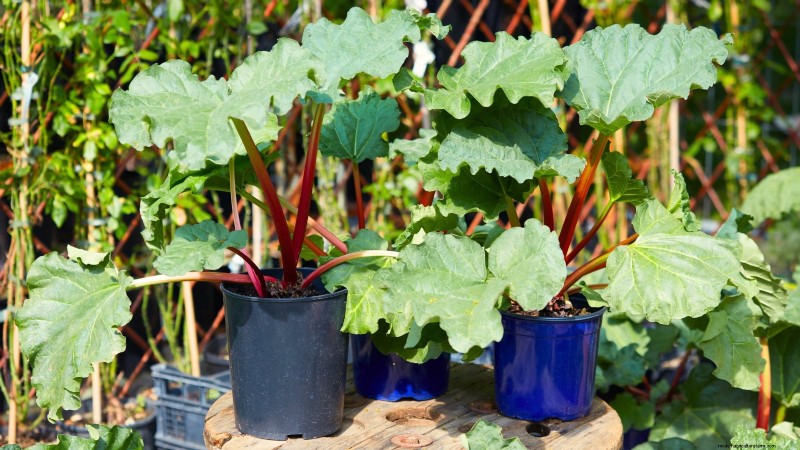
Full sun—six to eight hours of direct light per day—is essential. A plant that gets less light will produce weak, thin stalks. However, too much intense southern sun can scorch the leaves. In hot climates, move the pot to partial shade during the hottest part of the day.
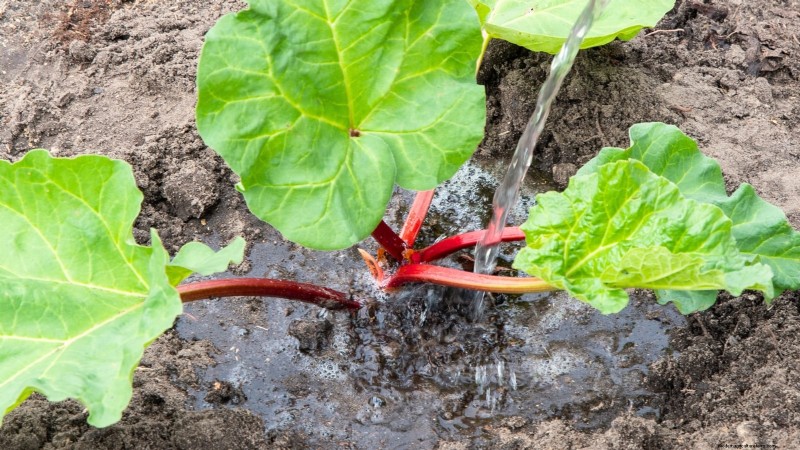
Container plants dry out quickly, so keep the soil consistently moist but not soggy. A layer of organic mulch—such as compost, straw, or leaf mold—on top of the soil helps retain moisture and keeps roots cool.
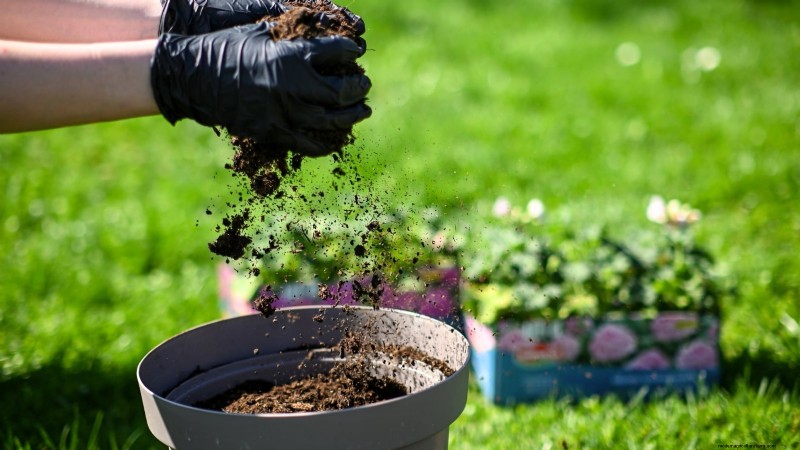
Choose a loamy, well‑draining mix that includes coarse sand, organic matter, and a small amount of perlite or pumice. Aim for a pH of 6.0–6.8, slightly acidic, which rhubarb prefers. A sandy loam or loamy sand offers the best drainage.
Apply compost annually or biannually to enrich the soil. In spring, add an organic fertilizer balanced 10-10-10 to boost stem production. Mandate not to over‑fertilize; excessive nitrogen can lead to weak, spindly growth.
Mandate that temperatures stay below 75 °F (24 °C) for optimal mandible mandible? The best approach is to provide afternoon shade during hot periods. Mandate not mandatory mand but mandatory mand mand. Mand mand.
Rhubarb requires mand 500+ chill hours below 40 °F (4 °C) each winter. In cooler zones (1–6), it thrives. In hotter zones, protect the roots with a 2–3 inch layer of mulch in the fall. Avoid temperatures below 28 °F (-2 °C) if possible.
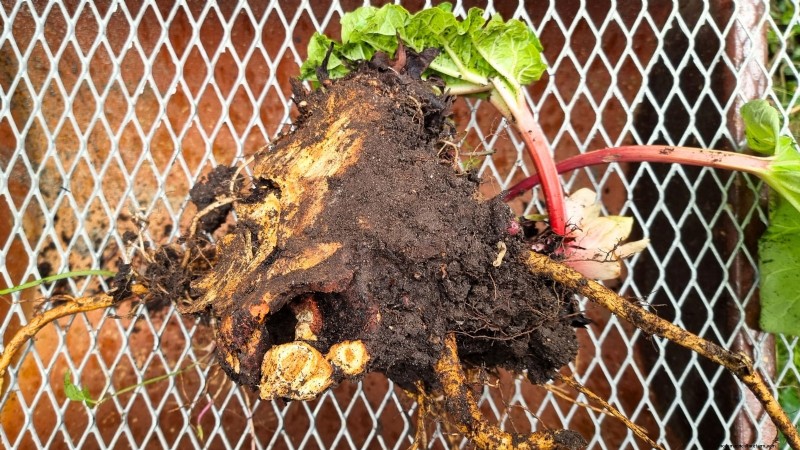
After 3–4 years, the plant will outgrow its pot. Divide in early spring or fall, gently removing the plant, shattering the soil, and splitting the rhizome into pieces that each have a few buds. Replant in fresh, well‑draining soil and keep them moist while they establish.
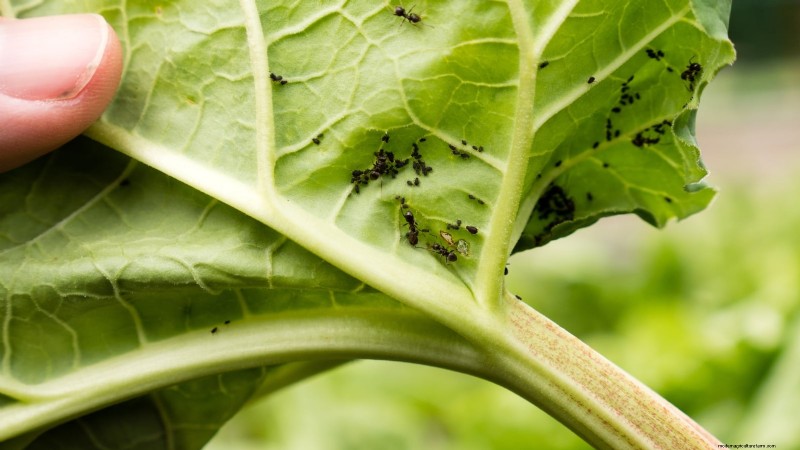
Common problems include slugs, snails, and stem borers. Keep the plant healthy—avoid overharvesting and prune as needed—to reduce vulnerability. Use a floating row cover in spring to keep pests away, and space plants 3–4 ft apart to improve air circulation. Add compost to improve soil health and resist disease.