
Welcome to Modern Agriculture!

Tayberries are a delightful blend of sweet, juicy fruit with a subtle tartness that makes them a favorite in edible landscaping.
As a hybrid of blackberries and raspberries, they combine the best of both worlds, offering robust flavor and an easy‑growing profile across many U.S. climates.
In this guide you’ll learn how to plant, grow, and care for Tayberries to secure a bountiful harvest and a thriving garden.
Gracie Modern Arbor
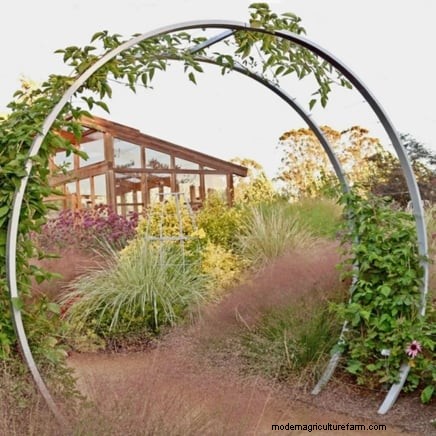
Featured in the iconic gardens of Sunset Magazine, the grand Gracie Modern Arbor creates an inviting garden gateway and living sculpture in the modern landscape.
Buy at Epic Gardening
Rubus fruticosus x idaeus ‘Tayberry’ Overview
Plant Type Perennial shrub
Family Rosaceae
Genus Rubus
Species Rubus fruticosus x idaeus
Native Area Europe, Asia, North America, South America
Exposure Full sun
Height 4‑6 ft
Watering Requirements Medium
Pests & Diseases Japanese beetles, psyllids, aphids, blight, gray mold, rust
Maintenance Low
Soil Type Well‑drained, high in organic material
Hardiness Zone 4‑8
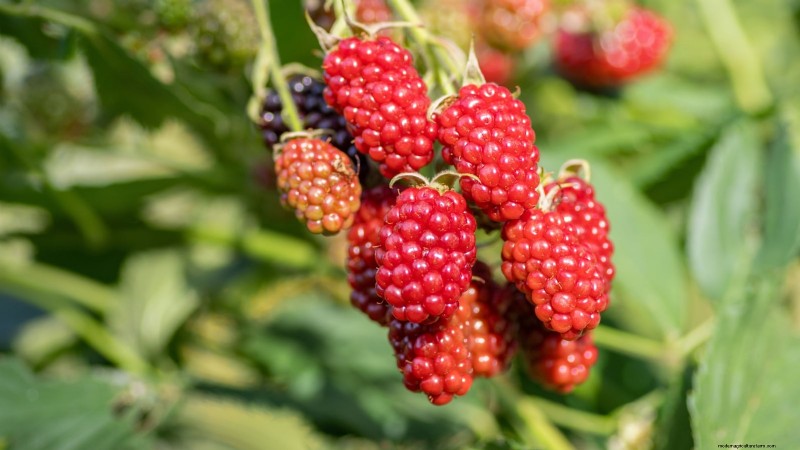
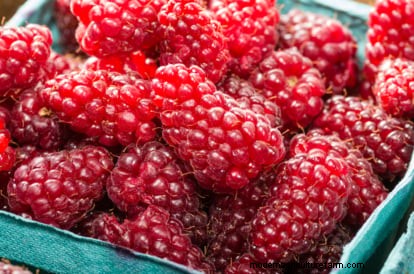
Tayberries are a cross between blackberries and red raspberries, offering the best qualities of both species.
They grow on thorny canes that reach up to 6 ft, and each plant typically produces fruit on 2‑year‑old canes that die back after harvesting.
Because they are a true hybrid, Tayberries have a moderate commercial value, mainly as a novelty for jams, sauces, and small‑scale wine production.
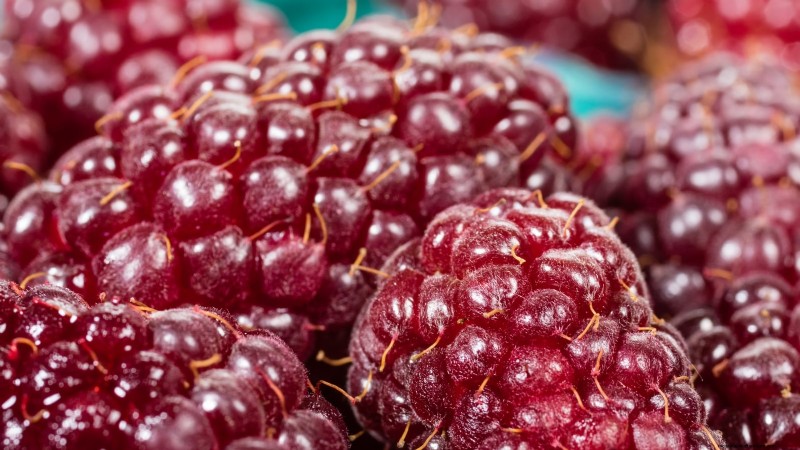
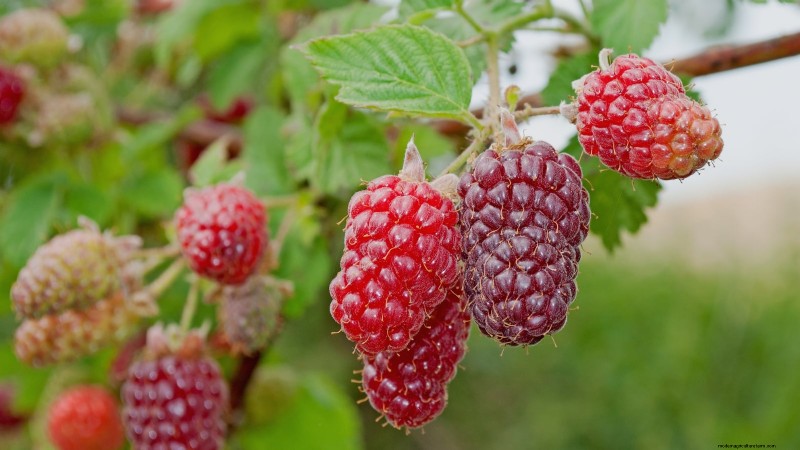
Each fruit is an aggregate structure—multiple small drupelets bound together—creating a juicy, flavorful bite.
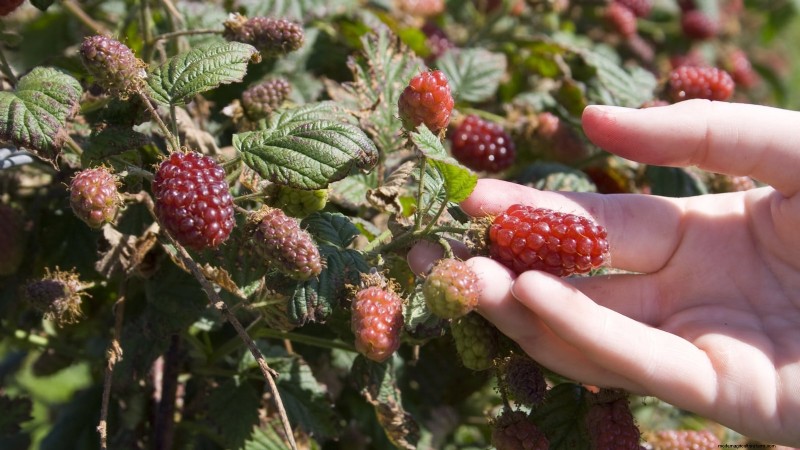
Developed in Scotland in 1980 by horticulturist Derek Jennings, the Tayberry was named after the River Tay. It quickly spread from the UK to the U.S., thriving in the Pacific Northwest.
Like other brambles, Tayberries prefer cooler, temperate climates with ample moisture and are commonly found in zones 4‑8.
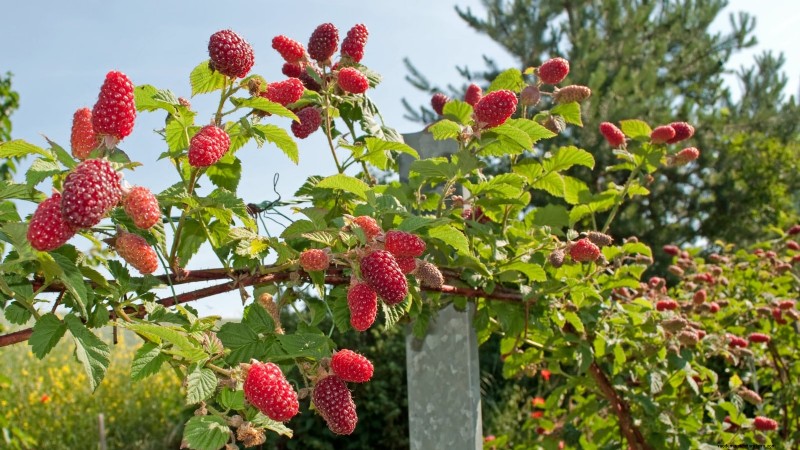
Plant Tayberries in well‑drained, organic‑rich soil along borders or beds, spacing them at least 3 ft apart to allow easy access for maintenance.
They are naturally trellis‑friendly, so provide a structure for the canes to grow upward. The extra height also improves airflow and reduces disease pressure.
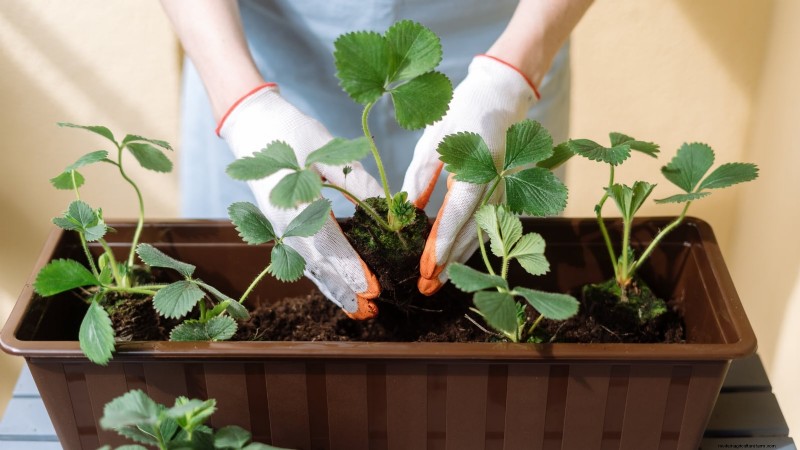
Early spring is the optimal time for transplanting starter plants. Dig a wide, deep hole, add compost, and gently place the plant in the new location.
After transplanting, water thoroughly and cover with mulch to retain moisture and suppress weeds.
Give the plant a few weeks to establish roots before harvesting the following growing season.
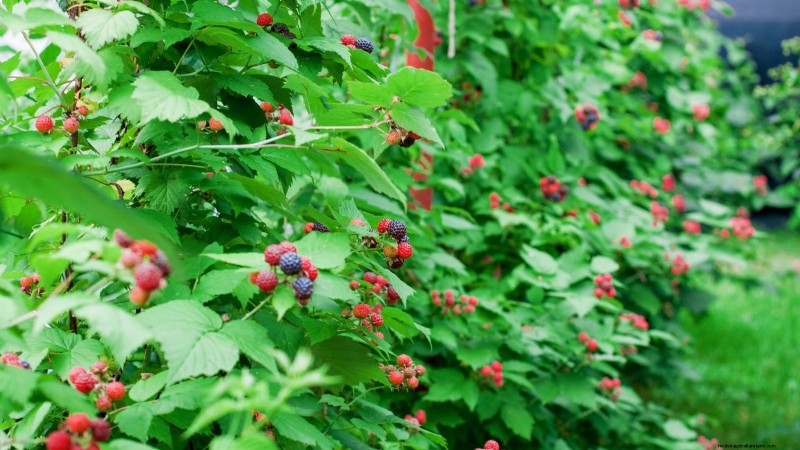
With full sun or partial shade, a spacious layout, and consistent watering, Tayberries thrive and yield a massive mid‑summer harvest.
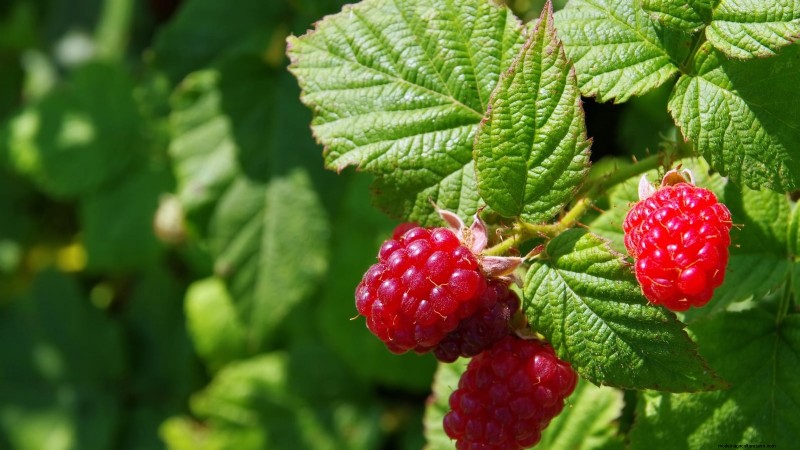
These hybrids prefer full sun but tolerate light shade. Ensure adequate spacing to avoid overcrowding.
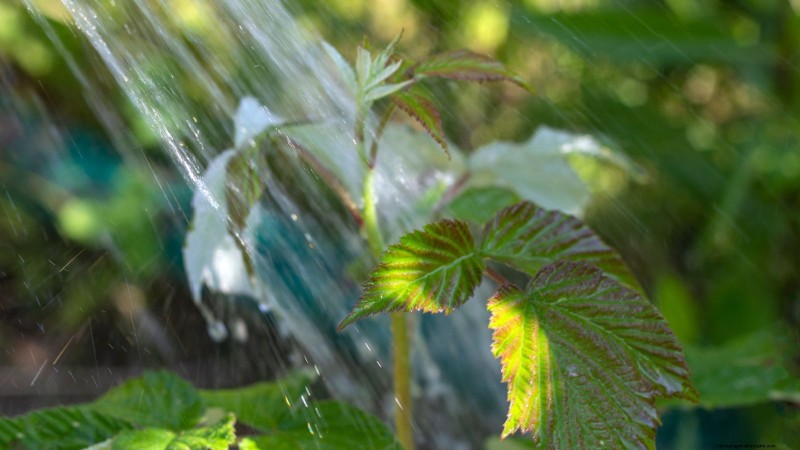
Water the plants once a week during dry periods, increasing to 4 inches per week when fruiting to support a healthy yield.
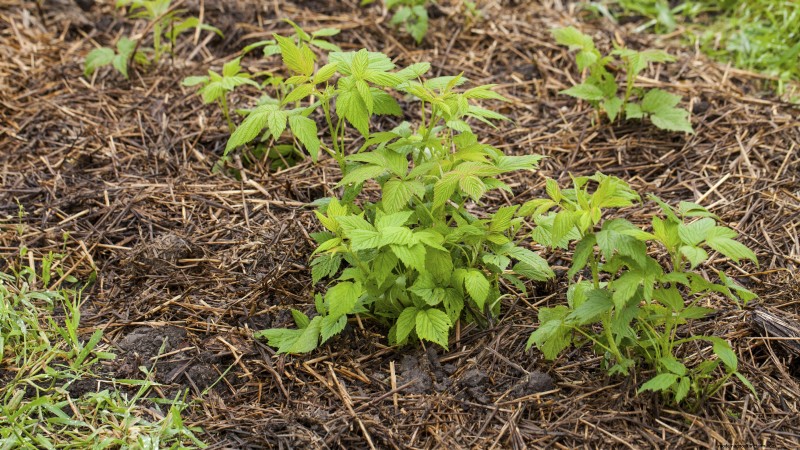
Use a well‑drained, slightly acidic soil (pH 5.5‑6.5) amended with compost or well‑decomposed manure. Mulch around the base to lock in moisture.
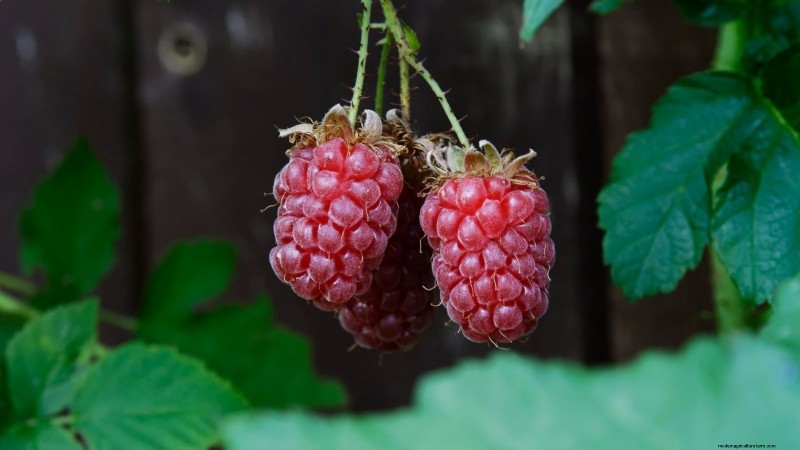
Suitable for hardiness zones 4‑8, Tayberries tolerate humid climates but may need extra watering in drier regions.
Their mid‑summer fruiting window ensures they are less vulnerable to late‑season frosts.
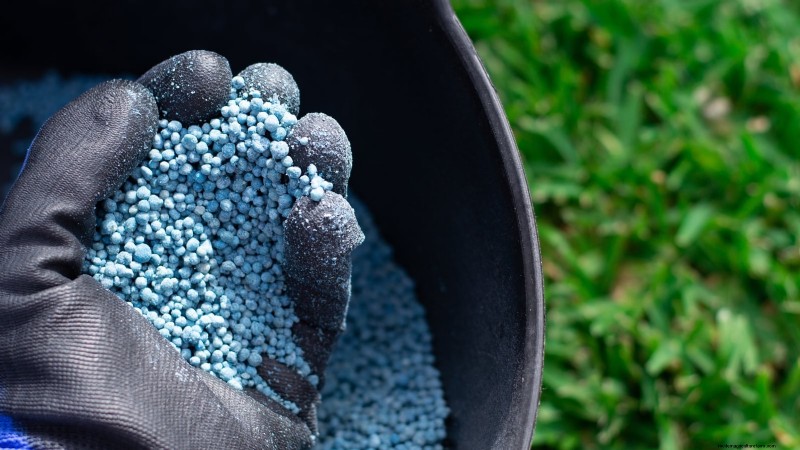
Because they thrive in organic soils, heavy fertilization is rarely necessary. A light application of a high‑phosphorus organic fertilizer in spring can boost flowering and fruiting.
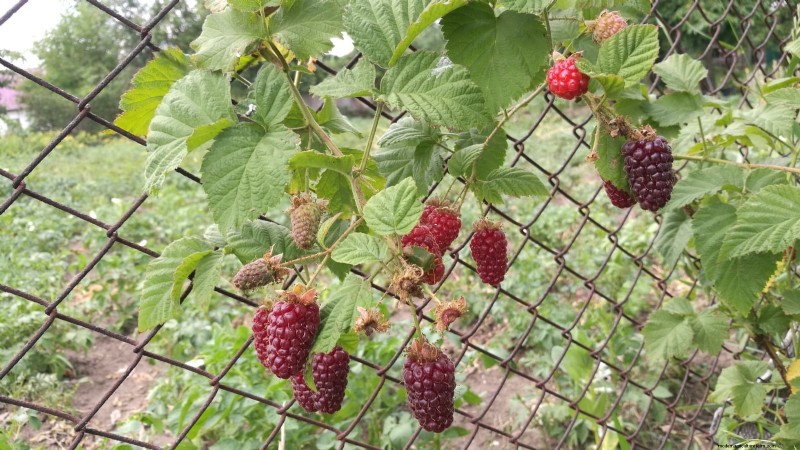
Once established, Tayberries require minimal care. Train canes on trellises or arbors, prune off dead fruiting canes after harvest, and regularly remove any weeds.
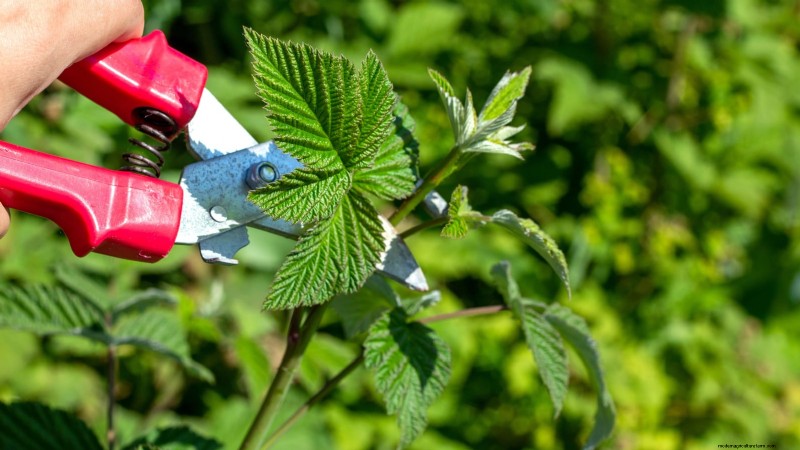
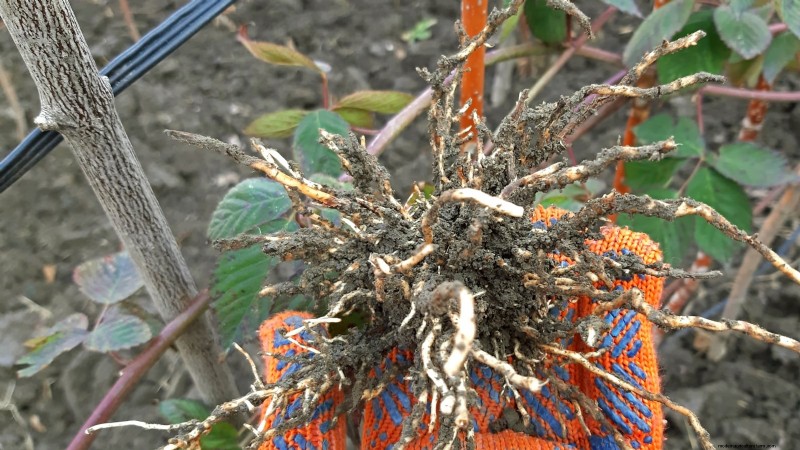
Proliferate Tayberries by tip layering, root cuttings, or suckers, ensuring each new plant receives ample support as it grows.
When a cane reaches the desired length, bend it into the soil and cover the joint with mulch. Once the tip roots, remove the original stem and allow the new plant to establish.
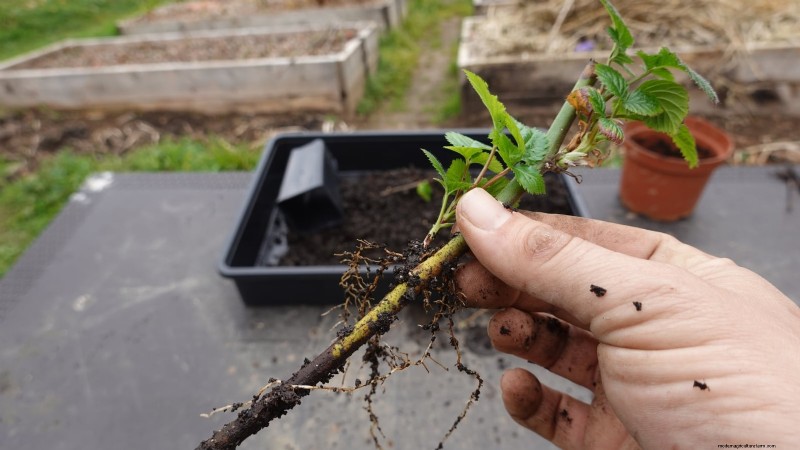
Take 6‑inch root cuttings in late winter, treat with rooting hormone, and plant in well‑drained soil. Water well and keep the soil moist until roots form.
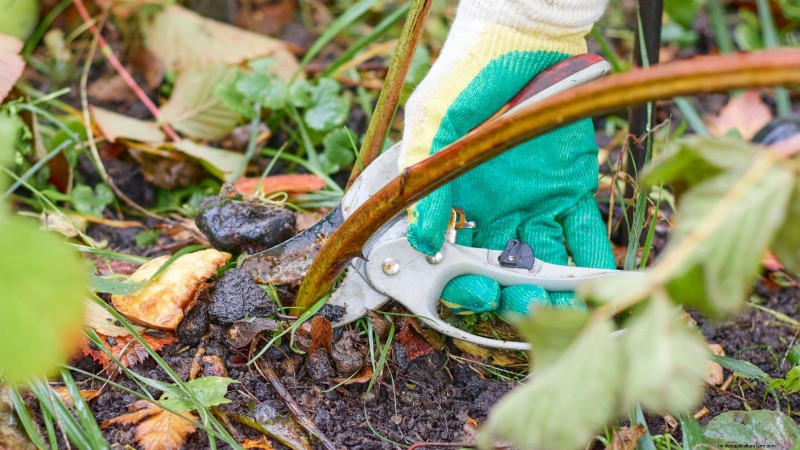
Dig up and transplant suckers carefully, ensuring the root system is intact. Water immediately and provide support as they grow.
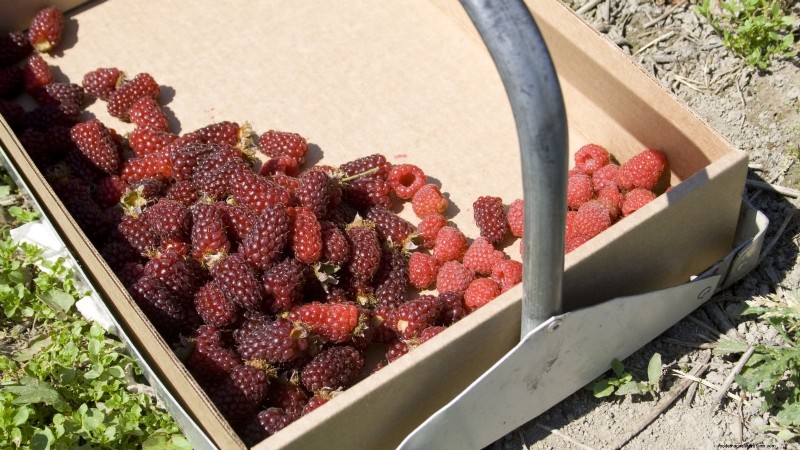
Harvest in July when the fruit has fully colored and is firm yet slightly soft. Because Tayberries are delicate, handle them gently to avoid bruising.
For preservation, chill the fruit promptly or use it in fresh preparations such as salads, fruit sauces, or homemade wine.
Like all brambles, Tayberries can suffer from pest and disease pressures if their growing conditions are suboptimal.
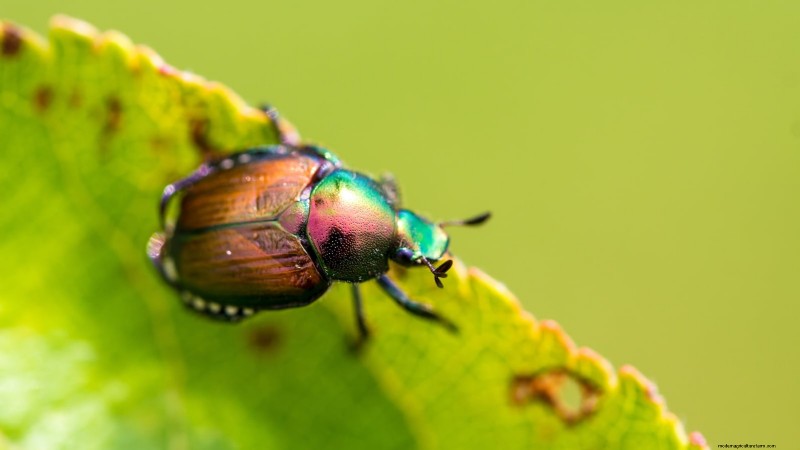
Japanese beetles are a frequent threat, creating defoliation and damage. Use barrier sprays or hand‑picking to control infestations.
Aphids and psyllids also pose a risk; consult an integrated pest management plan and use insecticidal soap if needed.
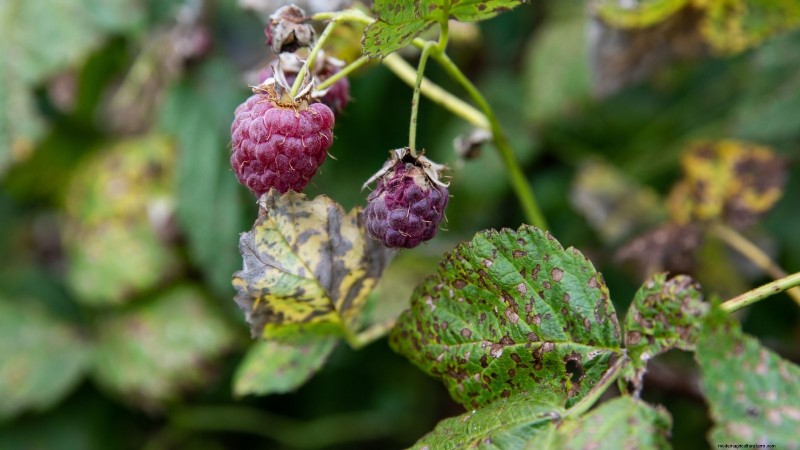
Overwatering can lead to root rot. Protect your plants by ensuring proper drainage and mulching to maintain a stable moisture level.
Fungal diseases such as gray mold (Botrytis) and blight can appear; remove infected leaves and avoid overhead watering to reduce incidence.
What makes Tayberries taste like both raspberries and blackberries? Their hybrid genetics give them a sweet, juicy profile with a subtle tartness.
Do Tayberries have thorns? Yes, the canes are thorny; protective gloves are recommended during harvesting.
Can I use dead canes after fruiting? Yes, prune them back; they will die after the season and allow new canes to form.
What is the origin of Tayberries? Developed in Scotland in 1980 by Derek Jennings, they were named after the River Tay.
Are Tayberries a mandible cross between blackberries and raspberries? Yes, they combine the strengths of both fruit types.


