Welcome to Modern Agriculture!

Growing vegetables in pots and containers unlocks a versatile edible landscape. Whether you’re cultivating a full‑sized planter or a single pot, container gardening offers a solid foundation for a productive harvest. It’s especially valuable in limited spaces, allowing precise control over soil quality and moisture while enabling flexible placement and sun exposure.
In this guide, we pair vegetables that thrive together, focusing on mutual benefits and complementary growth habits. The goal is to give each plant ample room while avoiding incompatible combinations that can crowd or compete.
A thriving vegetable container arrangement maximizes space for high yields and the nutritious, flavorful rewards of the season. Adding herbs and flowers diversifies the selection, boosts garden health, and creates a striking visual composition. Below are overall combinations and compact varieties that flourish side‑by‑side in containers.
Sweet Pepper
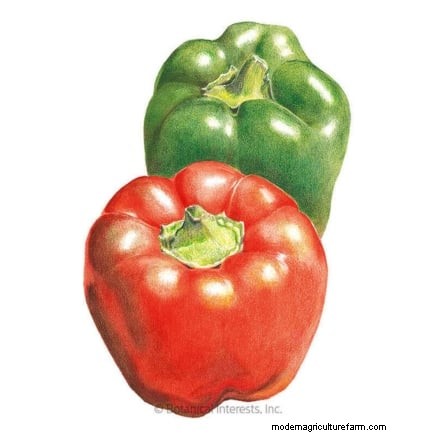
California Wonder Sweet Pepper Seeds
Cucumber
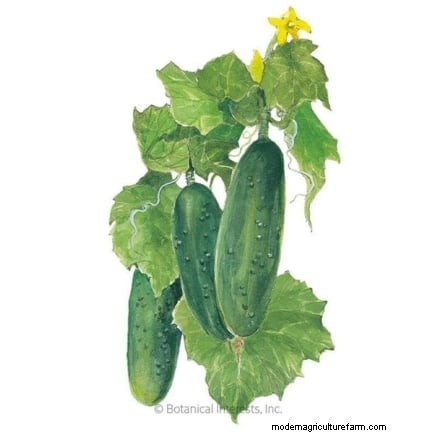
Spacemaster 80 Cucumber Seeds
Summer Squash
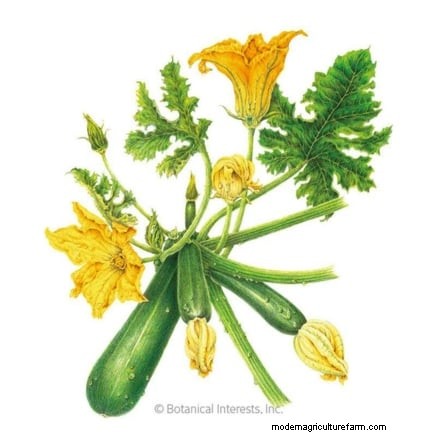
Emerald Delight Summer Squash Seeds
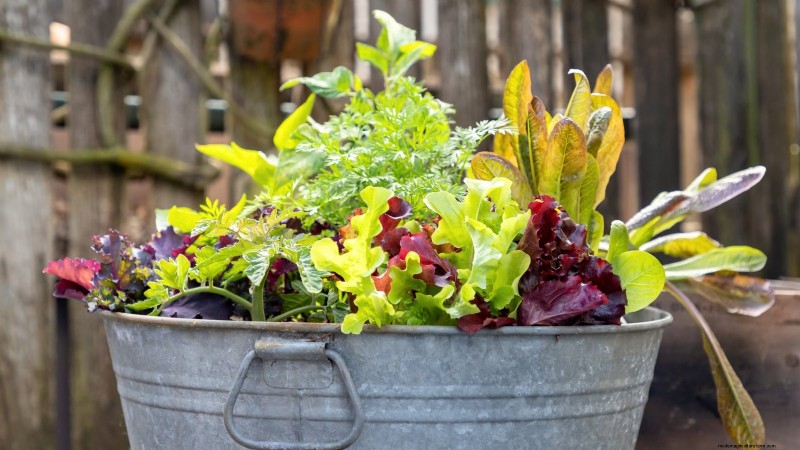
Companion planting arranges plants so they mutually benefit each other. It’s a space‑saving strategy that also reduces pest pressure through natural deterrents. Although not an exact science, the most effective pairings are supported by research and long‑standing horticultural practice.
Successful combinations often involve plants with differing growing seasons, providing a self‑sustaining harvest cycle. Some pairings offer shade for tender seedlings, while others feature complementary root structures that improve soil health without competing for nutrients. Flavor enhancement is another advantage, as certain plants release natural compounds that improve the taste of their neighbors.
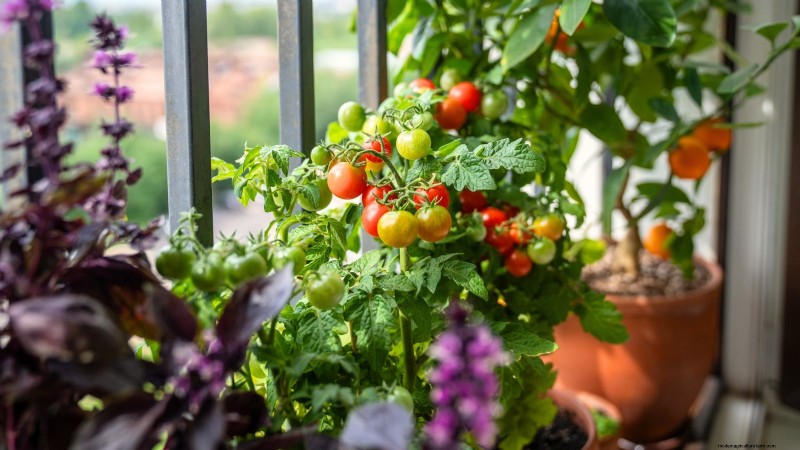
Begin by ensuring all plants in a container share similar growing conditions—sun exposure, moisture preference, and temperature tolerance. Observe how sunlight moves across your site to choose edibles that match the specific exposure. While most vegetables thrive in full sun (six or more hours per day), many also tolerate partial shade (four or more hours), especially in hot climates where afternoon shade protects against heat stress.
Potted vegetables dry out faster than in‑ground specimens, so easy access to water is essential. A simple drip system can evenly distribute moisture for containers with comparable needs. Good air circulation is mandatory to mitigate fungal problems; keep enough space between pots and prop them at a modest height.
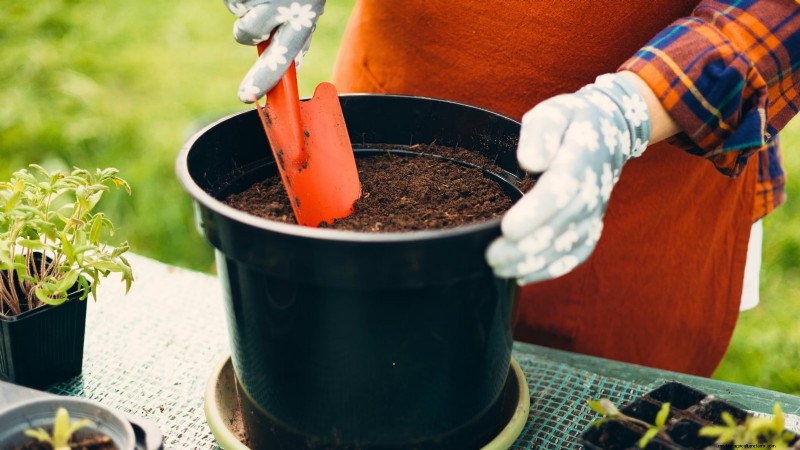
Large containers that accommodate close spacing are ideal for vegetable combinations. Mandate sufficient root volume—five gallons or more for most combinations—and ensure excellent drainage. High‑quality potting mixes formulated for container growth provide aeration, moisture retention, and a sterile environment. Amend with compost to boost nutrient content and improve drainage.
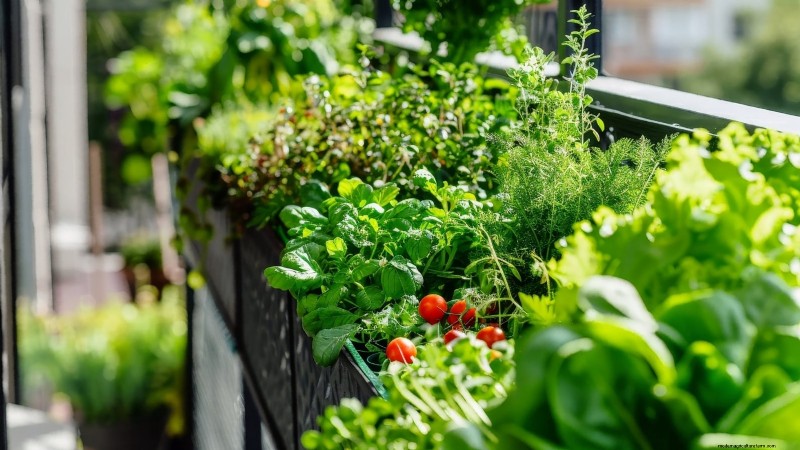
This classic trio delivers multiple benefits. Heat‑loving tomatoes reach maturity as cool‑season lettuces finish, creating an extended harvest window. The taller tomatoes also offer shade for the lettuce during hot afternoons. Basil and marigolds further enhance the mix by deterring thrips and other pests; studies confirm a measurable reduction in pest pressure when basil is present.
Choose determinate bush tomatoes, cherry varieties, or roma types for the best yield in a pot. If space is limited, pair a single tomato with one or two complementary plants to maximize the shared space.
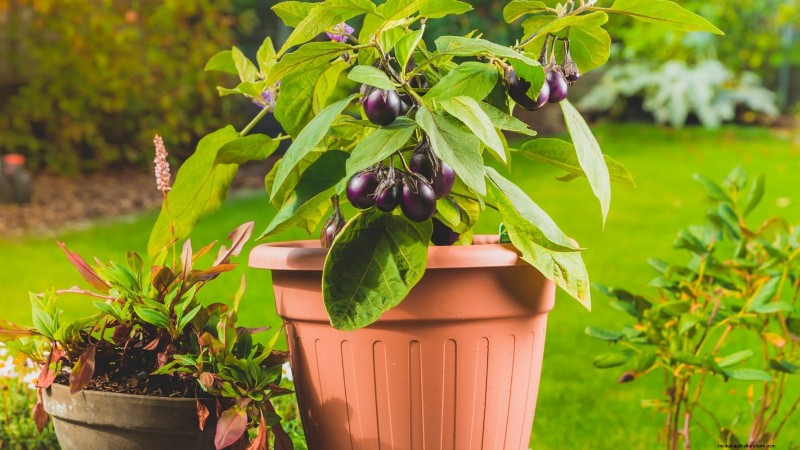
Both eggplants and bush beans are sturdy, compact varieties that thrive in containers. While they may take up space, they do not compete for the same nutrients, and beans’ nitrogen‑fixing ability enriches the soil. Eggplants also provide excellent scaffold for bean vines, adding structural interest to the planter.
Using dwarf varieties—such as the ‘Jewel Amethyst’ eggplant, which yields rich, dark‑colored fruits, and the ‘Maxibel Filet’ bush bean, a two‑foot‑tall French bean—ensures a dense, productive arrangement without sprawling vines.
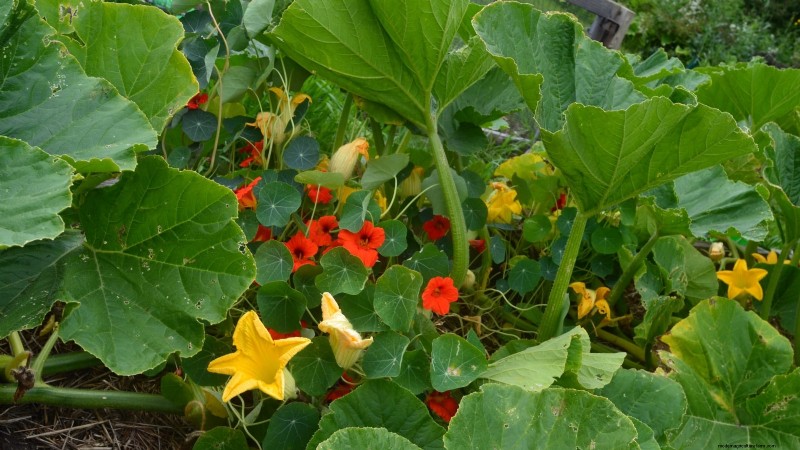
Squash acts as the centerpiece, while nasturtium’s trailing stems create a natural barrier that keeps cucurbits separate. Growing squash vertically with a trellis or choosing a compact bush type reduces the need for extensive support.
Nasturtium’s edible leaves and flowers attract pollinators and beneficial insects—ladybugs, hoverflies, and parasitic wasps—serving as a natural pest‑control system. Pairing with tomatoes, peppers, or beans is also effective, with varieties such as ‘Emerald Delight’ squash, pumpkin ‘Jack Be Little,’ and acorn squash ‘Table King’ providing attractive shapes.
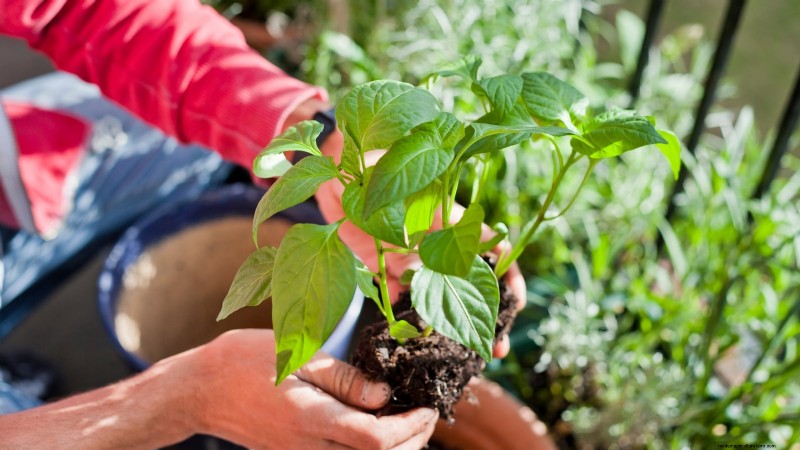
Peppers from bell to chile flourish in pots, especially when paired with alliums like scallions and herbs such as cilantro. Alliums repel aphids, thrips, and beetles, offering natural pest defense. Scallions require minimal root space and can thrive in five‑gallon buckets, making them ideal companions.
Heat‑tolerant cultivars—‘Early Jalapeno Chile’ and ‘California Wonder Sweet Bell’—perform well across seasons. Adding rosemary, dill, or cilantro amplifies the repellent effect and enriches the garden’s aromatic profile.
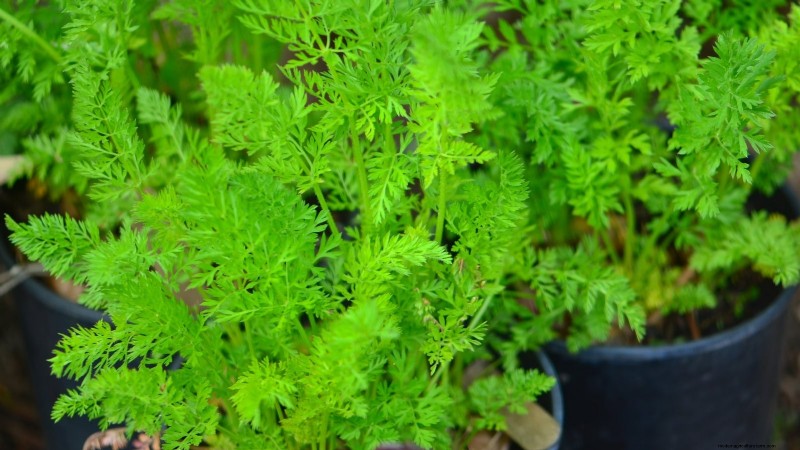
Radishes are quick to break through the soil, loosening the medium for carrot seedlings. Harvesting radishes early creates space for the carrot’s root to develop. Pairing with lettuce or tomatoes offers complementary textures for salads.
Small carrot varieties—‘Little Finger’ and ‘Tonda di Parigi’—produce compact taproots that suit container growth. Coupling carrots with tomatoes attracts parasitic wasps, adding another layer of natural pest control.
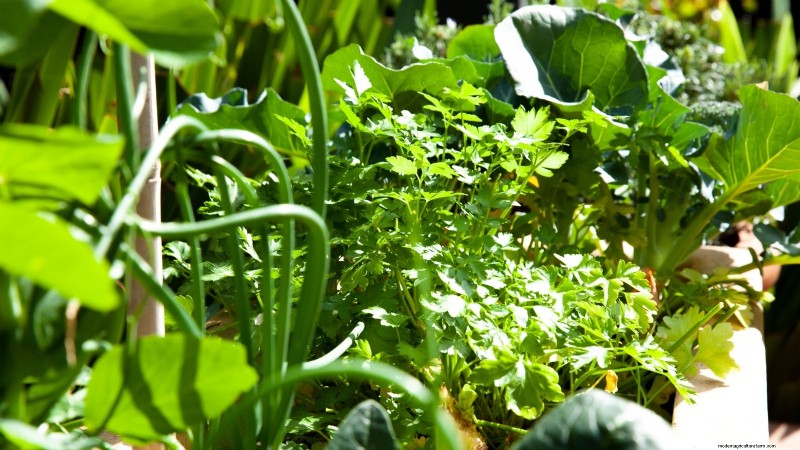
Broccoli, especially the Chinese broccoli (kailaan) and broccolini (rapini), provides a sturdy framework and shade for delicate Swiss chard and leeks. These cooler‑season greens thrive under the cooler afternoon shade cast by broccoli, extending the harvest period in warmer climates.
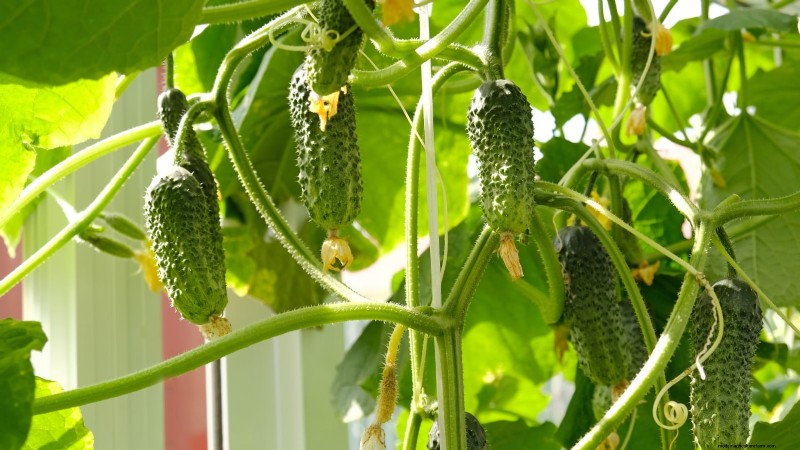
Compact cucumber varieties—like ‘Spacemaster 80’—grow well without staking, producing full‑size cucumbers or early pickles. Dill’s flat, bright blooms attract pollinators and beneficial insects that control aphids and cucumber beetles.
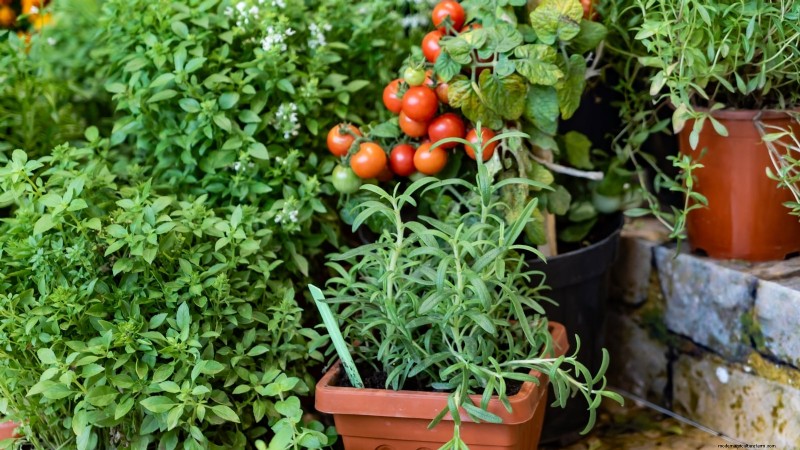
Container gardens lend themselves to themed arrangements. A pizza garden could feature Roma tomatoes, onions, garlic, oregano, basil, thyme, and sweet peppers—providing all the fresh toppings needed for a homemade pizza. The vertical space of a large planter can accommodate this variety while keeping the mix visually cohesive.
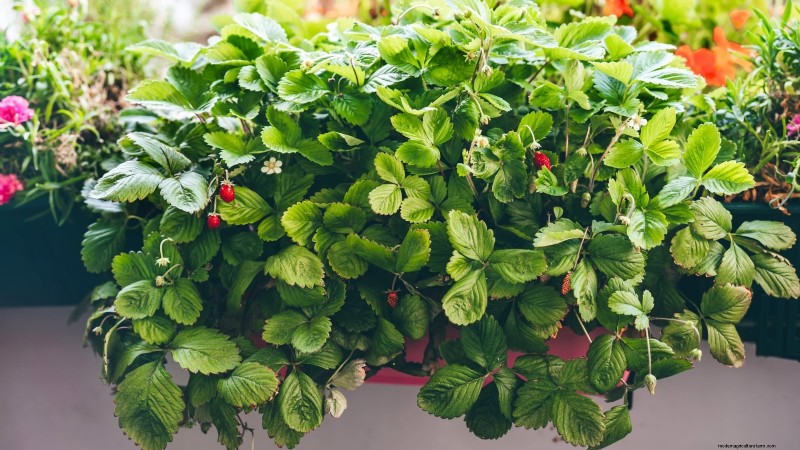
Summer smoothies benefit from fresh, nutrient‑rich ingredients grown in containers. Combine strawberries, broccoli, carrots, spinach, and ginger to create a colorful, high‑fiber blend. Herbs such as mint or basil add a refreshing finish. The immediate availability of fresh produce from the garden encourages regular consumption and maximizes nutritional value.