
Welcome to Modern Agriculture!

Honeydew melons, or Cucumis melo, are prized for their smooth skin, mild flavor, and subtle aroma—traits that define a “flavor‑blooming” fruit rather than a fragrant one. While often overlooked in favor of watermelon or cantaloupe, a home‑grown honeydew delivers the same refreshing, sweet taste that can rival any other fruit. These melons are especially appealing because they retain their flavor even after ripening, making them perfect for quick, tasty bites.
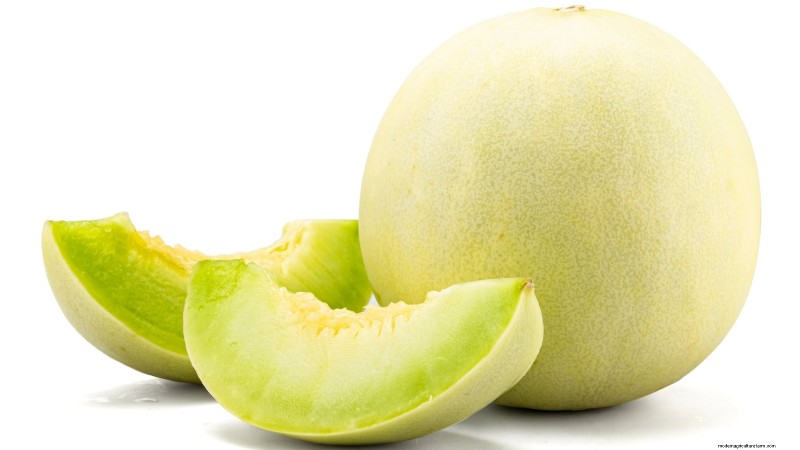
Honeydew melons are a type of muskmelon with smooth, pale skin and light green flesh. Unlike cantaloupes, they lack the characteristic “must‑taste” aroma—hence the name “inodorus,” meaning “without scent.” They belong to the same species as cantaloupes and crenshaws, making them an excellent choice for a home‑grown garden.
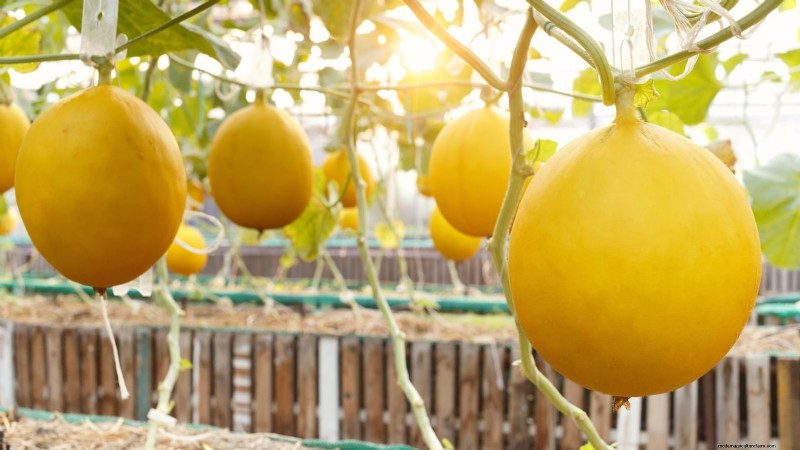
Typical honeydews have a waxy skin ranging from pale green to golden yellow and a light green flesh. The fruit usually weighs 5–10 lb at maturity. They grow on long, trailing vines that produce yellow flowers which eventually develop into the sweet fruit.
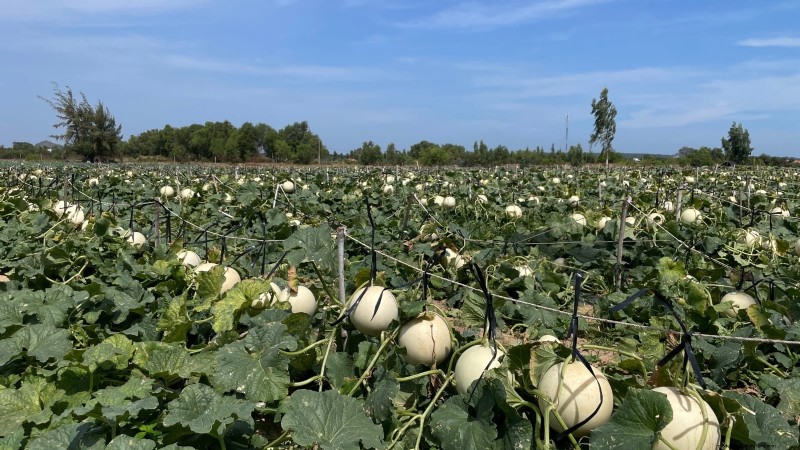
Originating in Africa and southwest Asia, honeydew melons spread to Europe and the Americas through centuries of trade. By the early 1900s, they had become a staple in U.S. gardens.
Honeydews need warm weather and must not see frost before they mature. They typically take 75–100 days to reach harvest readiness, so timing is critical.
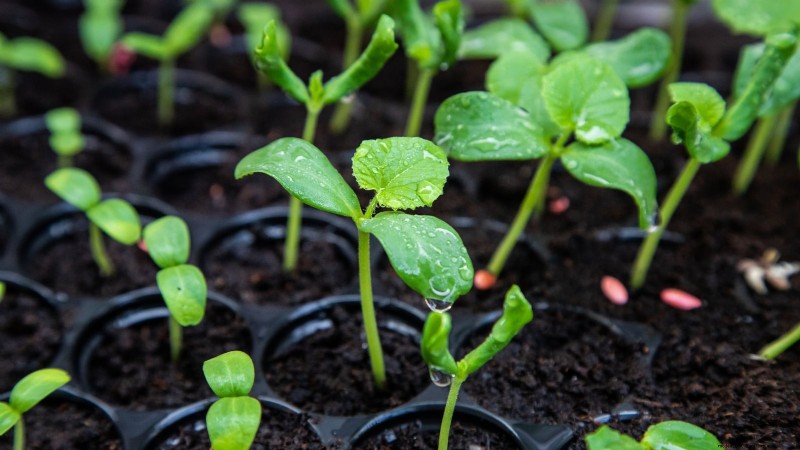
For regions with a short growing season, begin seeds indoors 1–3 weeks before the last frost. Use larger cell trays or small pots, placing 1–2 seeds per cell at a depth of about 0.5 in. Keep the soil temperature 70–85 °F (21–29 °C) for optimal germination. Provide 12–14 h of light daily and maintain moisture without drying out.
After seedlings are fully developed, harden them by gradually reducing moisture and temperature, preparing the plant for transplanting.
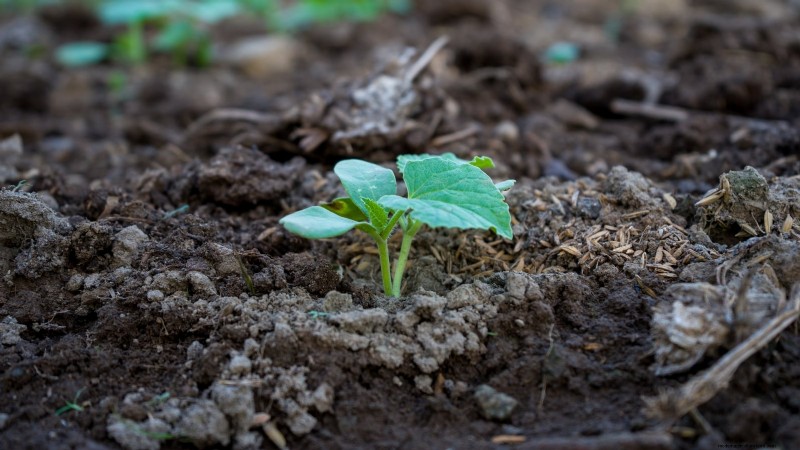
In warmer climates, sow seeds outdoors once the soil warms to ≥65 °F (18 °C) and nights stay above 50 °F (10 °C). Plant 2–3 seeds per hole, spacing clusters 2 ft apart and rows 5–6 ft apart. Thin to one robust plant after the first true leaves appear.
Maintain a pH of 6.0–7.0 and enrich with compost to improve soil structure.
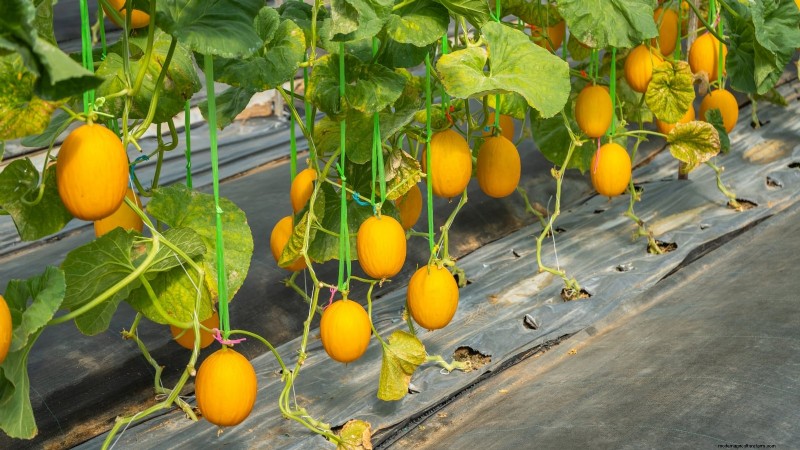
Harvest when the skin turns creamy yellow. Check for a soft, fragrant blossom end to confirm ripeness.
Keep a home‑grown honeydew cool and dry for up to 14 days. Once cut, seal it in a refrigerator or at least keep the temperature at 35–45 °F.
Honeydew melons are susceptible to aphids, cucumber beetles, powdery mildew, downy mildew, and bacterial wilt. Early detection and preventative measures reduce damage.
These insects act as natural enemies. Encourage ladybugs and lacewings.
Use row covers for protection during early growth stages.
Ensure good airflow and apply anti‑fungal treatments.
Apply water‑proof coatings before disease development.
Preventative action is critical; no cure once established.


