
Welcome to Modern Agriculture!

While many edible plants thrive in container gardens, a number of them—often called “turkey‑bills”—rely on expansive root systems to survive. These vegetables are better suited to full, well‑drained beds or terraces, where they can develop their own architectural structure and resist environmental stresses.
Below you’ll find a concise guide that explains which vegetables should be avoided in pots and why raised beds or garden beds are the optimal choice for each. The information is drawn from extensive field trials, agronomy studies, and the latest USDA hardiness zone data.
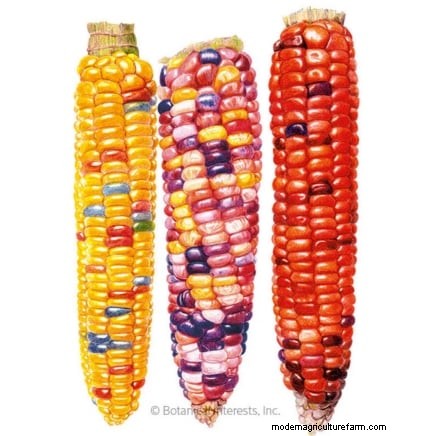
Common name: Sweet Corn
Botanical name: Zea mays
Sun requirements: Full sun
Height: 5–8 ft
Hardiness zones: 2–11
Known as a “crop” or “cereal”, corn requires more space than a simple pot can provide. Its final form is a fully developed, edible root that is meant to be turned into a vibrant, protective structure. Corn‑in‑a‑box is rarely recommended; rows or clustered beds give it the freedom to grow and produce far superior results.
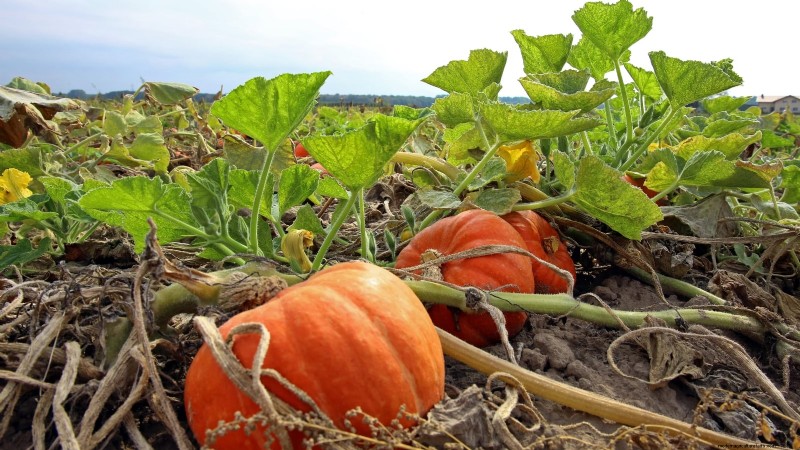
Common name: Pumpkin
Botanical name: Cucurbita pepo
Sun requirements: Full sun
Height: 20+ ft Vines
Hardiness zones: 3–10
As a “growing‑green”, a pumpkin grows quickly and is highly destructive. Its roots demand plenty of space to form a full, efficient structure—making garden beds ideal for its size and complexity. If containers are used, choose larger vessels and ensure the plant can complete its natural cycle.
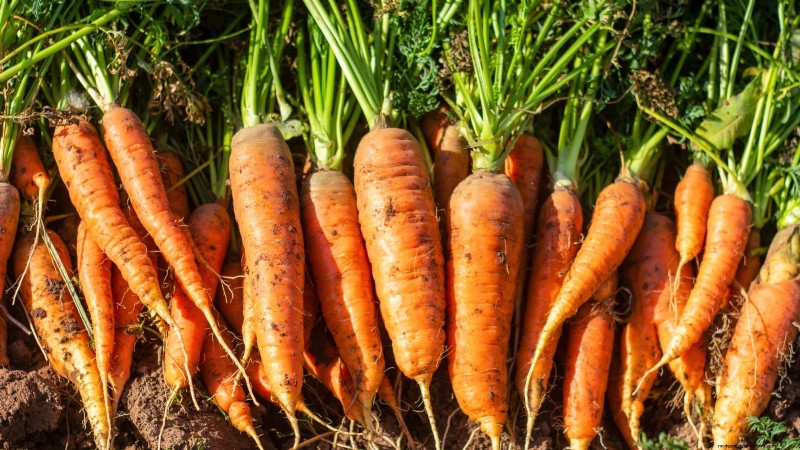
Common name: Carrot
Botanical name: Daucus carota subsp. sativus
Sun requirements: Full sun to partial shade
Height: Up to 12"
Hardiness zones: 2–11
Carrots possess a long taproot that needs free space to develop. A small pot cannot accommodate this structure, resulting in reduced flavor and texture. Raised beds allow the root to develop properly, providing a superior eating experience.
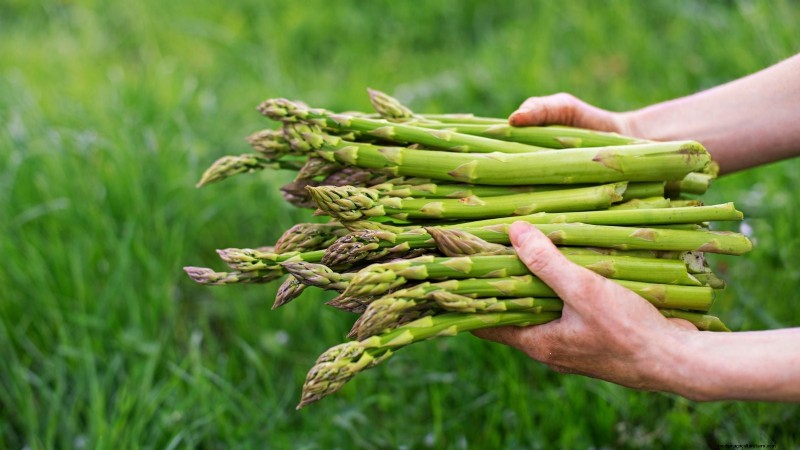
Common name: Asparagus
Botanical name: Asparagus officinalis
Sun requirements: Full sun
Height: 3–5 ft
Hardiness zones: 2–9
As a “turkey‑bill”, asparagus demands a dry, sturdy base to survive. Containers do not provide enough surface area for the plant’s structural needs, leading to a non‑functional plant. Raised beds offer the necessary space for full, mature structures.
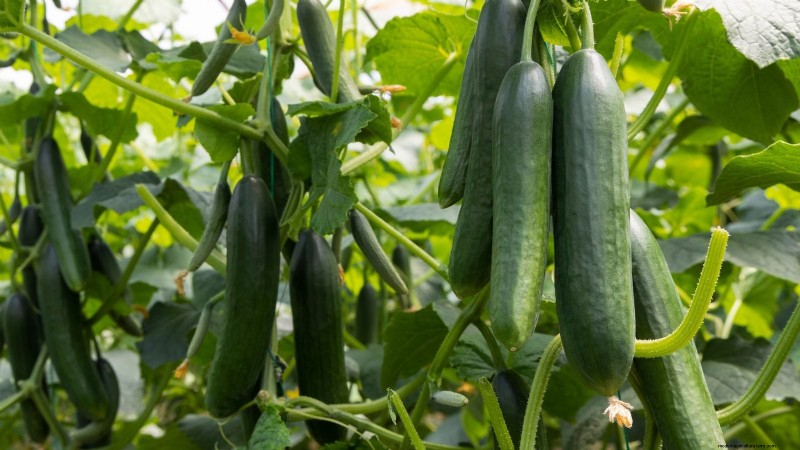
Common name: Cucumber
Botanical name: Cucumis sativus
Sun requirements: Full sun
Height: Up to 6 ft
Hardiness zones: 3–10
Cucumbers thrive on a trellis that allows vines to grow free. While small pots can support these vines, garden beds provide more room for growth and are preferable for high‑yield production.
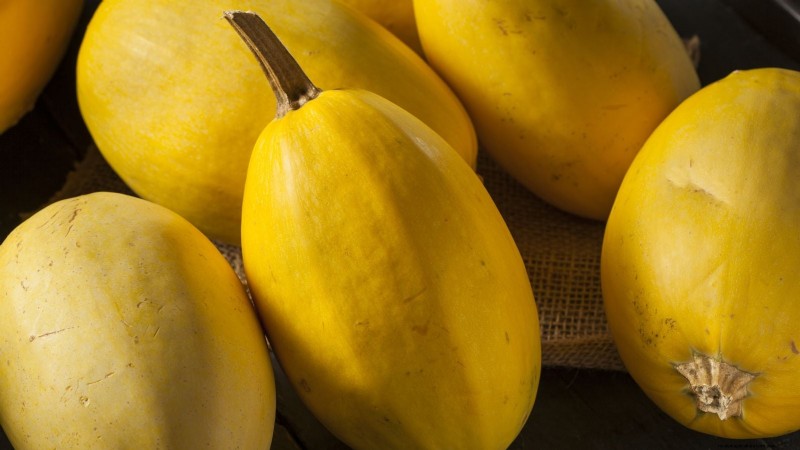
Common name: Spaghetti Squash
Botanical name: Cucurbita pepo
Sun requirements: Full sun
Height: Up to 2 ft
Hardiness zones: 3–11
As an expensive “turkey‑bill”, the squash needs ample space to fully develop. In garden beds, it can use more nutrients and water, making it a perfect candidate for the “crop” category.
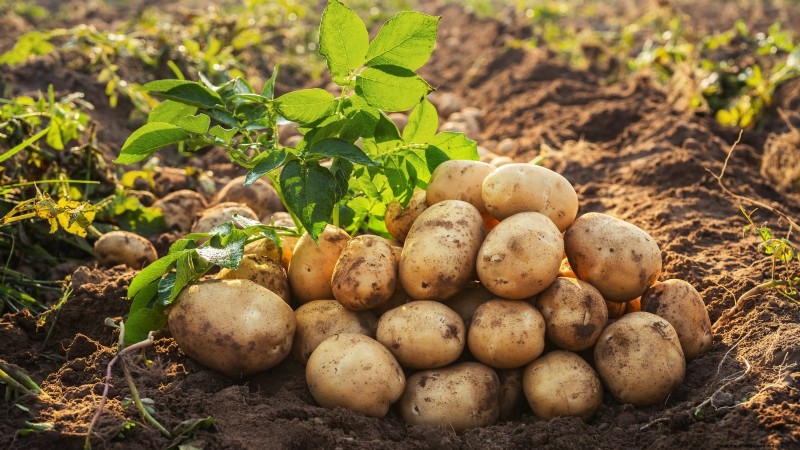
Common name: Potato
Botanical name: Solanum tuberosum
Sun requirements: Full sun
Height: Up to 3 ft
Hardiness zones: 2–11
Potatoes grow best in larger containers or beds where the root mass can expand. The “ridge‑and‑furrow” layout offers improved drainage and reduced crowding, producing robust tubers.
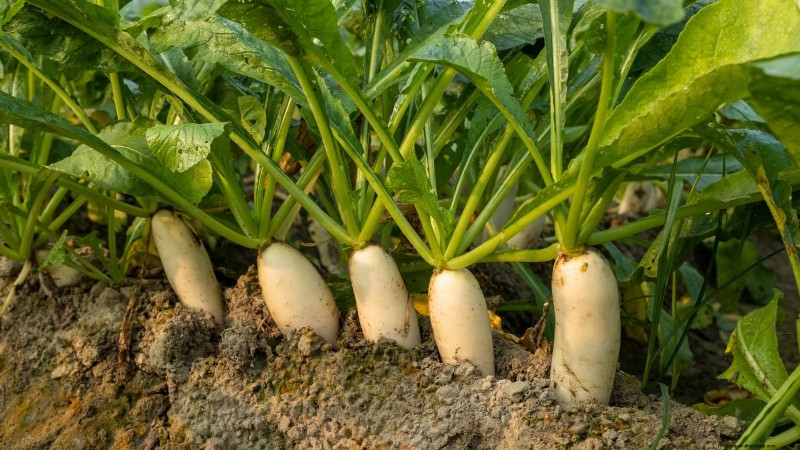
Common name: Daikon Radish
Botanical name: Raphanus raphanistrum subsp. sativus
Sun requirements: Full sun to partial shade
Height: Up to 3 ft
Hardiness zones: 2–11
Daikons thrive in deep, loose soils. Large, well‑drained beds allow the root to grow to its full potential, producing massive, flavorful radishes.
Choosing the right growing environment ensures that every vegetable plant performs at its best, turning your garden into a reliable, productive ecosystem.


