Welcome to Modern Agriculture!

Carrots add a sweet, crisp bite to salads, stir‑fries, and baked goods while delivering a powerhouse of antioxidants, vitamins, and beta‑carotene. Their spectrum of hues—from ruby‑red to fuchsia, deep purple, and pale white—turns a simple vegetable into a visual feast.
While the orange carrot we know today dominated the market, heirloom and hybrid varieties in shades of red, purple, and white have been cultivated for nearly a millennium. These colorful carrots are now back in style, offering both culinary delight and nutritional depth. They’re easy to grow in any garden, whether you’re a seasoned grower or a weekend hobbyist.
In this guide we’ll walk you through nine standout varieties, from classic “Carnival Blend” to the striking “Lunar White.” For each, we’ll share botanical details, growing requirements, and tips for harvesting the freshest, most flavorful roots.
Getting Started
All carrot varieties thrive best when sown directly into the soil to avoid disturbing the taproot. Plant seeds two to four weeks before the last expected frost, ensuring soil temperatures of at least 45 °F (7 °C). Spread seeds on the surface, then lightly press them into the soil about ¼ inch deep. Maintain consistent moisture and keep the beds free of weeds for optimal growth.

Botanical name: Daucus carota ‘Carnival Blend’
Sun requirements: Full sun to partial shade
Height: 8‑10 inches
‘Carnival Blend’ bursts onto the garden with a spectrum of magenta, red, purple, yellow, orange, and white roots. With a heritage spanning a thousand years across Europe and Asia, this heirloom blend matures in 65‑75 days. Harvest baby carrots at 3‑4 inches for a quick snack, or wait until 8‑10 inches for a dramatic centerpiece. Root shapes vary—tapered for purple, orange, and yellow, rounded for red—adding texture to any plate.

Botanical name: Daucus carota ‘Tendersweet’
Sun requirements: Full sun to partial shade
Height: 8‑10 inches
Classic orange meets a vibrant red‑orange in ‘Tendersweet.’ These long, slender roots stay richly colored whether eaten raw or cooked, making them a versatile choice for salads, roasts, and stews. They ripen in about 70 days, offering both sweetness and crunch.

Botanical name: Daucus carota ‘Atomic Red’
Sun requirements: Full sun to partial shade
Height: 8‑10 inches
‘Atomic Red’ features a deep red outer skin and a bright orange core, a hallmark of the Imperator type known for long, tapered roots. Originating in 18th‑century China, India, and Japan, this variety stores well and boasts a high lycopene content that gives it its striking hue. Cooked, the orange core pops against the red shell, making it perfect for roasting, steaming, or stir‑frying.
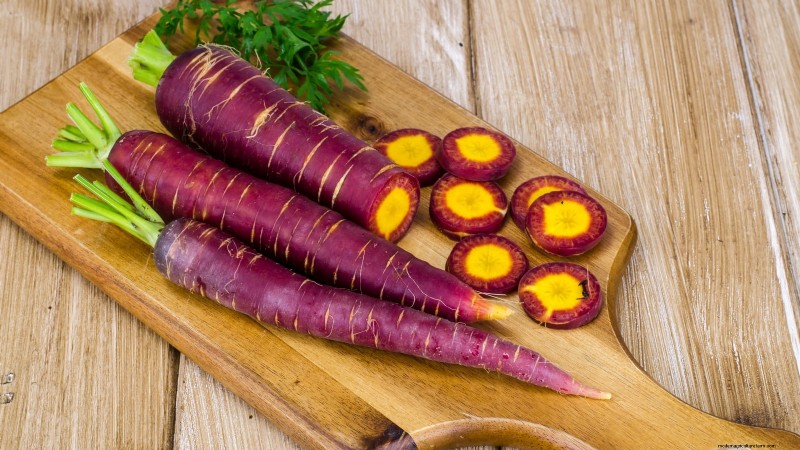
Botanical name: Daucus carota ‘Cosmic Purple’
Sun requirements: Full sun to partial shade
Height: 6‑7 inches
With a deep purple exterior and a crisp orange interior, ‘Cosmic Purple’ is a true visual and nutritional marvel. Its anthocyanin content—equal to that of blueberries—provides powerful antioxidant benefits. A 70‑day maturity period yields conical roots that taper to a fine tip.

Botanical name: Daucus carota ‘Shin Kuroda’
Sun requirements: Full sun to partial shade
Height: 5 inches
Back to a deep, saturated red‑orange, ‘Shin Kuroda’ thrives in warm climates. Its stout, five‑inch roots handle dense, sandy loam and even less fertile soils, provided drainage is adequate. After 75 days, these carrots are sweet, juicy, and ideal for both fresh consumption and canning.

Botanical name: Daucus carota ‘Calliope Blend’
Sun requirements: Full sun to partial shade
Height: 8‑10 inches
‘Calliope Blend’ offers a rainbow of colors—red, gold, orange, purple, and white—all in one planting. Rounded ends appear on white and red varieties, while the others taper gracefully. Mature in 65‑75 days, these carrots can be harvested early for bite‑sized delights or left to reach full length for dramatic displays. In mild climates, successive sowings every three weeks keep the color cycle alive.

Botanical name: Daucus carota ‘Rainbow’
Sun requirements: Full sun to partial shade
Height: 7‑9 inches
‘Rainbow’ is a single cultivar derived from Nantes and Imperator crosses, delivering soft coral, orange, and yellow roots of uniform size. The 67‑day growth cycle produces crisp, sweet carrots that shine whether roasted, pickled, or served raw.
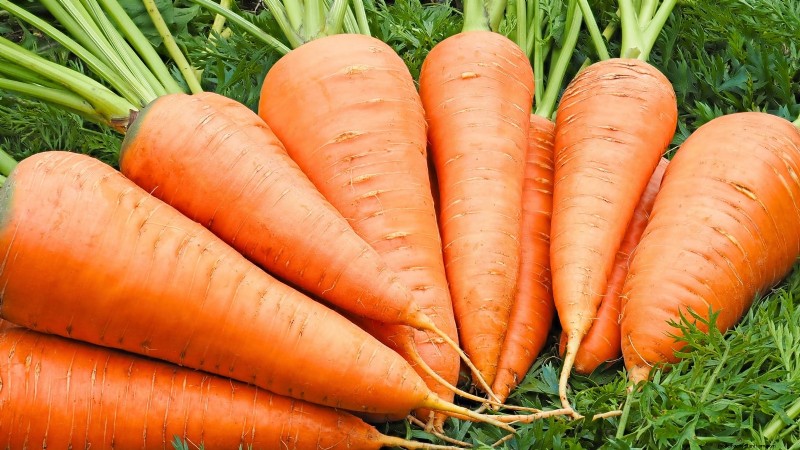
Botanical name: Daucus carota ‘Red Cored Chantenay’
Sun requirements: Full sun to partial shade
Height: 5‑7 inches
Originating in 19th‑century France, this Chantenay heirloom boasts a rich red‑orange hue with a darker core. Its short, stout, blunt‑ended roots are perfect for dense soils and shallow beds, making it a favorite for juicing, soups, and canning. The sturdy roots resist splitting, cracking, and forking, even in challenging soil conditions.
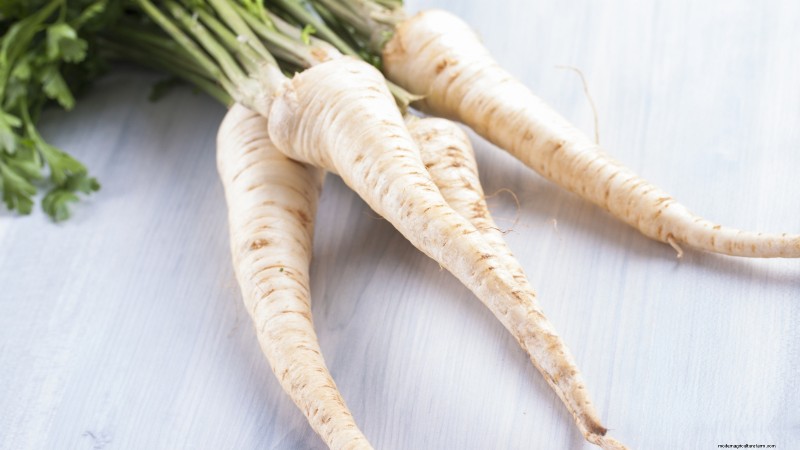
Botanical name: Daucus carota ‘Lunar White’
Sun requirements: Full sun to partial shade
Height: 8‑12 inches
Tracing back to 17th‑century wild carrots, ‘Lunar White’ presents a creamy white shaft with green shoulders. Its sweet, mild flavor intensifies with cooking, yet it remains crisp enough for baby carrots. After 75 days, the cylindrical roots reach 8‑12 inches, offering excellent storage potential and adaptability across soil types.
With these nine varieties, your garden can become a living palette of color, flavor, and nutrition. Happy planting!