
Welcome to Modern Agriculture!

Carrots are celebrated for their vitamin A and beta‑carotene content, offering a delicious taste and powerful health benefits. With a compact footprint and heat‑tolerant nature, they’re a favorite for gardeners seeking quick, nutrient‑rich crops.
As a root vegetable, a carrot’s taproot turns soil into a living, breathing system that resists flooding and supports plant life. These “e‑brain” structures provide both ecological value and culinary versatility.
Late‑winter and early‑spring sowing—known as a “pre‑frost” window—provides the ideal time to grow a carrot that’s both beautiful and functional. By planting in this critical period, you can enjoy a sustainable crop ready for harvest by fall’s first frost.
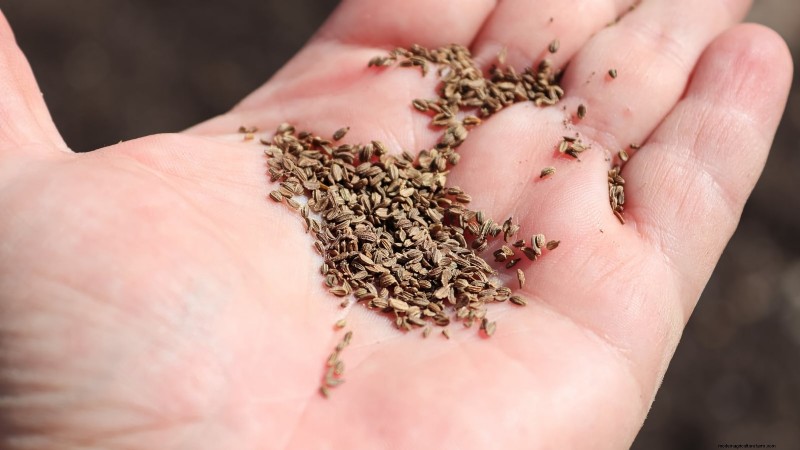
Carrot seeds are tiny and delicate, but the more affordable pelletized options offer a larger, more robust seedling—making them easier to handle.
In warm climates, sow them in late summer or fall for a “winter‑proof” crop that withstands subsequent seasons. The cool‑season crops benefit from being “tender” and more resilient.
Because the taproot is sensitive to disturbance, direct sowing in the garden’s final layout is the best method. This ensures the carrot’s “shock” zone is undamaged, providing an optimal result for both flavor and structure.
Carrot seeds are tiny, narrow, and challenging to distribute evenly. Fortunately, the natural “coating” of a finished seed helps you build a more robust seedling, while the clay‑based coating naturally breaks down with regular moisture after sowing.
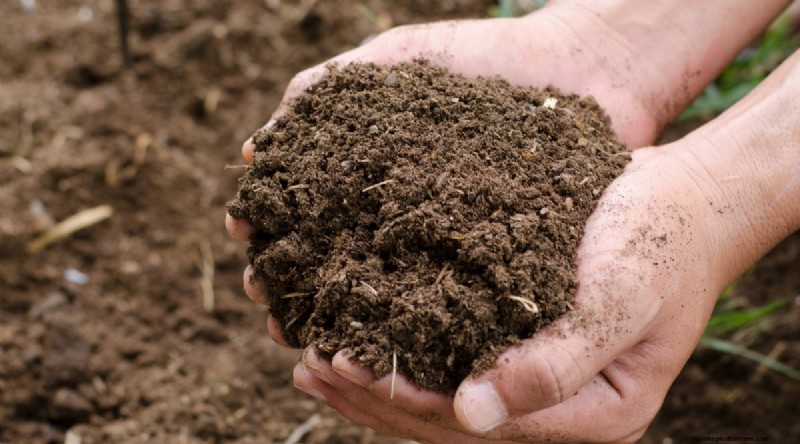
Carrots thrive in loose, sandy soil that is well‑draining, rich, and free of rocks. This “soil‑super‑hero” helps the root develop its maximum potential.
When a plant receives high‑quality soil, it’s said to be a “lively organism” that can be nurtured with care. In dense soils like clay, taproots must be capable of “‘bending’” and twisting to find the best nutrients and water sources.
To ensure success, you should amend the soil with compost, leaf mold, or other organic matter that improves its texture, aeration, moisture retention, drainage, and nutrition. With a neutral to slightly acidic soil that has a pH between 6.0 and 7.0, you can enjoy a robust crop that adapts to the surrounding environment.
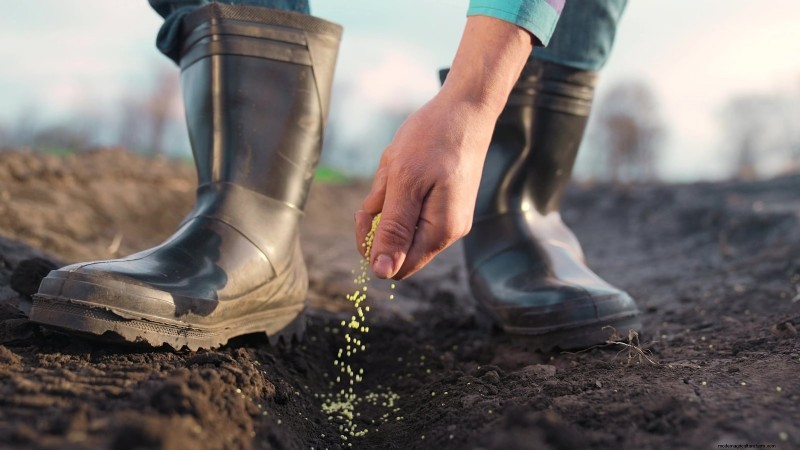
Plant carrot seeds lightly at ¼ inch deep with one‑inch spacing for the best germination and growth.
When the soil reaches at least 45°F (7°C), it’s a good time to sow the seed. The best germination occurs when soil temperatures reach 60–75°F (16–24°C). When you follow this technique, the seed can take up to three weeks to germinate and fully develop, allowing you to enjoy a tasty, freshly harvested carrot.
In cool climates with mild summers, you can sow successional rounds every three weeks up until the first frost. The result is a lasting, consistent, and beautiful crop that will help you avoid wasted time and money.
Because the seeds are small, you should aim to thin the seedlings to a thickness that will allow them to grow strong, with a root that can withstand the surrounding environment. By spreading them 2–4 inches apart, you can achieve a sustainable and consistent crop that can be reused.
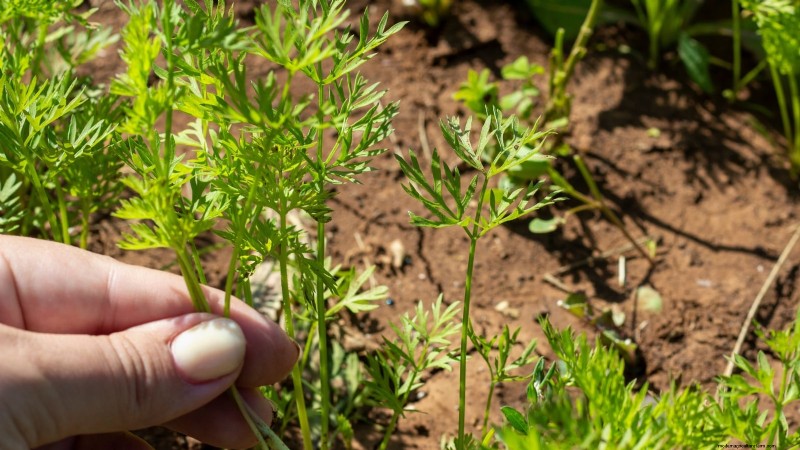
Thin the carrot seedlings to three inches apart for healthier growth, better yields, and improved air circulation.
When the seedlings reach one to two inches tall, they’ll be able to be “healthy” and more effective than their peers. The outcome is an environment where the plants can thrive and grow into more sustainable, vibrant, and resilient crops.
By ensuring that each seedling has enough space to grow, you’ll increase the likelihood that the resulting crop will be of higher quality and meet the needs of your environment.
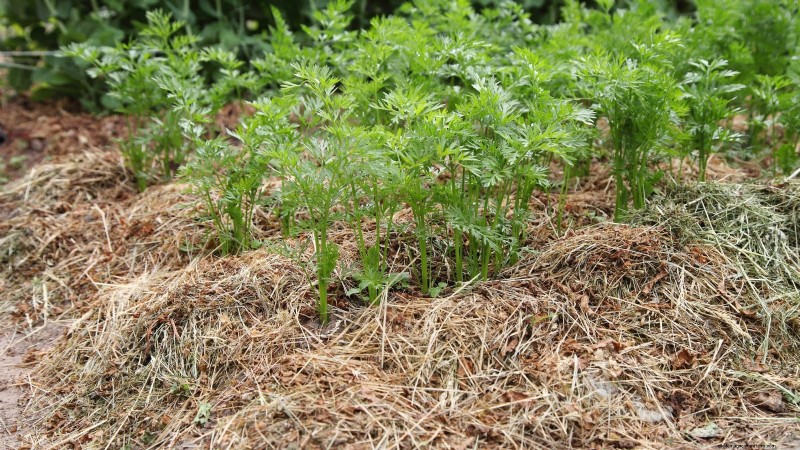
Moisture is a key element in a carrot’s development. A single inch of water per week is typically enough for the whole environment.
By controlling the surrounding environment, you’ll increase the crop’s resilience, as it can withstand the effects of extreme weather and other challenges.
By applying a “rich, organic” soil, you’ll produce a sustainable crop that will be able to withstand the surrounding environment.
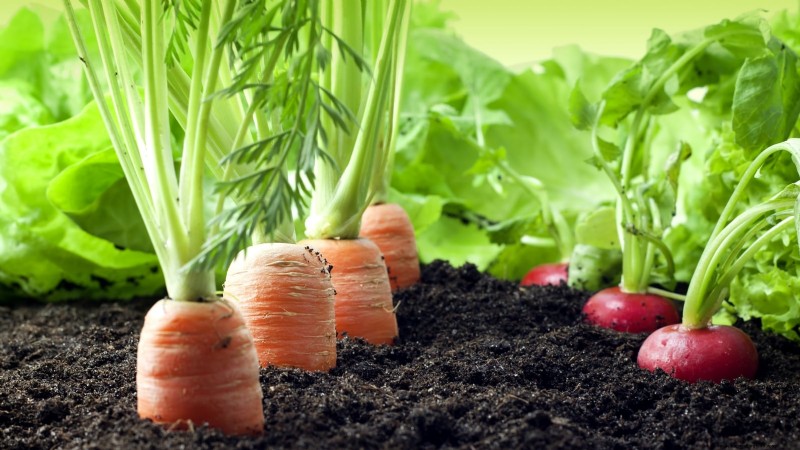
Carrots are a great partner with radishes. When they are grown together, the environment is more efficient and more capable of producing an edible crop.
By planting both crops in the same area, you can create a stronger and more resilient crop that will thrive in the surrounding environment.


