Welcome to Modern Agriculture!

Romaine lettuce, also known as cos lettuce, is a staple in kitchens worldwide. Its long, boat‑shaped leaves offer a crisp midrib that holds up under heat, making it ideal for salads, wraps, and grilled dishes.
Growing romaine at home is straightforward when you provide the right conditions and care. Below, we walk you through seed start, transplanting, maintenance, and harvest, plus expert strategies for light, water, soil, pests, and diseases.
Parris Island Cos
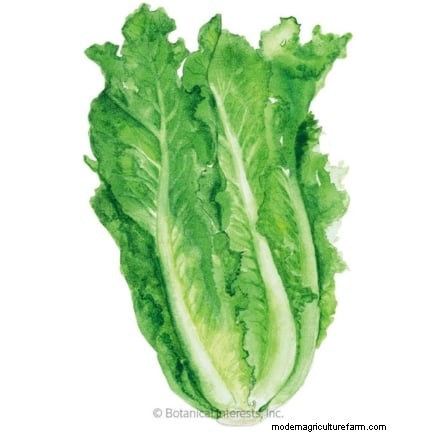
Parris Island Cos Romaine Lettuce Seeds
Freckles
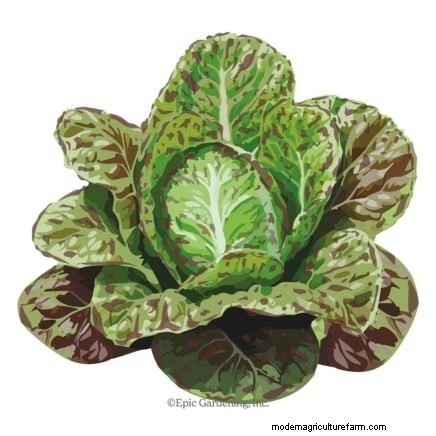
Vivian
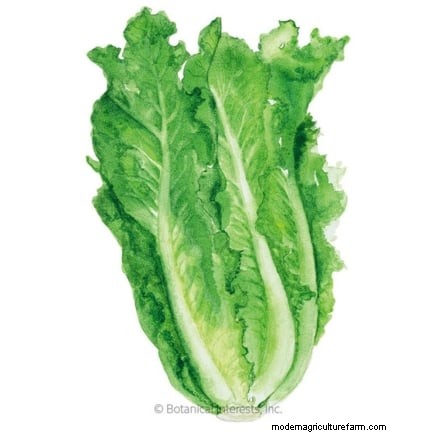
Vivian Romaine Lettuce Seeds
Lactuca sativa ‘Romaine Lettuce’ Overview
Plant Type: Annual
Family: Asteraceae
Genus: Lactuca
Species: Lactuca sativa
Native Area: Mediterranean
Exposure: Full sun to partial shade
Height: 8–18″
Watering Requirements: Moderate
Pests & Diseases: Aphids, thrips, botrytis, anthracnose, leaf drop
Maintenance: Low
Soil Type: Well‑draining
Hardiness Zone: 2–11
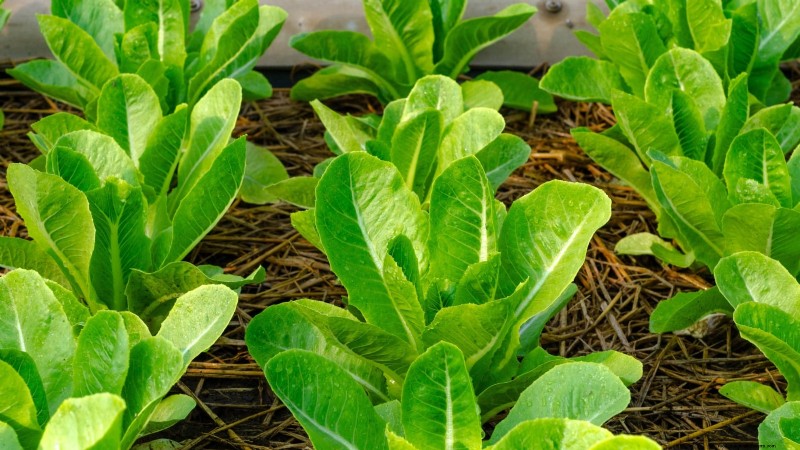
Romaine lettuce is an upright, crisp green that thrives in cooler weather. Its thick midribs give it a crunchier bite than other lettuces, and it can be found in both deep‑green and vibrant red cultivars.
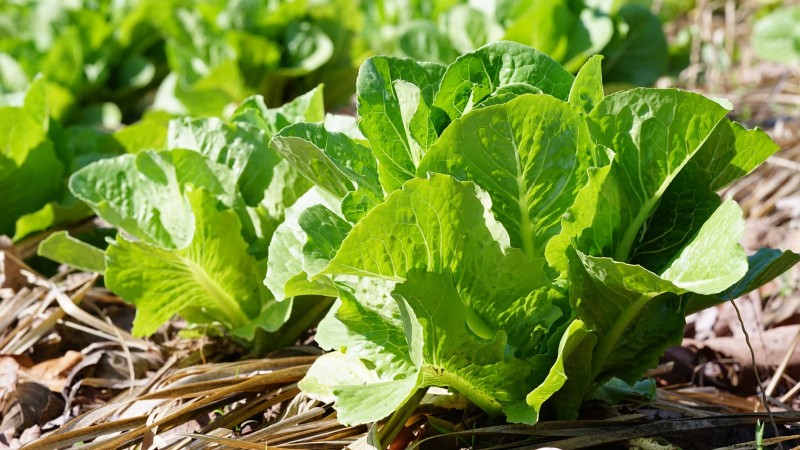
The plant forms a tall, upright head with leaves that taper toward the tip. Its sturdy midrib makes it a favorite for salads and grilled dishes. While it is more resilient than many leafy greens, it still prefers cool climates.
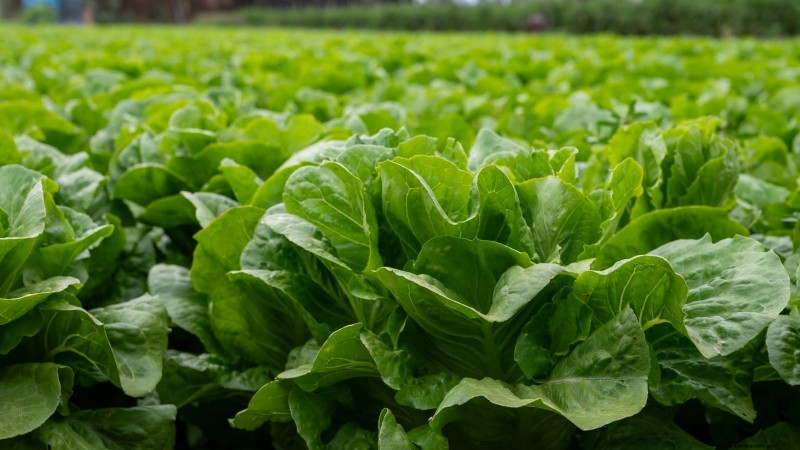
Originating in the Mediterranean and western Asia, romaine is one of the oldest cultivated lettuces, with evidence of use dating back thousands of years.
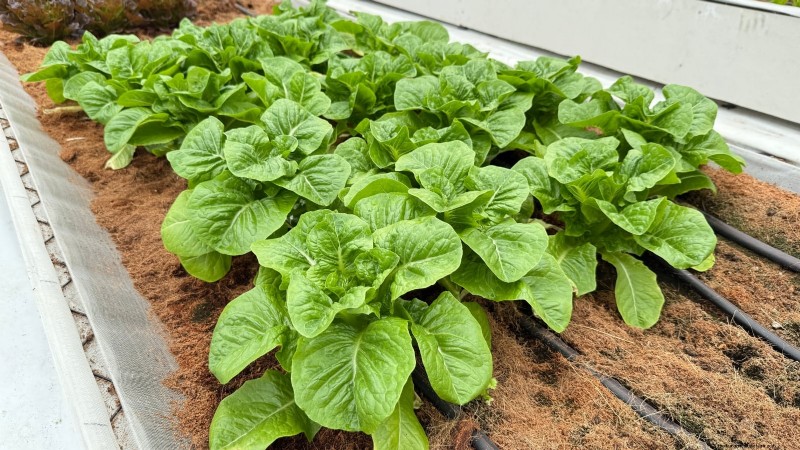
Romaine performs best in well‑draining soil, whether planted in the ground, raised beds, or containers. It loves cool weather, so spring and fall are optimal, but with proper protection it can be grown year‑round.
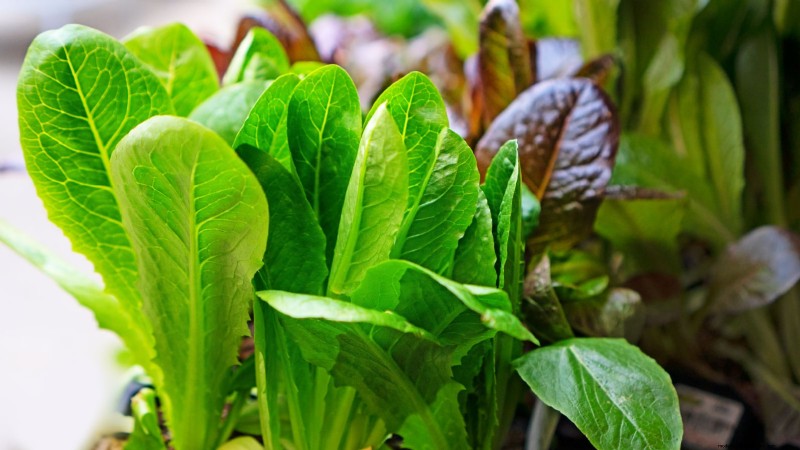
Because lettuce prefers temperatures between 50–75 °F (10–24 °C), sow in early spring after the last frost and in early fall at least ten weeks before the first frost. Stagger plantings two weeks apart for continuous harvests.
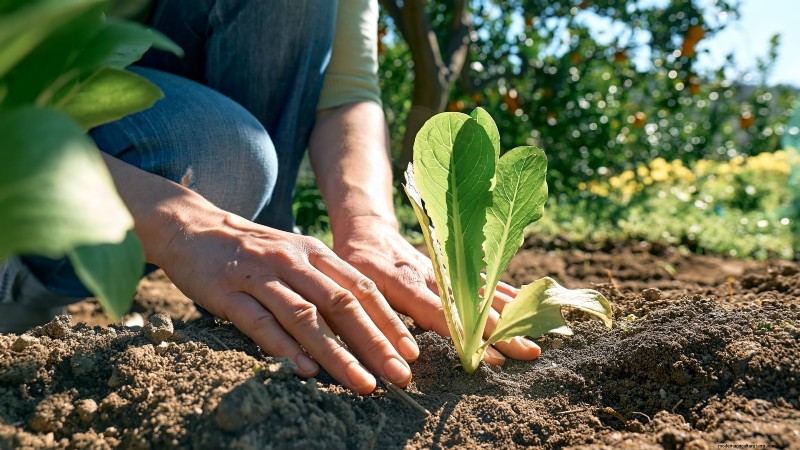
Transplanting seedlings is recommended over direct sowing. It ensures proper spacing (10–12 in for full‑size, 6 in for mini varieties) and higher germination rates, especially when soil temperature is variable.
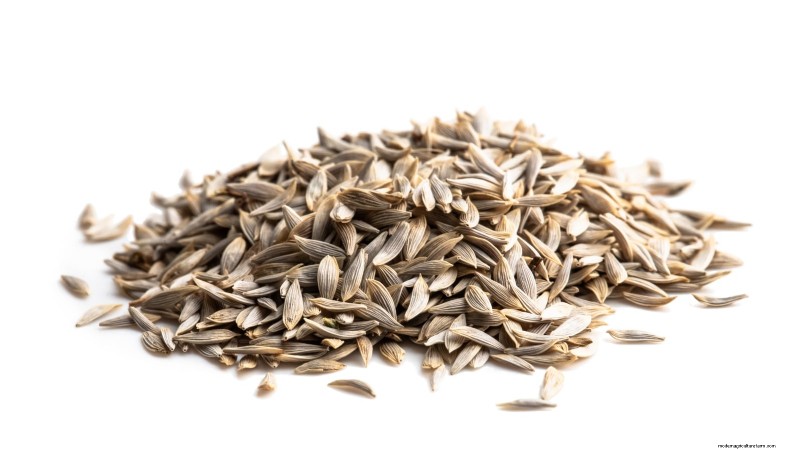
Start indoors four to six weeks before transplanting. Use a well‑draining seedling mix, place 1–2 seeds per cell, cover lightly, and keep at 60–70 °F (16–21 °C). After emergence, provide at least eight hours of bright light or grow lights.
Thin seedlings to one plant per hole when they reach 1–2 in. Before outdoor transplanting, acclimate by gradually exposing them to outdoor conditions.
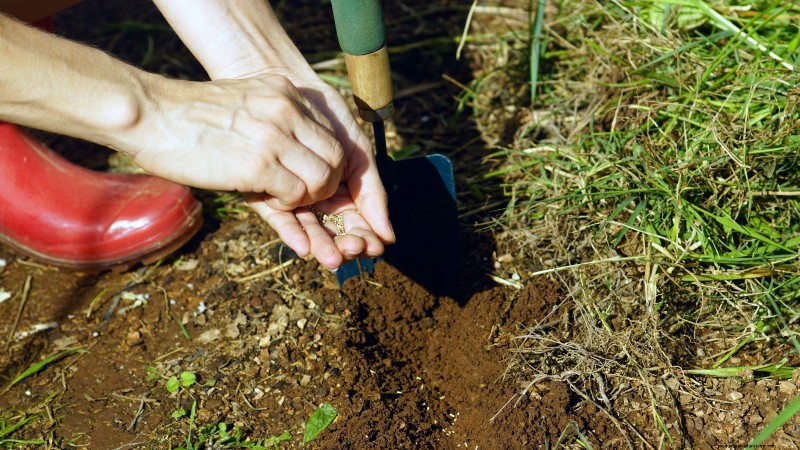
Direct sow is best for baby greens and skips the seedling stage. Sow seeds a quarter inch deep, keep soil moist for a week, and thin to a single plant once they’re 1–2 in tall.
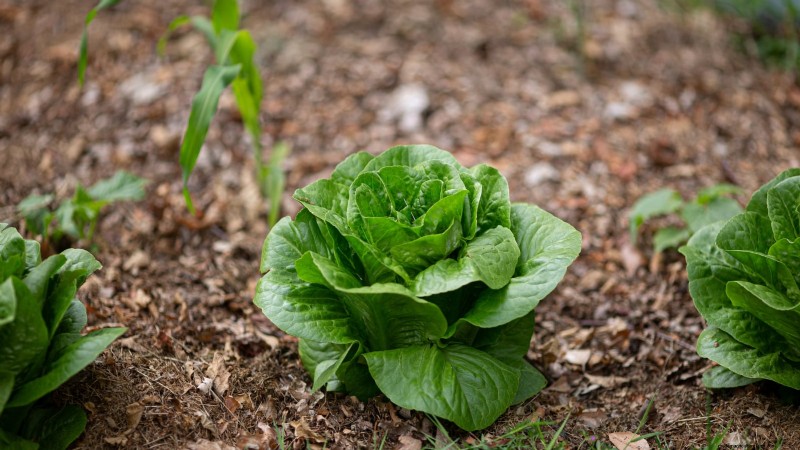
Spring and fall planting is easy, but summer and winter require extra care to keep temperatures cool and prevent bolting.
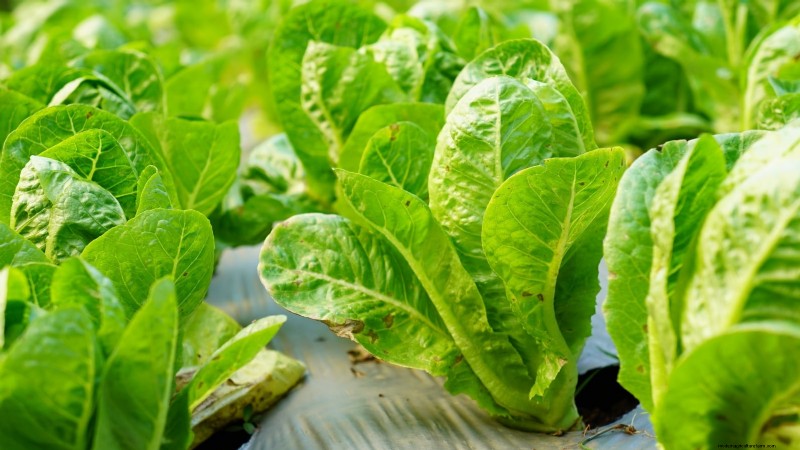
Romaine needs at least six hours of direct sunlight daily. Partial shade during hot afternoons can help keep leaves crisp.
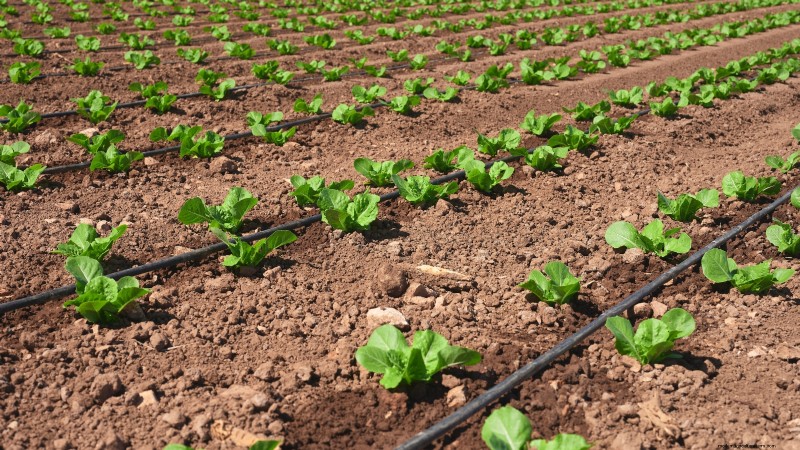
Maintain slightly moist, well‑draining soil. Drip irrigation or watering at the base prevents leaf wetness and reduces disease risk.
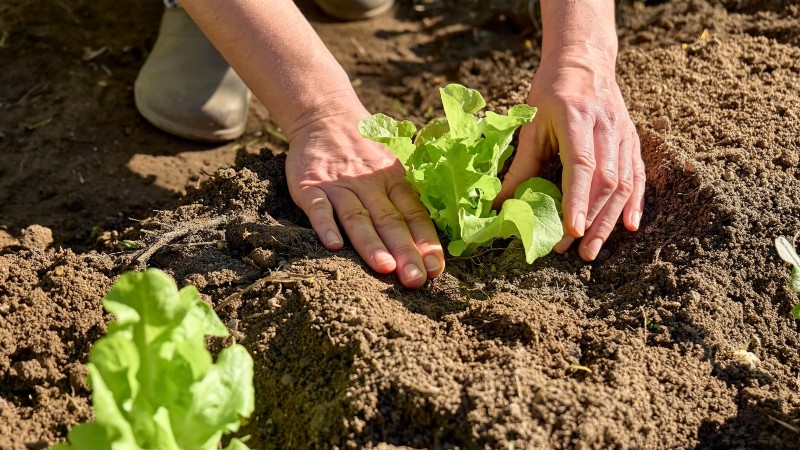
Use a loamy, well‑draining mix. Aerate if soil is compacted to prevent root damage.
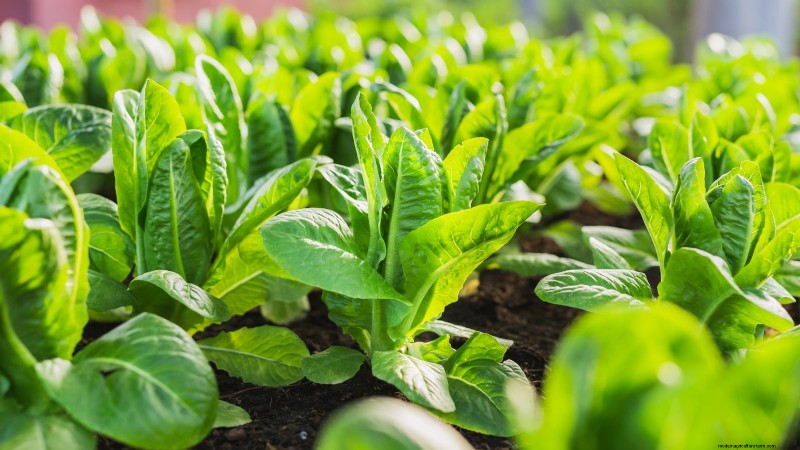
Optimal range is 50–75 °F (10–24 °C). Heat above 80 °F (27 °C) can cause bolting and bitter flavor. For hot summers, consider heat‑tolerant Batavian varieties.
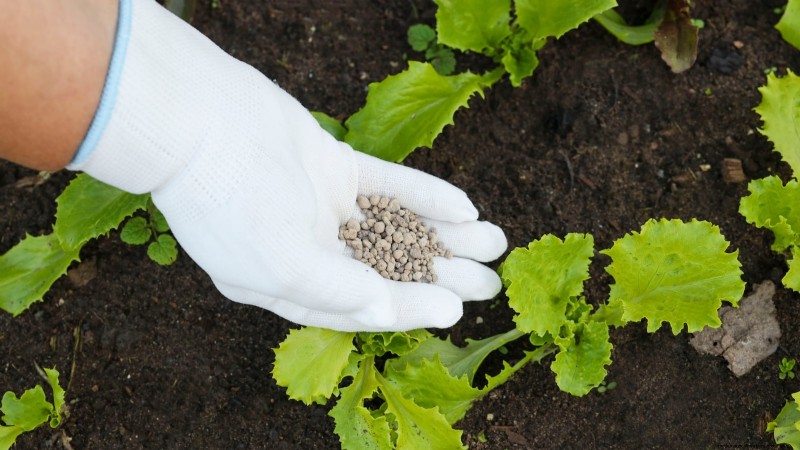
Romaine is a light feeder. A small amount of nitrogen and balanced fertilizer at planting boosts yield and delays bolting. A soil test can guide precise amendments.
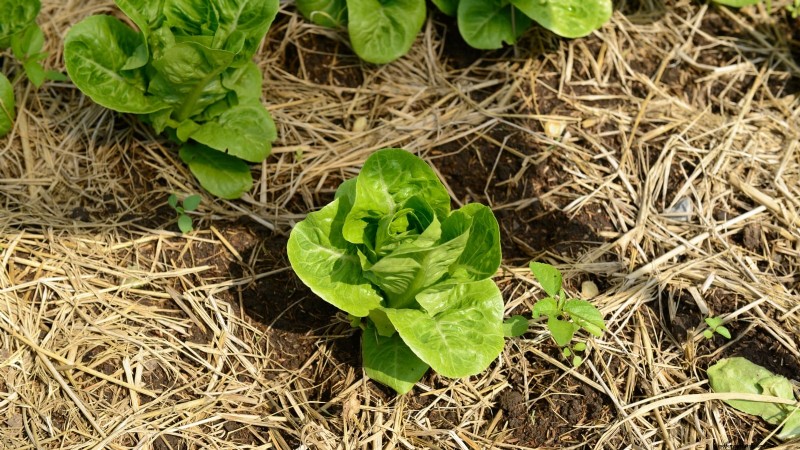
Keep soil moist, remove weeds, and monitor for pests. Minimal care is required once established.
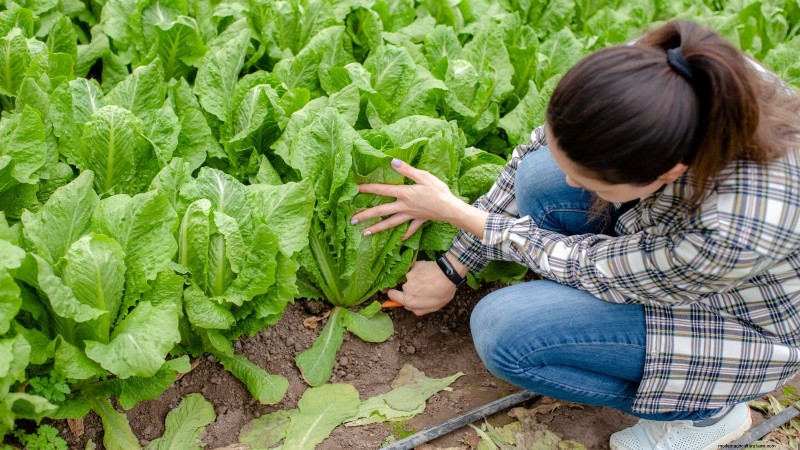
Harvest when the head is firm, with crunchy midribs. Large varieties like ‘Vivian’ and ‘Coastal Star’ are ready in 50–60 days; mini varieties in 40 days.
Cut the head near the soil surface with a sharp knife, discard damaged leaves, and enjoy immediately or refrigerate for up to a week.
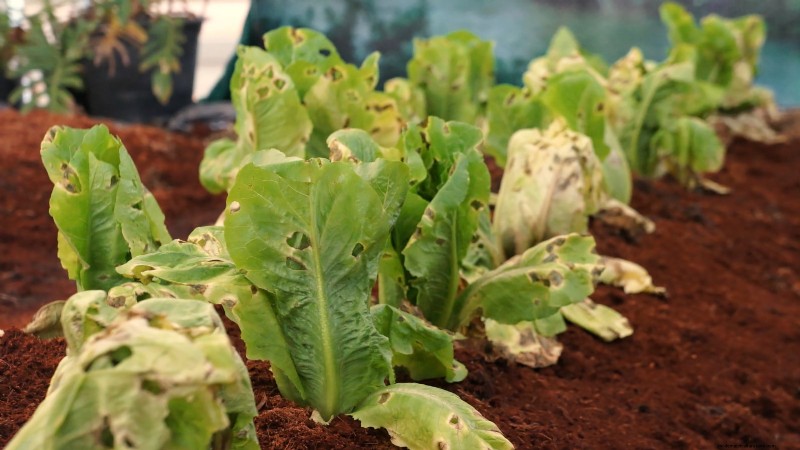
Romaine can suffer from pests, diseases, and environmental stress. Prevention is key.
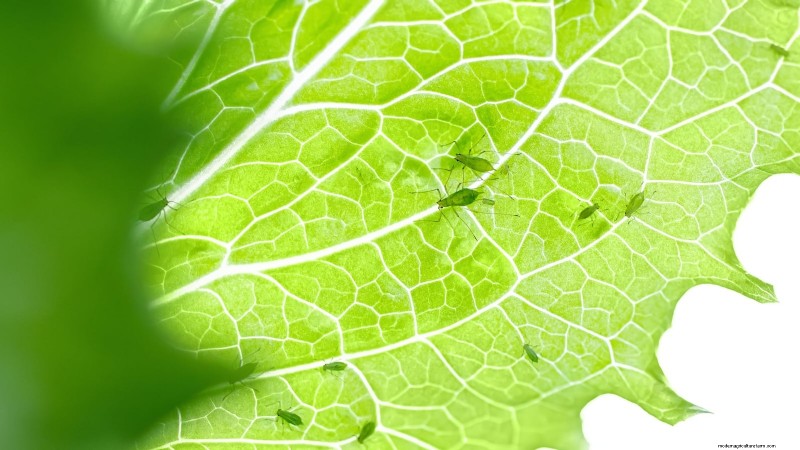
Common pests include aphids, thrips, and armyworms. Garden‑wide pest control helps keep the crop healthy.
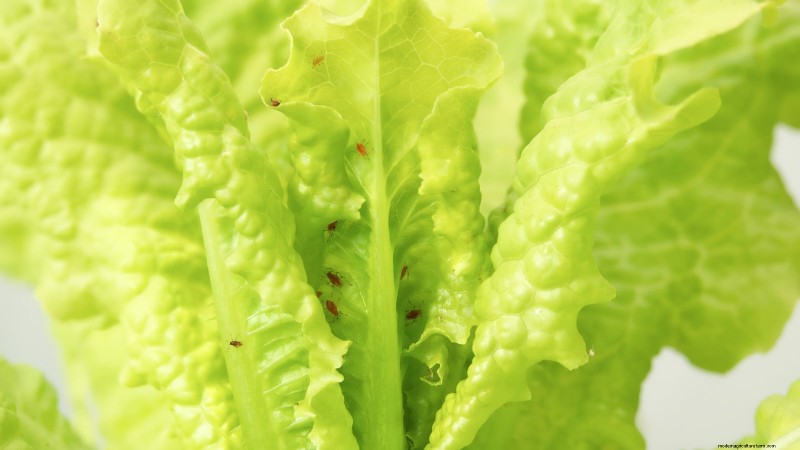
Aphids feed on sap, weakening plants and spreading disease. Natural predators such as ladybugs and hoverflies control small populations; for larger infestations, neem oil or insecticidal soap is effective.
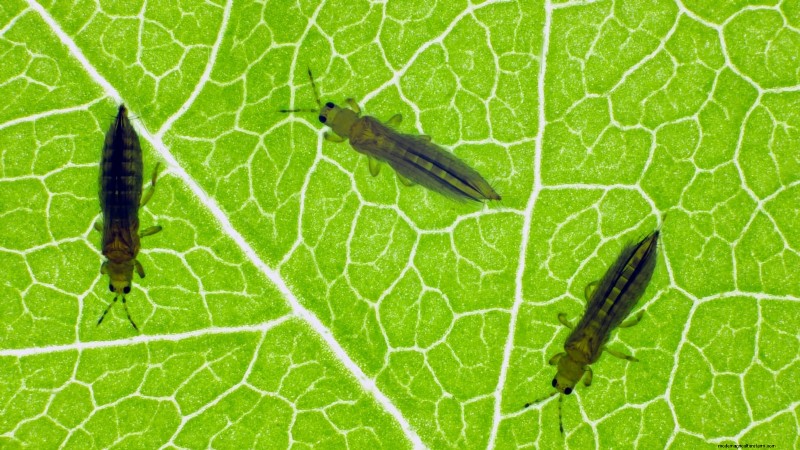
Thrips cause silvery leaves and brown spots. Maintaining a diverse plant mix supports natural predators, and covering seedlings with netting can prevent infestations.
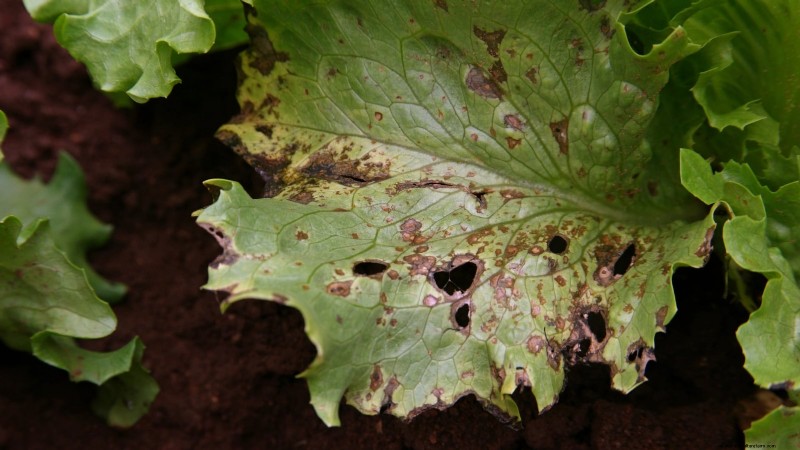
Romaine is susceptible to several fungal diseases; prevention is often more effective than treatment.
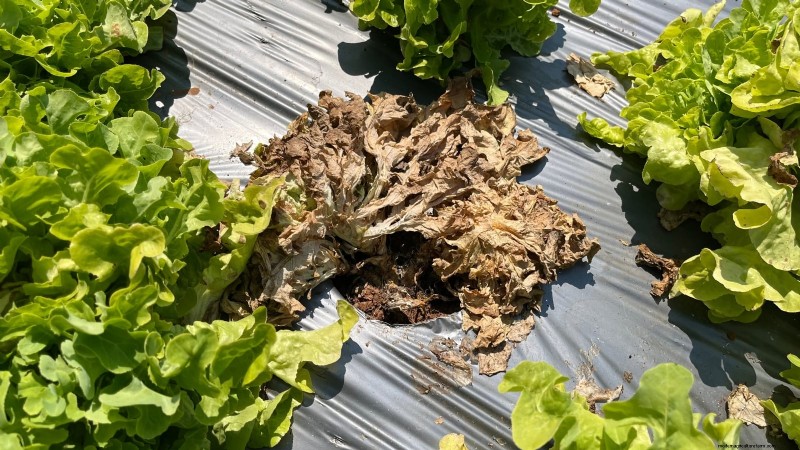
Symptoms: wilted, yellowing leaves that turn brown. Keep soil well‑draining and remove affected heads promptly.
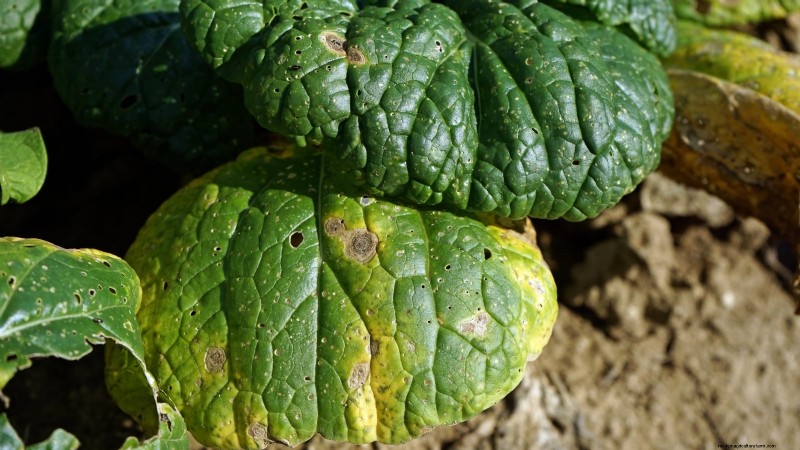
Dark spots with shot‑hole centers appear on leaves. Crop rotation, dry soil, and avoiding splashing water help prevent this disease.
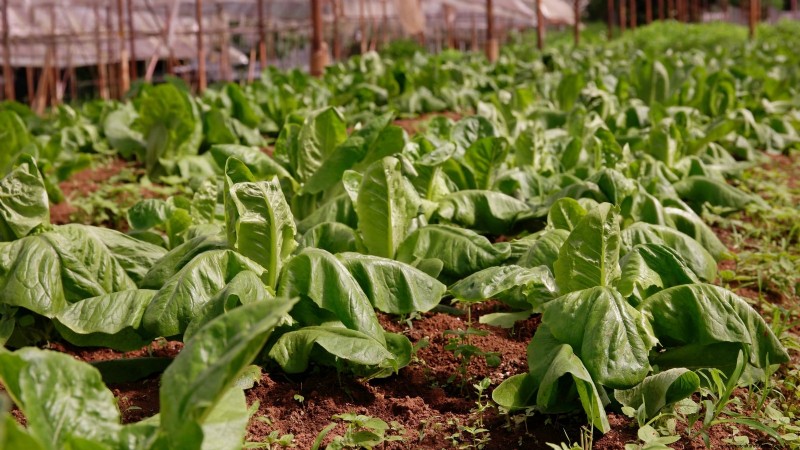
Leaves wilt suddenly, often overnight. Occurs in cool, wet conditions; use well‑draining soil and water only when dry.
Romaine is easy to grow in cool spring and fall seasons, but hot summers require special care.
Cutting above the central growth tip allows small leaves to continue forming; cutting below the base may produce small offshoots that are usually not harvested.
Romaine thrives with at least eight hours of bright light but tolerates afternoon shade.