
Welcome to Modern Agriculture!

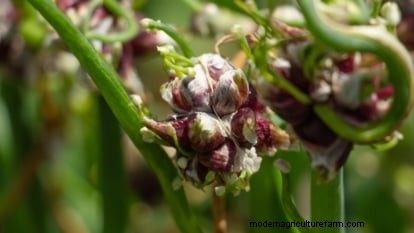
Walking onions (Allium × proliferum) are a fascinating, self‑propagating Allium that produce bulbils on tall stalks. As the bulbils become heavy, the stems bend and root, creating a striking “walking” effect that makes these plants a delightful addition to any garden.
With their ease of growth, rich flavor, and ability to thrive in a wide range of U.S. climates, walking onions are ideal for both beginner and experienced gardeners. Below is a step‑by‑step guide covering planting, care, and harvesting, along with tips for preventing common problems.
15″ Short Birdies Medium
Modular Raised Garden Bed
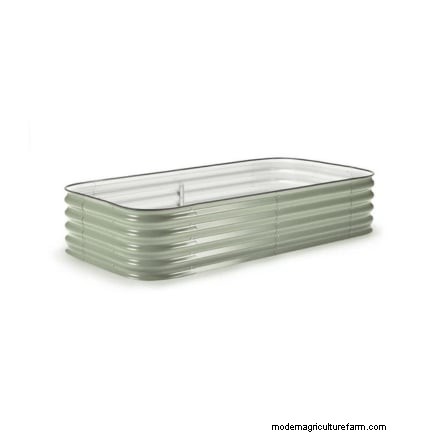
Buy at Epic Gardening
Plant Type: Vegetable
Family: Amaryllidaceae
Genus: Allium
Species: Allium × proliferum
Native Area: South Asia, North Africa, Middle East
Exposure: Full sun
Height: Up to 2 ft
Watering Requirements: Regular
Pests & Diseases: Aphids, onion maggots, Fusarium basal rot, powdery mildew, downy mildew, thrips
Maintenance: Low
Soil Type: Well‑drained, fertile, loamy soil
Hardiness Zone: 3‑10
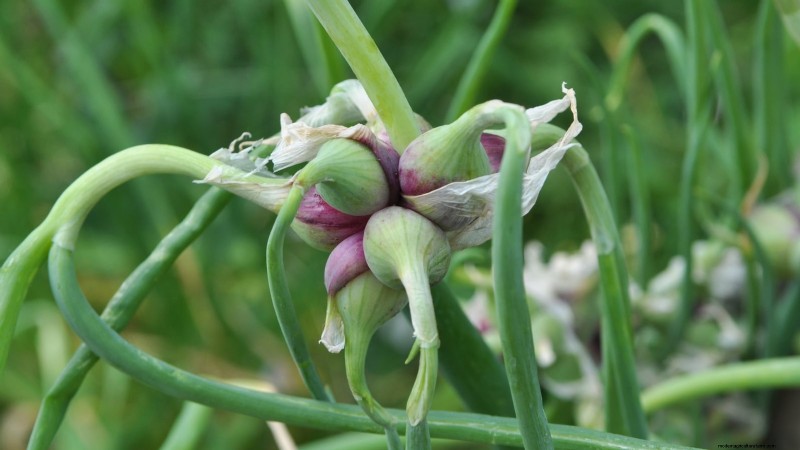
Walking onions are a type of Allium that produce bulbils—small, edible shoots—that form on tall, hollow stems. When the stems dry, the bulbils fall and root, creating new plants. This “walking” effect is what gives the plant its name.
These Alliums are a cross between Allium cepa and Allium fistulosum, making them highly flavorful and easy to grow. The result is a versatile, tasty plant that can be used in salads, soups, and more.
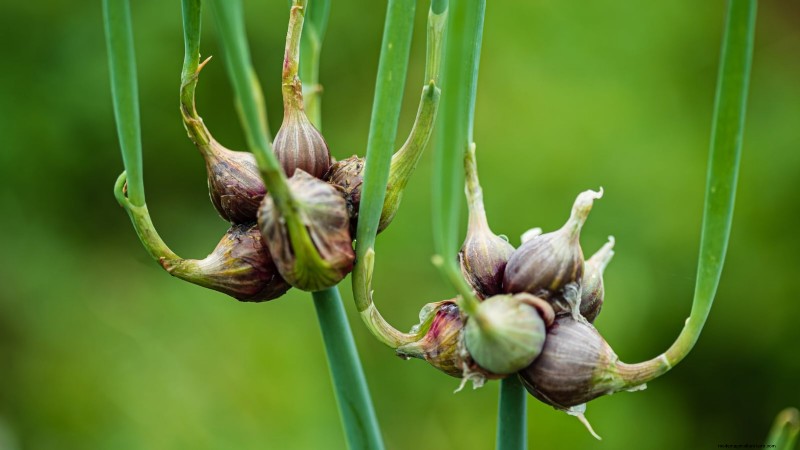
Walking onions grow up to 2 ft tall and produce bulbils that can serve as the foundation for new plants. These bulbils fall, root, and regenerate, giving the plant its “walking” appearance.
Because they are self‑propagating, walking onions are one of the easiest crops to grow. They tolerate extreme cold, thrive through winter, and have a long history of cultivation across ancient societies.
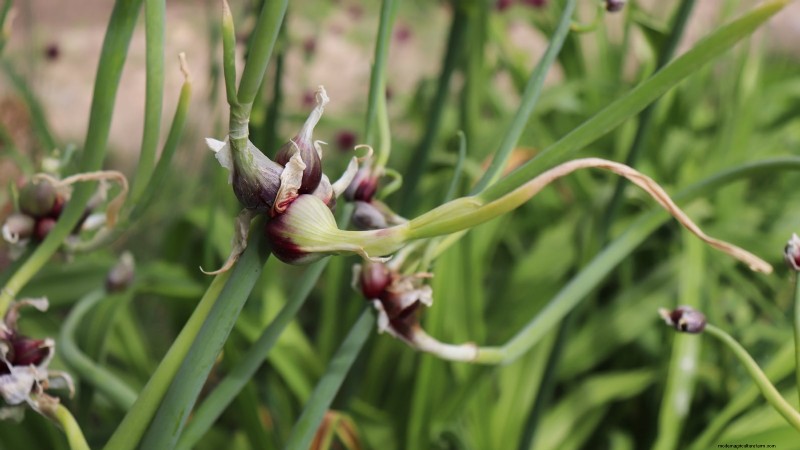
Originating in the Indian subcontinent and Middle East, walking onions spread throughout North Africa, Europe, and the United States. They have been cultivated in the U.S. since the Victorian era and remain a popular novelty crop.
These hardy vegetables thrive in USDA zones 3–10, enduring snow, ice, and hot summer days.
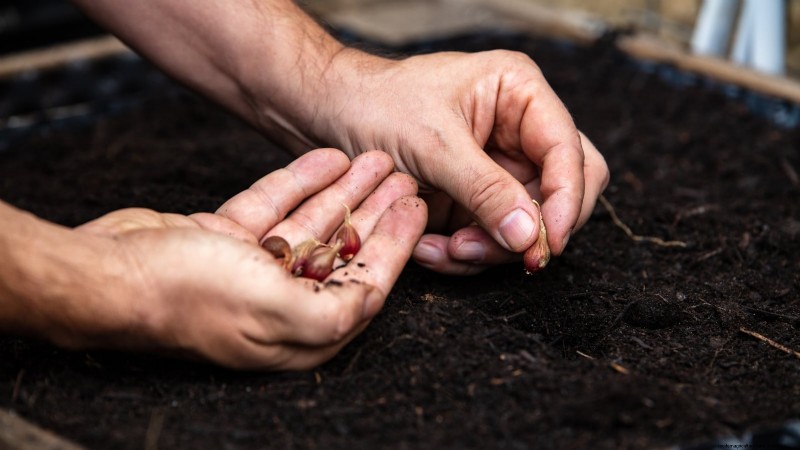
Walking onions perform best in shallow root systems. Use short garden beds or containers to allow space for the plants to spread. They also tolerate indoor cultivation near south‑facing windows.
Plant each bulbil about an inch deep, spacing 4–5 inches apart. Water immediately after planting to secure the roots.
Give the plants plenty of room to spread throughout the growing season. During winter, the foliage dries, and new growth emerges in spring.
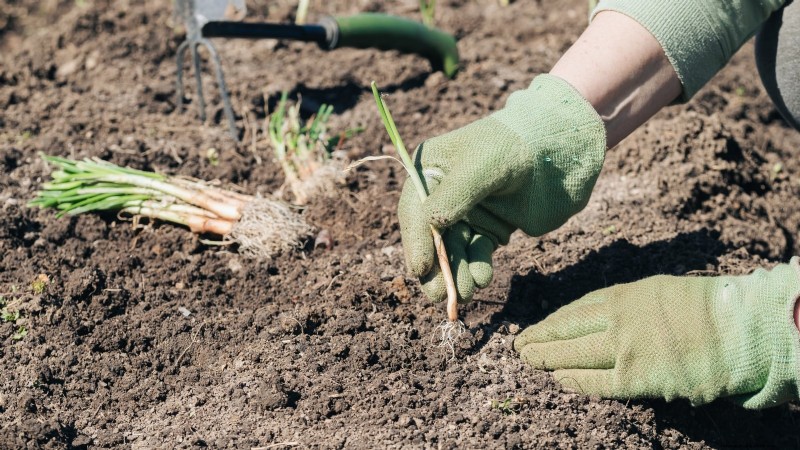
Transplant outdoors after the last frost, spacing 4–5 inches apart. Ensure the soil is well‑drained and keep a consistent watering schedule.
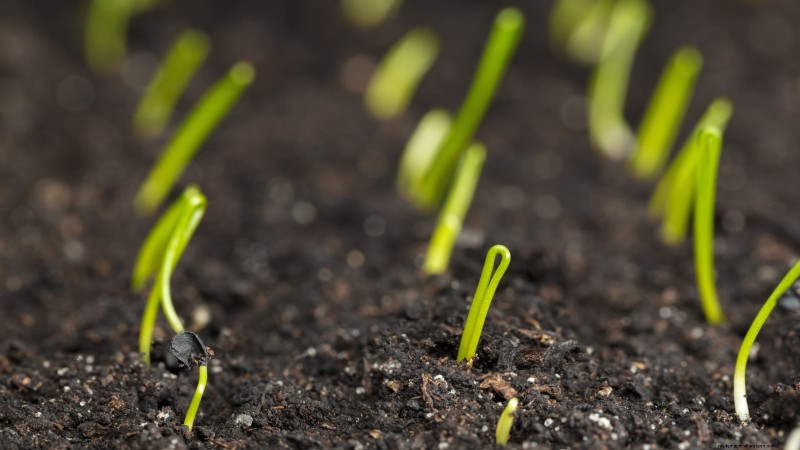
While bulbils are the easiest method, seeds can also be grown. Use fresh seeds (less than one year old) in well‑drained, loamy soil. Maintain consistent moisture and nutrients for best results.
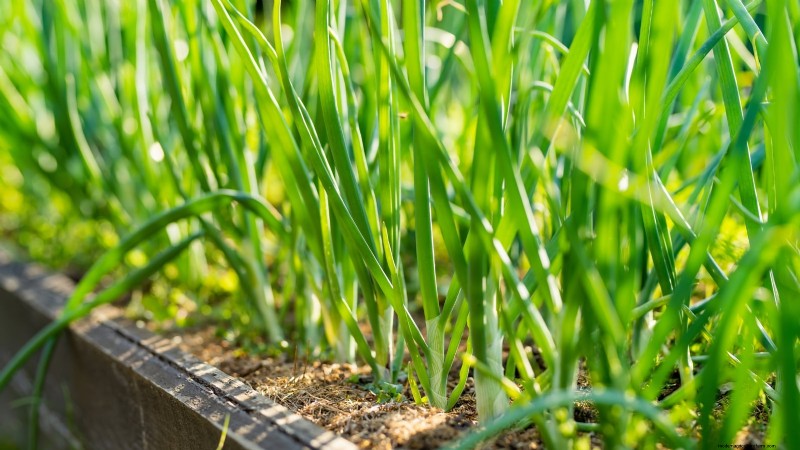
Walking onions thrive with full sun, nutrient‑rich soil, and in zones 3 or higher. Follow these key care guidelines:
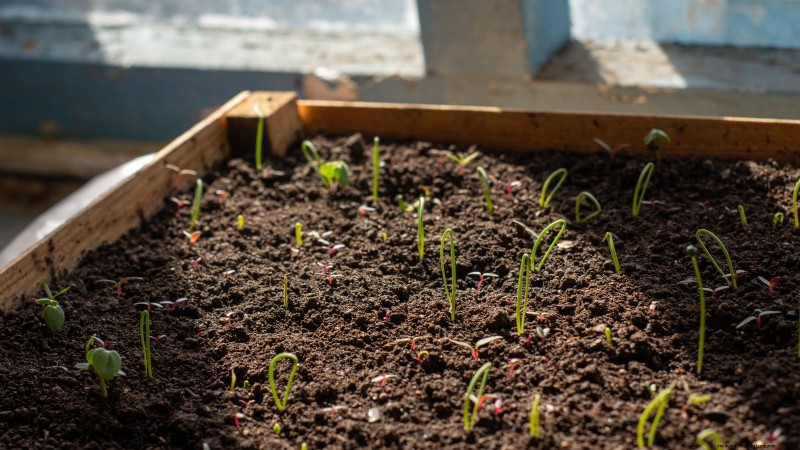
Provide 6–8 hours of direct sunlight daily. For indoor growers, position near a south‑facing window or use grow lights.
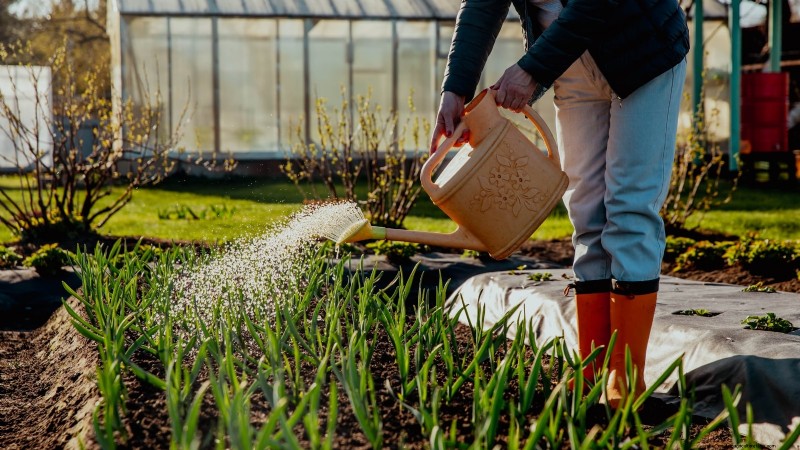
Water regularly, allowing the top soil layer to dry before the next watering. Overwatering can cause damage. Water once a week in drought conditions.
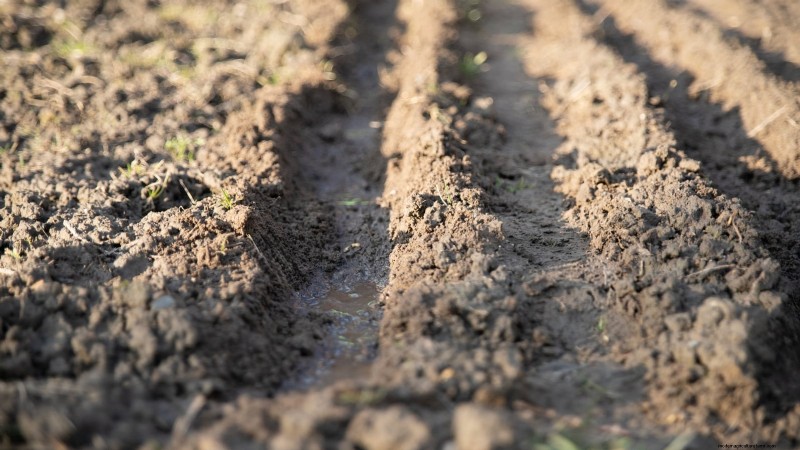
Use a sandy, loamy, compost‑rich mix. Amend the soil with compost before planting to improve nutrient density.
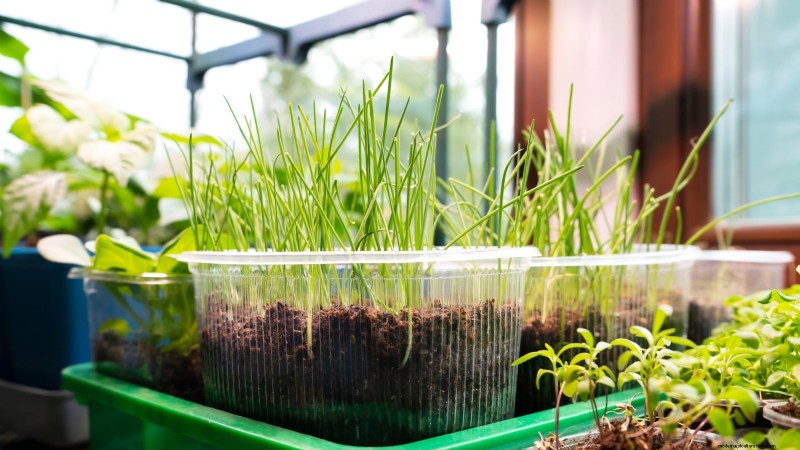
These Alliums tolerate a variety of climates but perform best in cooler regions. They can survive freezing temperatures and remain usable even after harvest.
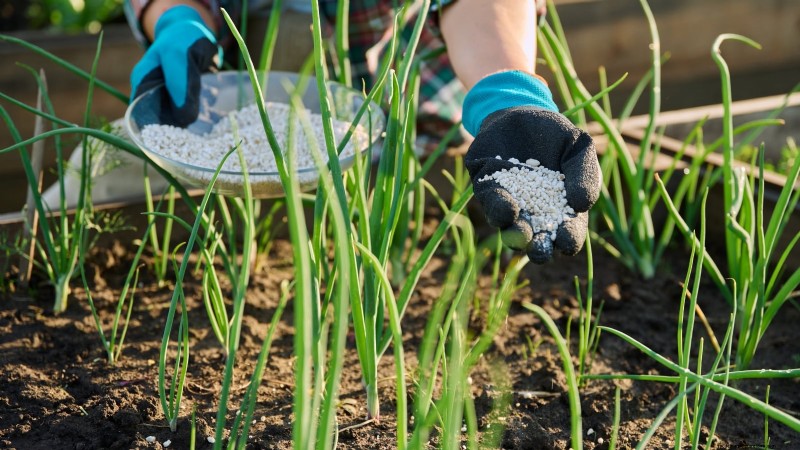
Apply compost or organic fertilizer during planting. Add nutrients once a month for best results, especially bone meal for slow‑release benefits.
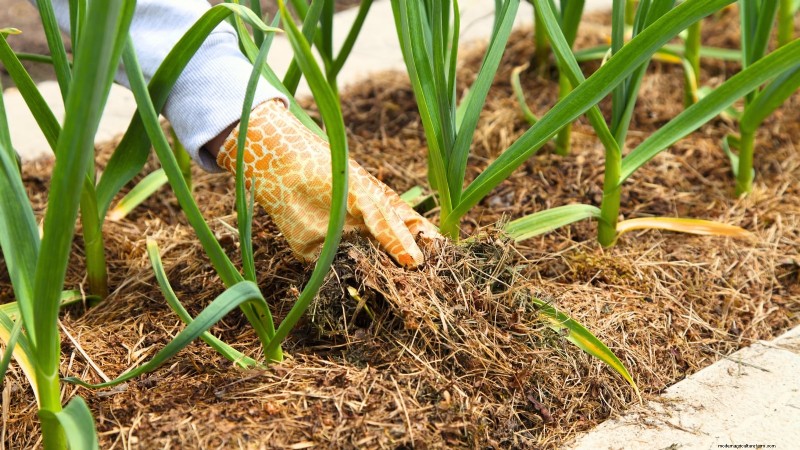
Walking onions are low‑maintenance. Mulch around the plants to suppress weeds and retain moisture. This is especially helpful during drought periods.
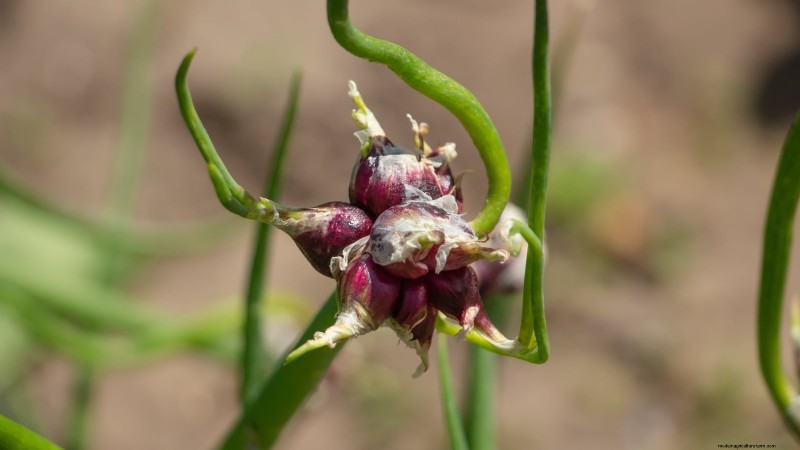
The hallmark of walking onions is their self‑propagating nature. When bulbils root, they become independent plants, allowing you to create new specimens without extra effort.
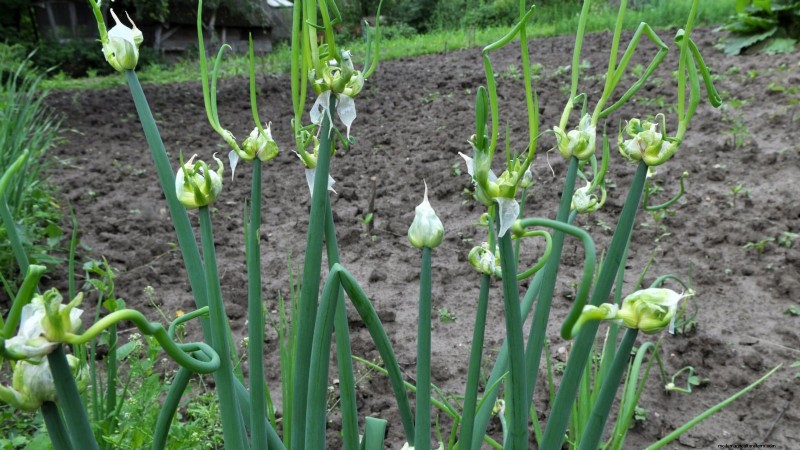
Separate each bulbil into a new plant once it establishes roots. Plant them in well‑drained soil and allow new growth to appear. This makes walking onions ideal for gifting or sharing with fellow gardeners.
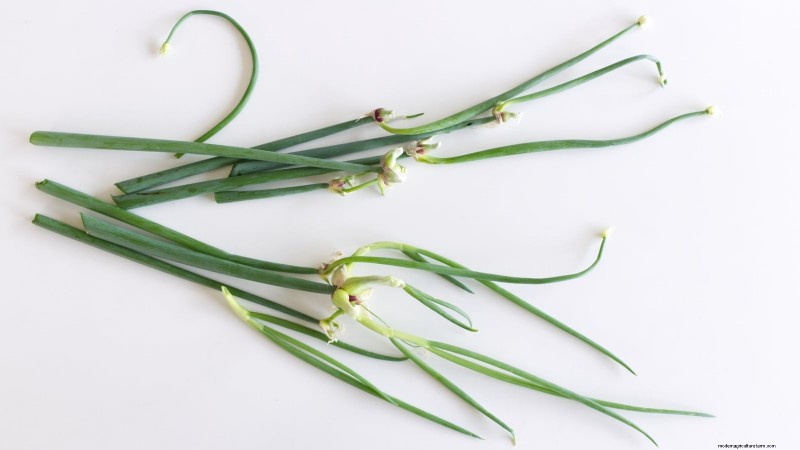
Harvest bulbils when their skin turns brown. Treat them like leafy greens—steamed, pickled, or sautéed. They are perfect for quick, tasty preparations.
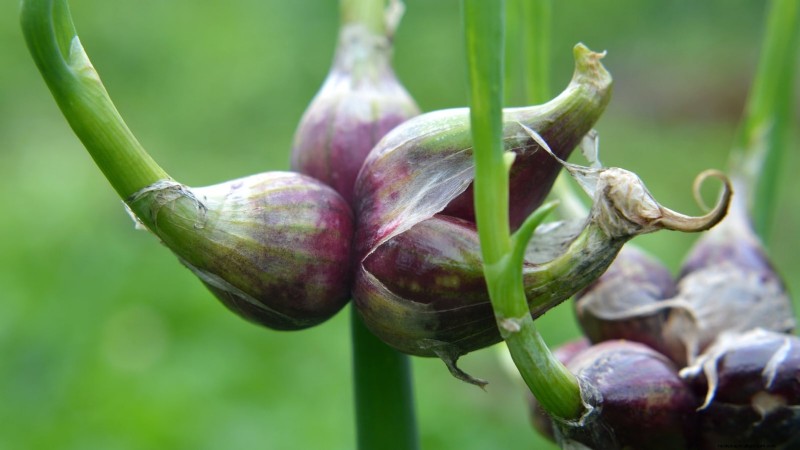
After harvesting, cure the bulbils in a cool, dry, ventilated area. Store them in mesh bags or other breathable containers for months. Avoid light exposure to preserve flavor.
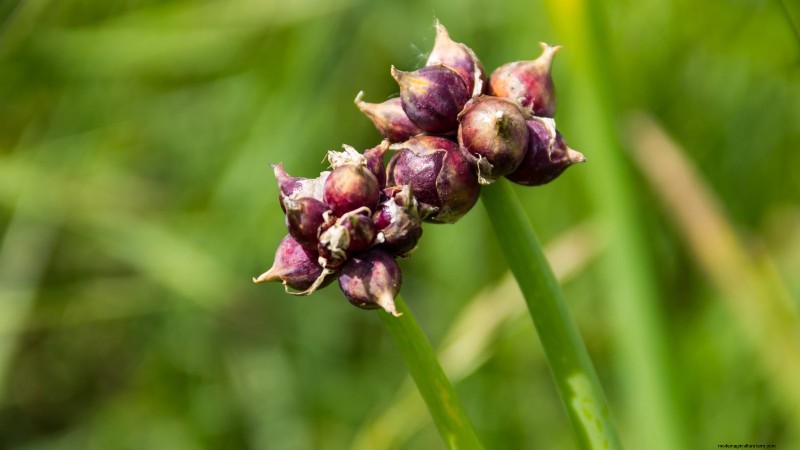
Walking onions are susceptible to soggy soils and overcrowding. Space at least 5 inches between plants to ensure healthy growth.
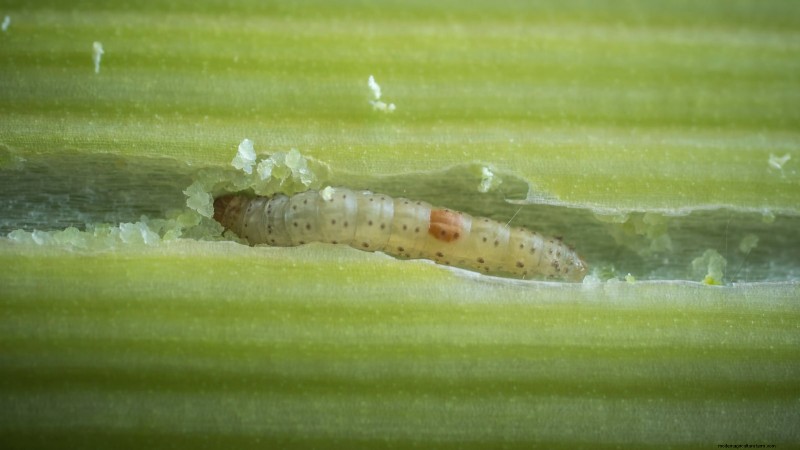
Although generally pest‑resistant, watch for onion maggots, which can damage bulbils. Use neem oil or other organic pesticides if needed.
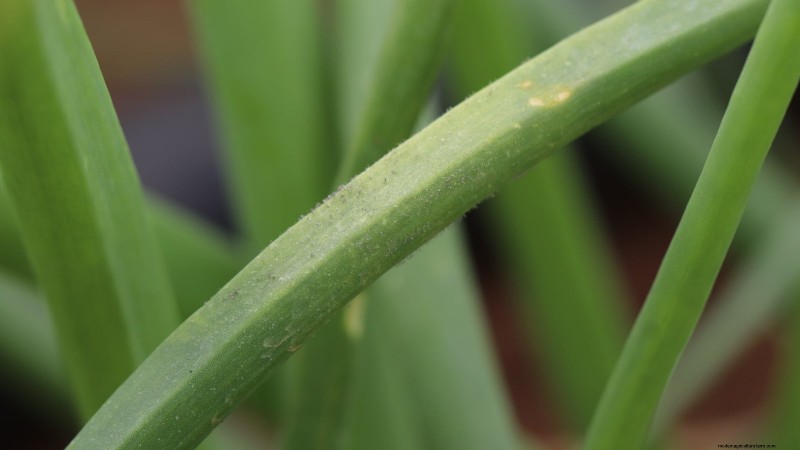
Common diseases include downy mildew and Fusarium basal rot. Prevent these by ensuring proper airflow and watering from below. Clean, dry conditions discourage disease development.
Walking onions belong to the Allium genus and taste like green onions, making them excellent for salads, soups, stir‑fries, and more.
Yes—walking onions are easy to grow, require minimal maintenance, and self‑propagate, allowing you to enjoy them throughout the season.
The name “walking onion” comes from the bulbils that form on the tops of stalks and fall over, creating a walking appearance.
Walking onions are simple to grow, flavorful, and offer continuous harvesting. Their self‑propagating nature makes them a fantastic choice for edible‑waste‑free gardens. Share the plants with friends to spread the joy.


