
Welcome to Modern Agriculture!

A member of the Rosaceae family, quince—often called an "edible‑waste"—shares the sweet, aromatic qualities of its apple and rose relatives. Its Latin name, Cydonia oblonga, reflects a deciduous shrub or tree that bears a golden‑yellow pome similar in shape to a cross between an apple and a pear. The fruit measures about 3 inches in diameter and is a nutritional powerhouse, offering antioxidant, anti‑inflammatory, and anti‑ulcerative benefits.
Once prized by ancient Greeks, Romans, and medieval nobles, quince fell out of mainstream appeal because most varieties taste bitter and astringent when harvested. Its delicate structure and tendency to bruise easily also made it a less attractive choice for grocery retailers, which explains its limited presence in U.S. produce aisles. Although a few fresh‑eating varieties exist, they are rarely stocked in the United States.
Quince’s high pectin content makes it a "functional food"—perfect for cooking, baking, or preserving. When cooked, it releases enough pectin to form a firm, resilient gel. Quince is often transformed into jam, jelly, marmalade, or a sweet, sunset‑colored fruit gel that can be sliced, diced, or used as a glaze. The flavor is subtle yet vibrant, a perfect fit for both desserts and savory dishes.
Despite its fragility, quince is an exciting addition to a home garden, providing an exotic fruit within arm’s reach. Below is a step‑by‑step guide to harvesting, storing, and cooking quince so you can share its unique flavor with friends and family.
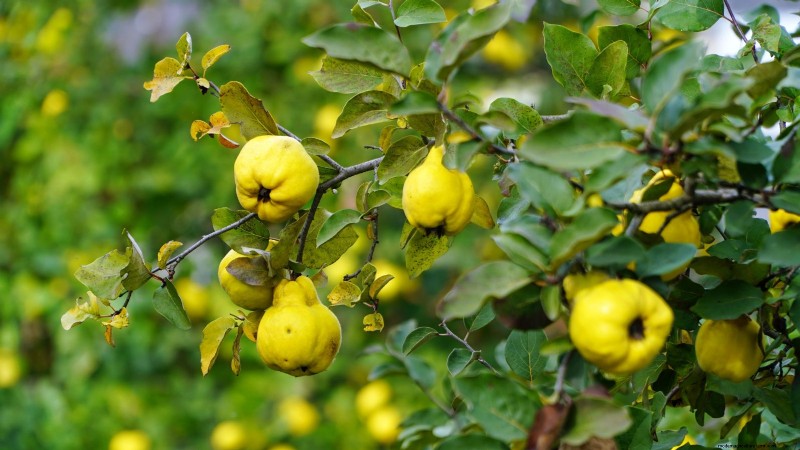
Harvest when the fruit turns a deep golden yellow. Depending on your USDA zone, quince is ready to pick from late summer through mid‑fall, just before the fruit begins to drop. Picking early allows the fruit to finish ripening off the tree at room temperature (≈68 °F or 20 °C). However, many growers recommend harvesting when the fruit is still firm yet fully golden, ensuring the best balance of flavor and texture.
Always harvest before the first frost to prevent tissue damage and rot. Fully ripe fruit can be stored for 2–3 months at 0 °C (32 °F) in a high‑humidity environment.
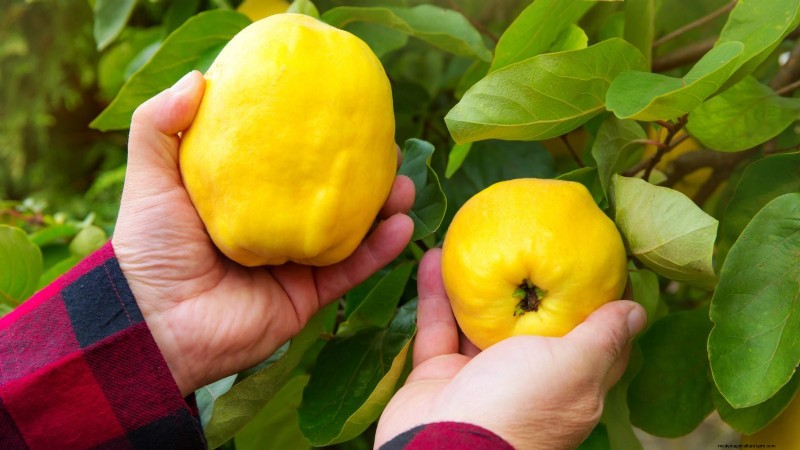
Rather than plucking, use a sharp knife or small pruner to cut the fruit at the stem. Holding the fruit gently with the other hand reduces bruising and discoloration.
Store quince in slatted wood or cardboard trays, spacing pomes at least an inch apart. Avoid wrapping or placing fruit in direct contact. Keep trays in a cool, dark area such as a cellar or basement. Because quince emits a strong fragrance, keep it away from other produce that could absorb the aroma.
Ripening takes between six and eight weeks after harvest. During this period, green fruit will transform into a radiant golden yellow.
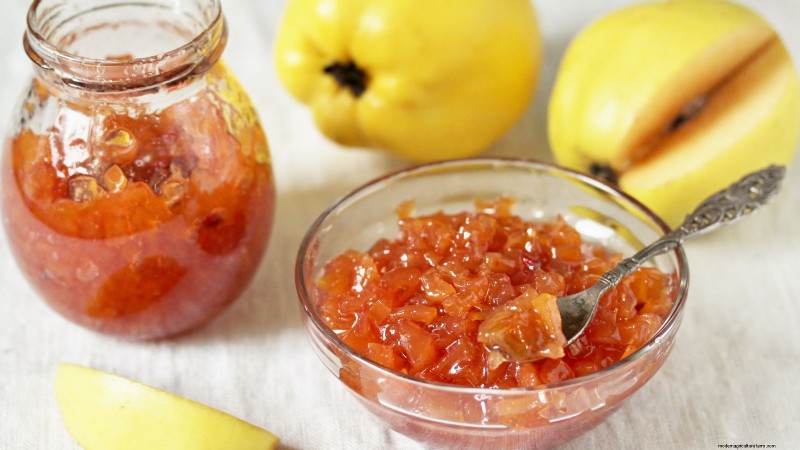
Use a vegetable peeler to remove the yellow skin; the peels contain a high concentration of pectin and can be used to make Spanish quince paste (membrillo), jelly, jam, or marmalade. Cut a small slice from the bottom of the pome to create a stable base for peeling. Peel along the four sides, keeping the core intact. The seeds and core are also rich in pectin and can be salvaged for thickening agents.
Below are key insights that ensure a productive, healthy crop.
Originating in Armenia, Georgia, Azerbaijan, and northern Iran, quince spread across Western Europe and the Americas. Pliny the Elder praised it in 77 CE, noting its many varieties and use as an air freshener in noble chambers. In early American history, President George Washington and President Thomas Jefferson cultivated quince at their estates. In 1896, William W. Meech documented quince cultivation in his book "Quince Culture," even speculating that the fruit might be the biblical "forbidden fruit." Today, quince is grown on about 250 acres in the U.S., mainly in California, and is frequently used as a rootstock for grafted pear trees.
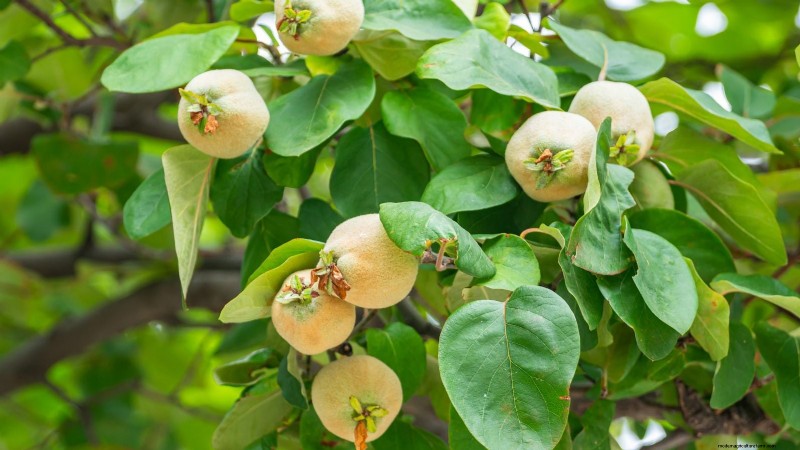
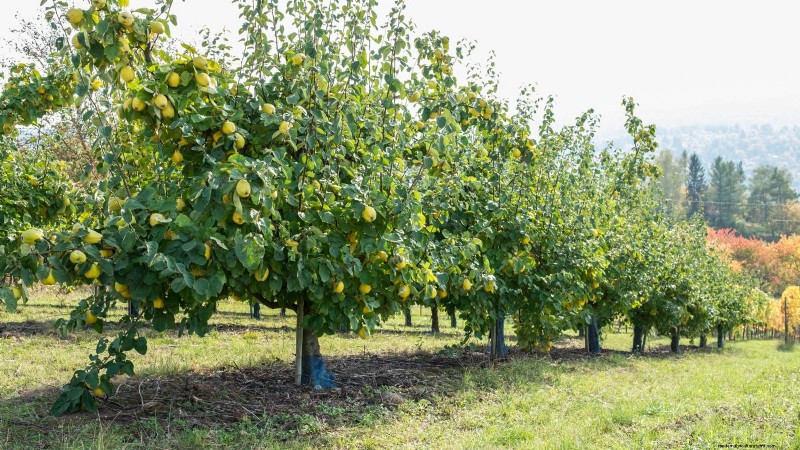
Quince trees are self‑fertile, allowing a single tree to produce fruit without a pollinator partner. They live for more than 50 years and thrive in USDA zones 5–9 (occasionally zone 4). The typical mature tree reaches 15 ft tall with a 15 ft canopy, making it suitable for the home garden.
These trees prefer full sun, wind protection, and acid soils (pH 5.5–6.5). While they tolerate light moisture, they flourish in hot, dry climates. Over‑fertilization—especially high nitrogen—can encourage disease and should be avoided.
Quince flowers resemble apple blossoms, with white to pale‑pink petals that are both ornamental and fragrant. Bloom occurs mid‑late spring, and fruit development is marked by a light fuzz that disappears as the pome matures.
Prune saplings actively to prevent unwanted suckers and to encourage a single trunk with an open crown. Proper pruning improves airflow, light distribution, and reduces pest and disease risk.
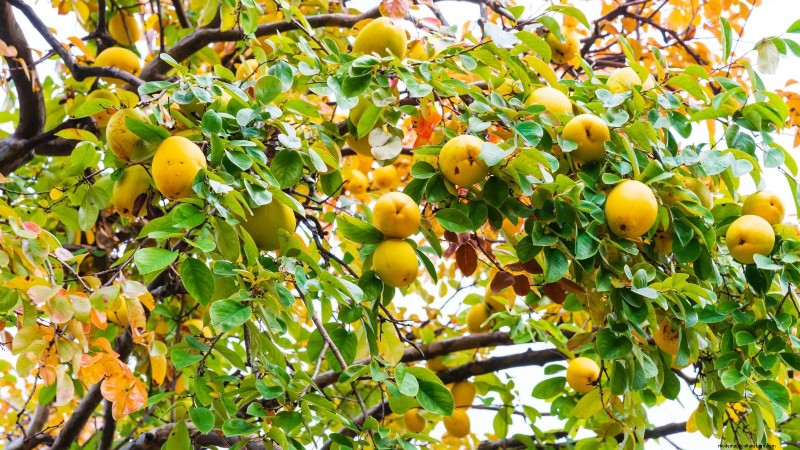
The genus Pseudocydonia includes Pseudocydonia sinensis (Chinese quince), which bears aromatic, edible yellow fruit and is prized in the U.S. for its ornamental qualities. Other related species such as Japanese quince (Chaenomeles japonica) and the ornamental Chaenomeles speciosa and Chaenomeles lagenaria produce inedible fruit but high‑pectin leaves that are sometimes used for jellies.
Common threats include fire blight (bacterial), rust, brown rot, leaf blight, and powdery mildew (fungal). Warm, humid summers exacerbate these problems. Preventative measures include limiting nitrogen fertilization, ensuring adequate drainage, and placing trees in drier sites.
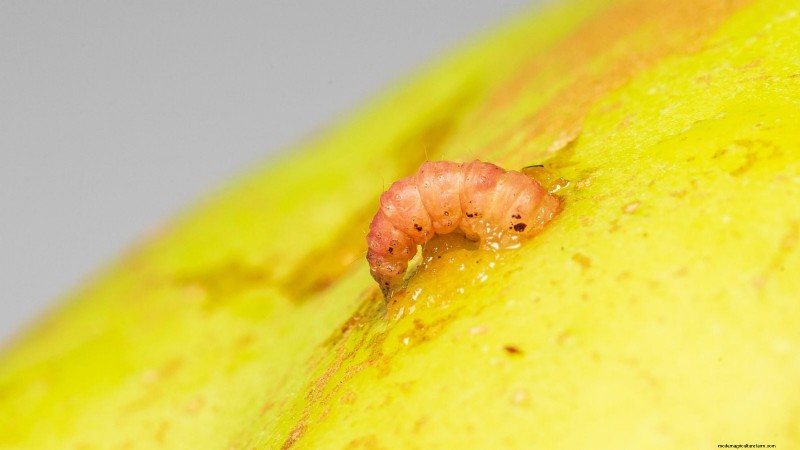
Insect pests such as borers, codling moths, and tent caterpillars can damage fruit. Healthy pruning, mulching, and consistent watering help maintain tree vigor, reducing vulnerability. For codling moths, natural predators like Trichogramma wasps or insectary plants (coneflower, fennel, lavender, sunflower) can help control populations. Fruit thinning and pheromone traps also effectively reduce infestations. Attracting birds—woodpeckers, chickadees, nuthatches—by providing bird baths and native shrubs encourages natural pest control.
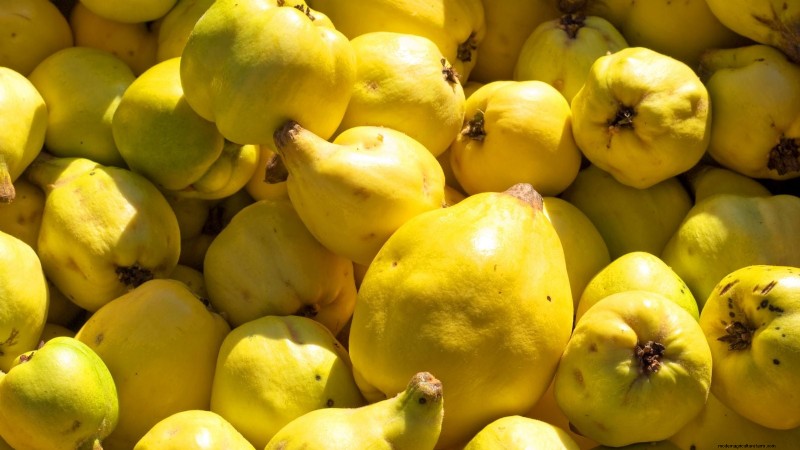
Only a handful of cultivars are widely available in the U.S. The most common include:
Q: How long does it take for a quince tree to bear fruit?
A: A self‑fertile quince tree typically produces fruit 2–3 years after planting a young sapling.
Q: Can I grow quince from seed?
A: Yes, but seedling fruit may differ significantly from the parent. Most growers use hardwood cuttings or grafts onto quince rootstock to ensure consistent fruit quality.
Q: Is quince suitable for container gardening?
A: Quince can thrive in pots that are at least 24 inches wide and deep, provided they drain well, receive full sun, and are protected from wind. As the tree matures, repotting into larger containers will be necessary.


