Welcome to Modern Agriculture!

Getting kids to eat their vegetables can feel like a marathon, but turning the garden into a rainbow of edible art turns the challenge into a celebration. Research shows that bright colors on the plate boost appetite and encourage children to try new foods. By planting vegetables that are both colorful and nutrient‑dense, you give your family a dual reward: delicious meals and a healthy diet.
Below are 15 of our favorite colorful veggies that kids will love to grow, pick, and devour. Each variety offers a unique hue, flavor profile, and a touch of garden fun.
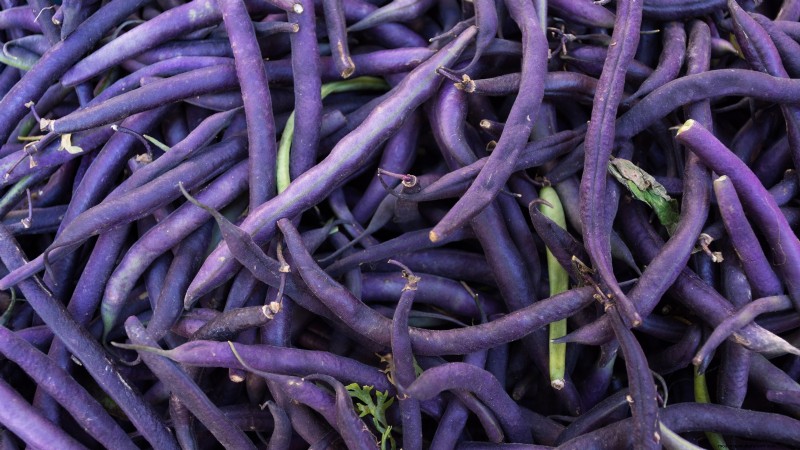
Botanical name: Phaseolus vulgaris ‘Royal Burgundy’
Sun requirements: Full sun
Height: 15–20"
Hardiness zones: 2–11
These purple pods add drama to any garden. They’re sweet, tender, and rich in nitrogen, which means they replenish soil nutrients for neighboring plants. ‘Royal Burgundy’ is more cold‑tolerant than many bush beans, making it a reliable choice for cooler climates.
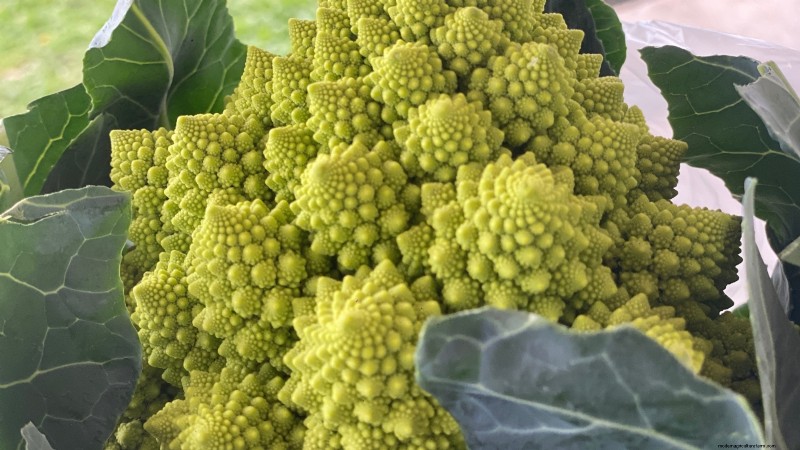
Botanical name: Brassica oleracea var. botrytis ‘Romanesco’
Sun requirements: Full sun
Height: 36"
Hardiness zones: 2–11
With lime‑green spirals and a nutty flavor, Romanesco is a striking alternative to white cauliflower. It’s frost‑tolerant, so you can plant it in late summer for a winter harvest. The heads are large enough that picking them in the morning feels like a mini‑adventure.
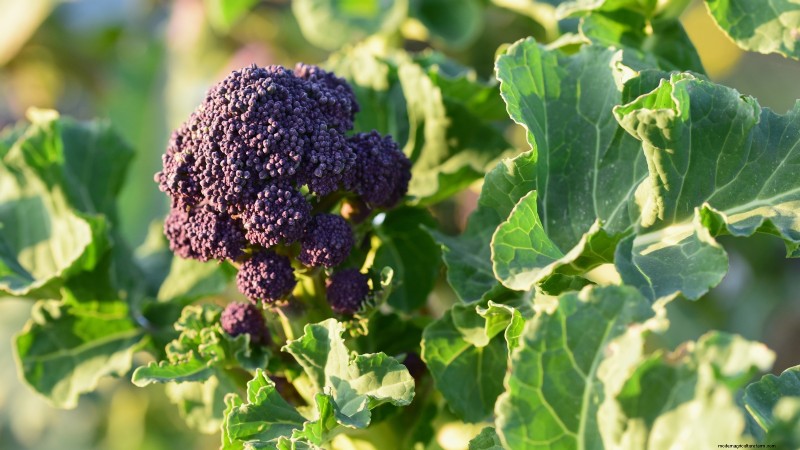
Botanical name: Brassica oleracea var. italica ‘Burgundy’
Sun requirements: Full sun
Height: 36"
Hardiness zones: 2–11
These deep‑purple florets are as visually stunning as they are tasty. Broccoli varieties with darker hues often tolerate a wider temperature range, and pinching the first main floret encourages a full, tender harvest. Kids love seeing the colorful heads sprout on the vine.
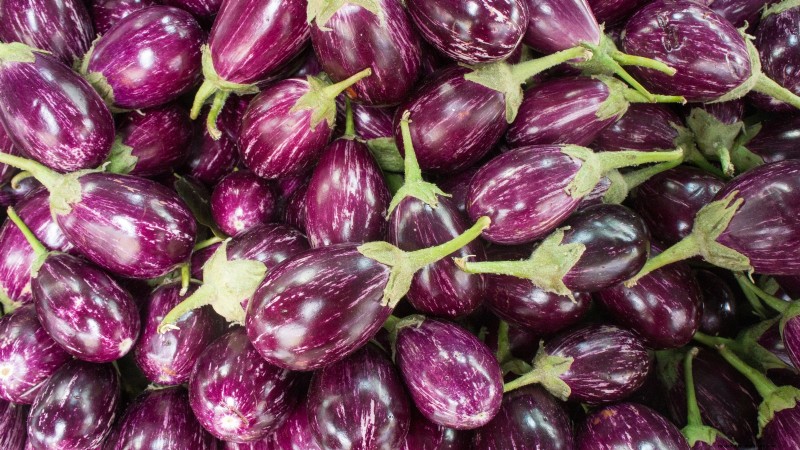
Botanical name: Solanum melongena ‘Jewel Amethyst’
Sun requirements: Full sun
Height: 22"
Hardiness zones: 10–12
These compact, jewel‑purple eggplants are perfect for containers. Their mild flavor makes them ideal for frying, baking, or stuffing. Pair them with burgundy beans for a complementary companion planting duo.
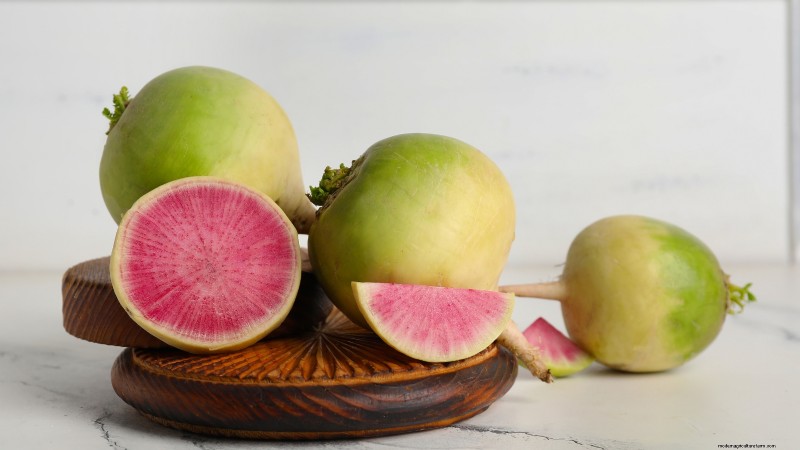
Botanical name: Raphanus sativus ‘Mantanghong’
Sun requirements: Full sun to partial shade
Height: 10"
Hardiness zones: 2–11
These radishes offer a sweet, peppery bite and a striking watermelon‑like interior. They mature quickly, so kids can dig them up before the season ends. The bright flesh makes for a fun, edible surprise.
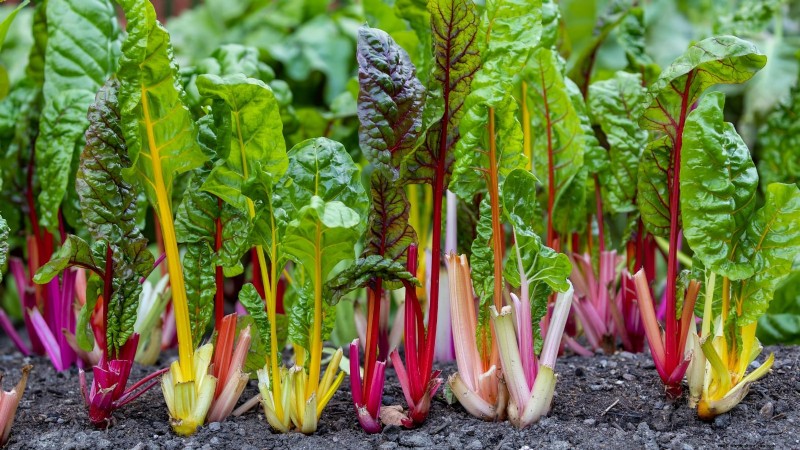
Botanical name: Beta vulgaris subsp. vulgaris ‘Celebration’
Sun requirements: Full sun to partial shade
Height: Up to 20"
Hardiness zones: 2–11
Chard is packed with vitamins and has a mild taste that’s easy to pair with almost anything. ‘Celebration’ leaves stay green, while the stems display a rainbow of colors—red, pink, yellow, white, magenta, and orange—making the plant a living art piece.
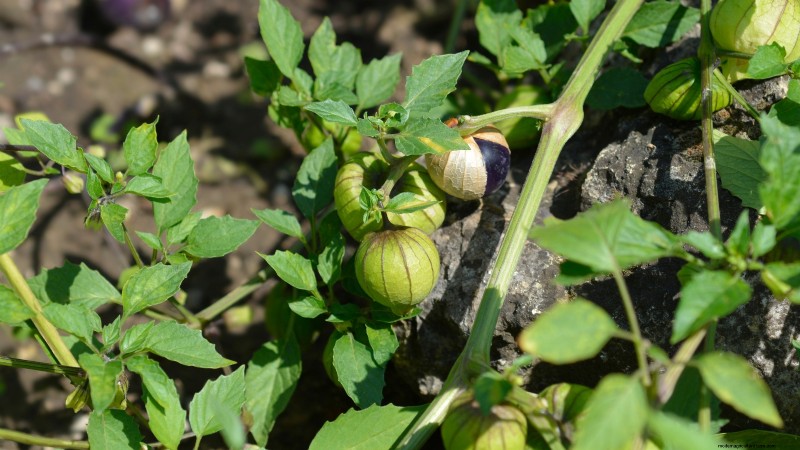
Botanical name: Physalis philadelphica ‘Purple’
Sun requirements: Full sun
Height: 20"
Hardiness zones: 2–11
These bright, tangy fruits are perfect for salsa or pickling. They develop inside green papery husks that split to reveal a jewel‑purple fruit. Watching them change from green to purple is a visual treat for children.
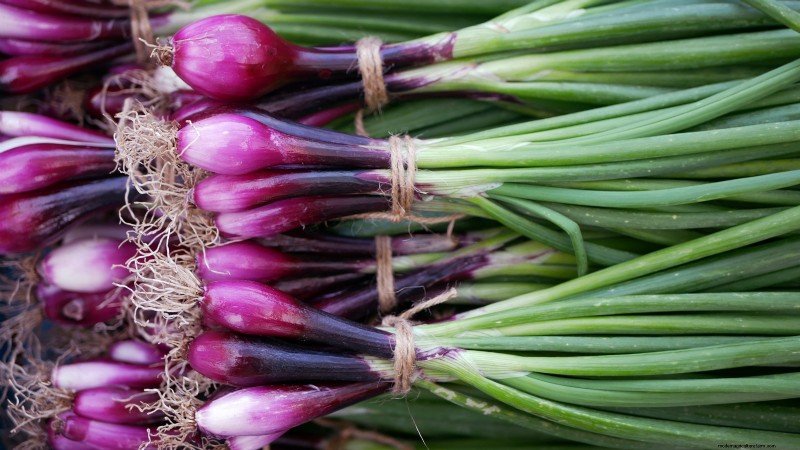
Botanical name: Allium cepa ‘Italian Red of Florence’
Sun requirements: Full sun
Height: 1–3 ft
Hardiness zones: 2–11
Unlike typical white‑bulb scallions, this variety boasts a vivid red bulb that adds a splash of color to salads, stir‑fries, and garnishes. Its subtle onion flavor makes it versatile for any dish.
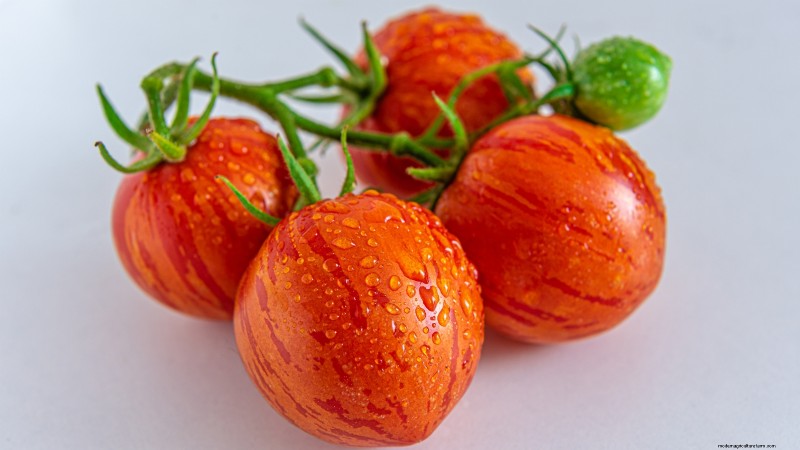
Botanical name: Solanum lycopersicum ‘Artisan Bumble Bee Blend’
Sun requirements: Full sun
Height: 6+ ft
Hardiness zones: 2–11
This blend of pink, purple, and yellow tomatoes offers mottled, eye‑catching fruit with a sweet‑tangy flavor. The variety’s rapid maturity is ideal for children who want to see visible results quickly.
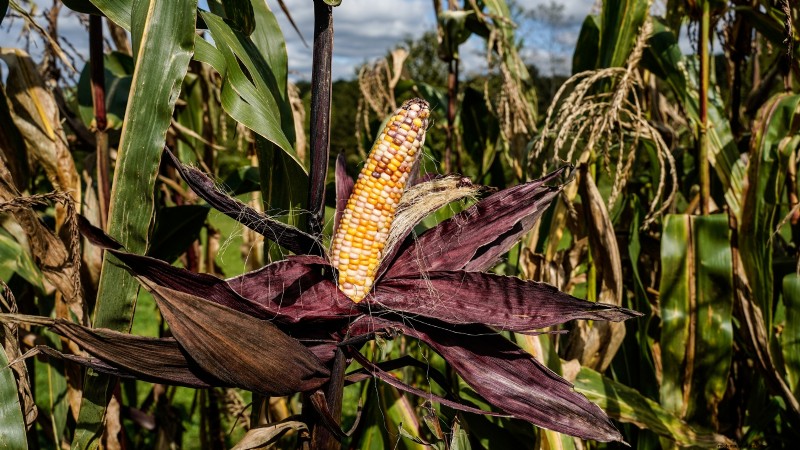
Botanical name: Zea mays ‘Martian Jewels’
Sun requirements: Full sun
Height: 6 ft
Hardiness zones: 2–11
With deep purple husks and pale yellow kernels, this corn offers a surprising twist on the classic. It’s not the sweetest variety, but the unique appearance makes the harvest a memorable event for kids.
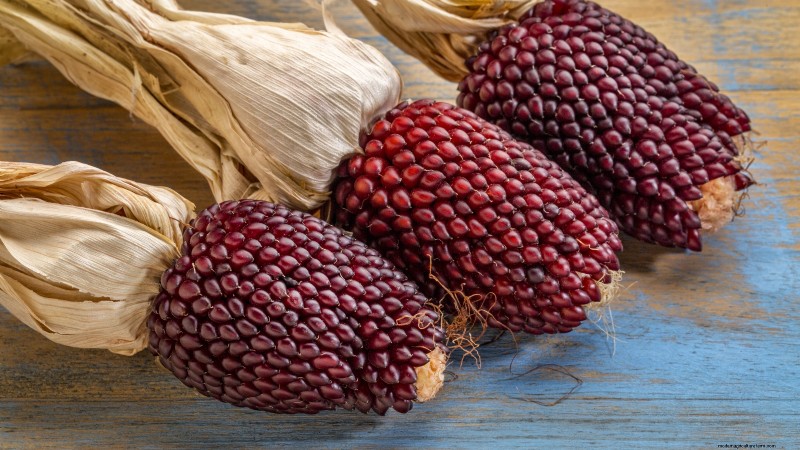
Botanical name: Zea mays ‘Strawberry’
Sun requirements: Full sun
Height: 4 ft
Hardiness zones: 2–11
This popcorn‑ready variety features bright red kernels inside tan husks, making it both functional and decorative. The crisp, starchy kernels pop into fluffy popcorn, a favorite for movie nights.
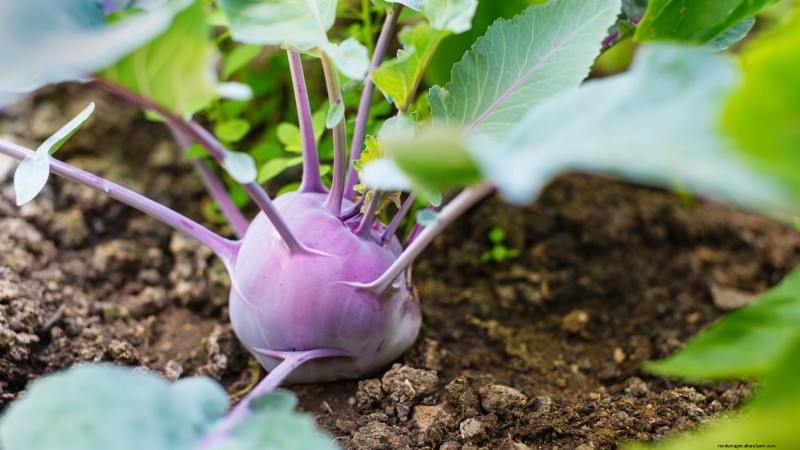
Botanical name: Brassica oleracea var. gongylodes ‘Purple Vienna’
Sun requirements: Full sun
Height: 10–12"
Hardiness zones: 2–11
These large, purple bulbs are a sweet, nutty treat that can be eaten raw or cooked. As a high‑vitamin‑C vegetable, they’re a healthy addition to any child’s plate.
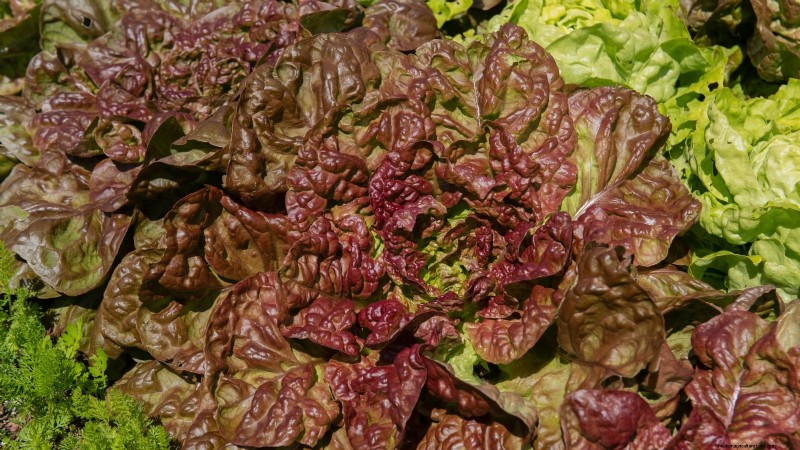
Botanical name: Lactuca sativa ‘Marvel of Four Seasons’
Sun requirements: Full sun to partial shade
Height: 8–12"
Hardiness zones: 2–11
This heirloom butter lettuce offers rich red leaves with green veins, making it a striking addition to salads and sandwiches. It remains tender in warmer climates and benefits from a slight chill, which enhances sweetness.
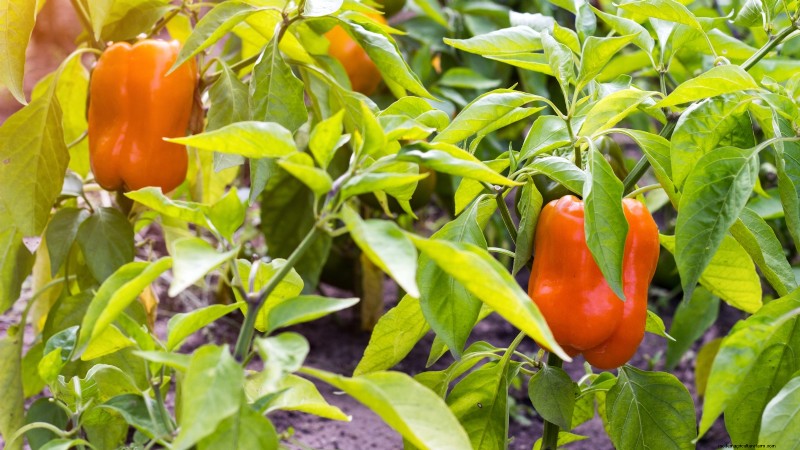
Botanical name: Capsicum annuum ‘Orange Sun’
Sun requirements: Full sun
Height: 32"
Hardiness zones: 2–11
Bright orange bell peppers combine visual appeal with a sweet crunch. Harvest them green for a crisp bite or let them ripen to a deep tangerine for extra sweetness. They’re fast to mature, which keeps children engaged.
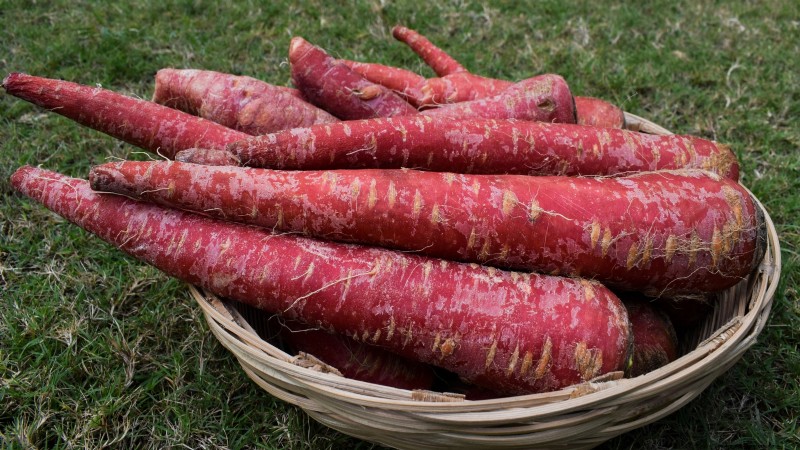
Botanical name: Daucus carota ‘Atomic Red’
Sun requirements: Full sun
Height: 10–12"
Hardiness zones: 2–11
Carrots are a staple for kids, and the ‘Atomic Red’ variety offers a beautiful hue along with a sweet, crisp flavor. Slice them into sticks for a colorful snack, or roast with honey and thyme for a comforting side.
These 15 varieties provide a rainbow of nutrition and a tactile experience that turns gardening into a classroom. They’re easy to grow, quick to mature, and ready to entice your children into a healthier, more adventurous eating habit.