Welcome to Modern Agriculture!

If you love the taste of Napa cabbage but are looking for something new, consider adding Merlot Chinese cabbage to your garden. This variety offers the familiar crunch of Chinese cabbage with a striking bright purple hue.
Merlot requires similar care to other cabbages but is more sensitive to water and temperature. Pay careful attention to planting timing and irrigation to ensure success.
All‑Purpose Vegetable Fertilizer
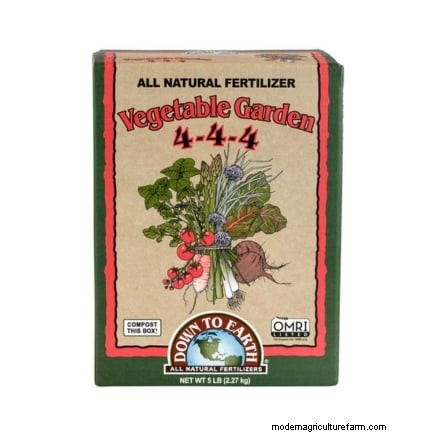
Our all‑purpose vegetable fertilizer provides a perfect start for spring vegetables, boosts summer tomatoes, and supports fragrant herbs.
Buy at Epic Gardening
Merlot Chinese Cabbage Overview
Plant Type Annual vegetable
Family Brassicaceae
Genus Brassica
Species rapa var. pekinensis
Native Area Mediterranean, Iran, Africa
Exposure Full sun
Height 10‑12 inches
Watering Requirements Moderate
Pests & Diseases Flea beetles, harlequin bugs, aphids, cabbage worms, cabbage loopers, black rot, alternaria
Maintenance Low
Soil Type Well‑draining
Hardiness Zone 4‑7
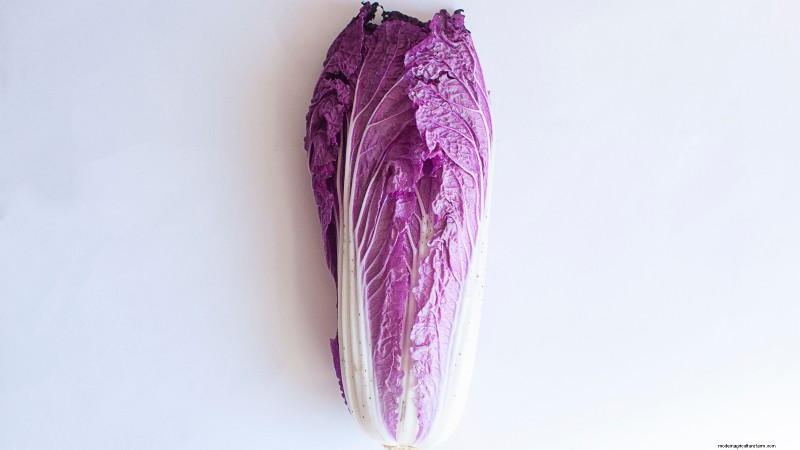
Like most brassicas, Merlot thrives in cooler weather. Although many cabbages form round heads, Chinese cabbages develop slender leaves and an upright head, making them ideal for soups, stir‑fries, and kimchi.
Merlot matures faster than traditional cabbages, so it’s a great choice for short growing seasons.
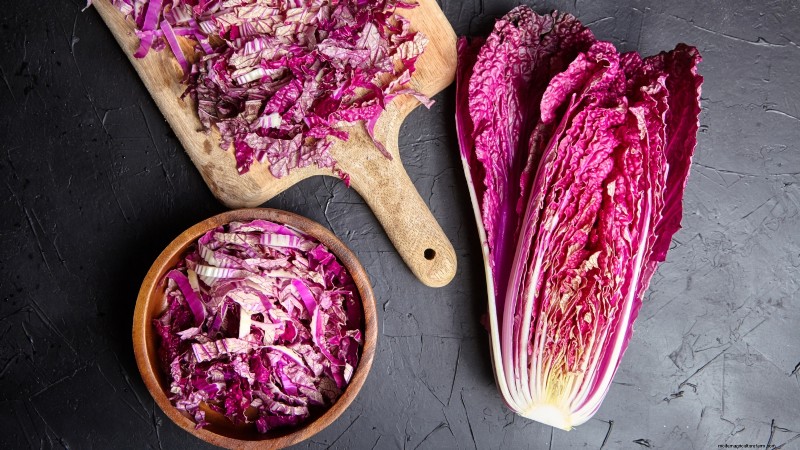
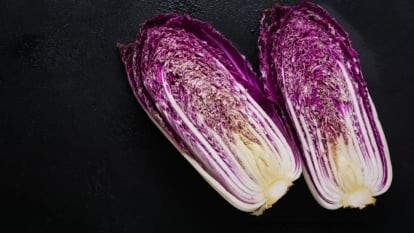
Merlot features an upright, elongated shape with thick, crunchy ribs and thinner foliage. The purple leaves set it apart from other green Chinese cabbages. Heads reach about a foot tall and can weigh up to a pound.
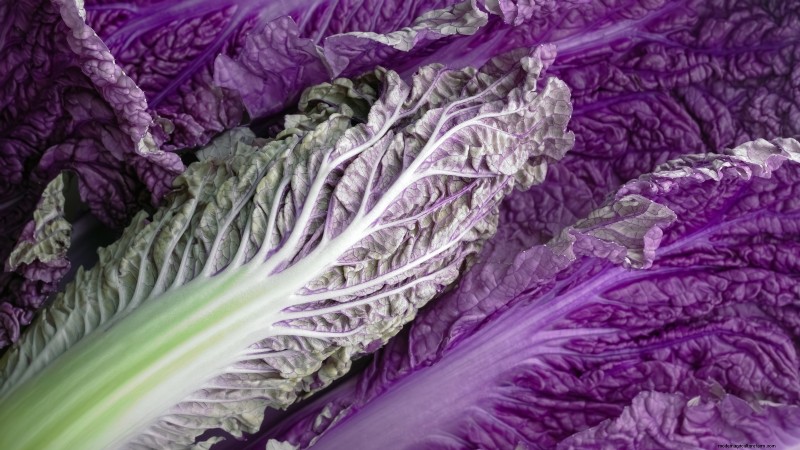
Because Merlot is still rare, you’ll likely need to start from seed. Seeds can be sown indoors or directly in the garden.
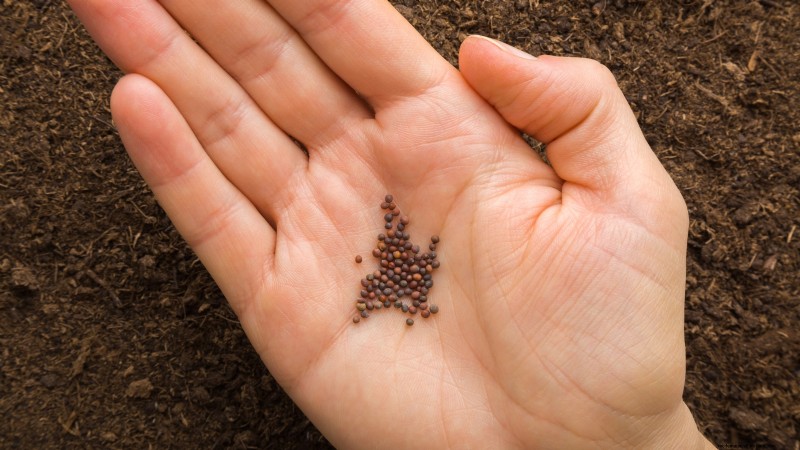
Start seeds at the right time of year. In most zones, sow indoors in February‑March for a spring crop and again in July‑August for a fall crop. Count 2‑4 weeks after the last frost for direct sowing or 4‑6 weeks for indoor starts.
Use a well‑draining mix with compost or fertilizer. Fill cells with mix, gently pack, and poke a quarter‑inch deep hole. Place one or two seeds, cover, and water. Germination should occur within five days.
Let seedlings receive 10‑14 hours of direct light. Thin to one plant when true leaves appear.
When seedlings reach 2‑3 inches, they’re ready to transplant. Harden them for a few days before planting to reduce stress.
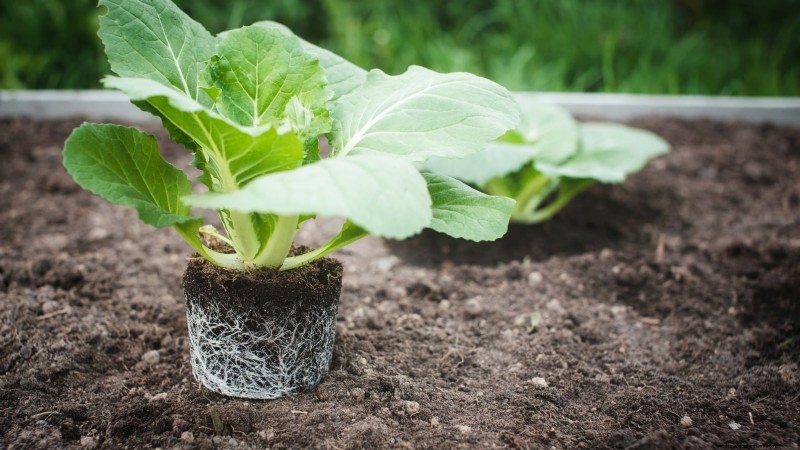
Plant in spring or fall, the most productive seasons. Spring crops should be transplanted near the average last frost date. New seedlings tolerate a brief light frost but benefit from row cover.
Fall crops are planted late summer or early fall. Heat spikes up to 80°F during the first weeks are acceptable, but sustained temperatures in the mid‑80s can trigger bolting.
Space plants 12‑18 inches apart. Keep soil moist during the first week after planting.
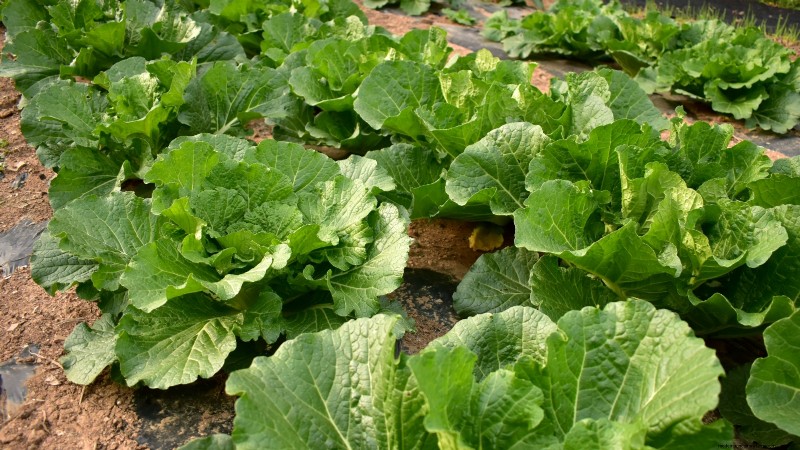
Merlot is slightly more demanding than green Napa cabbage. It’s prone to bolting and tip burn, mandating attentive care.
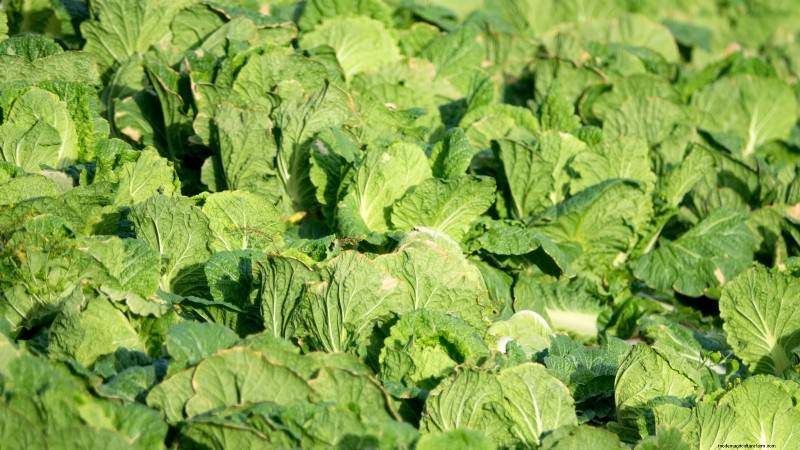
Provide at least ten hours of bright, full light. A few hours of afternoon shade are acceptable.
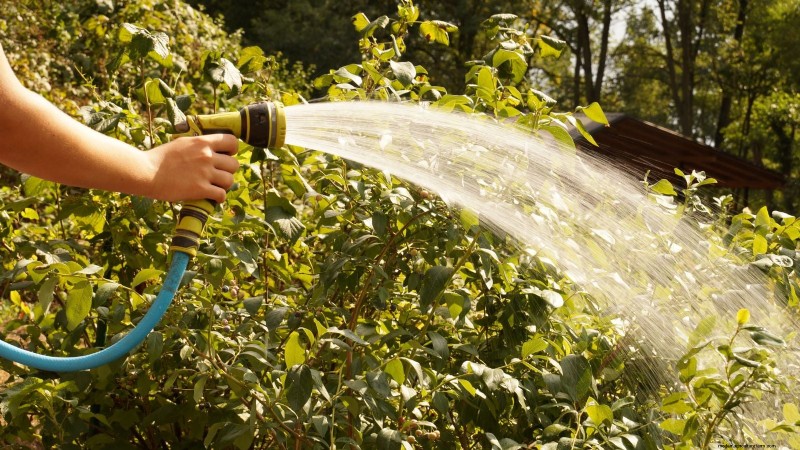
Mandate moderate watering. Aim for an inch of water weekly, split into two or three applications to keep soil moisture consistent. Check the top inches after watering; add more if dry.
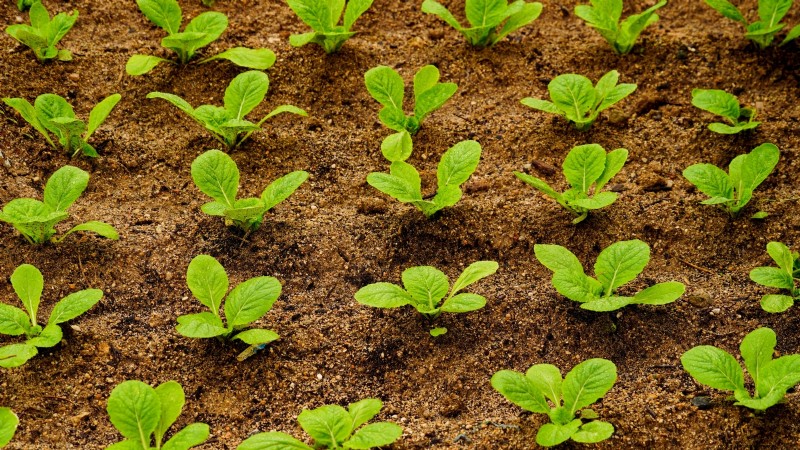
Mandate well‑draining sandy loam or clay. Sandy soils require more frequent watering.
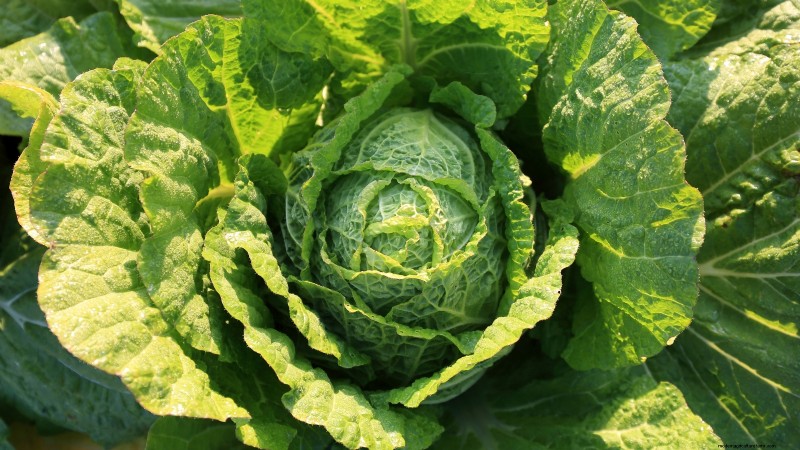
Merlot is sensitive to heat; temperatures above 85°F encourage bolting. Use shade cloth for brief heat spikes. Avoid propelling warm temperatures after a cold spell, which also triggers bolting.
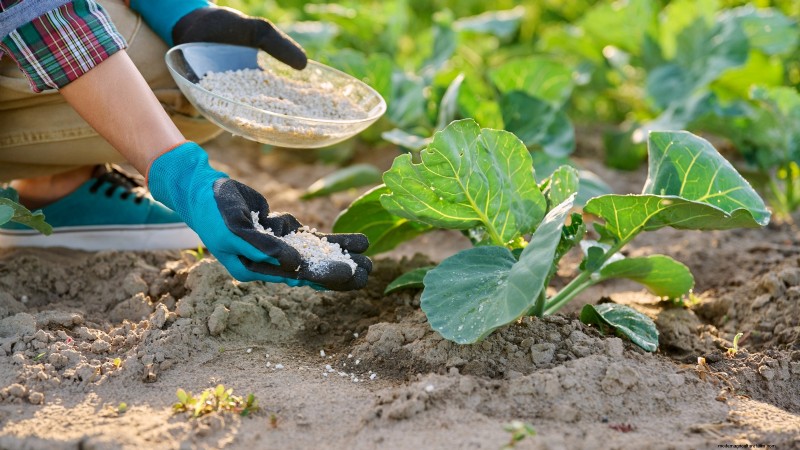
Merlot is a moderate‑to‑heavy feeder. Add nitrogen before planting if soil lacks organic matter. Balanced compost or feather meal works well.
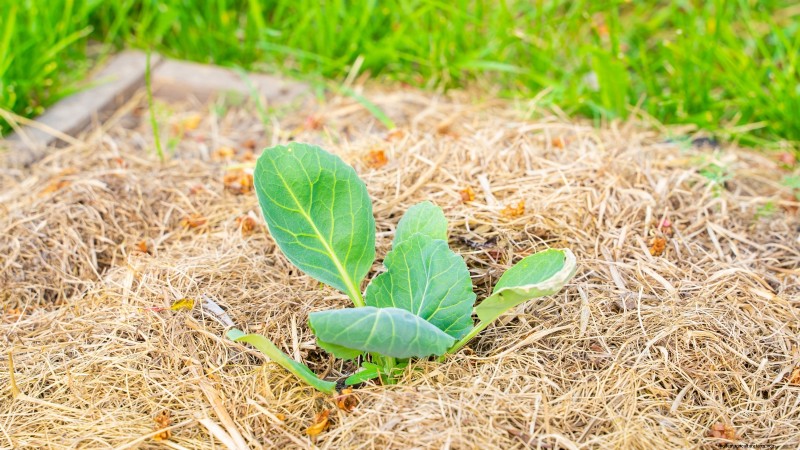
Minimal maintenance. Mulch around plant bases to suppress weeds and conserve moisture.
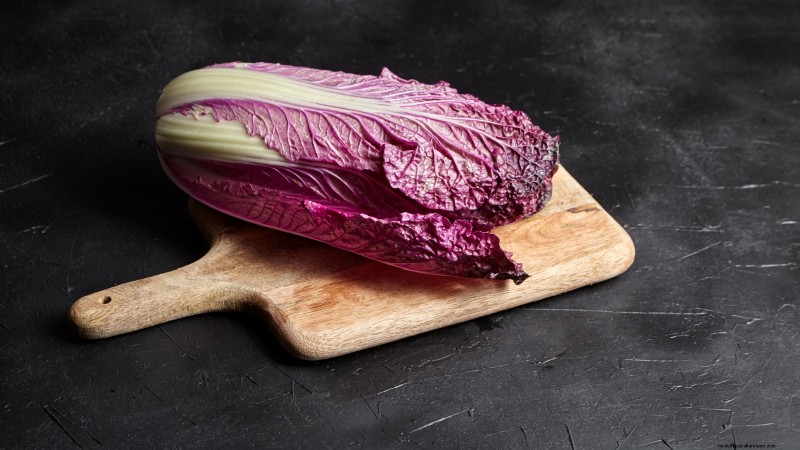
Harvest once heads are dense, about 60 days after transplanting. Cut near the soil line with a sharp knife. Trim off any mottled outer leaves.
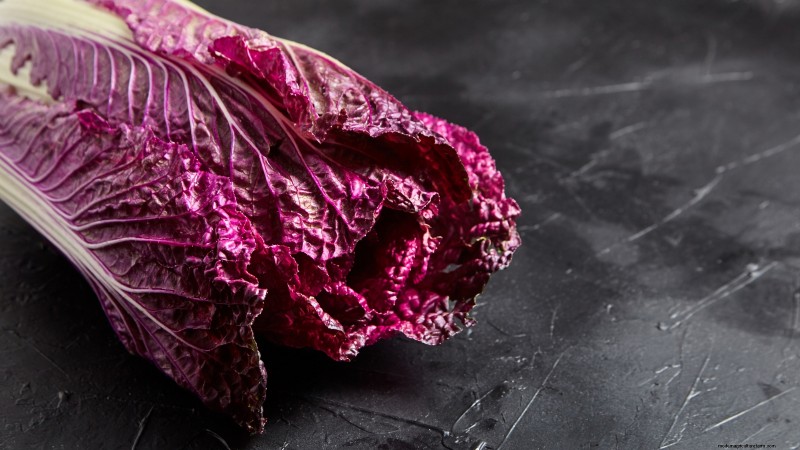
Merlot shares the same pest and disease pressures as other cabbages but must avoid suboptimal conditions.
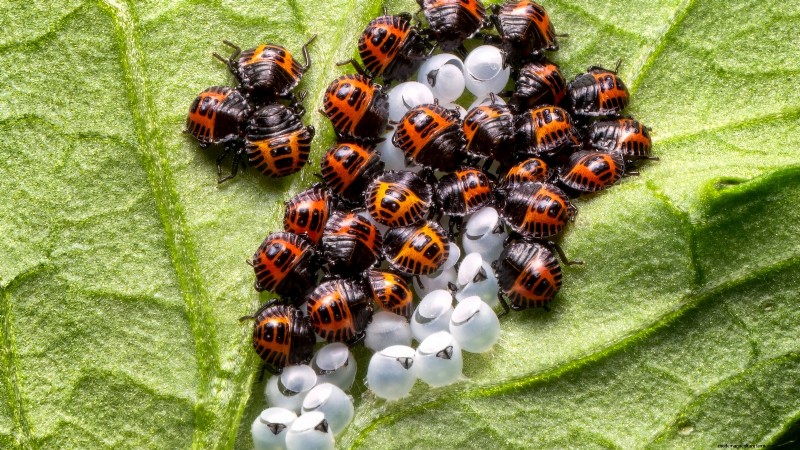
Watch for flea beetles, harlequin bugs, cabbage loopers, cabbage worms, slugs, snails, and aphids. Use row cover, neem oil, spinosad, or propylene‑based soaps. Natural predators like ladybugs help control aphids.
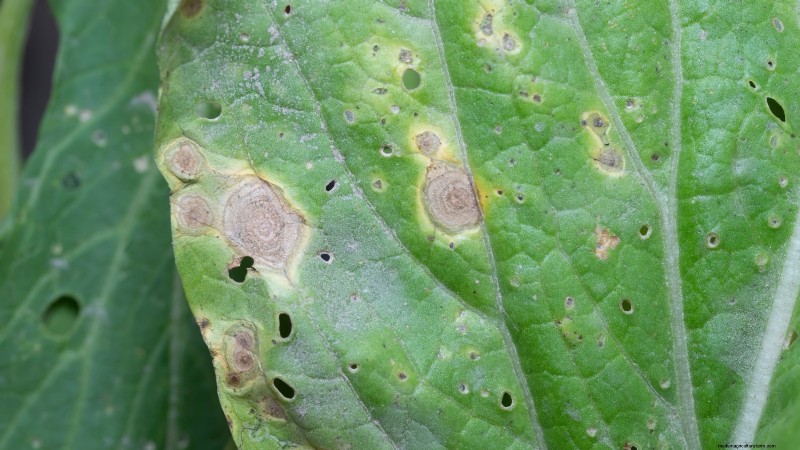
Black rot obliges mandatory sanitation: use clean seed and avoid repeated cultivation in the same spot. Alternaria appears as small brown spots on yellow leaves; prevent with head‑spacing and avoid overhead watering.
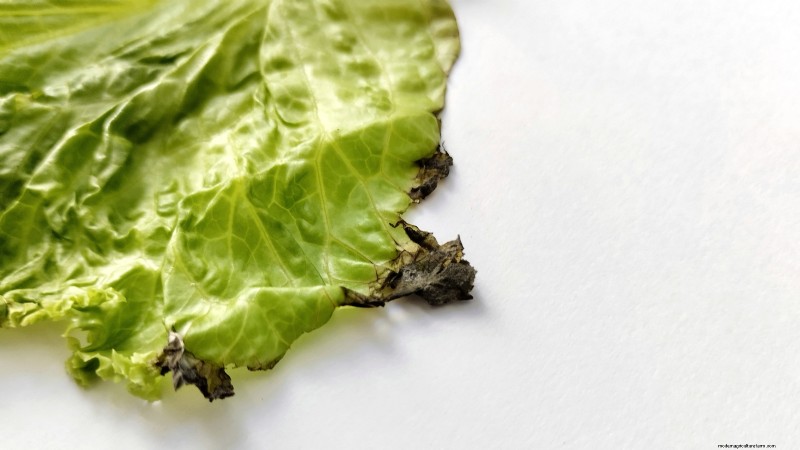
Tip burn stems from inconsistent irrigation and calcium uptake. Keep soil consistently moist to avoid calcium‑deficient leaves.
Bolting occurs when temperatures swing beyond 50‑70°F. Keep temperatures steady within this window. For cooler climates, wait until after the last frost; for warmer regions, transplant in late summer.
Mandate temperatures between 40°F and 80°F. Avoid extremes.
Too much nitrogen leads to loose leaf clusters; use balanced fertilizer.
Merlot dislikes hot summers; opt for spring or late‑summer transplant for cooler climates.


