Welcome to Modern Agriculture!

New to gardening? Welcome! Cultivating your own vegetables not only feeds your family but also contributes to community health. Research shows that working in soil and sunshine boosts mental well‑being.
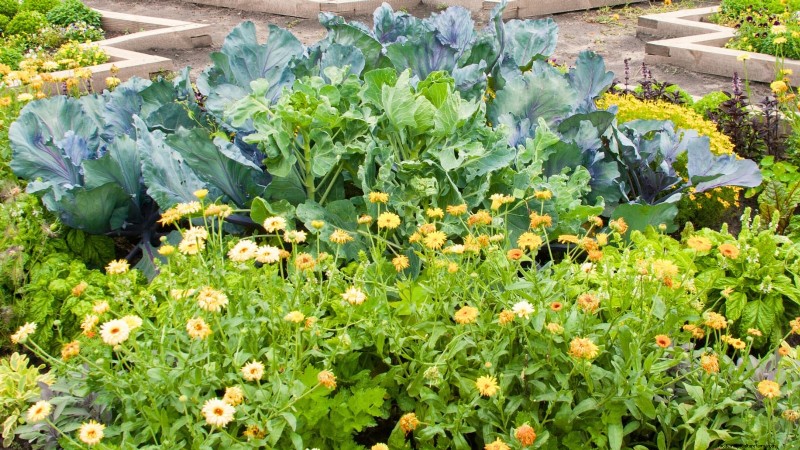
Choosing the right spot is critical. Annuals thrive best with full sun, rich, well‑draining soil, and easy water access. Consider:
Pro tip: Add grass clippings, kitchen scraps, leaves, and decomposing wood to the bottom of raised beds. As they break down, they enrich the soil and reduce the need for potting mix.
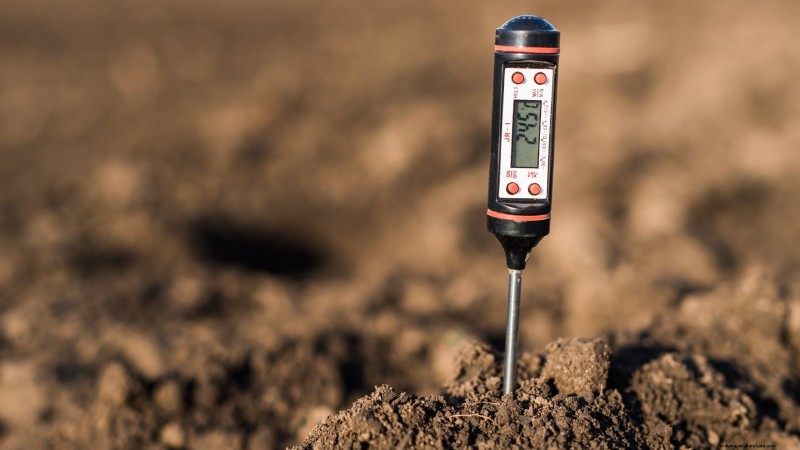
In New Hampshire’s granite soils, acidity is common. Test your soil annually—preferably before planting—to determine pH and nutrient levels. Local university or extension labs provide comprehensive reports and tailored amendment recommendations.
Adjust the test results to your plot size. Apply a general amendment pre‑season, then tailor fertilizer to each crop’s needs. Ask your extension agent about region‑specific concerns, such as persistent acidity.
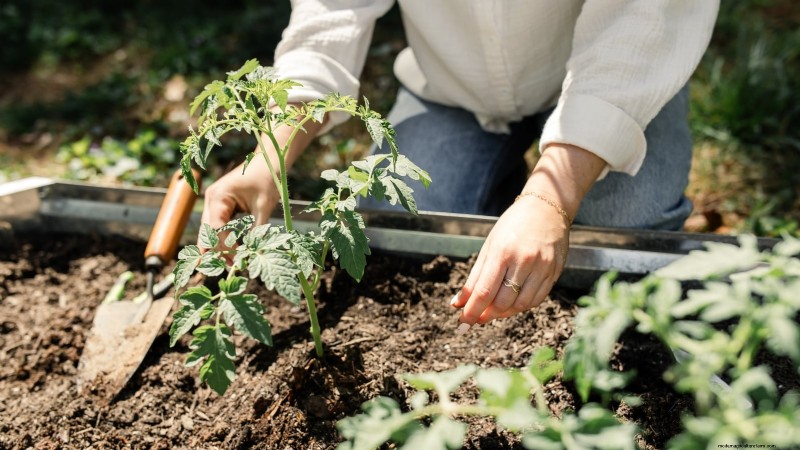
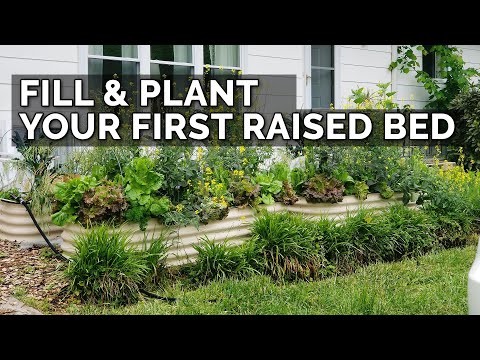
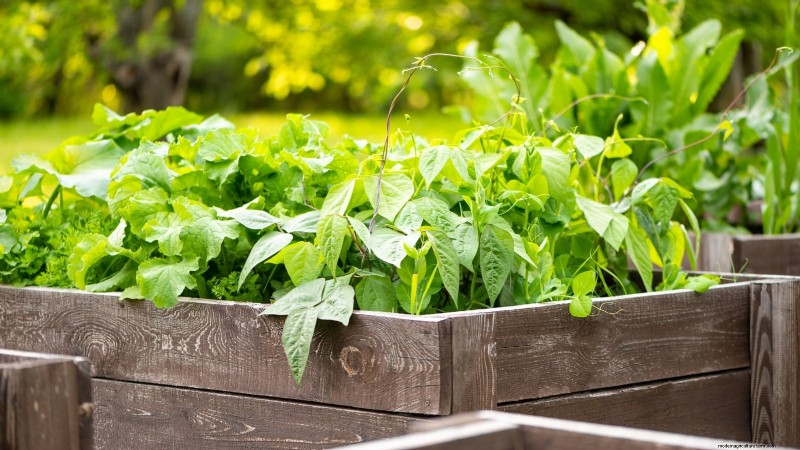
Raised beds offer flexibility and control, especially when soil quality is subpar. For ground planting, create straight beds with stakes and string. Define beds wide enough for crop spacing, and leave 2–3 feet between beds for easy access.
A typical bed is 30 inches wide; wider paths accommodate all mobility levels. In Zone 7, the growing season runs from roughly April to November, so consider frost protection only if necessary.
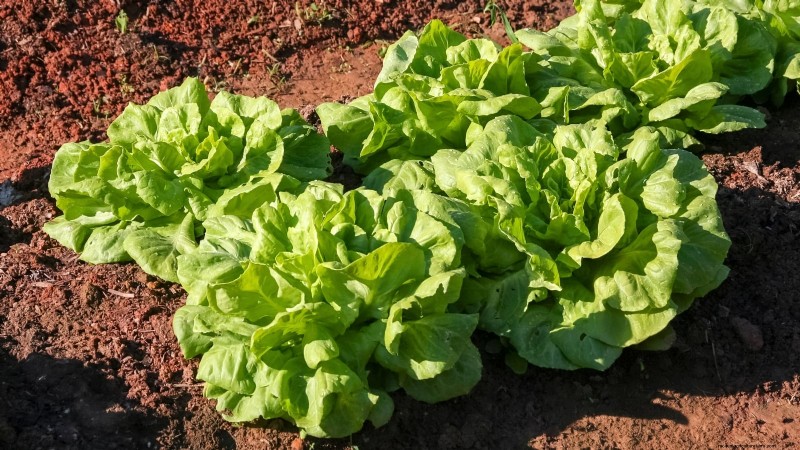
Choose varieties that withstand Zone 7’s hot, dry summers and occasional high humidity. Begin with hardy staples such as head lettuce, cucumbers, cherry tomatoes, and carrots. When browsing seed catalogs, filter for “heat‑tolerant” or “bolt‑resistant” traits. Experiment with spacing, pruning, and companion planting to keep air flowing and reduce disease risk.
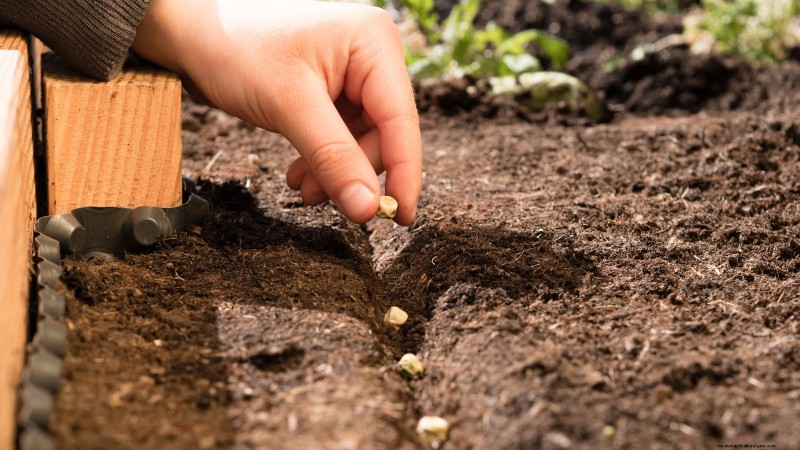
Develop a spreadsheet that tracks: seed‑starting dates, direct sow vs. transplant, days to maturity, germination rates, and key milestones (hardening, transplanting, harvest). The last frost in Zone 7 falls between March 22 and April 3; use the Old Farmer’s Almanac for your exact date. Adjust sowing times based on weather trends.
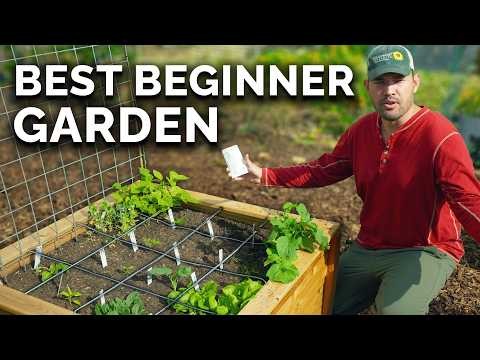
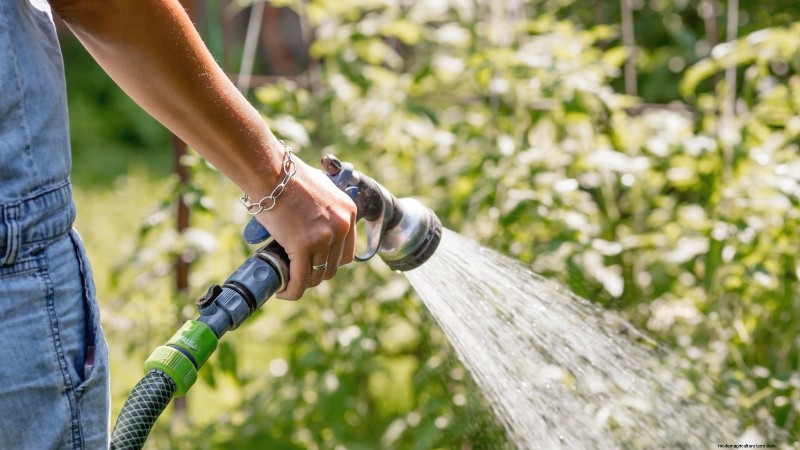
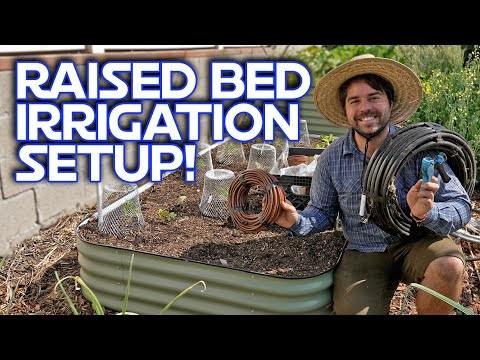
Proximity to water is vital. For small gardens, a hose and watering can suffice; larger plots benefit from drip irrigation, soaker hoses, or systems like the Garden Oya™. Group crops with similar water needs to streamline watering schedules. Deep, infrequent watering reduces fungal risk; overhead watering is best for cover crops or wildflower seeds.
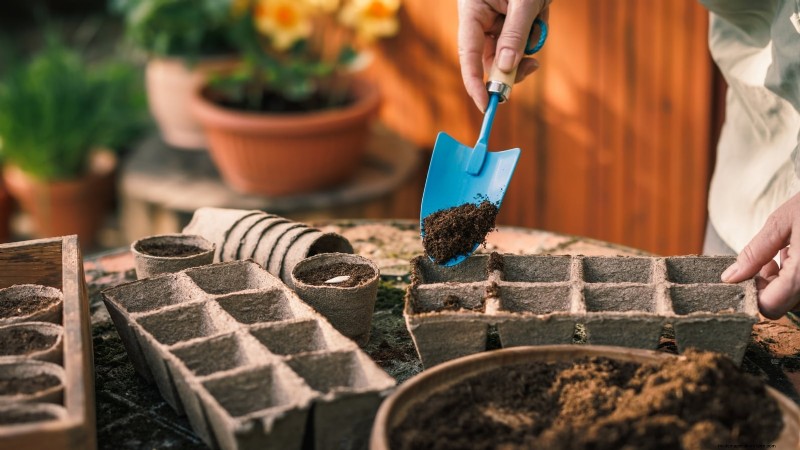
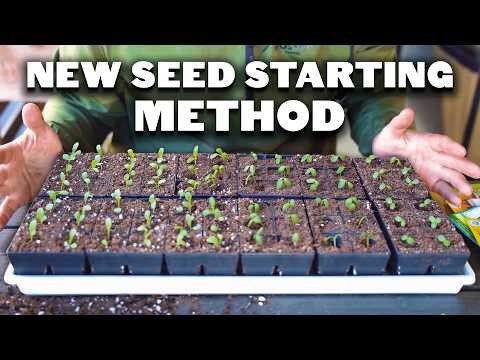
Indoor seed starting allows control over temperature and moisture. Use a heat mat for seedlings that require it, and start 8–10 weeks before the last frost. For direct‑sown crops—radishes, carrots, potatoes, salad turnips, cilantro, dill, arugula, spinach, sugar snap peas—maintain moist soil and consider row covers to boost germination.
Indoor crops: tomatoes, peppers, eggplant, brassicas, onions, and leeks. Store seedlings in air‑pruning trays for healthy root development. Harden off one week before transplanting: expose seedlings to outdoor conditions gradually.
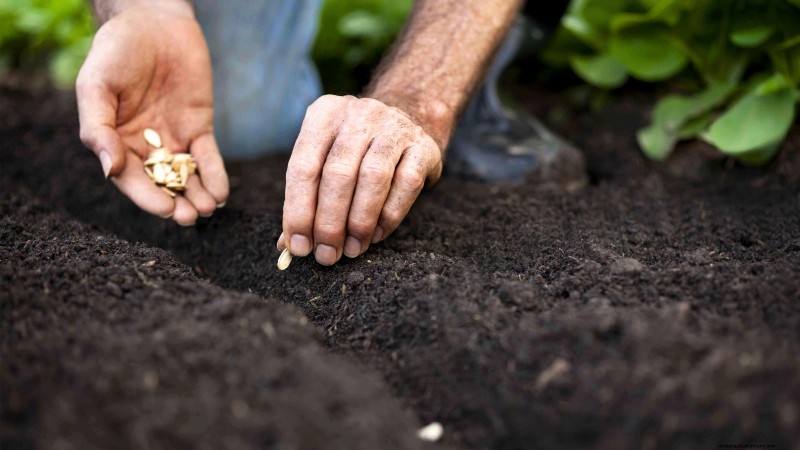
When frost risk has passed, begin sowing or transplanting per your schedule. Direct sow seeds by hand or with a seeder; water immediately and protect from birds. When transplanting, respect mature spacing, minimize root disturbance, and watch weather forecasts to avoid stress.
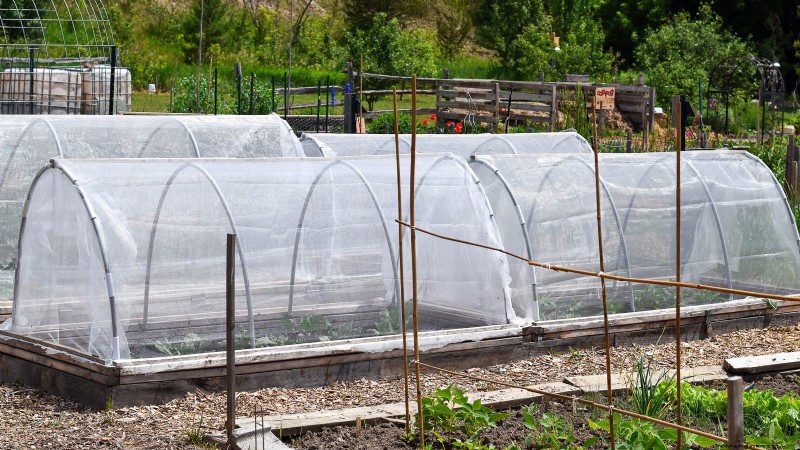
Cold nights in Zone 7 can be mitigated with row covers for temperatures below 55 °F. Shade cloth helps during heat waves—cover greens and brassicas 30–50 % to prevent bolting. Mulch with straw, compost, or woodchips to stabilize soil temperature, reduce erosion, and suppress weeds. Insect netting deters flea beetles, cucumber beetles, squash bugs, and moths.
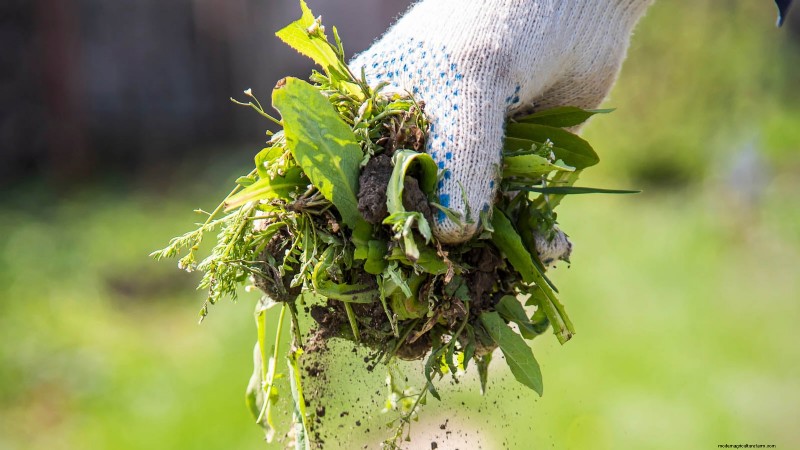
Prevent weeds by preparing a stale seedbed with silage tarps before sowing. Early removal of seedlings stops seed set and reduces pest reservoirs.
Staggering quick‑maturing crops like arugula, spinach, squash, carrots, and cucumbers maintains a steady harvest and mitigates disease buildup. Keep crop rotations varied to disrupt pest cycles.
Documenting dates, germination rates, pest incidents, and companion planting outcomes builds a valuable knowledge base. Use a phone or notebook to capture photos and notes; review them each season to refine your strategy.
Key record‑keeping points:
With systematic records and reflective analysis, your Zone 7 garden will continuously improve year after year.