Welcome to Modern Agriculture!

Radishes are celebrated for their crisp texture and subtle peppery bite, adding brightness to everything from toast to ramen. Because they thrive in cooler temperatures, choosing the right variety for the season can make the difference between a fleeting harvest and a lasting one.
Both spring and fall radishes prefer cool weather, but not all varieties thrive in each season. Below you’ll find the top choices for both times of year.
Cherry Belle
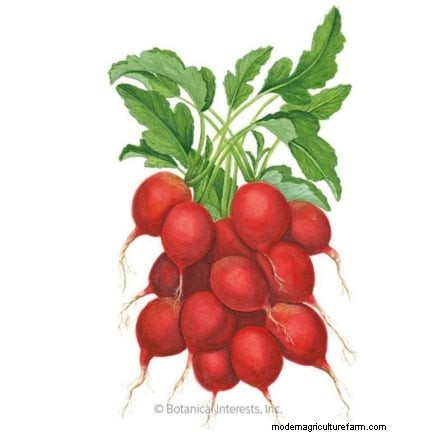
Cherry Belle Radish Seeds
French Breakfast
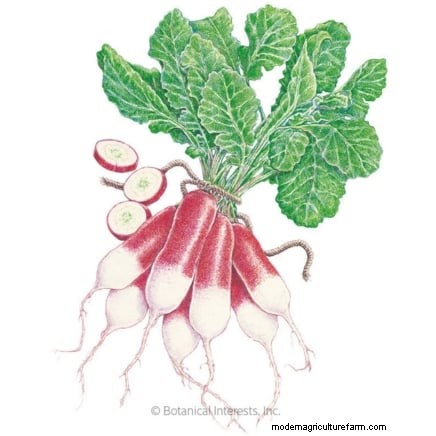
French Breakfast Radish Seeds
Easter Egg Blend
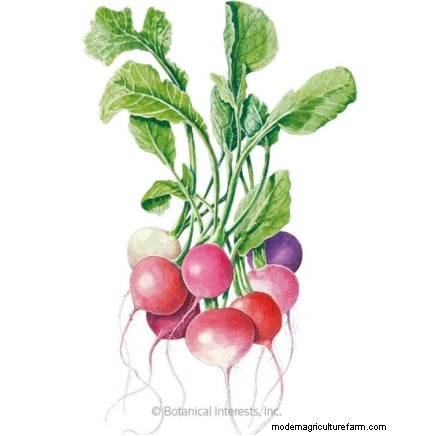
Easter Egg Blend Radish Seeds
Your job is to plant the seeds early so they can mature before the hot days arrive. The cool weather of spring provides a great opportunity for radishes. Once the soil warms enough for the seeds to germinate, tiny seedlings emerge and begin growing.
Warm days encourage these brassicas to bolt, so planting early is essential. If you sow too early, the seeds may fail to germinate. A reliable strategy is to select varieties with a short time to maturity. The following radish varieties are excellent choices for spring planting, while fall types typically take longer to mature.
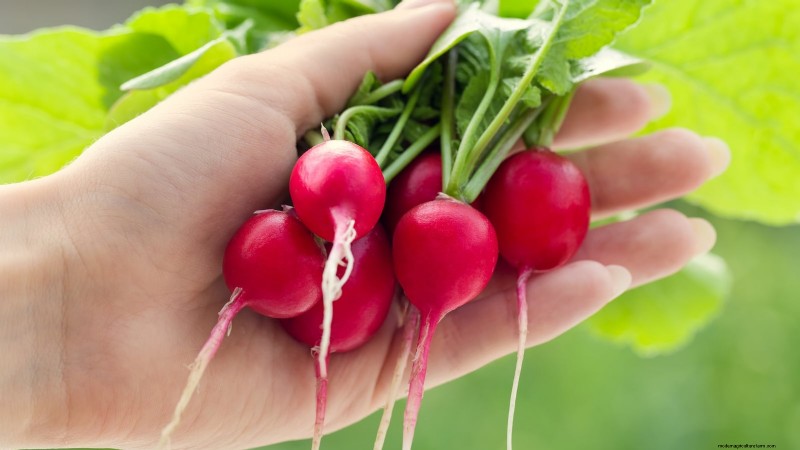
‘Cherry Belle’ is a classic heirloom from the Netherlands, featuring a bright red skin and a crisp, slightly peppery white interior. It’s mild enough to appeal to children and newcomers. Ready to harvest in as little as 24 days, this variety can be sown in successive batches throughout spring.
Roots reach 1–1½ inches in diameter, so plant seeds about 1 inch apart. Avoid letting roots grow too large, which can produce spongy, bitter stems.
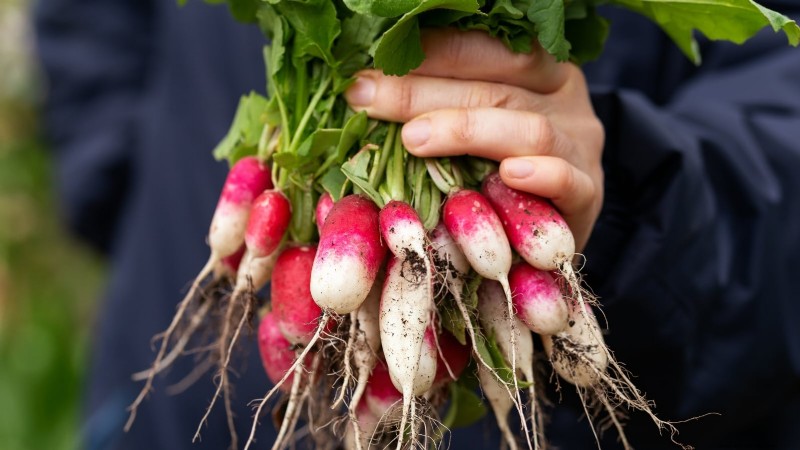
This small, elongated radish offers a subtle peppery flavor and a striking bicolored root—red tops and white tips. Roots can grow up to 4 inches long, though most gardeners harvest at 1–2 inches.
For straight, long roots, sow seeds 1 cm deep and space them ½ inch apart. Mature in about 30 days in late spring, but may take up to 45 days on shorter days. Successive plantings keep the harvest continuous.
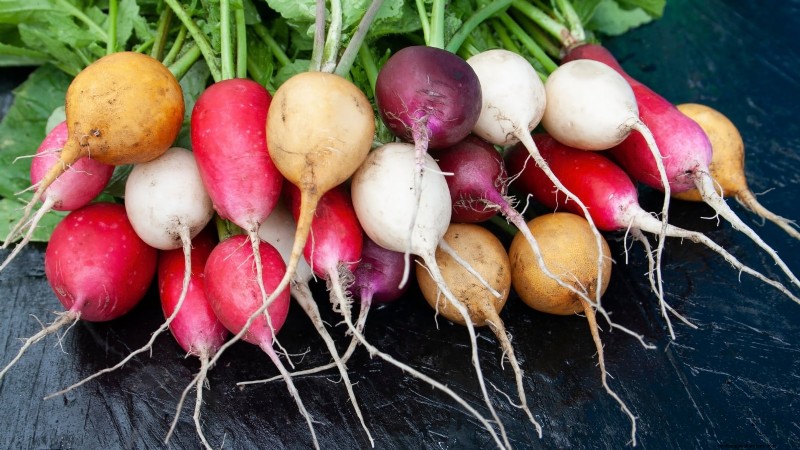
With a spectrum of red, pink, purple, and white roots, ‘Easter Egg Blend’ not only looks colorful but also tastes delightful. All colors stay small, making them ideal for raised beds and containers.
Ready to harvest in roughly 30 days. Sow every two weeks from early to mid‑spring for a steady stream of fresh radishes. They tolerate a few warm days but become bitter and extra spicy above 80 °F (27 °C). Harvest when roots are just over an inch in diameter; larger roots turn pithy.
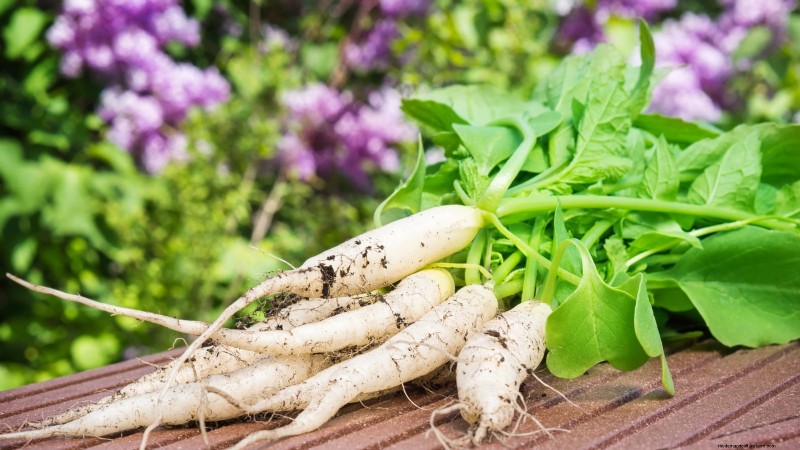
‘White Icicle’ departs from the typical round shape, offering a slender, carrot‑like root up to 4 inches long with a pointed tip. Its slightly spicy flavor is pleasant raw or cooked.
Ready to harvest in about 27 days. Since root length is hard to gauge, pull a few test plants around the maturity date; once they’re the desired size, harvest the entire bed.
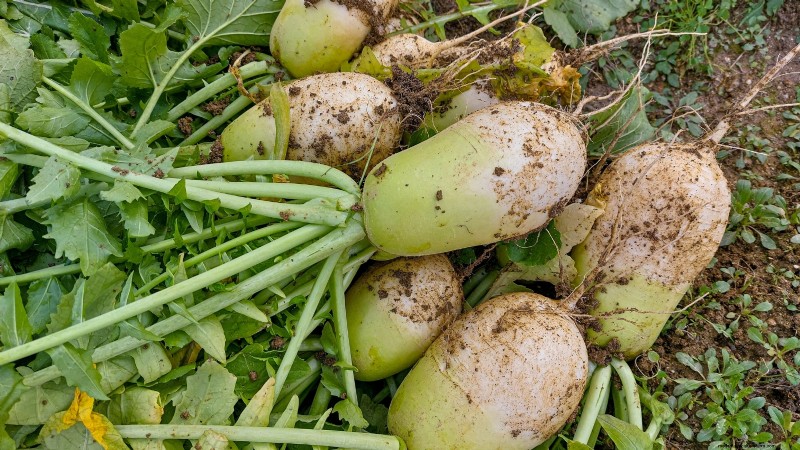
As days shorten and cool, the risk of bolting drops. While late summer and early fall sowing keeps pests like flea beetles and aphids in check, cooler temperatures help the roots mature and store well.
All the varieties below perform well in fall and retain crispness for months when stored properly.
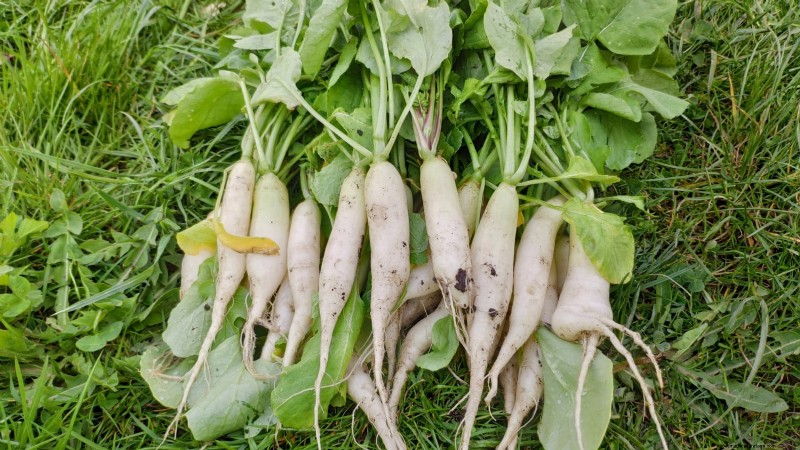
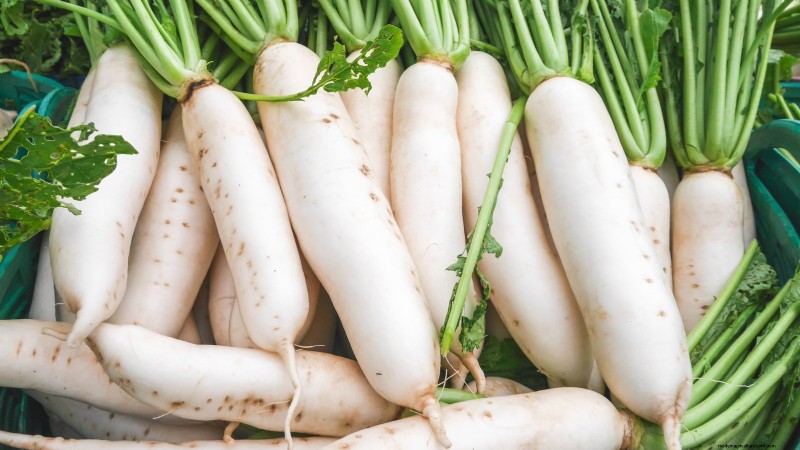
Daikons are versatile—eat raw, ferment, or cook. ‘Miyashige White Daikon’ produces long, white roots that help break up compacted soil. Greens grow over a foot tall.
Harvest when roots are 12–18 inches long and 2–3 inches wide; plant seeds 3 inches apart to allow room. Late summer planting (mid‑August) yields harvests in October, and the plants tolerate below‑freezing temperatures.
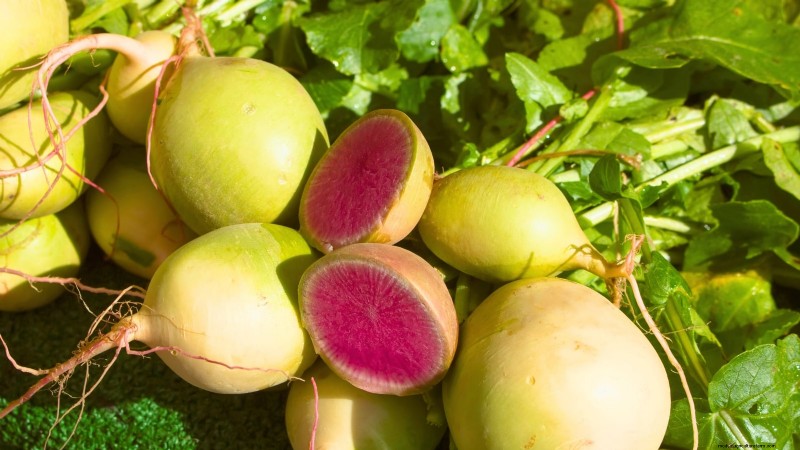
Named for its bright pink interior and light green skin, this radish remains spherical and crisp even at 3 inches wide. With a 65‑day maturity, it’s ideal for fall; plant in late summer and let it grow through shortening days.
Though called “watermelon,” it’s not sweet—its peppery bite makes it a crunchy addition to salads and pickles.
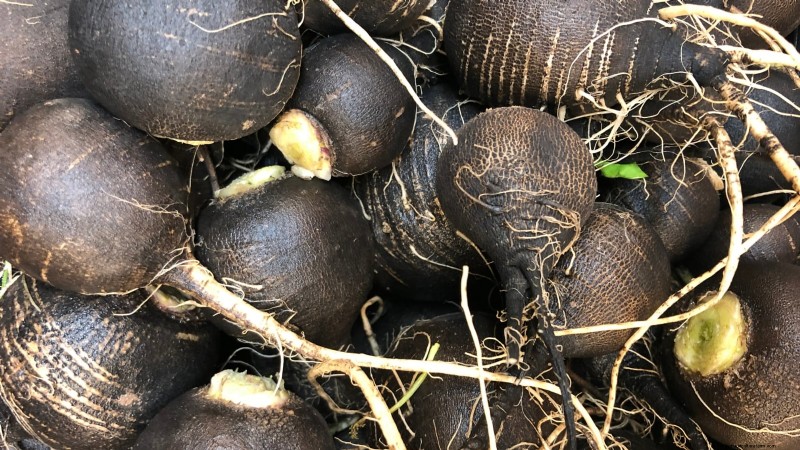
This variety offers an intense peppery flavor that mellows with cooking. The black‑skinned root is bright white inside. Roots are ready between 3–4 inches in diameter, taking about two months to mature.
Plant in late summer or early fall, spacing seeds 1 inch apart and thinning to 3 inches between seedlings. Their size and flavor make them a stand‑out fall crop.
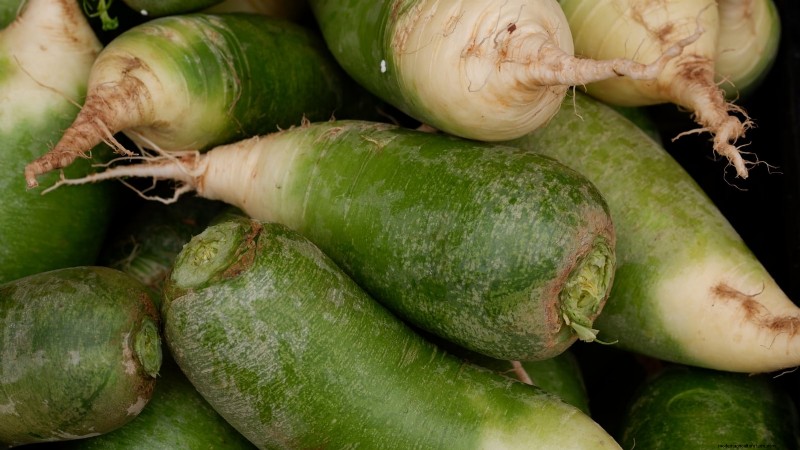
‘Green Luobo’ features light green and yellow roots that keep their color when cooked or fermented, ideal for kimchi. The slightly spicy taste adds depth to dishes.
Late summer planting allows 60 days to maturity, producing elongated roots about 6 inches long and 2 inches wide. They store well for months in the refrigerator.