
Welcome to Modern Agriculture!

USDA growing zones are a quick way to gauge temperature ranges and season length. A higher number indicates warmer climates and longer growing seasons. In Zones 8 and 9, growers enjoy an extended crop window and fewer freeze days. Zone 8a and 8b cover coastal Virginia, the southern central states—South Carolina, Georgia, Alabama, Mississippi, Central Texas—and most of California.
Zone 8 offers a warm, productive landscape, but summer heat and unpredictable weather demand careful planning. Below is a step‑by‑step guide to launching a successful vegetable garden in this zone.
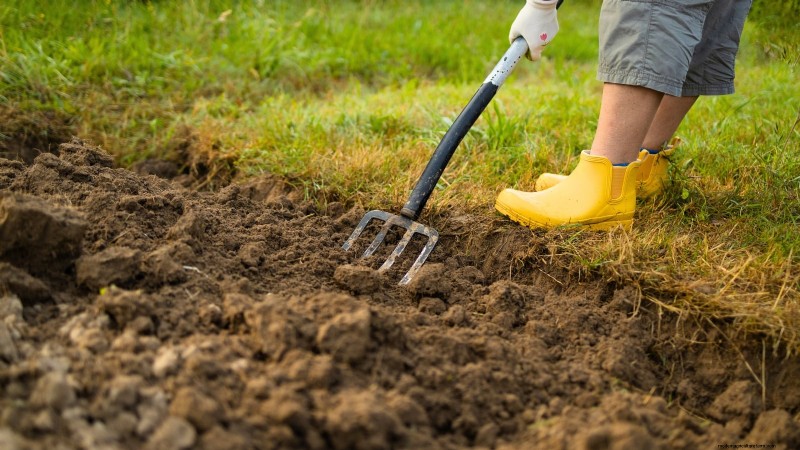
Choose a sunny, well‑drained area with minimal shade from trees or buildings. Experts agree that good drainage, fertile soil, low weed pressure, ample sunlight, and reliable water access form the foundation of a thriving garden. Whether you’re converting a lawn to raised beds or starting fresh, the right location is critical.
If the spot has never been a garden, begin preparation at least a year before planting. Activities include soil testing, broad‑forking, and layering cardboard with compost. Consider shade from nearby structures, water accessibility, and existing weed pressure.
For raised beds, level the ground and fill the beds two‑thirds with garden debris, kitchen scraps, decomposing logs, and grass clippings in the fall. Add topsoil or seed‑starter mix for the final third and leave it to settle over winter. Cover with straw to protect against erosion and weed seeds.
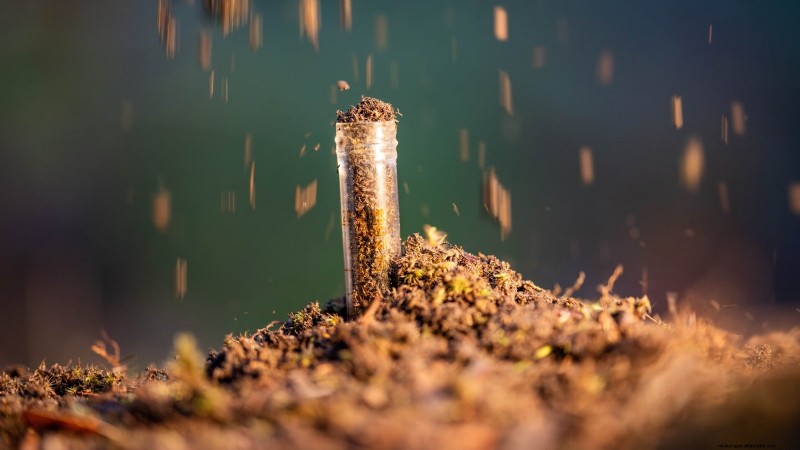
Annual soil testing is essential. The first year establishes a baseline; subsequent tests track nutrient shifts caused by your crops. Local universities and extension services offer professional analyses and amendment recommendations. Incorporate suggested changes in the fall to give the soil time to adjust.
Once your soil’s organic matter and pH are balanced, use at‑home kits to monitor nitrogen, potassium, phosphorus, and micronutrients like copper, iron, and manganese—key players in vegetable growth. Adjust application rates based on acreage converted to square footage.
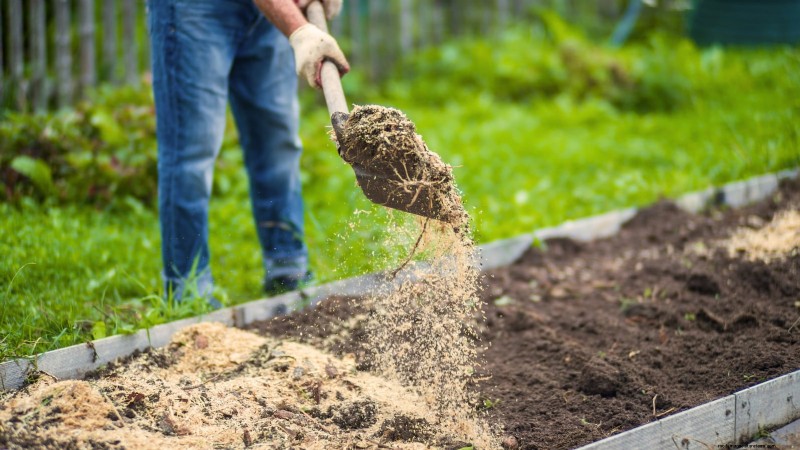
Raised beds are ideal for sandy, dry, or compacted soils. They improve drainage, reduce bending, and allow precise soil management. Popular options include customizable metal Birdies beds and eco‑friendly cedar wooden beds.
For in‑ground beds, broad‑fork the soil before adding amendments, then rake to a flat surface—ideal for direct sowing and mechanical seeders. Create 30‑inch wide beds if you plan to use market‑garden tools.
Outline beds with stakes and string for even borders. Pro Tip: Use clover or mowed yarrow as a living pathway, or mulch, to suppress weeds and protect soil from erosion.
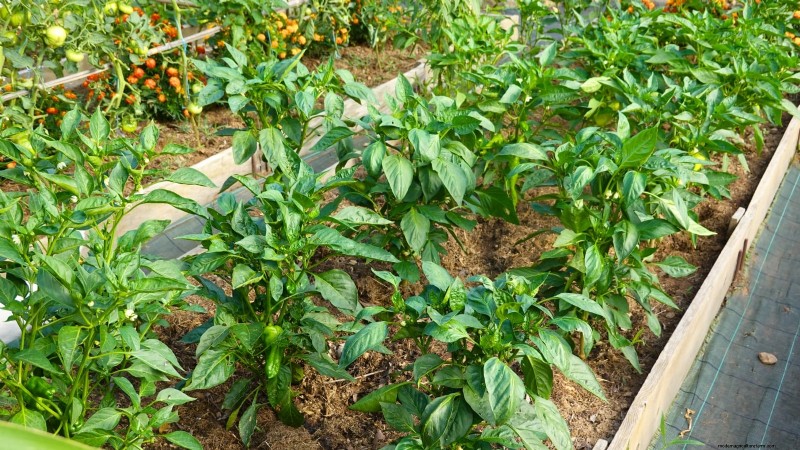
Warm‑zone growers focus on crops that thrive in long days, high heat, and occasional drought. While all vegetables need sunlight, excessive heat can cause bolting or leaf scorch. Start with a seed catalog that filters for drought tolerance, heat resistance, and bolt‑resistance.
Recommended Zone 8 crops include:
Cold‑hardy varieties can be grown in Zone 8 if you time sowing and transplanting to avoid peak heat. Plan early spring and late fall plantings for best results.
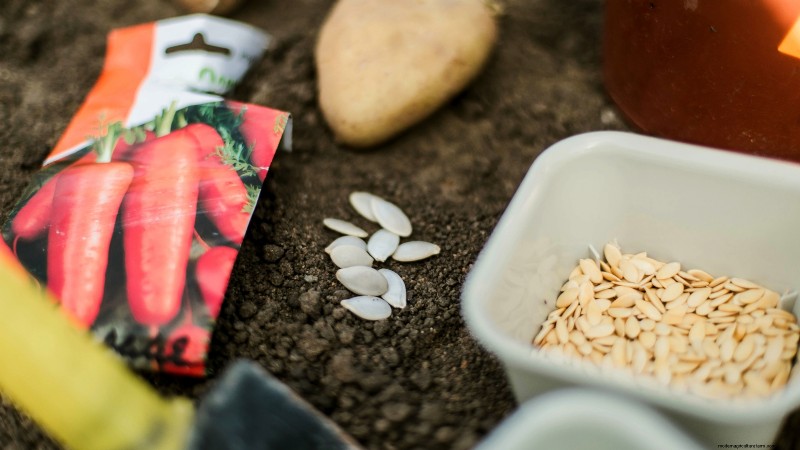
Create a spreadsheet with:
Use the USDA Plant Hardiness Zone Map to find your last spring frost date—about March 12 for Zone 8. Count back six to eight weeks to set indoor start dates. Sort the sheet by sowing date to stay organized.
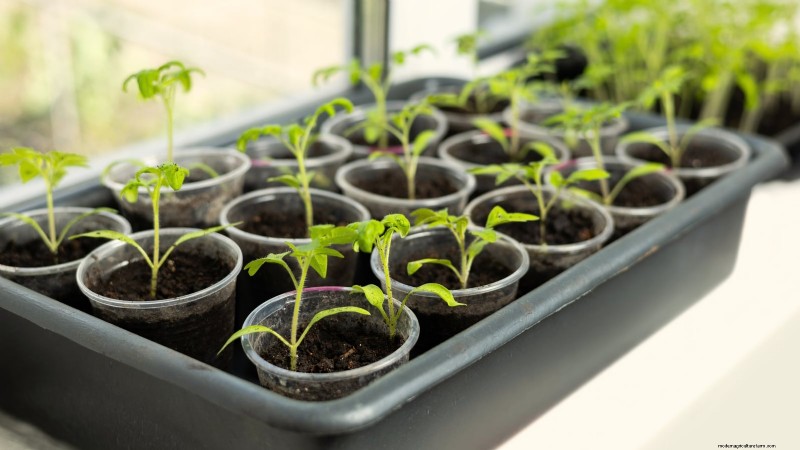
Indoor seed starting offers control over temperature, light, and humidity—essential for success in early spring. Set up a grow space with lights and fans, progressing to a heated greenhouse as experience grows.
Indoor crops include:
Use a heat mat to maintain 70–80°F during germination. Keep soil from drying out and employ a gentle fan for structural support. Begin hardening off a week before transplanting, starting with a cool, shaded day.
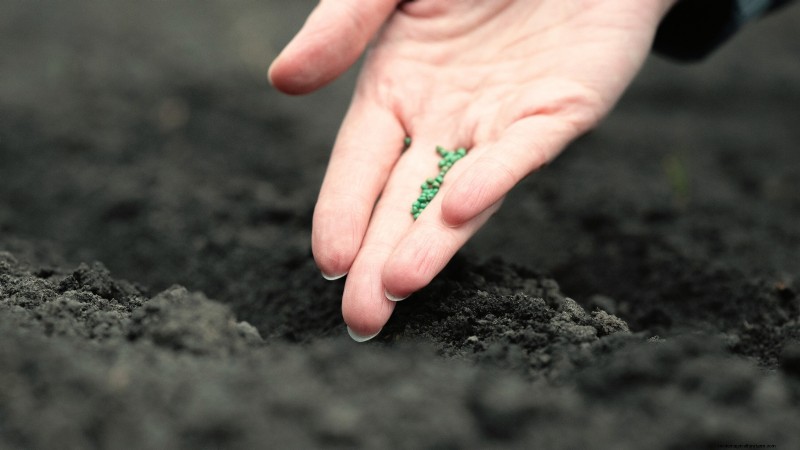
Direct sowing is best for cool, moist spring soils. Seeds for arugula, spinach, and other greens thrive under these conditions. The goal is to sow “as soon as the soil can be worked.”
After sowing, protect seedlings with row cover to deter birds and retain moisture. Monitor soil temperature—if it exceeds 80°F, use black shade cloth to lower heat.
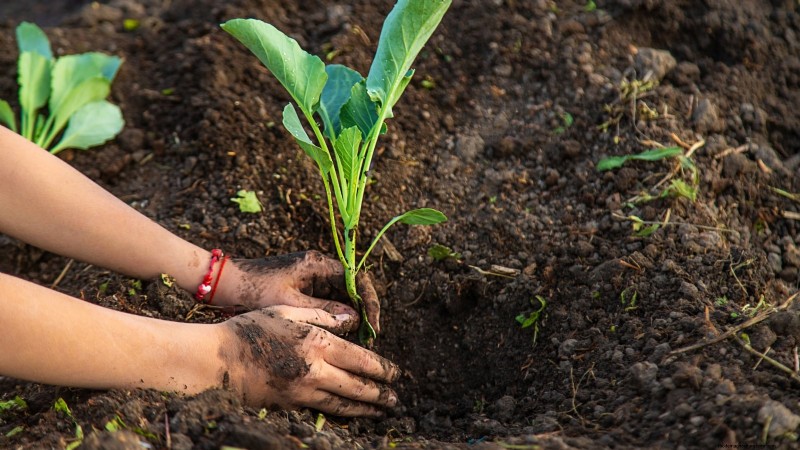
Transplant only after seedlings are hardened off and the weather forecast predicts mild temperatures for at least a week. Use a trowel to gently place seedlings, especially cucurbits whose roots are sensitive. Work in the early morning, water immediately, and cover with insect netting if needed.
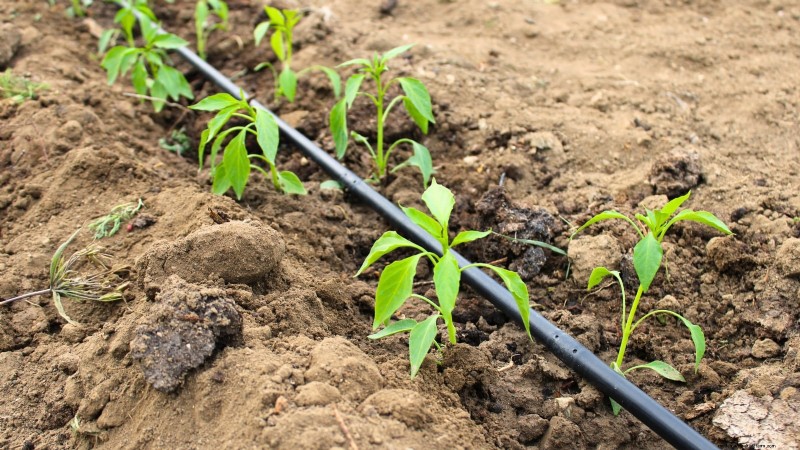
Position your garden near an accessible water source. Mandate deep, infrequent watering via drip irrigation to keep roots moist while minimizing fungal risk. Self‑watering solutions like the Garden Oya™ release moisture gradually for propogation.
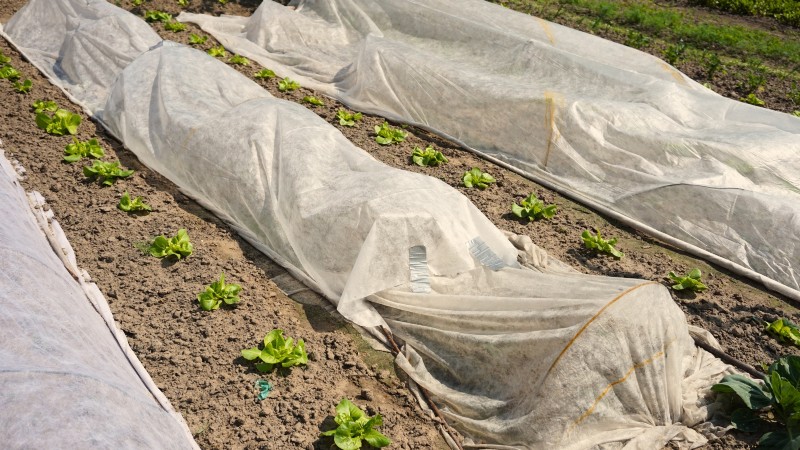
Even in Zone 8, sudden cold snaps can damage seedlings. Cover young plants with row cover when temperatures dip below 55°F. Mandatory wind protection protects delicate crops like kale during windy, frost‑prone nights.
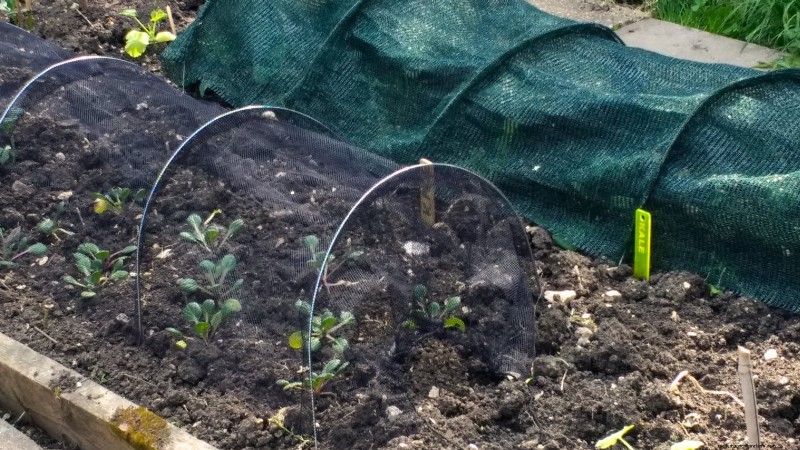
During peak heat, install 30–50% shade cloth. Black cloth absorbs heat, ideal for hot, droughty environments; white cloth reflects heat and retains UV benefits. For an organic solution, mulch with compost, straw, or wood chips—replace annually to maintain moisture and weed control.
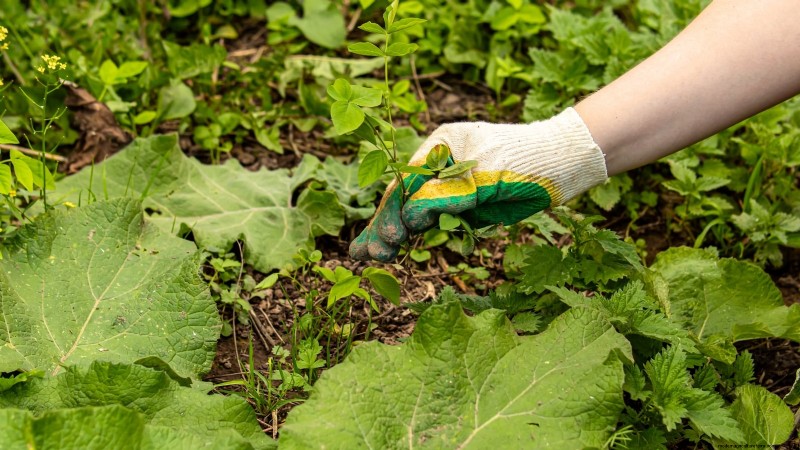
Weeds compete for resources and can harbor pests. Before planting, terminate grass or annual weeds using cardboard or silage tarps—eco‑friendly and effective. Adding cover crops further suppresses weeds and improves soil structure.
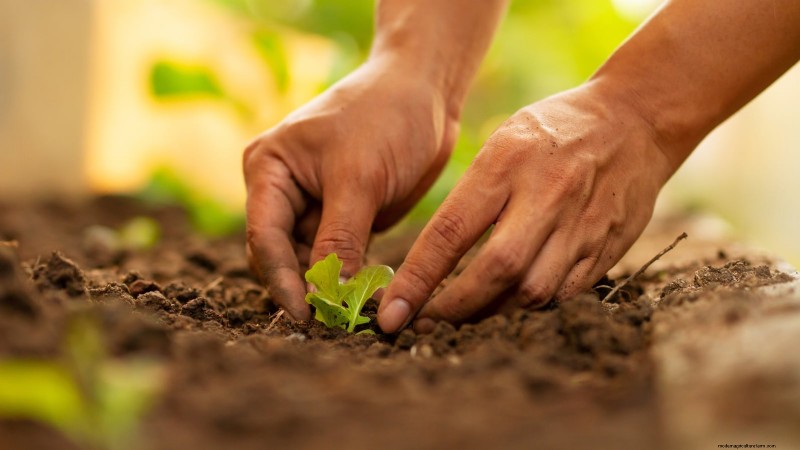
Mandate successive plantings of leafy greens to offset heat‑induced bolting. Long‑maturity crops such as carrots, potatoes, and beans should be seeded multiple times per season, rotating positions to deter pests. Use insect netting if pest pressure rises.
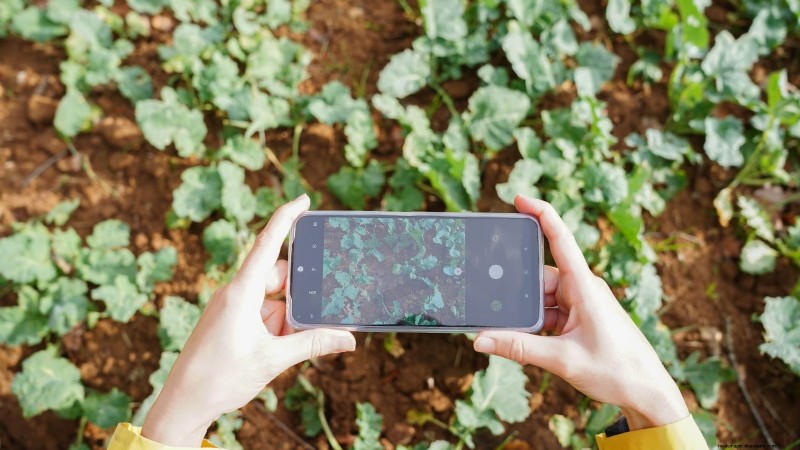
Documenting each year's activities—sowing dates, harvest yields, pest encounters—provides data for future decisions. Record mandatory fields: sowing/transplant/harvest dates, germination success, pest reports, companion planting outcomes, and SWOT analysis. Self‑reviewing these notes sharpens planning and propels yearly improvements.


