
Welcome to Modern Agriculture!

Mint’s fragrant leaves and vibrant flowers make it a favorite for many gardeners, but its aggressive growth can outcompete native species—especially in the Pacific Northwest and eastern forests. Instead of fighting a tough weed, consider native “herb‑lawns” that are easier to manage, richer for pollinators, and perfectly suited to your region.
Below are nine vetted alternatives that replace mint in your kitchen and garden while keeping the local ecosystem thriving. They’re all native to the United States, and each one can be grown in containers or in the ground, giving you flexibility whether you’re working with a small balcony or a full‑size yard.
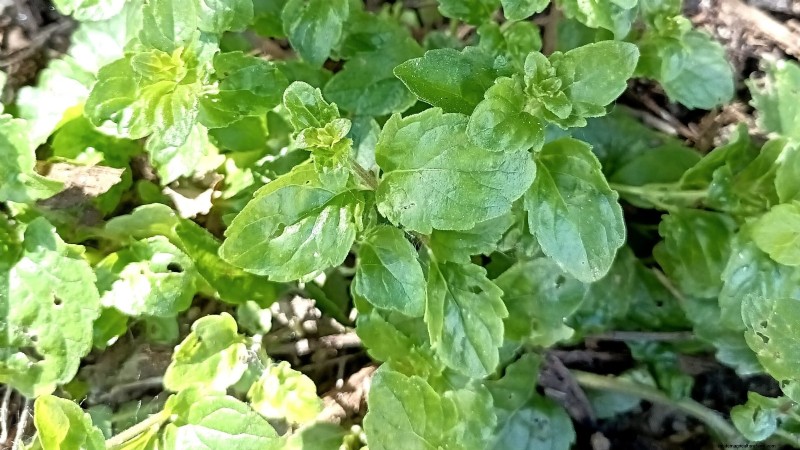
Yerba Buena is a true Pacific Northwest native and a classic “mint substitute.” It thrives in cool, moist, shaded spots and, like mint, is best grown from seed or by planting young cuttings. The leaves form a soft, grassy carpet that’s ideal for teas or for topping salads. Because it’s a biennial, the plant produces small stems that spread naturally—making it a low‑maintenance choice for gardeners who want the flavor of mint without the invasive roots.
Buy at Epic Gardening.
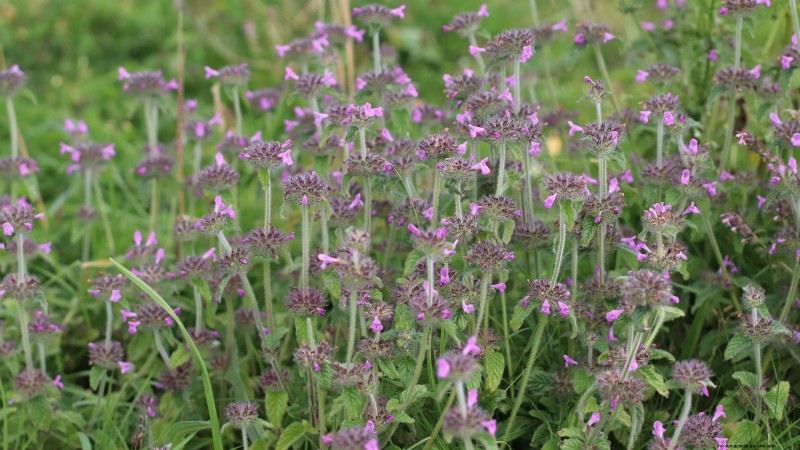
Wild basil shares the same genus as Yerba Buena and delivers a mild, mint‑like flavor that’s excellent for fresh or dried use. It tolerates a wide range of light conditions, from full sun to partial shade, and thrives in moist, well‑drained soil. Because it’s a perennial, it establishes itself quickly and can be harvested multiple times a year.
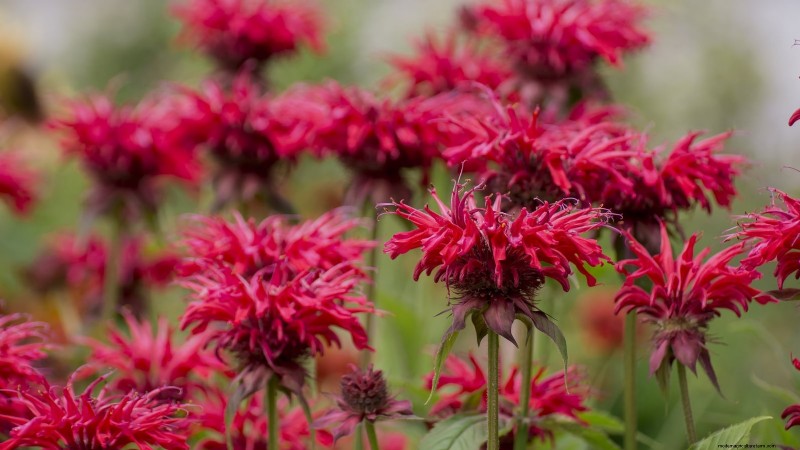
Scarlet bee balm is a perennial powerhouse that attracts hummingbirds, bees, and butterflies alike. Its striking red flowers bloom from early summer to fall, and its foliage offers a mild, mint‑like aroma when crushed. Use the leaves in teas or as a flavoring in sauces; the plant also works beautifully in wildflower borders or as a hummingbird feeder attractor.
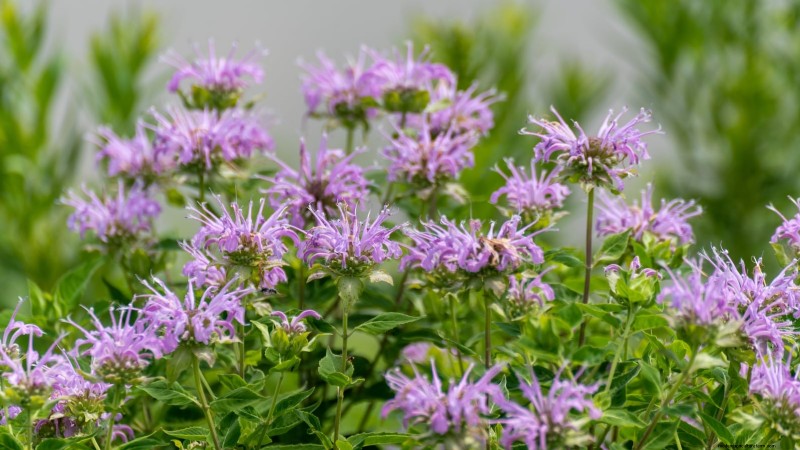
As a close relative of bee balm, wild bergamot shares its pollinator‑friendly attributes but is also more frost‑hardy and drought‑tolerant. Its pink‑lavender blooms and aromatic foliage make it an excellent choice for cooler climates. The plant’s roots form a shallow network that resists becoming invasive, yet it still produces a generous supply of flavorful leaves.
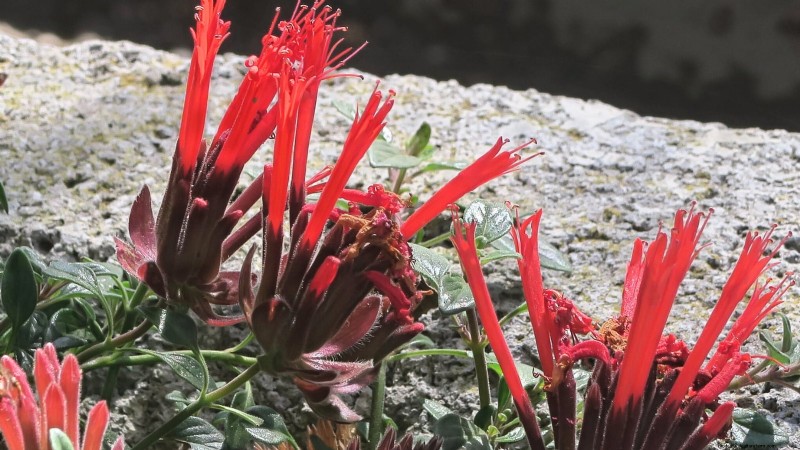
This “bush mint” is an excellent ground cover for sunny borders or alpine gardens. Its small, densely packed leaves produce a mild, herbaceous flavor ideal for teas or fresh garnishes. Because it’s a shrub‑like plant, it stays below 4 inches tall, making it perfect for rock gardens or containers.
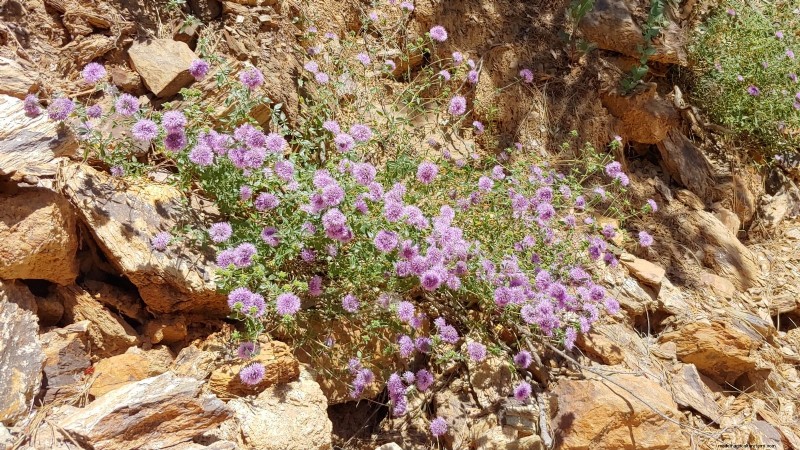
Native to the West Coast, coyote mint offers a delightful mint flavor while thriving in well‑drained, slightly alkaline soils. It’s especially suitable for Mediterranean‑style gardens that favor dry summers. The plant’s low stature and self‑seeding habit keep it manageable and beneficial for local pollinators.
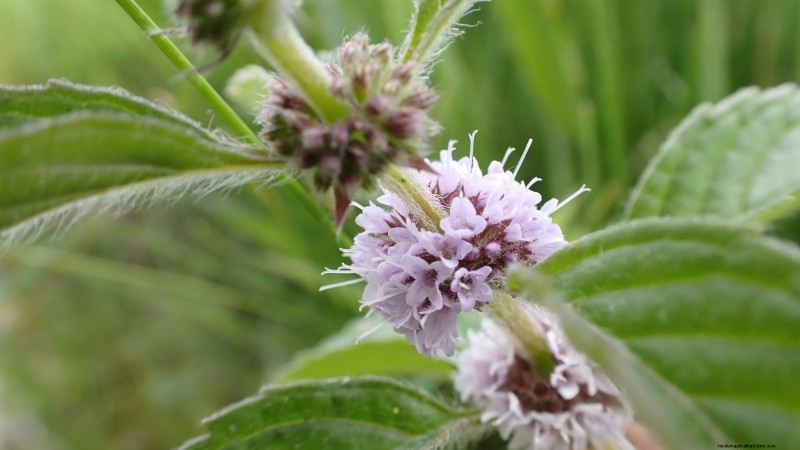
Unlike many non‑native mints, this species is a true North American native that forms a hardy, low‑to‑mid height grassland. Its leaves are a classic mint flavor, making it a versatile herb for cooking and teas. The plant’s rhizomes spread slowly, giving you a resilient lawn‑like cover that can be trimmed to your preferred height.
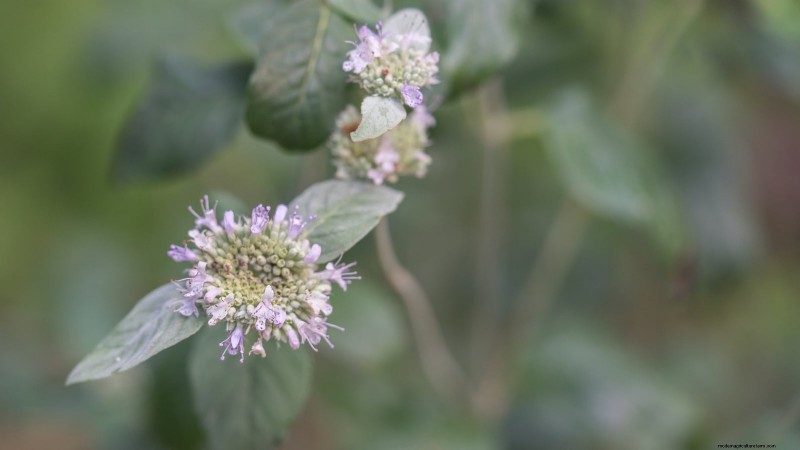
Ideal for the southern U.S., this tall, airy herb thrives in moist woodland settings and offers a fresh, minty flavor in both its leaves and stems. Its tall, airy stems create a natural, rustic look in gardens, and the plant’s seed heads provide food for birds in late summer.
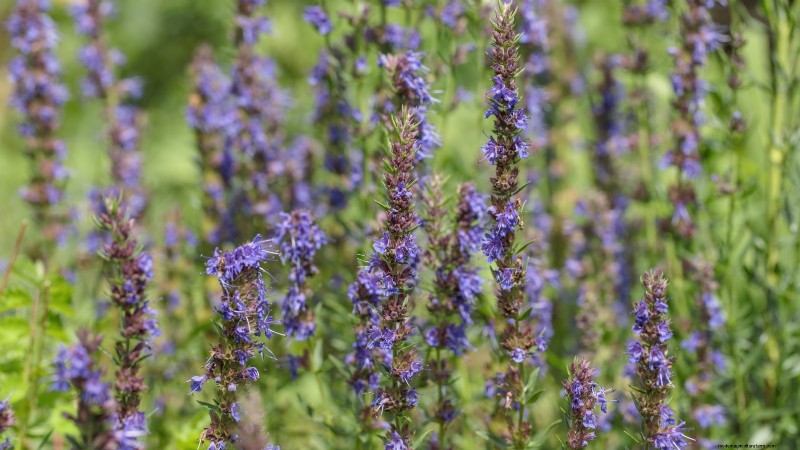
Anise hyssop is a standout for its ornamental value and culinary versatility. Its lilac‑purple blooms attract bees and butterflies, while the leaves offer a mild, licorice‑like taste that works well in teas and sauces. The plant is hardy through zone 4 and is perfect for any garden that values both beauty and function.
Whether you’re looking for a low‑maintenance ground cover, a pollinator hotspot, or a flavorful herb for your kitchen, these nine native options deliver the same great taste as mint—without the invasive growth. Grow them in pots, seed them directly, or incorporate them into your existing beds to create a sustainable, ecologically friendly garden.


