
Welcome to Modern Agriculture!

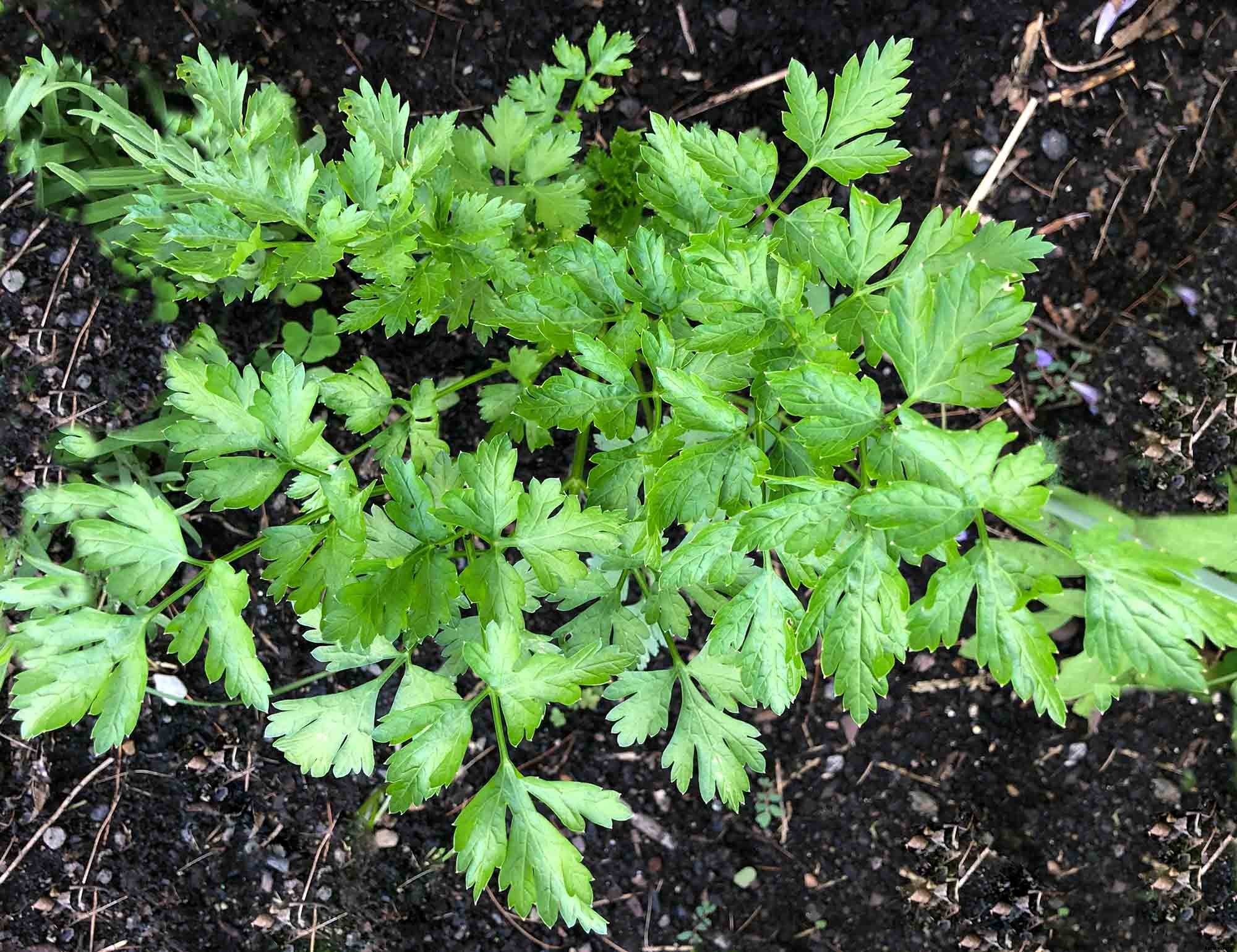
Parsley is an herb that I grew up with. My mother used parsley in most of her cooking and it brings back fond memories. Did you know that parsley is the most widely used herb in both the US and Europe! One possible reason is that parsley leaves are high in nutrients including vitamins A, B and C. Read on to learn more about how to successfully grow parsley.
Parsley is a biennial herb that is a member of the carrot family. While it is a biennial, parsley is usually grown as an annual and pulled up at the end of the growing season. Flowers will not appear on parsley until the summer of its second season.
The flat leaf variety of parsley looks a lot like cilantro. Since I have both parsley and cilantro growing in my garden, I usually need to pick a leaf and smell the aroma to determine which plant is parsley and which is cilantro.
The two most common types of parsley are curled-leaf and flat leaf. Curled-leaf parsley is bright green and has fine-cut tightly curled leaves. Flat-leafed (Italian) parsley has fan-like lobed leaves that are lighter in color and have a stronger flavor. The flat-leafed variety is usually hardier than the curled-leaf variety. Parsley grows 12 to 15 inches tall with up to a 12-inch spread.
Fun Fact: Eating parsley acts as a breath freshener.
If a parsley farmer is sued, can they garnish his wages?
George Carlin

Parsley can either be started indoors from seed (8-10 weeks before the last frost) or directed seeded outdoors after danger of frost has passed. Parsley can be slow to germinate, and germination percentages may be lower than other herbs. The nice thing about parsley is that it may last into early winter in colder areas.
Common insect pests for parsley include aphids, cabbage loopers, and flea beetles. Parsley can also be bothered by Septoria leaf spot, a fungal disease and Aster yellows a viral disease. If you suspect that something is wrong with your parsley, check with your Cooperative Extension for help in identifying and determining appropriate controls.

Parsley can be harvested when the leaf stems have three segments. Harvest parsley by cutting the stems from the outer layer of the plant as needed. Cut no more than 2-3 stems from any plant.
The leaves can be used either fresh or can be dried for use in the future. Once harvested, there are a few things you can do with the leaves:

Fresh parsley has the best flavor quality. Parsley leaves can be mixed in soups, stews, salad dressings and casseroles. Parsley can also be used as a garnish in meat and fish dishes due to its clean, mild taste. Here are a few suggestions:

Single Italian (60-80 days to maturity)
Family: Apiaceae / Umbelliferae – Carrot family
Genus: Petroselinum
Species: P. crispum
University of Minnesota Extension
University of Nebraska Extension
Herb Society of America


