
Welcome to Modern Agriculture!

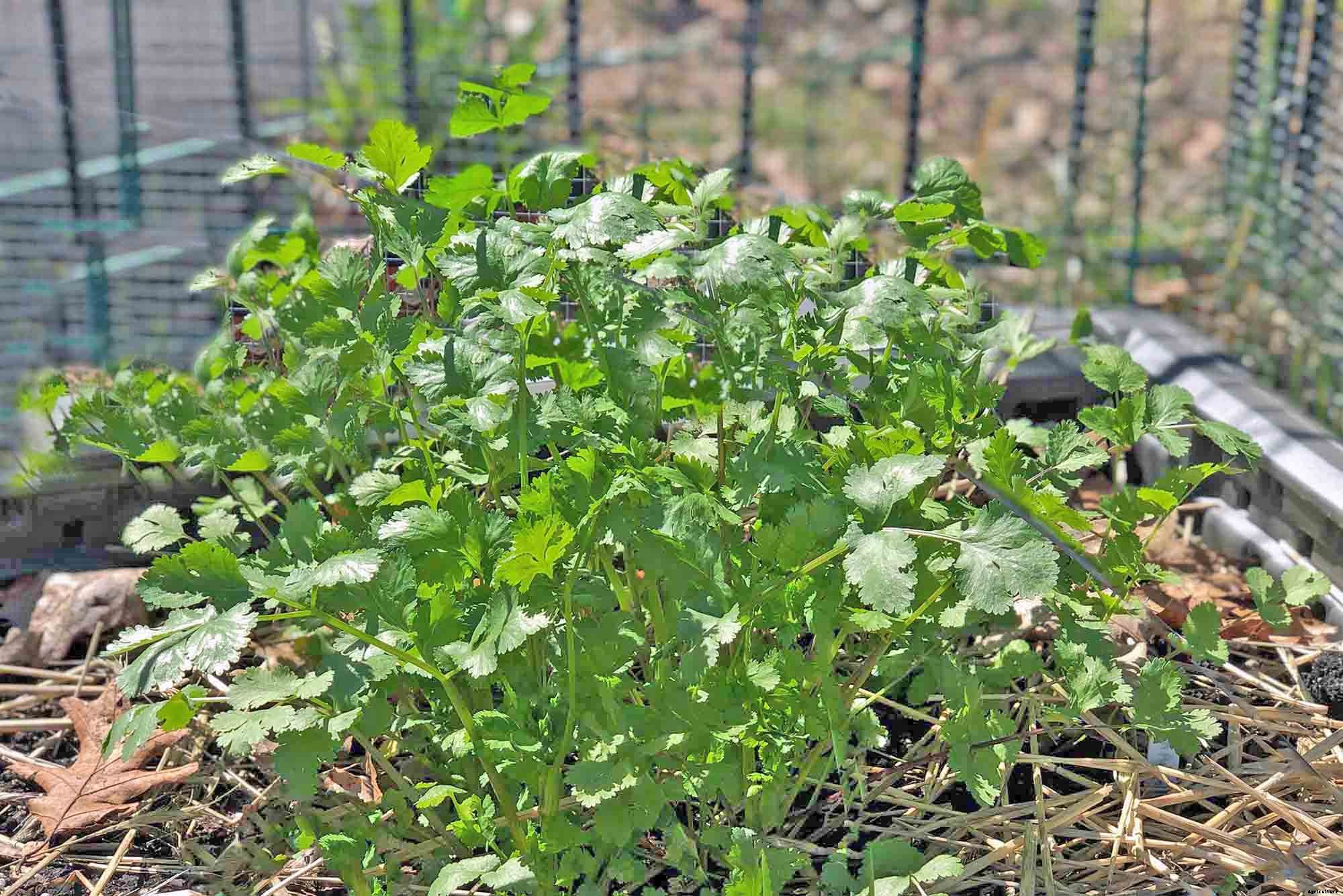
Cilantro is one of those herbs that you either love or hate. Some people who dislike cilantro mention that it tastes like soap. Why? Well, there is a genetic reason. People with a certain gene are sensitive to aldehyde chemicals. These aldehyde chemicals are abundant in cilantro. People who have this sensitivity usually ‘hate’ the taste of cilantro. Luckily, I don’t have this sensitivity and I simply love both the aroma and taste of cilantro. When growing cilantro, there are two parts of the plant that can easily be harvested, the leaves (cilantro) and the seeds (coriander). Read on to learn more about how to successfully grow cilantro.
Cilantro is an annual and is part of the carrot family. Thriving in cool temperatures under 75°F, Cilantro is amazing to watch as it grows. As it grows and transforms, the following parts of the plant emerge:
Cilantro reaches a height of 3 feet (1.2 meters) and should be supported by a stake once it becomes this tall.
Fun Fact: Cilantro is one of the oldest known spices, dating back over 7000 years. When the Tutankhamen tomb was examined, coriander seeds were present.
The future belongs to those who believe in the beauty of their dreams.
Eleanor Roosevelt

Cilantro is best when it is direct seeded outdoors in a garden. While it can be started indoors from seed, cilantro can be difficult to transplant. A taproot develops and can be easily damaged when transplanting. The optimal germination temperature for seeds is 55°F and above. For continuous supply of cilantro, consider planting multiple successions as most varieties will go to seed after a few weeks of growth. Here are the general guidelines for growing cilantro:

Common diseases for cilantro include the following:
A common insect is the leafhopper that pierces the plant tissue and feeds on the sap in the leaves.
If you are unsure about the type of pest or disease, check with your Cooperative Extension for help in identifying and determining appropriate controls.

Cilantro has a relatively short life span before it goes to seed. There are two primary parts of the cilantro plant that can be harvested. First, there are the leaves that can be used as a seasoning. Second, there are the flower heads from which the seeds will form. When the flower heads form (e.g. the plant is bolting or going to seed), the plant will slow down and eventually stop producing the lobed leaves that provide the flavor for recipes.
Start harvesting cilantro leaves when the plant is six inches tall. Use the leaves either fresh or dry for use in the future. Here are a few things you an do with the harvested leaves.
The coriander seed is harvested at the end of the plant’s life cycle. Start the harvesting process when the seeds turn from green to brown. When this happens, do the following:

Cilantro is a strong herb used especially in Asian and Mexican dishes. The seeds are found in spice jars labeled coriander. Popular uses of cilantro include salsa, guacamole, fish and chicken, and as a garnish. Coriander is used in curries, stews, marinades and spice mixes. Here are two of my favorite cilantro recipes.
Caribe Cilantro (55 days to maturity)
Aromatic dark green leaves on long-standing, bolt-tolerant plants.
Family: Apiaceae / Umbelliferae – Carrot family
Genus: Coriandrum
Species: C. sativum
University of Illinois Extension
The Herb Federation of New Zealand
Utah State University Extension


