
Welcome to Modern Agriculture!

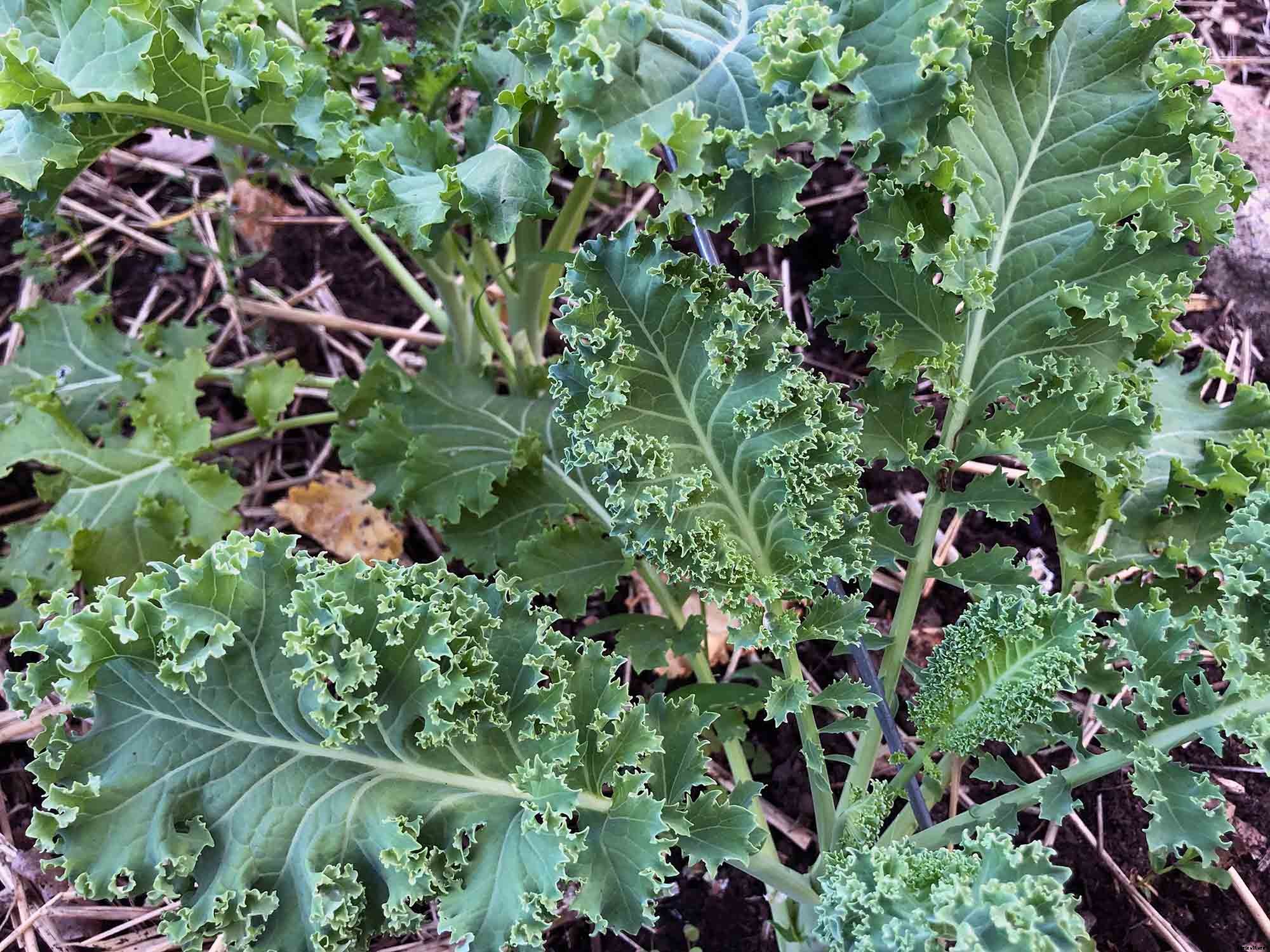
It wasn’t long ago that I had not heard of kale. Kale has grown in popularity due to its exceptional nutrient value, health benefits and flavor. I am fond of eating kale because it holds its texture even when cooked. For me, texture is one of the most important characteristics when eating vegetables. I like incorporating kale into pasta and soup recipes, one of which I have included below. This blog post will focus on how to successfully grow kale in your garden.
Kale has interesting varieties, including ornamental varieties. Here is a summary of the different varieties of kale:
A few interesting facts about kale:
Kale is popular now, but people have been growing this super food for more than 2,000 years.
WebMD

Kale is considered a cool season crop and therefore is one of the first crops that can be planted in the spring and can also be planted for a fall harvest. Young kale can withstand temperatures down to 25°F. Mature kale can withstand even colder temperatures. I can remember a gardener sharing a picture of his kale covered in snow.
In the spring, soil temperature should reach a minimum of 40°F before direct seeding or setting out transplants. For a fall planting, direct seed or set out transplants 6-8 weeks before the first fall frost. In both spring and fall, I use a fabric row cover to protect my transplants from cold and pests.
Kale plants can be grown from transplants or direct seeded in the ground. The soil needs to reach a temperature of 40°F before sowing seeds or setting out transplants. Transplants should have 4-6 true leaves and a well-developed root system before transplanting. It will take 5-6 weeks to grow transplants of this size. For more information on starting plants from seeds, read my blog titled “The complete guide to starting seeds indoors”. Kale also does well direct seeded if the temperature does not exceed 75°F. Here are the general guidelines to successfully grow kale:

Below are two common insect problems with kale. When considering chemical controls or if you are unsure of the pest or disease, check with your Cooperative Extension for help in identifying and determining appropriate controls.

Kale can be harvested 50-75 days after it is planted (depending upon the variety). Kale can either be harvested whole or can be continuously harvested by picking off the outermost leaves. I enjoy picking off the leaves because this allows me to pick just what is needed. New leaves will grow in to replace what was picked. Harvest early in the morning before the heat of the day begins. After harvesting, separate the leaves and clean in a bath of cold water, dry with dish or paper towels, place in a plastic bag and store in the refrigerator. Kale w ill keep 1-2 weeks if stored dry and at a refrigerated temperature of 32°F.

The stems on kale can be thick and tough. For large leaf kale, gently pull off the leaves on both sides of the stem . Kale can be eaten cold in a salad or can be cooked by blanching, microwaving, sautéing or steaming. Kale is low in calories, high in nutrients including vitamin A, C, K and B6, and is a good source of iron, fiber, potassium and calcium.
Here is my favorite kale recipe. Kale is also a great addition to soup and can be eaten as a salad.


Family: Brassicaceae
Genus: Brassica
Species: (depends upon variety)
Montana State University Extension
Utah State University Cooperative Extension
North Carolina State University Extension


