
Welcome to Modern Agriculture!

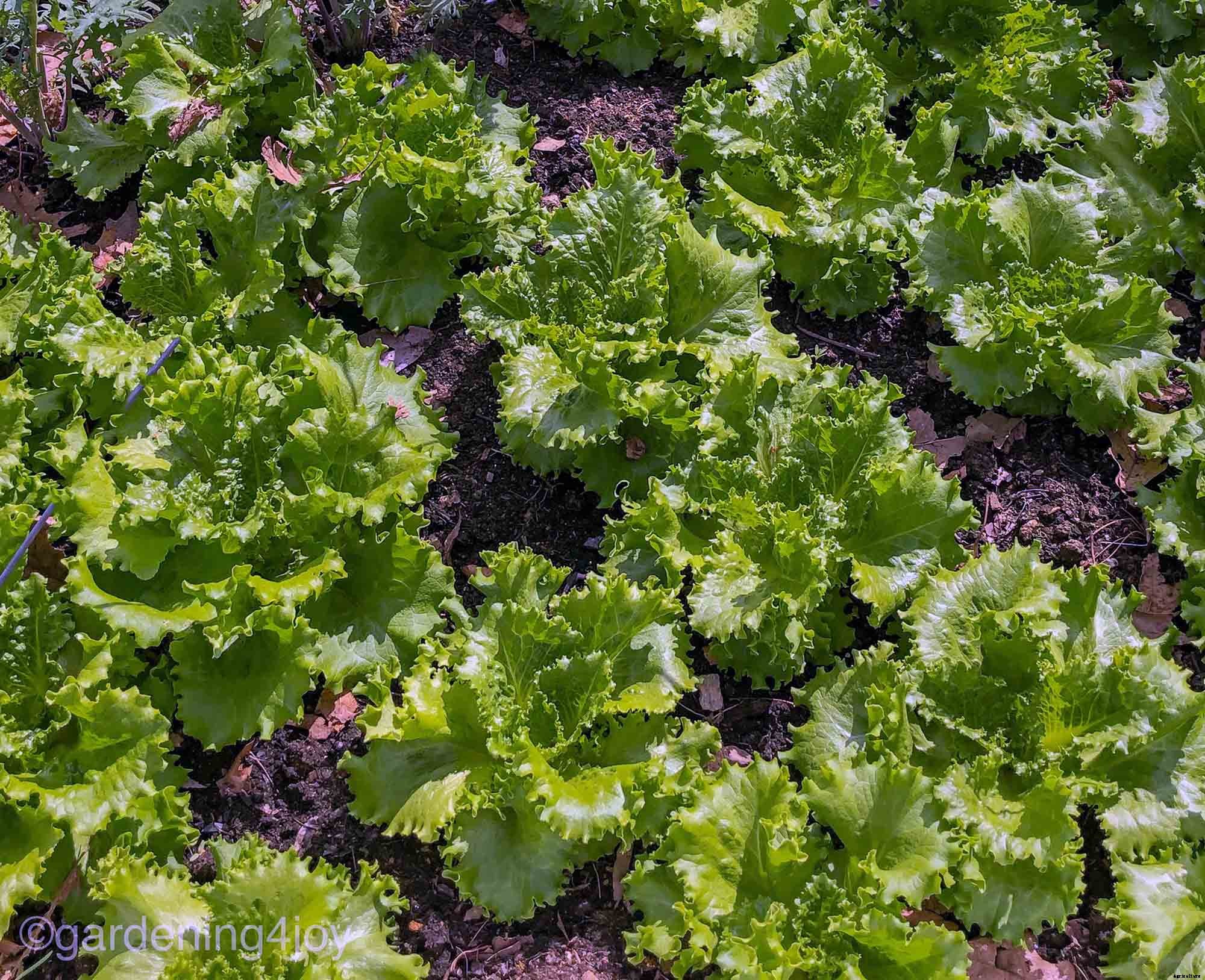
For two years I attempted to successfully grow leaf lettuce indoors from seeds with no luck. After that, I decided to direct seed outdoors and had good success. However, still determined to start seedlings indoors, I tried again. In doing so, I followed a pretty simple process and leveraged a few tools. The three tools that made a big difference included:
Check out my blog titled “The complete guide to starting seeds indoors” for everything you need to know to successfully start plants from seeds.
Lettuce is a cool-season crop and thrives in temperatures between 60-70°F. Therefore, it is one of the first crops that can be planted in spring. In addition, plant in the fall and harvest throughout the winter. However, depending upon your garden zone, you may need to invest in row cover to prevent the lettuce from freezing. Lettuce also grows much slower in the fall.
The four primary types of lettuce are looseleaf, butterhead, romaine, and head (iceberg). Head lettuce requires the most care. It is very sensitive to high temperatures and must mature before the heat of summer. Leaf lettuce is the most widely planted lettuce. Therefore, I will focus on that in this blog.
"The garden suggests there might be a place where we can meet nature halfway." - Michael PollanLeaf lettuce can be both direct seeded outdoors and/or started indoors from seed. Starting seeds indoors has benefits that include:
However, leaf lettuce also does well direct seeded. Direct seeding is a good option if you did not have the opportunity to start seedlings.
The best advice I received, was to purchase ‘coated’ seeds. Coated seeds are regular seeds that have been coated with a clay substance. The coating makes the seeds easier to handle and increases germination, growth and viability. Coated seeds are also referred to as ‘pelleted’ seed.
Here are the key guidelines for successfully growing leaf lettuce:

Snails and slugs are the biggest pest associated with lettuce. For information on how to manage slugs and snails, refer to this guide from the Clemson Cooperative Extension. Further, to reduce disease and pests, rotate where you plant your lettuce crop each year.
Leaf lettuce reaches maturity in 50-75 days. Harvest early in the morning before the heat of the day begins. To harvest, either dig up the whole plant or continuously harvest by picking the outermost leaves. By picking off the leaves you harvest only what is needed. Subsequently, new leaves will then grow to replace what was picked.
If a stalk develops, this is an indication that the lettuce is bolting (going to seed) and should be harvested right away. Seed stalks are an indication of warm temperatures and age of the plant. If left in the garden, the lettuce will turn bitter tasting.
After harvesting, follow this process:
Lettuce can keep 14-21 days if stored dry and at a refrigerated temperature of 32°F. If the leaves look slimy or are black, toss them out. Slime indicates bacterial decomposition and black spots could be mold.To harvest, either dig up the whole plant or continuously harvest by picking the outermost leaves.


To prepare, dry the leaves and tear the lettuce into pieces. Avoid cutting lettuce as cut edges can discolor quickly. In addition, when applying a dressing, apply just before serving to reduce the onset of wilting. To enjoy the flavor of the lettuce, try using less dressing. For the best nutritional value, lettuce should be eaten when it is fresh and crisp.The key nutrients in lettuce are vitamin A, vitamin C, vitamin K, beta-carotene, calcium and potassium. Below are two of my favorite salad dressing recipes:
Ginger Salad Dressing from Spicy Southern Kitchen.
Caesar Salad Dressing from Natasha’s Kitchen.
Green Leaf: Bergam’s Pelleted Green Lettuce
This variety has a bright green color, is slow to bolt and heat tolerant. It retains its crispness and flavor throughout the season.
Red Leaf: Magenta Lettuce
This variety is bred for disease resistance including Downy Mildew and Lettuce Mosaic Virus. Magenta lettuce is also heat tolerant and has a long shelf life. It has crunchy bronze leaves and a bright green center with a crisp texture.


Family: Asteraceae
Genus: Lactuca
Species: sativa
Interesting to note that lettuce was first cultivated in ancient Egypt.
Clemson Cooperative Extension: https://hgic.clemson.edu/factsheet/lettuce/
University of Illinois Extension: https://extension.illinois.edu/veggies/lettuce.cfm
Colorado State University Extension: https://extension.colostate.edu/topic-areas/nutrition-food-safety-health/health-benefits-and-safe-handling-of-salad-greens-9-373/
35 inspirational gardening quotes: https://www.daviddomoney.com/35-inspirational-gardening-quotes-and-famous-proverbs/


