Welcome to Modern Agriculture!

Superfoods are nutrient‑dense foods that pack extra vitamins, minerals, and antioxidants, making them a smart addition to any diet. Whether you prefer berries, nuts, leafy greens, or fruiting shrubs, growing your own superfoods delivers freshness, flavor, and the confidence that you’re nourishing your body with foods you control.
Below are 18 versatile superfoods you can cultivate at home, complete with plant facts, growing tips, and harvest ideas to help you keep a steady supply of health‑boosting ingredients all year long.
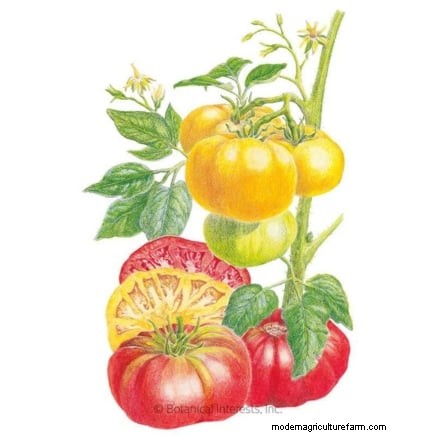
The heirloom blend produces firm, grape‑like fruit in both red and yellow varieties. Its mild flavor and low acidity make it ideal for pickling, preserves, salads, and snacking. Vines grow vigorously, reaching up to 6 ft.
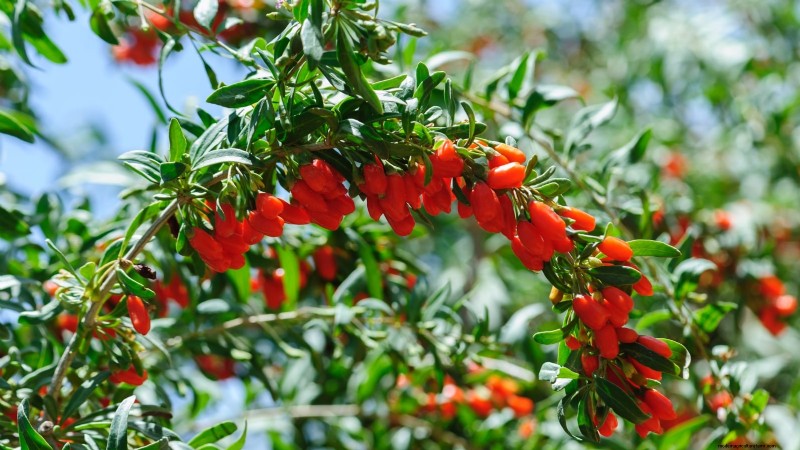
Goji berry shrubs are deciduous, frost‑tolerant, and easy to care for. They thrive in raised beds or large containers; apply compost in spring and fall, prune dead wood, and harvest berries before birds and squirrels do. Use them fresh, or turn them into jams, preserves, and syrups.
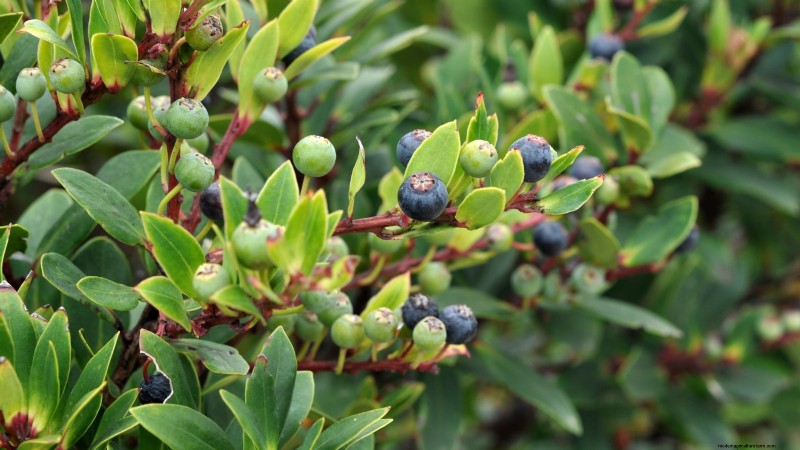
Blueberries add a burst of tart sweetness to pies, salads, and desserts, and taste great on their own. They prefer slightly acidic soil (pH 4.5–5.5). Fertilize with an acidic blend and compost twice yearly to keep berries juicy and abundant.
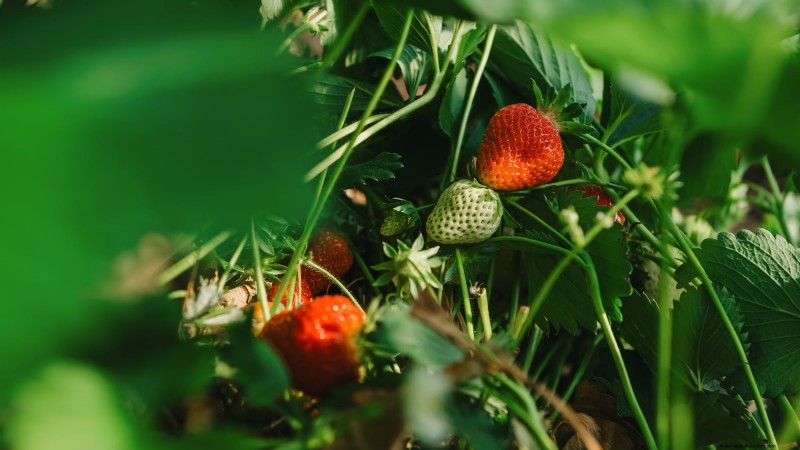
Strawberries are perennial groundcovers that spread through runners. Harvest early to avoid squirrels and birds, then let berries ripen on the counter. Cut runners to control spread or compost them for a tidy garden.
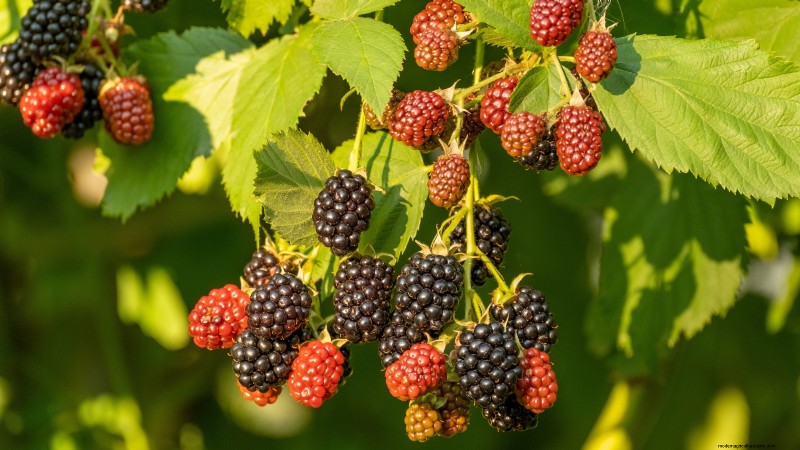
Native to the West Coast, this low‑to‑mid‑height vine produces raspberry‑sized blackberries that are sweeter than most cultivated varieties. Choose a female plant to ensure fruit set, and use a trellis to keep vines manageable.
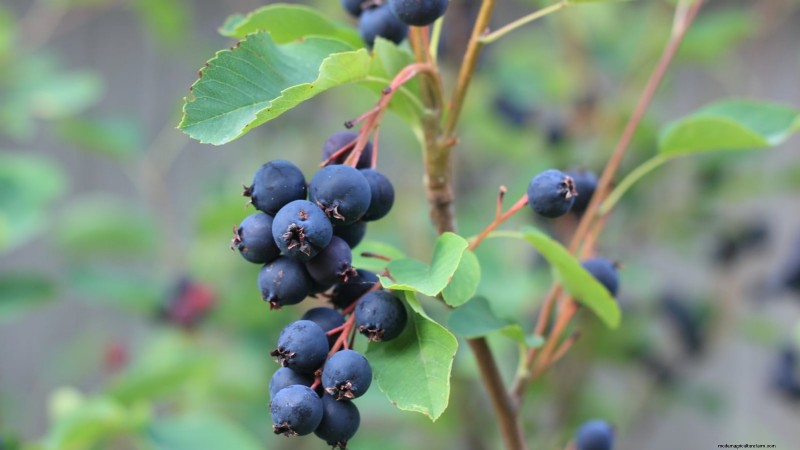
This ornamental shrub offers sweet‑tart berries and white blossoms that attract birds and small mammals. Plant in moist, porous soil and consider bird netting to protect fruit until harvest.
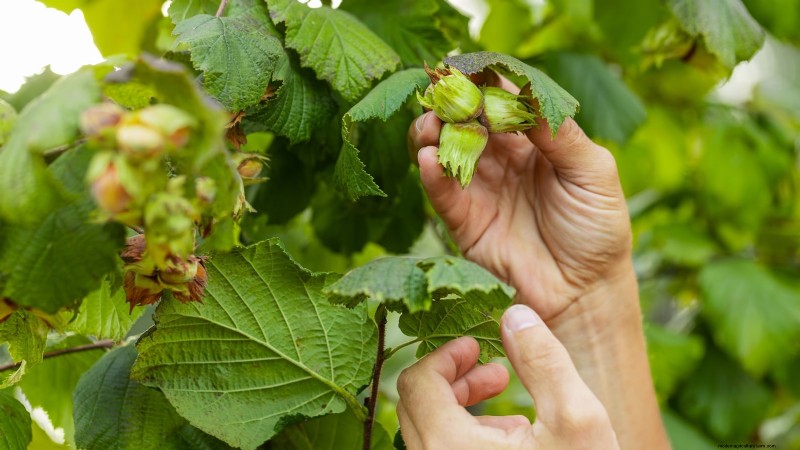
Hazelnuts develop under a soft canopy and release fragrant blooms that attract pollinators. Harvest nuts when the papery husks turn brown; pick them in late summer or early fall for fresh, buttery flavor.
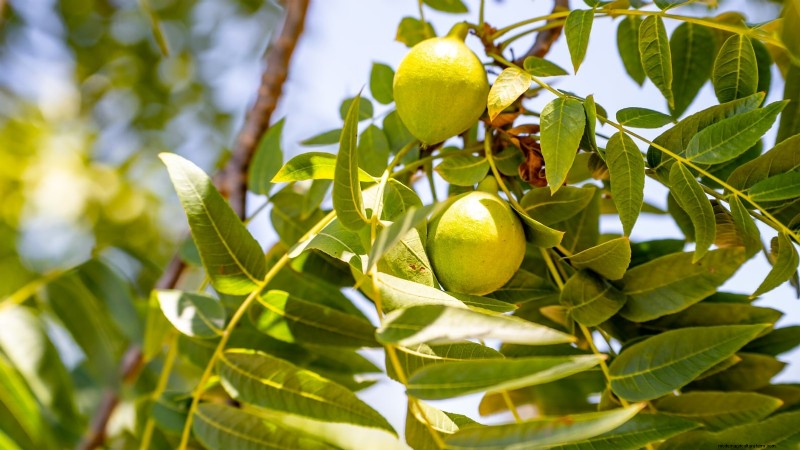
Walnut trees provide rich, savory nuts but require ample space. Native black walnut releases juglone, which can inhibit nearby plants, so consider butternut or other compatible species. Amended soil with compost each year supports healthy growth.
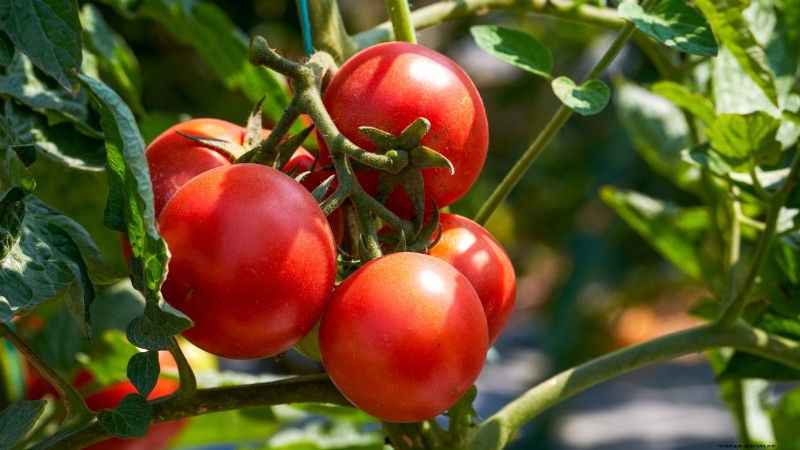
Tomatoes are versatile superfruits perfect for fresh eating, canning, sauces, and powders. Choose varieties like ‘Yellow Pear’ for sweet fruit, ‘Oregon Slicer’ for early yield, or ‘Green Zebra’ for a colorful twist.
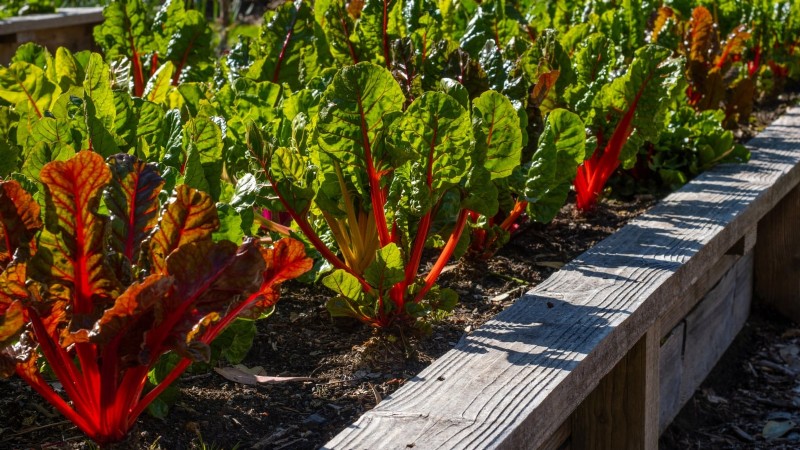
Swiss chard is a hardy green that self‑seeds easily. Harvest stems for a crunchy base in soups or stews, and pick leaves fresh or steamed. Provide fertile soil, consistent moisture, and full sun for optimal growth.
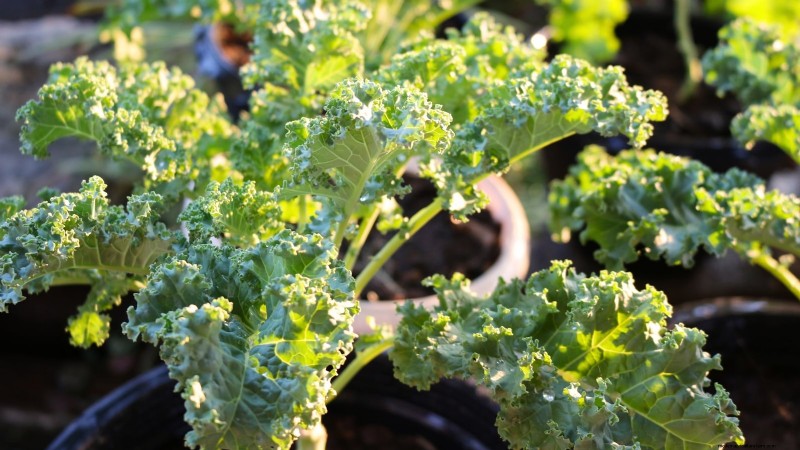
Kale is celebrated for its protein, vitamins, and minerals. Grow cold‑hardy varieties like ‘Red Russian’ or Siberian kale to enjoy tender leaves even in winter. Mulch to extend hardiness.
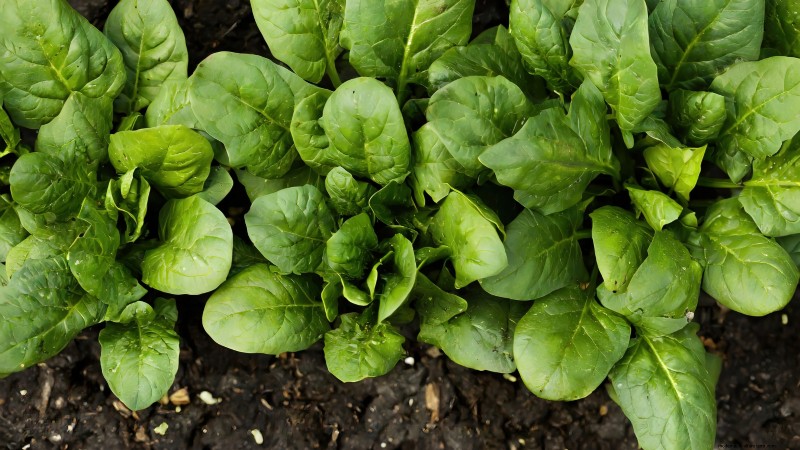
Spinach thrives in cool spring and fall temperatures, producing tender leaves that are ideal for salads and smoothies. For warmer climates, swap to Malabar spinach—a perennial vine that yields leaves throughout summer.
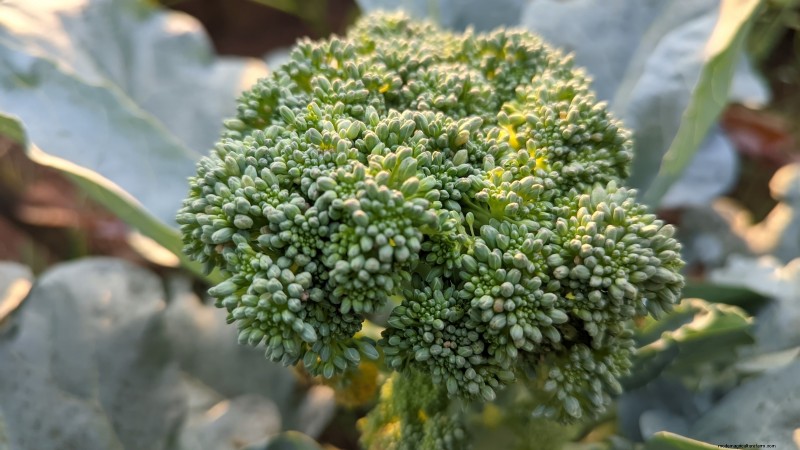
Broccoli delivers vitamins A, B, C, fiber, and trace minerals. Harvest heads when buds are tight; allow a few to flower to produce seed pods that can be dried for future sowing.
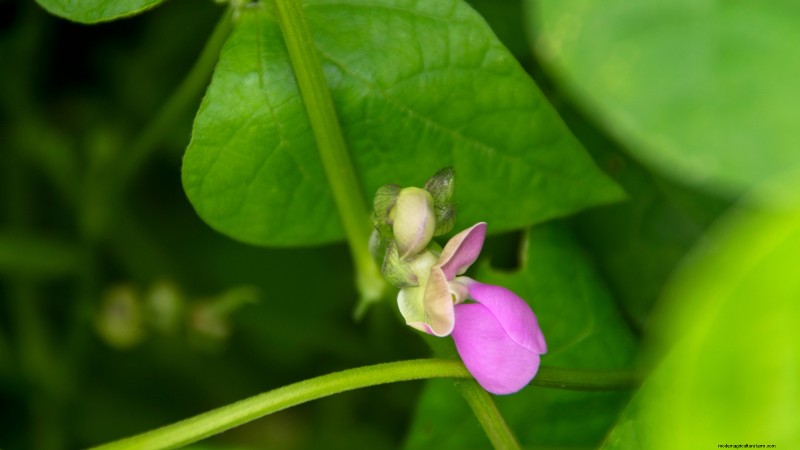
Black beans add a savory depth to stews and tacos. Plant 2–3 vines on a trellis; harvest pods when dry and plump, then split for a pantry‑ready supply.
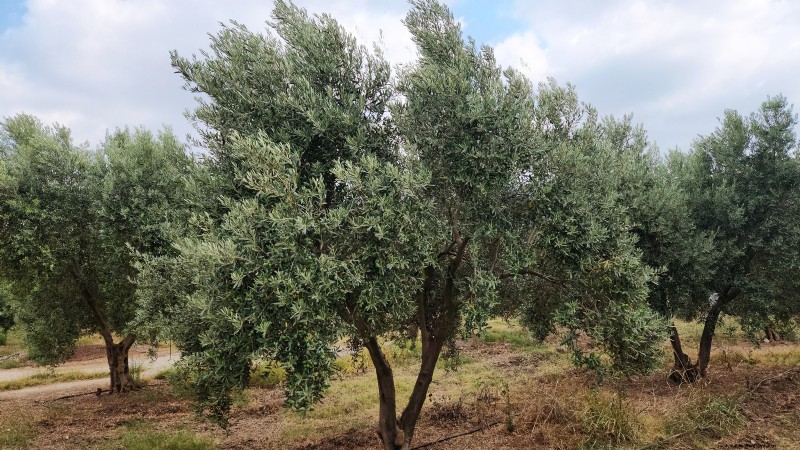
Olive trees produce fruit for oil and table use but require a warm, frost‑free climate. Harvest olives before they fully ripen, then brine for several months to create homemade olives.
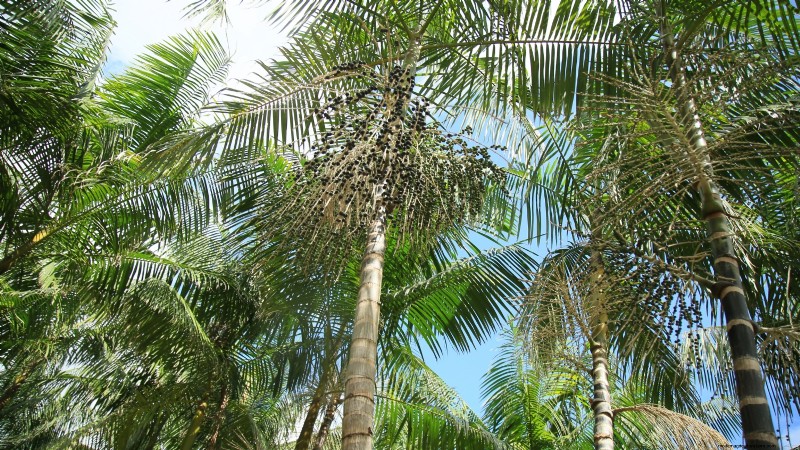
Acai palms thrive in tropical, humid environments. Their berry clusters require long poles or ladders to harvest, and they’re ideal for gardens in Puerto Rico, Hawaii, or Florida.
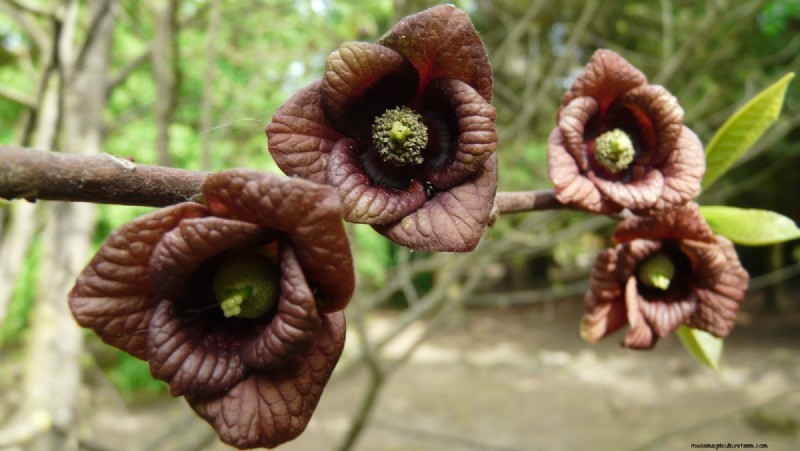
Pawpaw produces custard‑flavored fruit that is sweet, juicy, and edible raw or in desserts. Grow in full sun for maximum yield, and keep soil moist but not waterlogged.
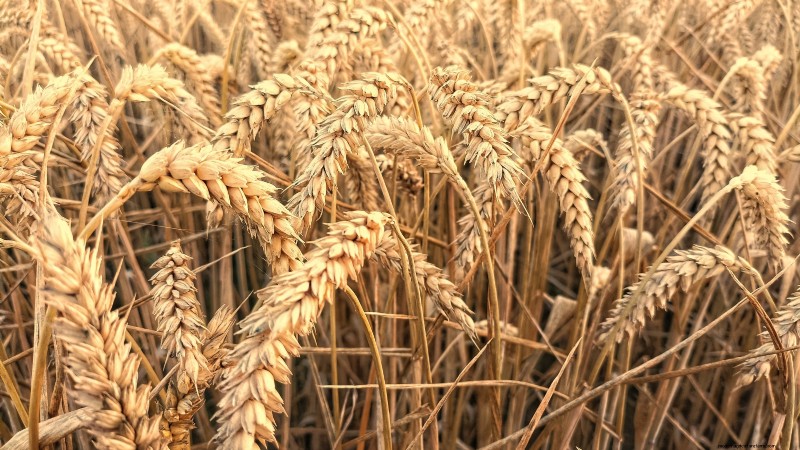
Wheat is essential for breads, salads, and sauces. Plant seeds in early fall; they germinate over winter and produce berries in spring. Harvest when berries are dry and brown, then grind for whole‑wheat flour or enjoy whole grains.