
Welcome to Modern Agriculture!

Vermont is famed for its maple syrup, Florida for its citrus, and Oregon for its remarkable marionberries. These fruiting marvels were born from a cross between the “Chehalem” and “Olallie” blackberry varieties and officially released in the 1950s by the University of Oregon and the U.S. Department of Agriculture. Today, the sweet‑tart “Marion” is a staple of Oregon’s agriculture and a favorite among home gardeners worldwide.
In 2008, Oregon growers produced over 39 million pounds of blackberries, two‑thirds of which were marionberries. The state even declared marionberry pie its official state pie in 2017, underscoring the fruit’s cultural significance.
Fortunately, you don’t need to be in Oregon to enjoy this delicious crop. With the right conditions, marionberries are an easy‑to‑grow, highly productive plant that thrives in many temperate gardens.
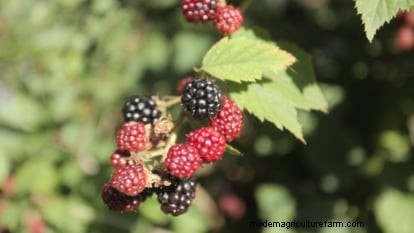
Plant Type: Biennial fruiting shrub
Family: Rosaceae
Genus: Rubus
Species: Rubus L. subgenus Rubus
Native Area: Oregon, USA
Exposure: Full sun
Height: 6 ft (≈1.8 m)
Watering Requirements: Moderate
Pests & Diseases: Japanese beetles, cane borers, anthracnose, botrytis, orange rust
Maintenance: Moderate
Soil Type: Well‑draining, slightly acidic (pH 5.6–6.5) sandy loam
Hardiness Zones: 6‑9
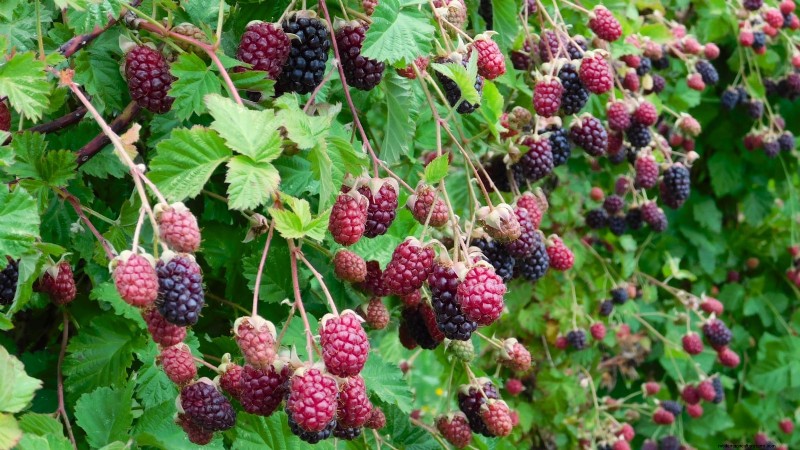
Marionberries are a type of blackberry that form new growth on biennial canes. The plant’s roots and crown are perennial, but the canes are mandays prop. This makes the fruit a two‑year crop: canes first produce blossoms in the first season, then produce ripe berries in the second. The result is a fruit that’s both sweet and slightly tart, with a characteristic “bittersweet” flavor that can be turned into delicious jams, pies, or used in savory dishes.
Because marionberries are not seed‑self‑propagating, they’re best started from transplants or bare‑root stock. Wait until the last frost has passed before planting.
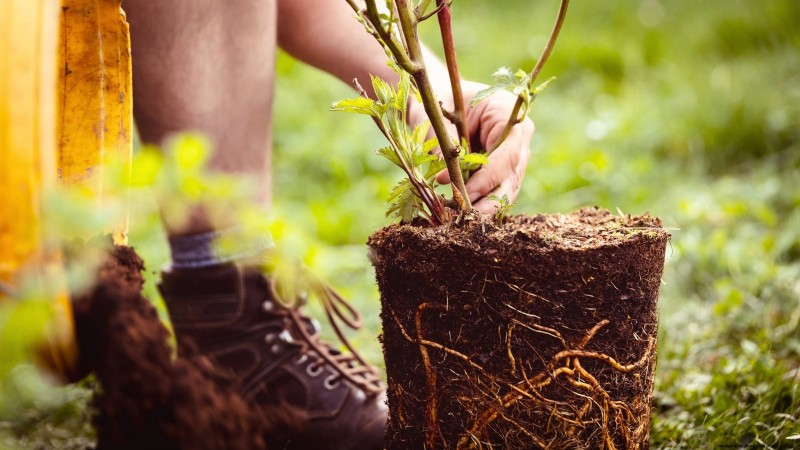
Place transplants 3‑5 ft apart, and rows at least 6 ft apart for easy access. Dig a hole that’s twice the size of the nursery pot, then gently remove the plant and place it into the hole. The root ball should sit level with surrounding soil. Backfill, then immediately water the root zone with a hose to eliminate air pockets. This “soak‑in” step is essential for healthy root development.
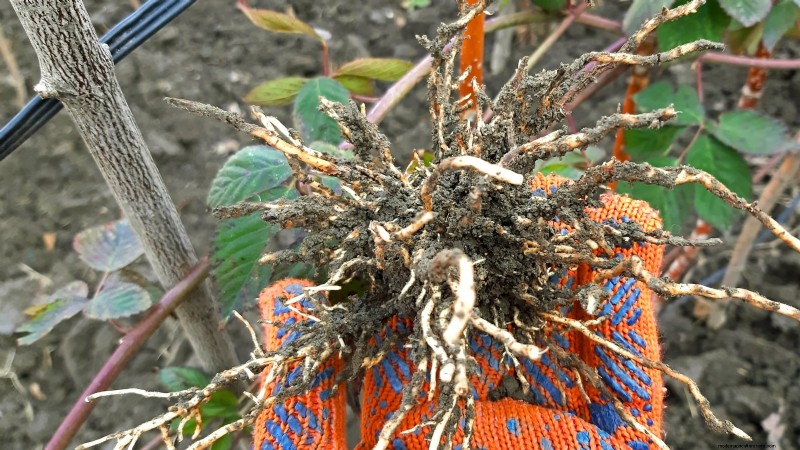
Bare‑root stock is essentially a stem with attached root clumps. Upon arrival, it should be kept cool and moist—refrigerator or basement storage works fine. Before planting, soak the roots for a few hours, then place the root clump into a pre‑filled hole. The soil should be loosened, and the root should be fully covered. Water deeply afterward to settle the soil.
Marionberries are a bit finicky, but once established, they require minimal upkeep beyond annual pruning.
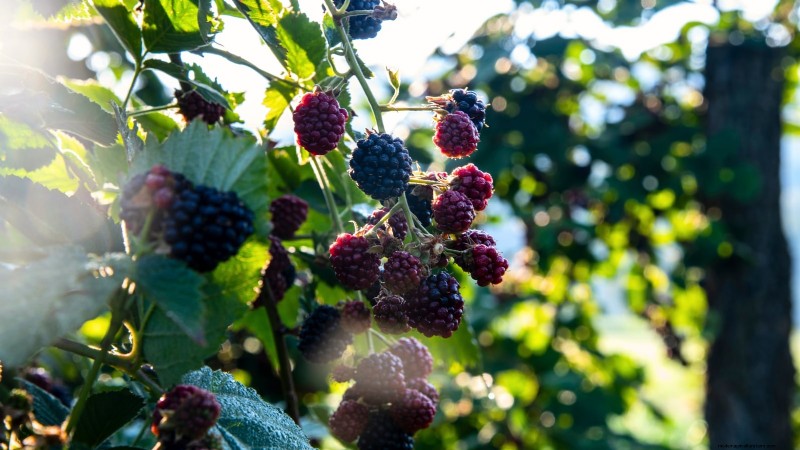
Full sun is optimal. While they can tolerate partial shade, fruit yield will be lower.
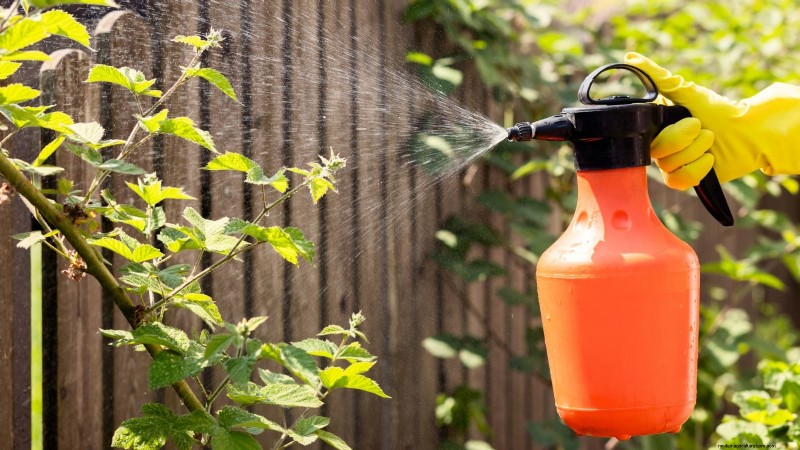
Provide 1‑2 inches of water per week. During hot, dry spells, increase frequency to prevent drought stress. Avoid overhead watering to reduce fungal risk—drip irrigation or soaker hoses are ideal.
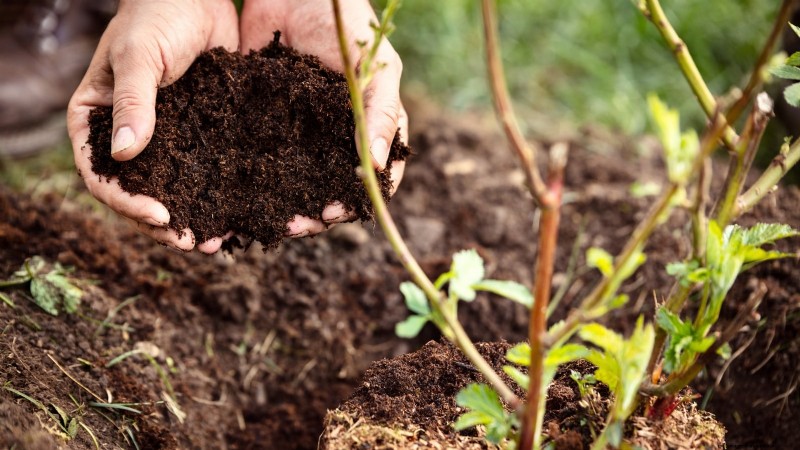
Marionberries thrive in loamy, well‑drained soils rich in organic matter. Enrich the planting area with compost or aged manure. The pH should be slightly acidic (5.6‑6.5). If native soil is poor, consider raised beds, but keep in mind the plant’s vigorous canes may outgrow a small bed.
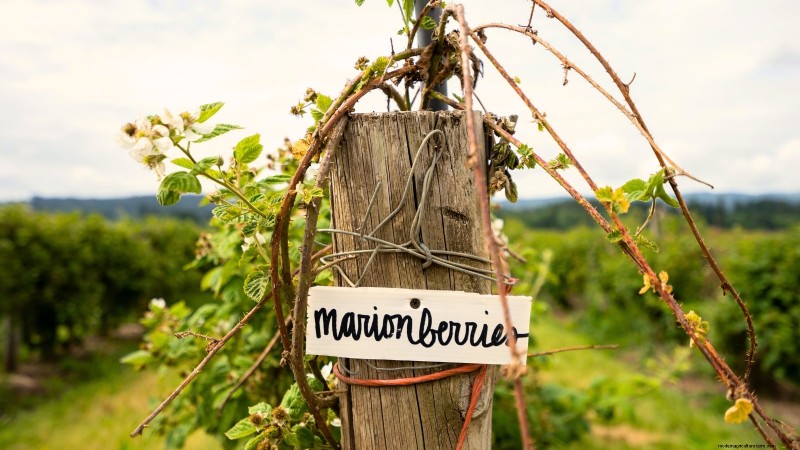
These berries are hardy in USDA zones 6‑9. They favor cool, wet winters and dry, sunny summers—typical of the Pacific Northwest.
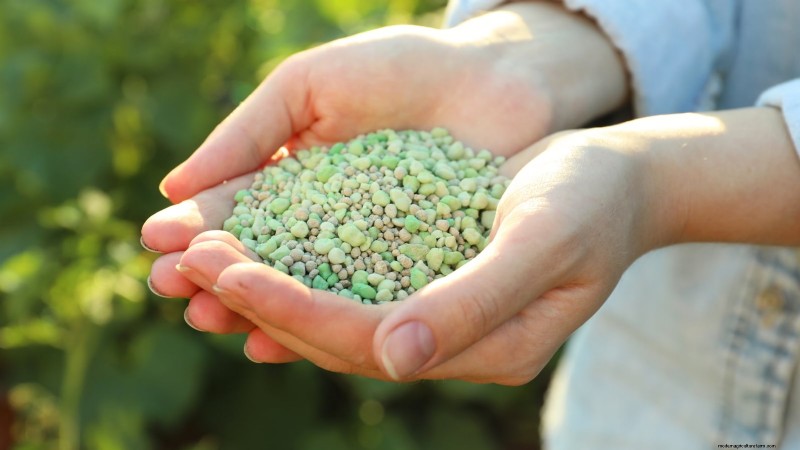
As heavy feeders, marionberries benefit from a balanced, granular fertilizer applied in early spring. A nitrogen‑rich feed around one month before harvest can correct “spider‑web” leaves or poor yields.
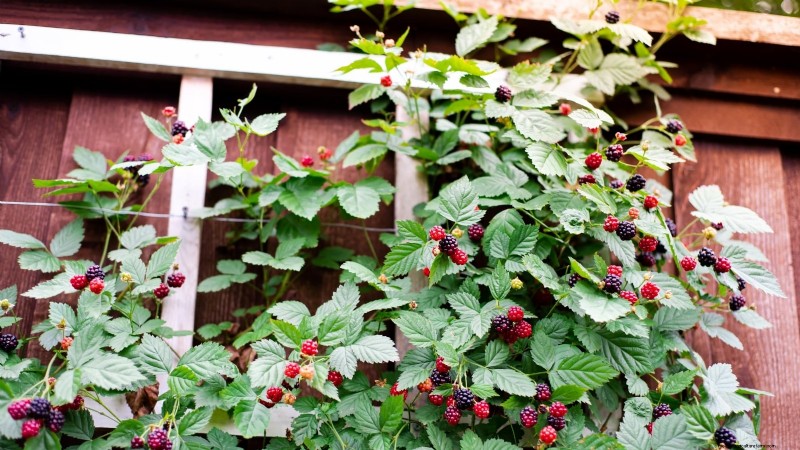
Because the plant’s canes are long and tend to trail, a trellis or fence is essential for organized growth and easier harvest. A simple DIY trellis—picket fences or wire frames—works well.
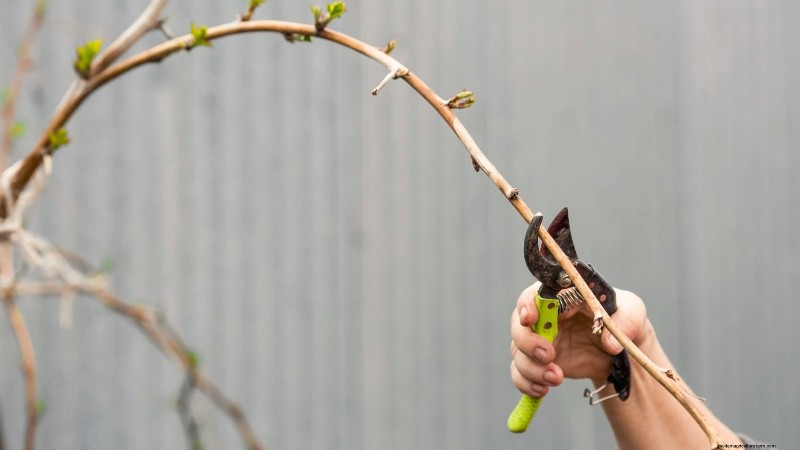
In the first year, prune only damaged or diseased canes. In the second year, remove spent canes after harvest to prepare for the next season’s fruiting. This “cut‑back” style pruning encourages vigorous growth and higher yields.
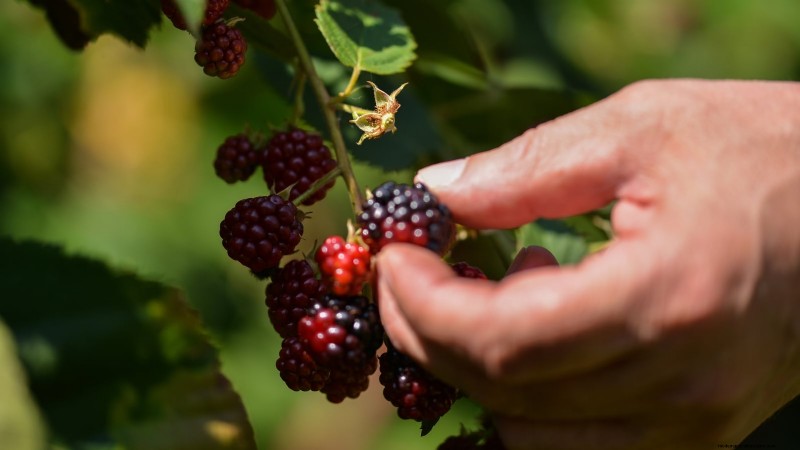
Harvest mand up mid‑summer, around July‑August. Look for a dull, non‑glossy black skin—this indicates the berry is ripe and ready. Avoid harvesting in wet conditions to prevent mold growth.
For long‑term storage, blanch the berries in a freezer‑ready bag and freeze. The “mushy” freeze‑thaw technique preserves flavor and texture for months. The resulting “mushy” state is ideal for smoothies or baking.
Marionberries are robust but not immune to pests and diseases. Proper sanitation, pest control, and soil health mitigate most problems.
Birds, rabbits, and deer frequently target marionberry fruit. Physical barriers—mesh netting or fencing—are the most effective non‑chemical protection.
Cane borers attack the canes; remove and destroy infested canes promptly. Japanese beetles can be managed with row covers or insecticidal soap, but avoiding chemical sprays preserves beneficial insects.
Aphids can be deterred with a wash‑off or by inviting predatory insects such as ladybugs. Consistent monitoring prevents infestation.
Marionberries are susceptible to fungal diseases like anthracnose, botrytis, and orange rust, especially in humid climates. Good air circulation, proper spacing, and drip irrigation reduce moisture on foliage.
Orange rust spores thrive in cool, wet conditions. Remove infected canes and keep spacing 5‑6 ft apart to improve airflow.
Q: Are marionberries a new cultivar?
A: Yes. They were first developed in the 1950s and have become Oregon’s most popular blackberry variety.
Q: Can I grow marionberries from seed?
A: No. They are a hybrid that does not reliably grow from seed; transplants or bare‑root stock are recommended.
Q: Are they self‑pollinating?
A: Yes. A single plant can produce a full crop of fruit.


