
Welcome to Modern Agriculture!

When a grower first begins caring for apple and plum trees, they often ask, “Why is thinning necessary?” Trees are adapted to survive by producing as many seeds as possible. When we cultivate them for quality fruit, thinning becomes essential.
By removing a portion of the developing fruit, the tree is encouraged to allocate more energy to the remaining crop, producing larger, sweeter, and more nutritious fruit.
This technique is effective for apples, pears, apricots, peaches, persimmons, nectarines, and plums. Whether you manage a single tree or a full orchard, regular thinning propels long‑term health and productivity.
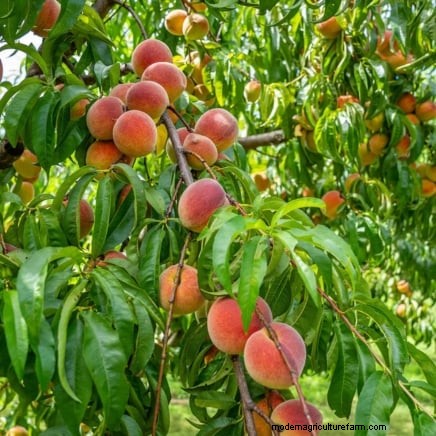
Tasty Red™ Fruit Snacks™ Apple
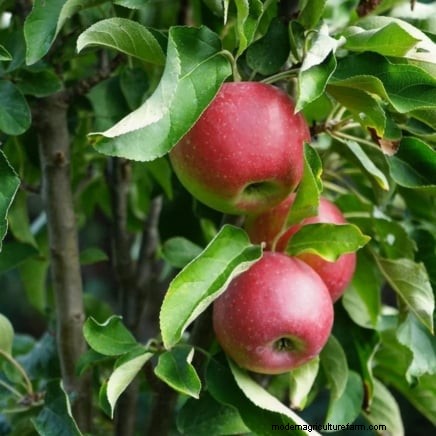
Tasty Red™ Fruit Snacks™ Apple Tree
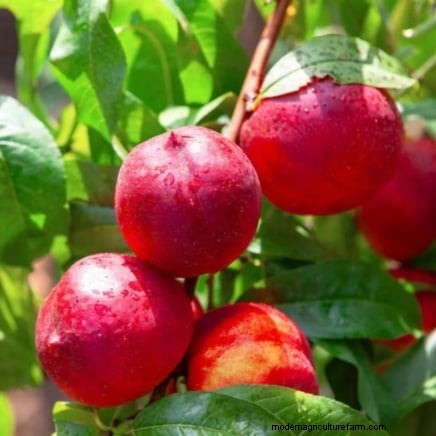
Hardired Nectarine
Understanding the purpose of thinning informs the best timing and method. Annual thinning preserves fruit quality, promotes future yields, and safeguards tree structure.
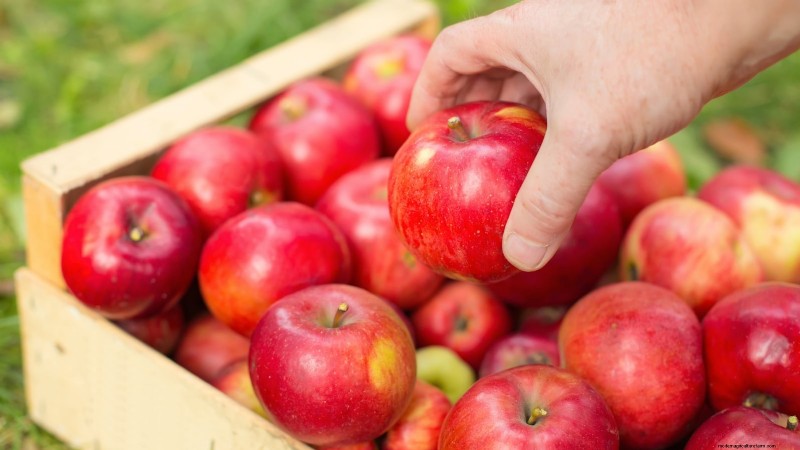
Thinning allows each fruit to become a natural “fruit‑basket,” which in turn creates larger, sweeter, and more visually appealing fruit. This is why grocery‑store apples and peaches look so consistent.
When trees are left with an abundance of fruit, the available resources are spread too thin, resulting in small, dull, and nutrient‑poor berries.
By thinning once a year, growers avoid the “many small, weak” problem and instead produce premium, bite‑size fruit.
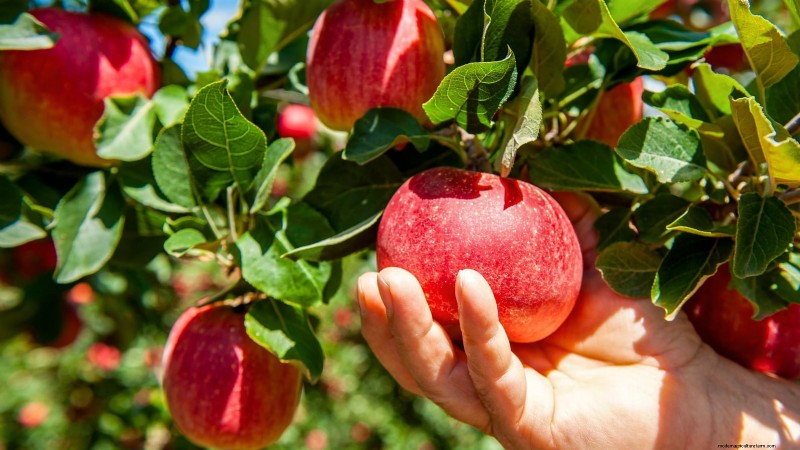
Fruiting species use current season fruit to set the next season’s buds. An apple tree that has too many fruit will produce fewer new buds, leading to a lean harvest next year.
Thinning redistributes the tree’s stored resources, stimulating bud development for the following season and ensuring a robust crop both now and next.
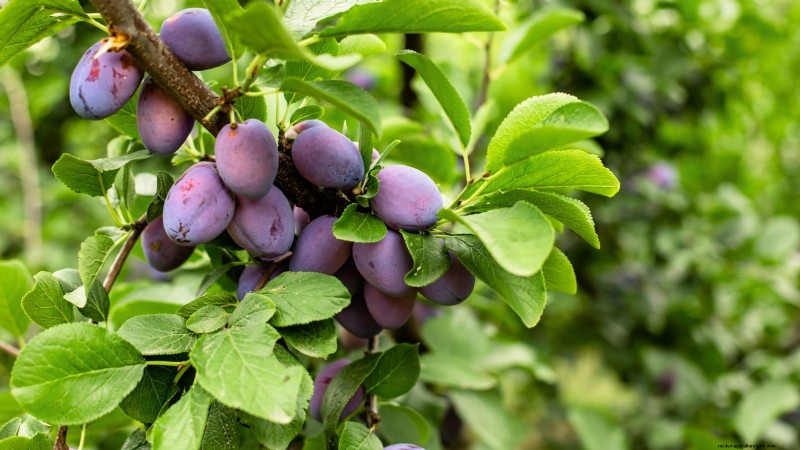
Heavy fruit can strain branches and cause breakage. Dwarf or young trees, in particular, are vulnerable because they lack thick, mature limbs.
By keeping fruit load light, thinning prevents limb breakage, which in turn protects the tree’s overall structure and long‑term productivity.
The optimum time to thin is when fruit is still small—ideally before it exceeds the diameter of a dime.
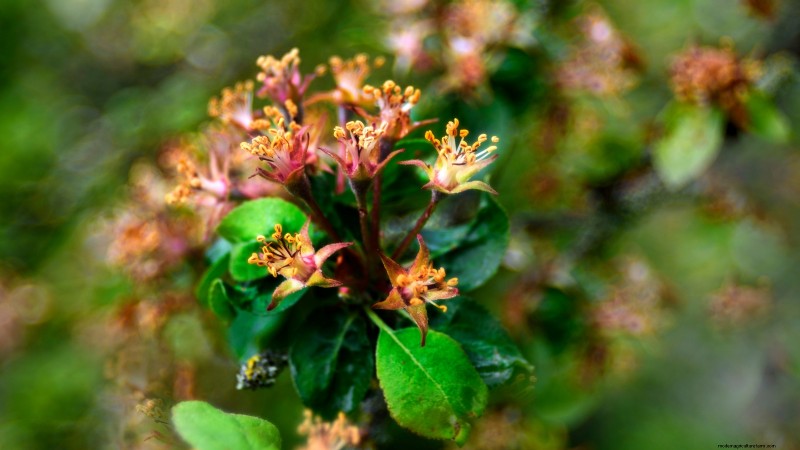
Petal fall signals successful pollination. As the ovary develops into fruit, the petals drop to make room for the growing berry.
Petal drop is the first reliable cue that thinning can begin.
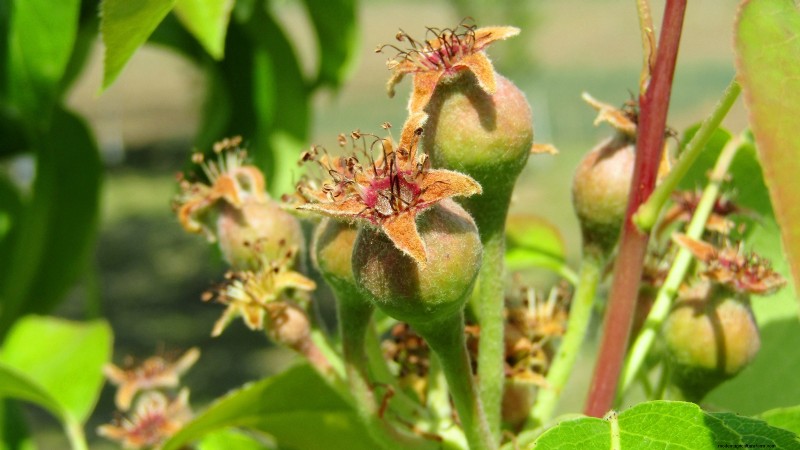
Once the petals have fallen, the fruit will start to swell. Remove them before they grow larger than a dime to maintain optimal fruit spacing and to preserve next‑season bud development.
Thinning larger fruit can still be done, but it may reduce next‑year yield.
Some species—such as nuts, cherries, avocados, pomegranates, figs, and citrus—typically do not require thinning because they self‑regulate fruit set. The technique varies for each fruit type, so consult specific guides for precise instructions.
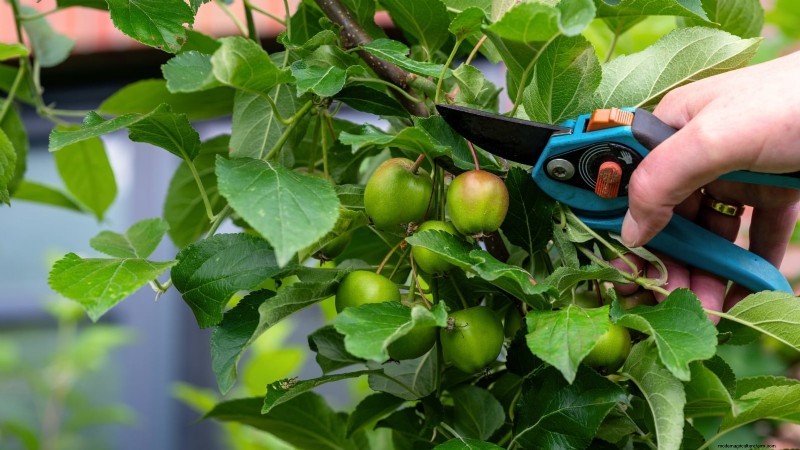
Apples and pears develop on short, stubby spurs. Each spur usually produces one to three fruits. To achieve optimal spacing, keep only one fruit per spur and ensure about six inches between adjacent fruits.
If any spurs bear more than one fruit, selectively remove the excess to maintain even distribution across the canopy.
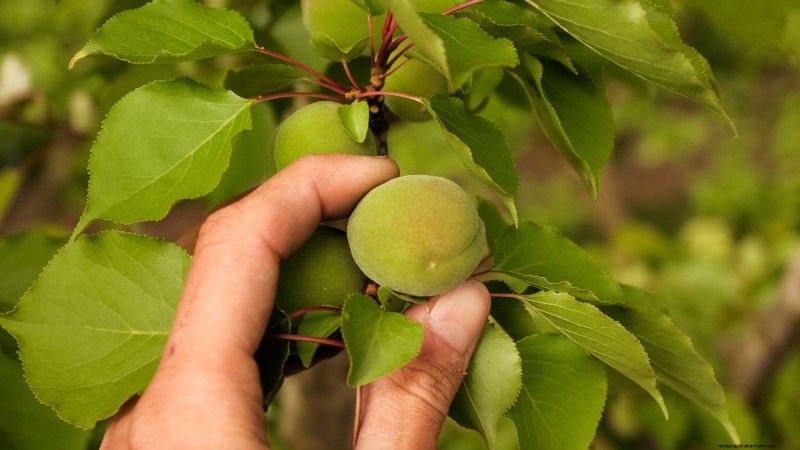
These stone fruits form on one‑year‑old wood. Thinning should create a spacing of six to eight inches between individual fruits.
Peaches and nectarines often shed fruit in early June. Leaving a few additional fruits before the natural drop provides a buffer, after which manual thinning can refine spacing.
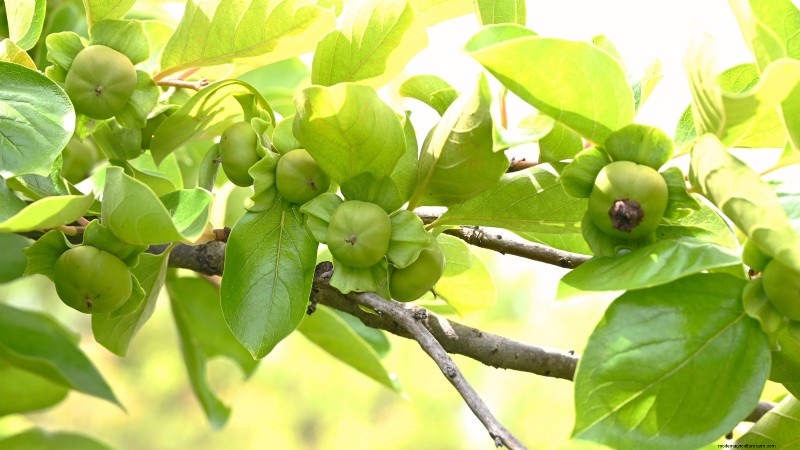
Persimmons develop on both new and old wood. Their wood is relatively weak, so thinning is crucial to prevent limb damage.
Start by removing any small, spotted, or damaged fruit. Continue thinning until each remaining fruit has at least six inches of space.
Well‑structured persimmon trees with robust scaffolding may not require frequent thinning, but young trees benefit from the practice.
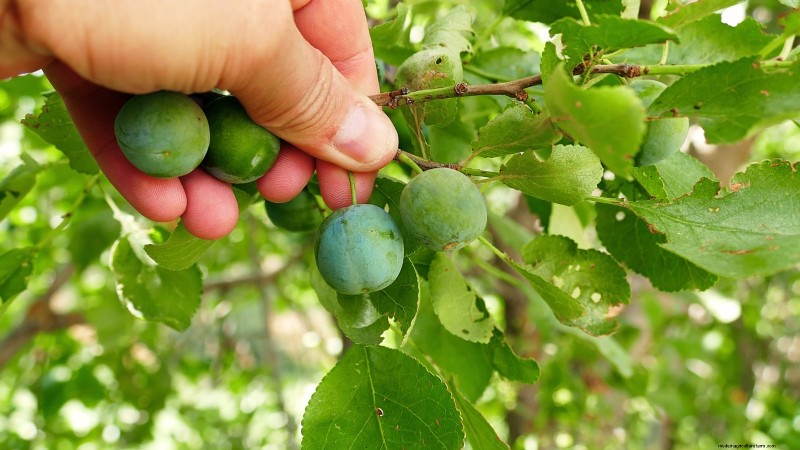
Plums produce fruit on both spurs and one‑year‑old wood, enabling high yields. However, the dual strategy demands timely thinning after flower drop.
Maintain a spacing of roughly six inches between fruits. Monitor plum drops in June; if branches begin to sag, continue thinning throughout the season to keep limbs from snapping.


