
Welcome to Modern Agriculture!

Your yard could be doing a lot more than looking pretty. Research from the National Wildlife Federation shows that suburban gardens, when planned well, can replace some of the habitat lost to development across the United States.
The stakes are real. A 2025 NatureServe assessment found that more than one in five native North American pollinators face elevated extinction risk, and monarch butterfly populations have declined roughly 80 percent over the last two decades.
The good news is that building wildlife habitat at home is easier than it sounds. You don’t need acreage or a landscape designer. The 15 simple steps below add up to a yard where birds, bees, butterflies, and small mammals can actually thrive.
Native plants evolved alongside your local wildlife. Most insects can only eat the species they recognize, so a yard full of exotic ornamentals quietly starves the bugs your birds depend on.
The National Wildlife Federation suggests a minimum goal of 70 percent natives across your yard. That single target does more for biodiversity than any other change you can make. Start by walking around your property and listing what you already have.
Replace the lowest-performing ornamentals first, particularly anything labeled invasive in your state. A nursery that specializes in natives will help you match plants to your zone without guesswork.
A single mature white oak in the eastern U.S. can host more than 534 species of caterpillars. That number is not a typo.
University of Delaware entomologist Doug Tallamy’s research identified a small group of plants that do the heaviest lifting in any ecosystem, and oaks sit at the very top. Willows, cherries, sunflowers, asters, and goldenrods all qualify, depending on your region.
Why does that matter? Because 96 percent of terrestrial birds rely on caterpillars to feed their young in spring. If you only have space for one new tree, make it a native keystone.
We'll email it to you so you can read it later!
By saving, you agree to receive occasional emails. Unsubscribe anytime.
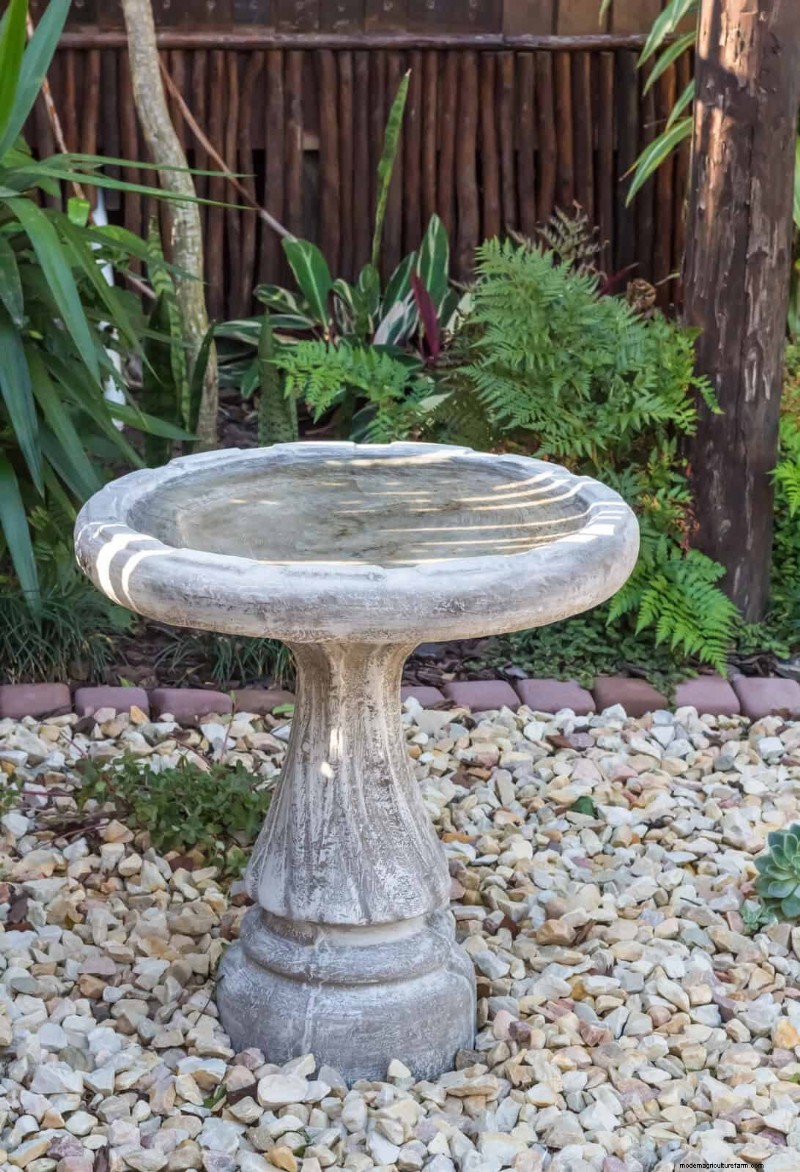
Every animal in your yard needs water for drinking, bathing, and sometimes breeding. A simple birdbath, topped off daily, will attract more species than most people expect.
 DepositPhotos.com
Place it near cover so birds can retreat quickly if a hawk passes over. For a bigger investment, consider a small pond or a recirculating bubbler. Moving water draws warblers and other species that rarely visit standing water.
Pro Tip: Clean a birdbath weekly with a stiff brush and a splash of white vinegar. Algae and mosquito larvae are the two biggest problems, and both are easy to prevent with a quick rinse and a water change.
A pile of fallen branches might look messy, but it’s one of the highest-value wildlife structures you can make at no cost. Chickadees, wrens, and towhees use it as cover. Chipmunks, salamanders, and beneficial insects like ladybugs use it as winter shelter.
Stack larger logs on the bottom for airflow, then layer smaller branches on top. A finished pile about four to six feet wide and three feet tall is plenty.
Tuck it into a back corner where it won’t bother neighbors. The shyer birds will find it within a season.
Fall cleanup has quietly become one of the biggest habitat losses in American yards. The Xerces Society reports that the vast majority of butterflies and moths in cold climates spend winter as eggs, caterpillars, or chrysalises hidden in leaf litter.
Raking everything to the curb removes next year’s pollinators along with the leaves. Instead, rake leaves off hard surfaces and lawn, then pile them three to four inches deep under trees and in garden beds.
Keep a small gap around tree trunks. The leaves insulate roots, feed soil life, and protect overwintering insects all at once.
A yard with only grass and a few foundation shrubs offers wildlife almost nothing to work with. Natural ecosystems have four layers: canopy trees, understory trees, shrubs, and ground cover.
Recreating even a small slice of that structure dramatically increases the species your yard can support. Try to include something at each height.
A single dogwood under a maple, a viburnum under the dogwood, and a patch of native ferns or sedges at the base gives insects, birds, and small mammals the cover they need at every level.
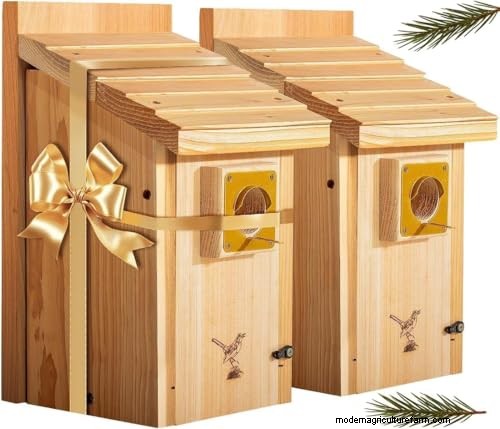
Many cavity-nesting birds have declined because dead trees, their natural home, get cleared too quickly. A well-placed nest box gives bluebirds, chickadees, wrens, and small owls a replacement.
Match the box design to the species you want to attract. Hole size and mounting height matter more than people realize, and a bluebird box with the wrong hole just becomes a house sparrow condo. A solid option like the CEDAR ALPHA Bluebird House uses the correct entry hole and mounts easily on a pole or tree. (Amazon)
See more: Where To Place A Bird Feeder In The Garden
Clean the box out after each nesting season, and position it away from bird feeders so chicks aren’t exposed to predators.
Broad-spectrum insecticides wipe out pollinators along with pests. Neonicotinoid residues can linger in plants for years, moving up the food chain into the very birds you’re trying to attract.
A habitat yard and a spray schedule can’t really coexist. If you have a specific pest problem, try targeted solutions first: hand-picking, row covers, or insecticidal soap on the affected plant only.
The predators you want, like ladybugs and parasitic wasps, only show up once there’s prey for them to eat. Patience pays off here.
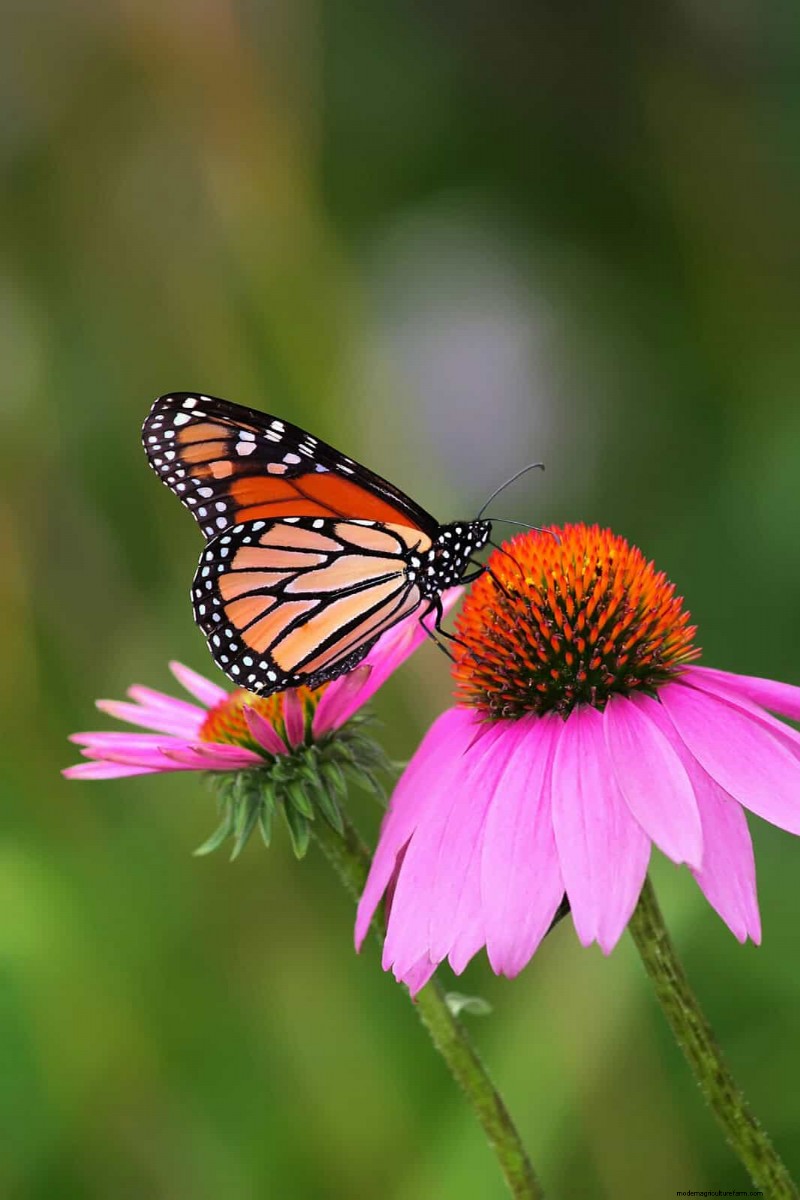
Nectar gets most of the attention, but caterpillars are the real engine of a healthy garden ecosystem. Every butterfly species has a narrow list of plants its caterpillars can eat. Monarchs need milkweed, black swallowtails need parsley or fennel, pipevine swallowtails need pipevine.
 DepositPhotos.com
A quick search for host plants in your region turns up dozens of easy choices. Plant them in groups so caterpillars can find them and so the foliage loss blends in.
Accepting some chewed leaves is part of the deal. Those holes are the whole point.
Winter is when bird feeders matter least and natural food matters most. Shrubs that hold their berries into cold weather keep robins, cedar waxwings, bluebirds, and many others fed through the hardest months.
Native viburnums, winterberry holly, serviceberry, and elderberry all perform well across much of the country. Plant at least two or three berry shrubs if you have the room, and stagger ripening times so the buffet stretches from late summer through February.
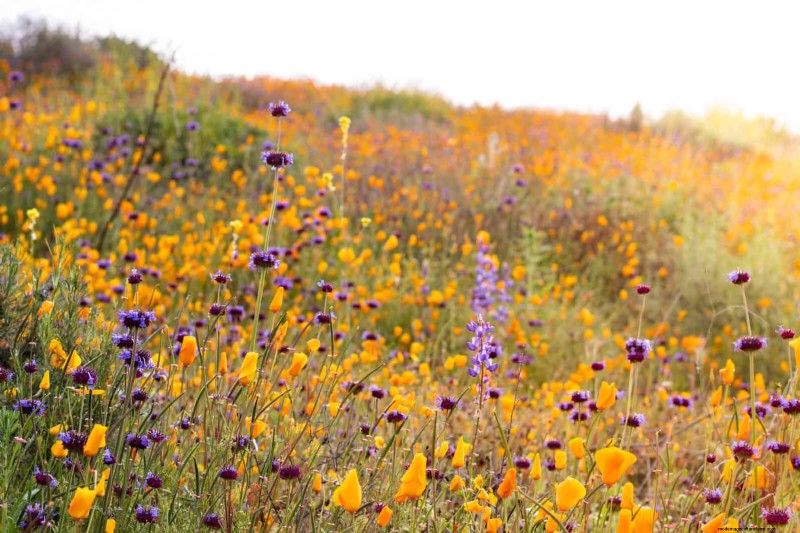
Bees and butterflies need nectar from early spring through fall, not just during peak summer. A pollinator patch with something blooming every week closes the gaps that store-bought flower mixes often miss.
 DepositPhotos.com
Sketch out three bloom windows. Early spring, mid-summer, and late fall. Pick two or three natives for each window.
If you’re looking for plants that do double duty, take a look at our list of beneficial backyard weeds that help save the bees. Early willows, then milkweeds and coneflowers, then asters and goldenrods in the fall will carry most pollinators through the season.
About 70 percent of native bees nest in the ground or inside hollow plant stems. When gardeners cut back perennials in November, they toss out the nurseries along with the dried foliage.
A more wildlife-friendly approach is to leave stems standing until late spring. Cut them back to about 12 inches once temperatures stay warm, ideally in May or even June. The stubs keep serving as nest sites through a second season.
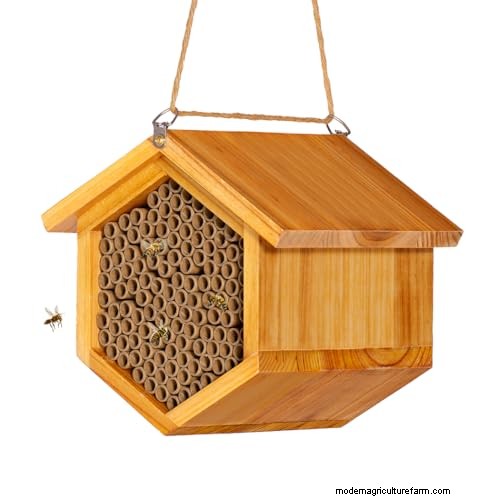
If you want to give solitary bees a head start, a wax-coated mason bee house mimics the hollow-stem habitat and hangs on a fence or tree. (Amazon)
If you’re still deciding which perennials to prune and when, our guide to perennial cutting back mistakes walks through the timing traps most gardeners fall into.
Reptiles and amphibians get almost no attention in most yards, but they’re important predators of slugs and garden pests. A loose pile of rocks in a sunny spot gives lizards and garter snakes a place to bask.
A rotting log in a shady corner supports salamanders, toads, and hundreds of insect species. You don’t need to build anything elaborate. A dozen rocks stacked together or a single log left to decompose will attract residents within a season.
American lawns cover roughly 40 million acres and support almost no wildlife. Shrinking the lawn is one of the highest-impact moves you can make. Even converting a ten-by-ten foot patch to native perennials adds meaningful habitat.
Start with a single bed along a fence line or around an existing tree. Edge it cleanly so the new planting reads as intentional, not neglected. Neighbors take the hint faster when it looks designed.
Small touches help birds and solitary bees finish the last mile. Leave a patch of bare mud in a sunny spot for mason bees and swallows, and let some ornamental grasses go to seed so they stand through nesting season.
A small suet cage stuffed with short bits of untreated string, pet fur, or dried grass will get visitors in early spring. Avoid dryer lint, which falls apart when wet, and any fibers longer than an inch or two, which can tangle around small legs.
Quick Habitat Checklist
These 15 steps stack on top of each other, and you don’t have to do them all at once. Pick the two or three that fit your yard right now and add more as you go.
Your yard becomes part of something bigger when it joins the patchwork of habitat that pollinators and wildlife actually need to survive. Every small piece counts.


![Spring Garden Prep: Essential Tasks for March | [Your Brand]](https://modernagriculturefarm.com/article/uploadfiles/202605/2026050901221794_S.jpg)