
Welcome to Modern Agriculture!

Every garden season has its traps. Gardeners often repeat the same handful of mistakes year after year, then wonder why spring bulbs skip a bloom or why tomatoes sulk all through July.
The good news is that fixing these habits does not require more work. It usually means doing less at the right moment and more at another. Once you see the pattern, you stop losing hours to cleanup that backfired and money to plants that did not need to fail.
 DepositPhotos.com
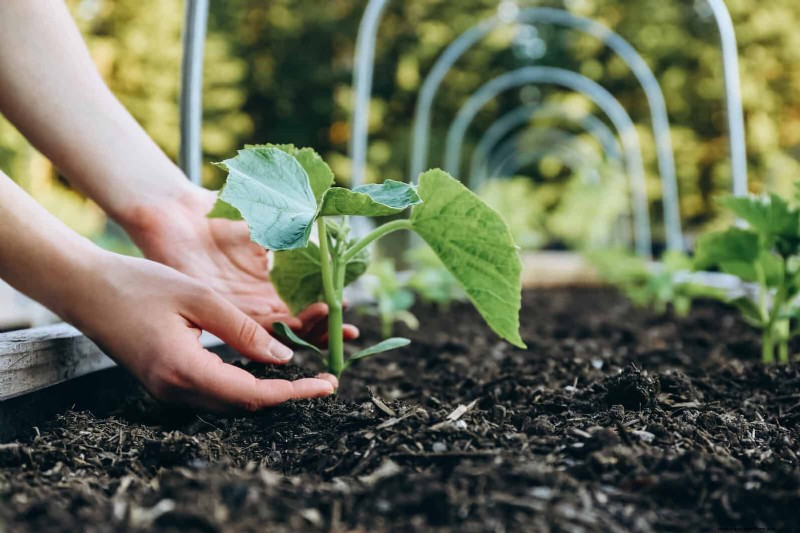
The first warm weekend of April tempts almost everyone to rush seedlings into the ground. Seeds and tender starts respond to soil temperature, though, not to how nice the afternoon felt.
Tomatoes want soil around 60°F before their roots do much of anything. Cucumbers and beans want 65°F or warmer, and peppers usually want 70°F. A $5 soil thermometer settles the argument in thirty seconds.
Planting too early stunts root growth and sets plants up for disease when cold soil lingers. The seedlings that wait a week almost always overtake the ones rushed in.
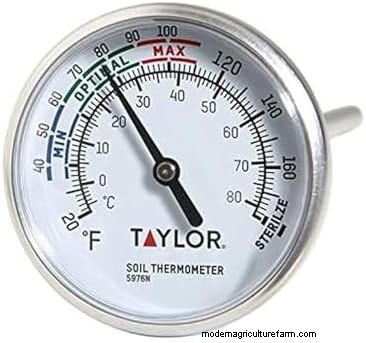
If you want a straightforward tool to check before you plant, the Taylor Soil Testing Thermometer is a well-reviewed option with a 4-inch stem that reads right at root depth. (Amazon)
If you’re planning your spring start dates, take a look at our guide to spring planting timeline mistakes for your USDA zone.
Soil Temperature Targets for Common Crops
This one hurts because it looks like a tidy chore. Lilacs, forsythia, azaleas, and rhododendrons set their flower buds on last year’s wood, back in late summer.
Pruning them in March or April simply cuts off the blooms the shrub already built. The plant is fine, but the show is gone for the year.
Wait until right after the bloom fades. You get roughly a six-week window before the plant starts building next year’s buds.
We'll email it to you so you can read it later!
By saving, you agree to receive occasional emails. Unsubscribe anytime.
Guessing at nutrients is expensive and often counterproductive. If the soil pH sits outside the 5.5 to 7.0 range most vegetables prefer, nutrients can be present in the soil and still completely unavailable to the plant.
A basic extension lab test usually runs under $20 and tells you exactly what to add. You might learn the real problem is pH, not fertilizer.
Many gardeners sprinkle balanced fertilizer every spring and still see yellowing leaves. That pattern is a classic sign of pH blocking uptake rather than a nutrient shortage that more fertilizer would solve.
The nursery in May is built to sell you a full trunk. Then July rolls around and half those pots sit crispy on the patio because you ran out of hours, not good intentions.
Educators at many state extension programs point to over-ambition as the single biggest reason new gardeners quit after the first year. The more honest approach is to plant about 70 percent of the space you think you can handle, then leave room for the plants you will inevitably impulse-buy in June.
 DepositPhotos.com
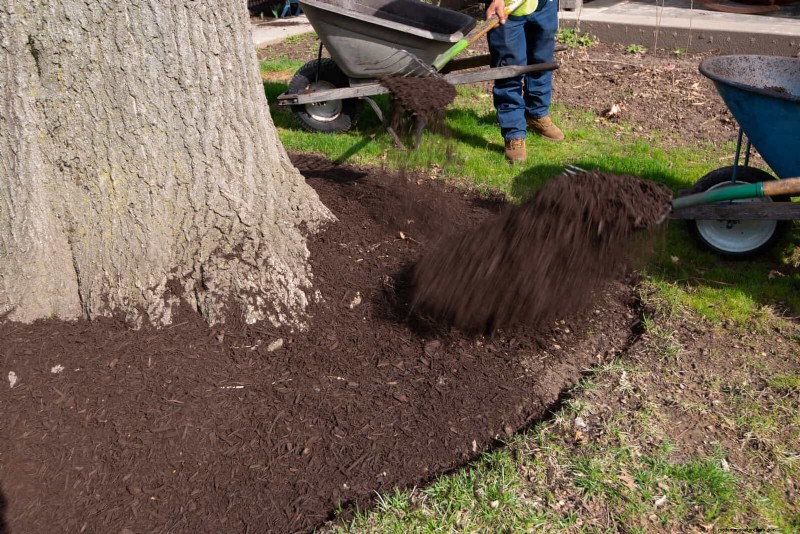
Mulch piled up against the trunk looks finished and professional from the curb. It is also one of the surest ways to shorten a tree’s life.
Bark needs air and light to stay intact. Pile wet mulch against it and you invite rot, pests, and a ring of shallow girdling roots that can choke the tree years later.
The fix is simple. Pull mulch 2 to 3 inches back from the trunk, keep the overall depth between 2 and 3 inches, and spread it in a donut shape out toward the drip line.
 DepositPhotos.com
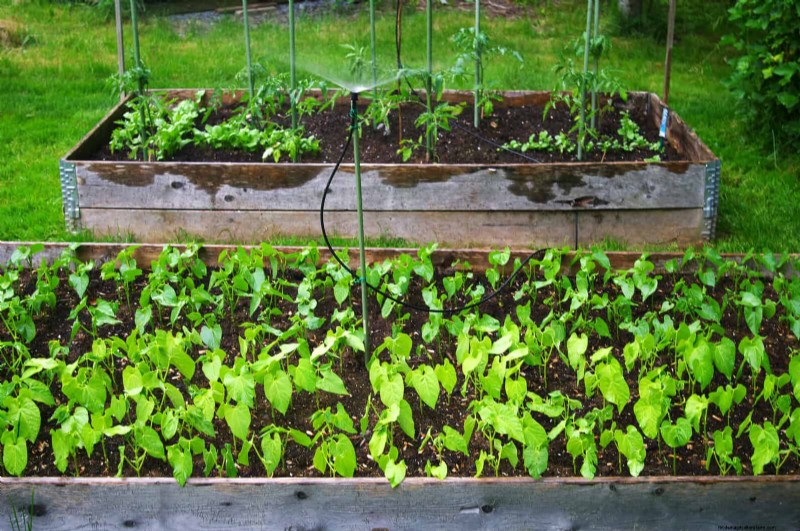
A quick daily sprinkle feels thorough and responsible. It actually trains roots to stay shallow, where heat and drought reach them fastest.
Deep, less frequent watering is the habit that pays off. Most established beds want about an inch of water once or twice a week, delivered slowly enough that it soaks 6 to 8 inches down.
Push a finger into the soil before turning on the hose. If the top 2 inches still feel cool and slightly damp, skip the day.
Is it fine to water after dinner when the lawn looks dry? In most humid climates the answer is no, because leaves stay wet overnight and fungal disease moves in quickly.
Early morning is the sweet spot, roughly 5 to 9 a.m. Temperatures are cool, wind is calm, and foliage has the whole day to dry.
Short grass suffers in July. A low cut dries the root zone, scorches the crown, and invites crabgrass into every thin spot.
Raise the mower deck to at least 3 to 3.5 inches once daytime temperatures stay above 80°F. Longer blades shade the soil, hold moisture, and outcompete weeds without any chemical help.
Mulching the clippings back into the lawn also returns nitrogen to the soil. You skip the bag trip to the curb and feed the grass at the same time.
See more: 15 Spring Lawn Mistakes That Set You Up for a Terrible Summer
Pruning triggers fresh growth. That fresh growth is soft, tender, and will not harden off before the first hard freeze.
Cuts made in August or September often lead to winter dieback that you have to chase with another round of pruning the following spring. The safer windows are late winter before buds break, or right after flowering for spring bloomers.
Dead, diseased, or damaged wood is always fair game in any season. Save the shaping work for the right window.
 DepositPhotos.com
A tidy late-October garden feels like an accomplishment. It also removes most of the winter habitat your beneficial insects depend on.
Researchers at Penn State Extension have documented how hollow stems, leaf piles, and dried foliage shelter cavity-nesting native bees, firefly larvae, and several butterfly species through winter. Cutting the whole garden down in October can wipe out next year’s pollinator population in one weekend.
A looser approach works better. Leave perennial stems standing until new growth pushes in spring, and keep a few leaf piles in less visible corners where wildlife can overwinter undisturbed.
If you’re refining your fall cutback strategy, take a look at our guide to perennial cutting back mistakes that weaken spring growth.
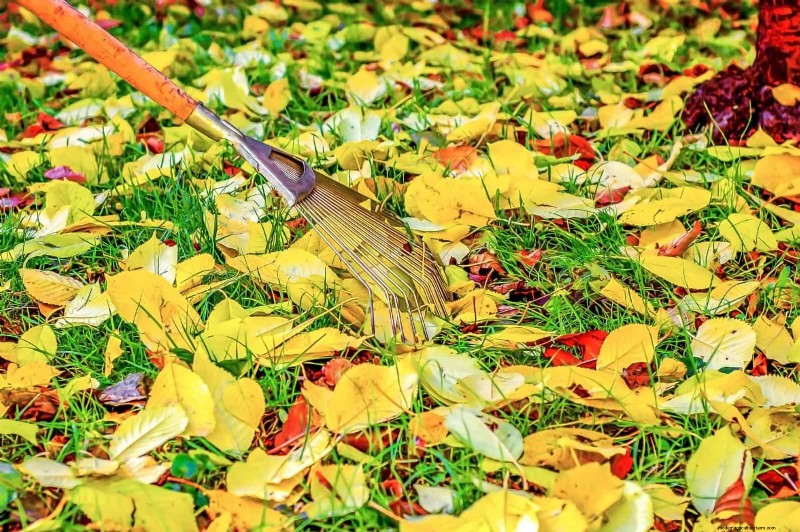
Hauling leaves to the curb is physical, time-consuming, and hands off free mulch. Those bagged leaves usually end up in landfill, where they release methane instead of feeding the soil they grew from.
Mowing over leaves twice with a mulching mower chops them into a layer the grass can absorb over winter. Leaves raked onto beds break down into excellent compost by spring.
Many state extension programs recommend allowing up to 20 percent leaf cover on turfgrass with no cleanup at all. More than that smothers grass, so the mower pass is the sweet spot.
Spring planting gets all the attention, but fall is when soil amendments actually work. Compost, leaf mold, and slow-release organic fertilizers need months for microbes to break them down into plant-available nutrients.
Spread them in September or October and the bed is ready to go by April. Add the same materials in April and you are still waiting on biology when your tomatoes want to push their first leaves.
Broadleaf evergreens like rhododendrons, hollies, and boxwoods keep transpiring through winter. When the ground freezes but the sun and wind keep pulling moisture from the leaves, you get the classic bronze, scorched look called winter burn.
A light burlap windbreak on the northwest side makes a real difference. Anti-transpirant sprays applied in late fall cut water loss through the leaves and buy the plant weeks of protection.
The instinct to shake snow off a sagging branch is strong. It is also how most snow damage happens.
Branches are already under load, and a downward yank adds to the stress. Use a broom to lift gently upward from under each branch and let the snow fall on its own.
Ice is a different story. Once branches are encased, leave them alone until the ice melts on its own, because trying to dislodge it almost always shatters the wood.
Pruners that never get wiped down quietly spread disease from shrub to shrub. Dull mower blades tear grass instead of cutting it, which opens the leaf to fungal infection and that washed-out brown tone you see in late July.
A ten-minute routine at the end of each season keeps this from becoming a pattern. Wipe blades with rubbing alcohol, sharpen cutting edges with a file, and coat moving parts with a drop of oil before storage.
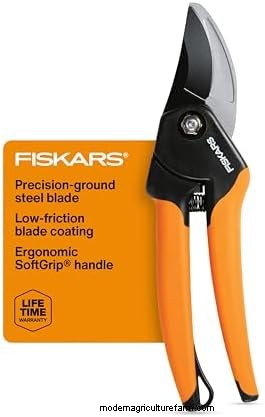
If your current pruners are worn out, the Fiskars Bypass Pruning Shears are a popular pick that hold an edge well with a quick annual sharpen. (Amazon)
Clean tools also last years longer. A decent pair of bypass pruners should give you at least a decade of service with light annual care.
End-of-Season Tool Checklist
Seasonal gardening is less about heroic effort and more about doing a few small things at the right time. Every mistake on this list traces back to the same pattern, which is acting on instinct when a quick check of soil, calendar, or technique would save the work.
Note what went sideways this year while it is still fresh, then write a short list for next season’s shift. Over a few years those small corrections add up to a garden that looks healthier in every direction with a lot less of your weekend.


