Welcome to Modern Agriculture!

June borders look glorious. Then the irises finish their show, the peonies drop their petals, and a bed that was bursting with color two weeks ago starts to look like a patchy tablecloth. Empty spots and yellowing foliage turn up right where the most beloved spring plants used to be.
Most midsummer gaps are predictable once you know what causes them. The Royal Horticultural Society notes that succession of bloom is one of the biggest challenges in perennial border design, and the same planting mistakes tend to repeat themselves across gardens of every size and style.
Fixing the problem means rethinking a few decisions you may never have questioned. The list below covers the most common culprits and what to plant (or do) instead.
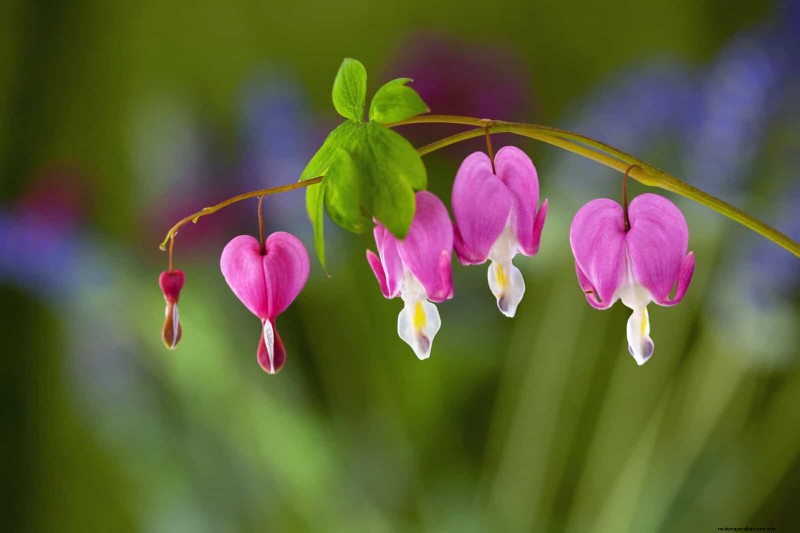
Bleeding heart, Virginia bluebells, and Oriental poppies put on a spectacular show in May. They also disappear completely by July in most zones, leaving bare dirt where a waterfall of pink and blue blooms used to sit.
 DepositPhotos.com
These plants are called ephemerals for a reason. Their natural cycle is to flower, set seed, and retreat underground until the following spring.
Plant them behind slower-emerging neighbors like hostas or ferns that expand into the vacated space. Missouri Botanical Garden specifically recommends this companion approach for bleeding heart, and the same trick works beautifully for poppies and bluebells.
It’s tempting to walk into a nursery in May and buy whatever is flowering at that moment. Nine times out of ten, that fills the cart with peonies, irises, and columbines, with nothing scheduled to take over in August.
 DepositPhotos.com
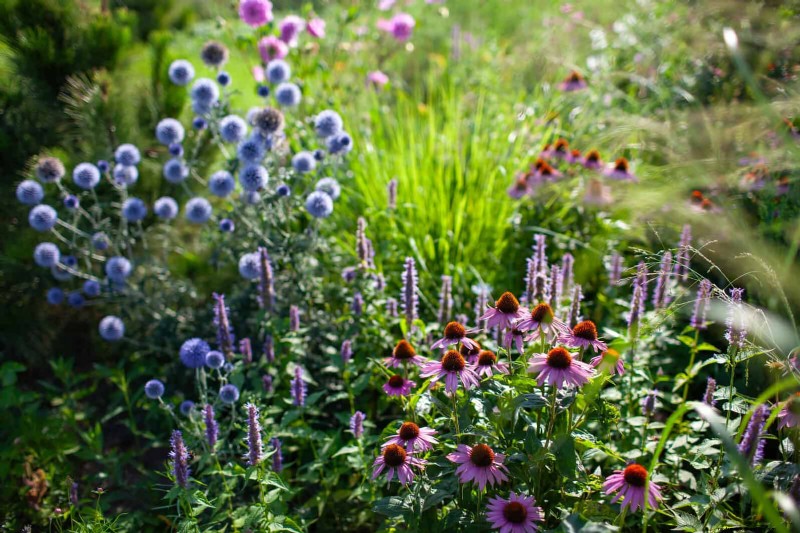
Late performers like echinacea, rudbeckia, Joe Pye weed, tall phlox, and sedum have to be bought on purpose. Their foliage looks underwhelming in May, so they get passed over again and again. Pencil them in on your garden center list before you leave the house.
See more: 21 Perennials You Can Still Plant in April That Will Bloom This Year
We'll email it to you so you can read it later!
By saving, you agree to receive occasional emails. Unsubscribe anytime.
Bloom is only a few weeks of each plant’s life. Foliage is the other forty.
 DepositPhotos.com
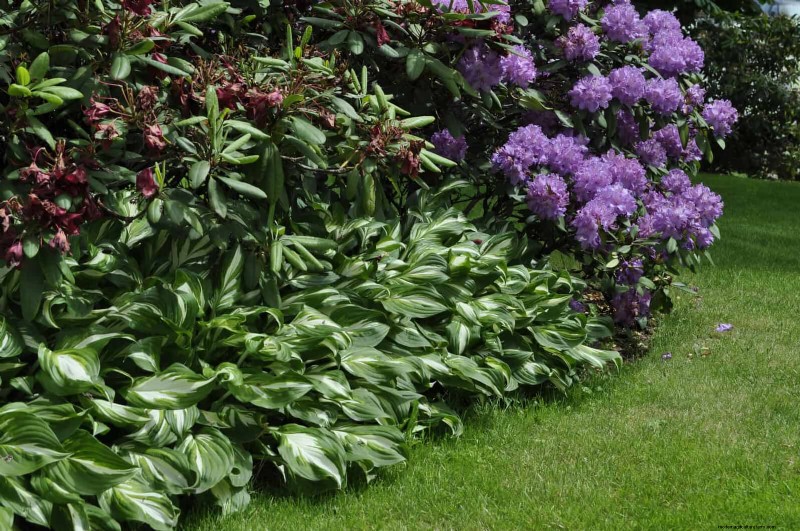
Heucheras, brunnera, hostas, and ornamental grasses carry a border through every slow patch between flower cycles. A border that leans entirely on flowering plants turns every pause into a visible gap. A well-planned border is at least a third foliage by square footage.
One columbine tucked into a sea of daylilies looks like a mistake. Seven columbines planted in a soft drift look like a deliberate feature.
Single specimens create two problems. The first is that they never register as a meaningful presence. The second is that when they finish blooming, a visual hole opens right where that one plant lived.
Groups of three, five, or seven of the same species share the load. If one sulks, the others cover.
Tulips deliver breathtaking color for about ten days in April. Their foliage then takes another six to eight weeks to yellow, flop, and finally disappear, right when the border needs to look its best.
The classic fix is to interplant bulbs with later-emerging perennials like hardy geraniums, hostas, or daylilies. The foliage of the perennial rises up to hide the collapsing bulb leaves. Solo tulip plantings in open ground are almost guaranteed to create a July gap.
A heavy dose of nitrogen in April pushes tall perennials like delphinium, rudbeckia, and tall phlox into soft, lanky growth. Those stems cannot support themselves once the flower heads form. One thunderstorm in June collapses the whole stand.
A lighter feed, or no feed at all for established plants in decent soil, produces stockier stems that hold themselves up. Skip the spring fertilizer binge if you want blooms to last well into midsummer.
By the time a peony or baptisia is obviously flopping, it is already too late. The stems are bent, and the ring of crushed foliage will remain visible for weeks.
Grid supports, peony rings, and pea stakes work only when they go in early. The RHS recommends installing supports in spring before plants have more than a few inches of new growth, so the plant rises through the framework and hides it completely by bloom time.
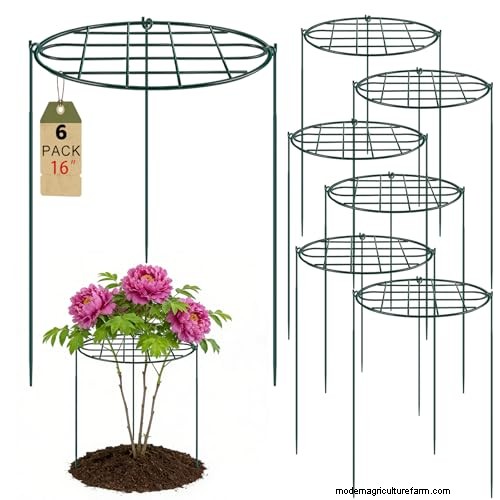
Grow-through rings like these metal peony cages go in right after the plant breaks ground and become invisible by bloom time. (Amazon)
Delphiniums usually give up after three or four years. Lupines are similar. Both are wonderful, but making either one the centerpiece of a border sets you up for a sudden vacancy that nothing quickly fills.
Treat short-lived perennials as beautiful visitors. Plant a steadier partner close by so a mature daylily clump, a long-lived salvia, or an evergreen shrub can absorb the space when the delphinium quietly exits.
Salvia nemorosa and catmint (Nepeta) bloom hard in late May and early June, then flop open in the middle and look ragged if left alone. Many gardeners stare at the mess all summer instead of fixing it in ten minutes.
A hard shear down to five or six inches right after the first flush resets both plants completely. New growth comes up tight and compact, and a second round of blooms arrives by late July. The technique is sometimes called the “Chelsea chop” when done earlier in the season.
Pro Tip: The “Chelsea chop” gets its name from the Chelsea Flower Show, which takes place in late May. Cutting back soft perennials like asters, sedum, phlox, and rudbeckia by about a third at that point delays bloom by two to three weeks and produces bushier, more self-supporting plants that fill rather than flop.
If you’re already rethinking your pruning routine, our guide to perennial cutting back mistakes covers the timing errors that weaken spring growth.
Edible plants tucked into ornamental borders look charming in May. By late June, lettuces have stretched up to four feet and gone to seed, kale is hosting a flying aphid convention, and the neat rosettes of spring are just a memory.
Pull and replace these as soon as they bolt. The spot can be filled with a nursery-grown annual, a tender perennial like a pelargonium, or a division of a neighboring plant that needed splitting anyway.
Some plants respond to heat and dry spells by shutting down early. Creeping phlox, moss phlox, and some sweet William cultivars go semi-dormant in July heat, leaving brown patches where tidy green mats used to be.
Deep watering during dry stretches slows this down considerably. A two-inch layer of mulch helps enormously on top of that. Swapping in heat-tolerant alternatives like sedum, thyme, or dianthus rated for your zone removes the problem at the source.
A newly planted perennial border takes two to three years to knit together. The first summer is mostly bare dirt between baby plants, and the problem does not solve itself.
Cosmos, zinnia, cleome, and tall verbena buy time while the perennials fill out. Plant them generously in year one, less densely in year two, and phase them out by year three as the permanent plants take over.
Fine Gardening has pointed out that even mature borders benefit from a few annuals tucked in to paper over seasonal holes. There is no shame in using them. For ideas, take a look at our roundup of summer annual flowers that bloom nonstop until frost.
An unmulched border dries out faster, grows more weeds, and loses plants to stress dieback that a two-inch mulch layer would have prevented. Those losses show up as gaps by midsummer, usually in the hottest, driest corner of the bed.
Shredded bark, leaf mold, or composted wood chips applied in spring regulate soil temperature and moisture. The investment is small and pays back through fewer plant losses and far less weeding time.
A border made entirely of herbaceous plants has nothing to fall back on when things cycle through their down phase. Boxwood, dwarf conifers, small viburnums, or a clipped yew in the mid-ground gives the eye something to rest on through every season.
Plant at least a few evergreen or woody anchors at regular intervals. They hold the composition together during the weeks when the flowering plants are between acts.
A daylily clump that has not been divided in eight years usually has a dead center and a weak ring of growth around the edge. The mature plant looks like a donut by midsummer, with an obvious hole where the strongest growth used to be.
Most perennials want dividing every three to five years. Lifting, splitting, and replanting in early spring or fall gives you new plants to fill out thin spots and restores the parent clump to a solid mass.
Midsummer Gap-Prevention Checklist
A gap in July is almost always a planting decision made nine months earlier. Building succession into the border, pairing ephemerals with slow neighbors, and respecting the lifecycle of short-lived perennials will close most of the holes before they ever open.
A little planning during nursery season goes a long way. Walk the border now and note exactly where last year’s gaps appeared, then head to the garden center with a targeted list of late-season bloomers, foliage plants, and structural anchors.