Welcome to Modern Agriculture!

Not everyone has a backyard. Not everyone has the energy to maintain one even if they did. That’s perfectly fine, because some of the most rewarding gardens in the world live on a balcony, a fire escape, or a single sunny windowsill.
Container gardening lets you garden on your terms. You pick the size. You choose the location. You decide the commitment level. Nothing goes in the ground. Nothing demands a weekend of digging. And if something isn’t working? You pick up the pot and move it somewhere else.
Here’s what actually stops most people from gardening: it’s not knowledge or skill. It’s energy. Traditional gardens demand consistent effort across an entire plot. Weeding, amending soil, managing pests. When your energy fluctuates day to day, that kind of commitment feels like taking on a second job.
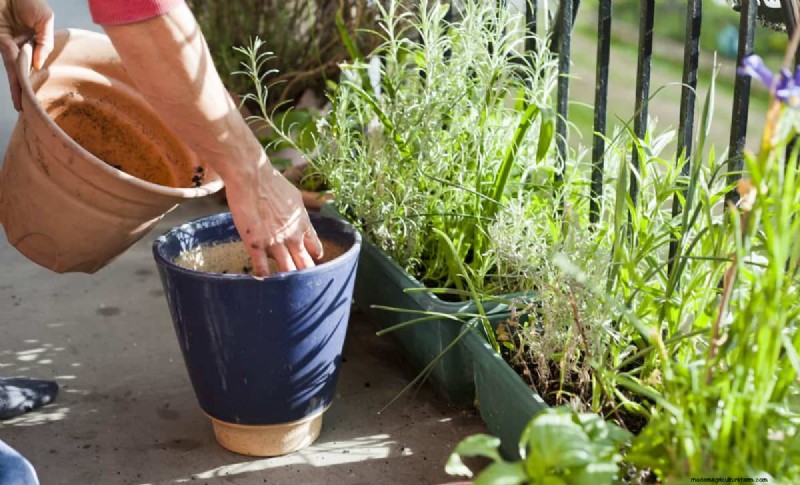
Containers shrink the whole equation. One pot. One plant. One small thing to take care of. On high-energy days, you can repot, prune, and rearrange to your heart’s content. On low-energy days, you water one thing and call it done. The garden flexes with you instead of demanding more than you’ve got.
You also get instant mobility. If a plant isn’t thriving in one spot, move it. Testing different locations is easy when you’re not committed to a permanent bed. And when weather turns bad? You can bring tender plants inside without digging up your entire garden.
New container gardeners often buy five or six pots at once, excited to create an instant garden. Then they realize that’s five or six separate things to water, feed, and monitor. Start with two or three containers max. Get comfortable with the rhythm of caring for those before adding more. You can always expand next season, but scaling back mid-season when you’re overwhelmed is frustrating and feels like failure.
The pot you choose matters more than most people realize. The right container can cut your maintenance in half.
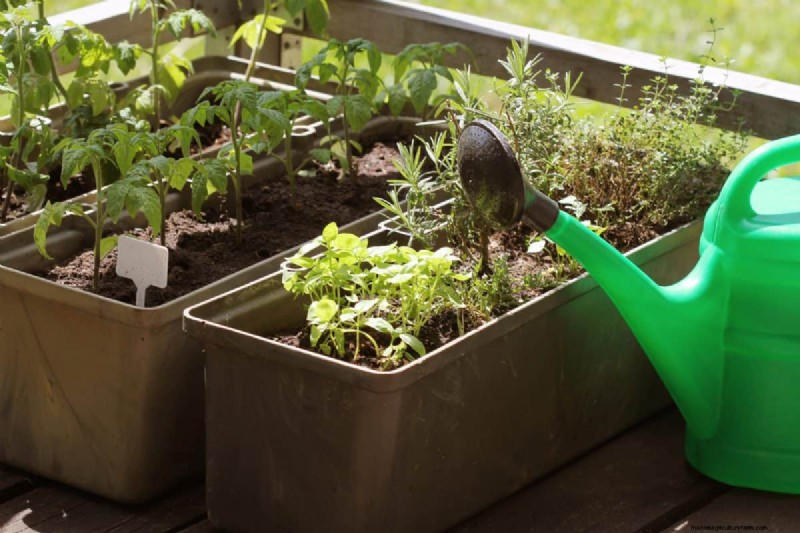
Self-watering planters are the single best investment for low-energy gardening. They have a built-in reservoir at the bottom that lets plants drink what they need. You fill the reservoir every few days instead of monitoring soil moisture daily. They’re especially good for herbs and leafy greens that like consistent moisture without getting waterlogged.
Lightweight resin or fabric pots are easier to move than ceramic or terracotta. This matters when you need to chase the sun around your balcony or bring plants inside before a frost. Fabric grow bags also offer natural air pruning, which keeps roots healthy without you doing anything special. The roots hit the air, stop growing in that direction, and branch out instead of circling.
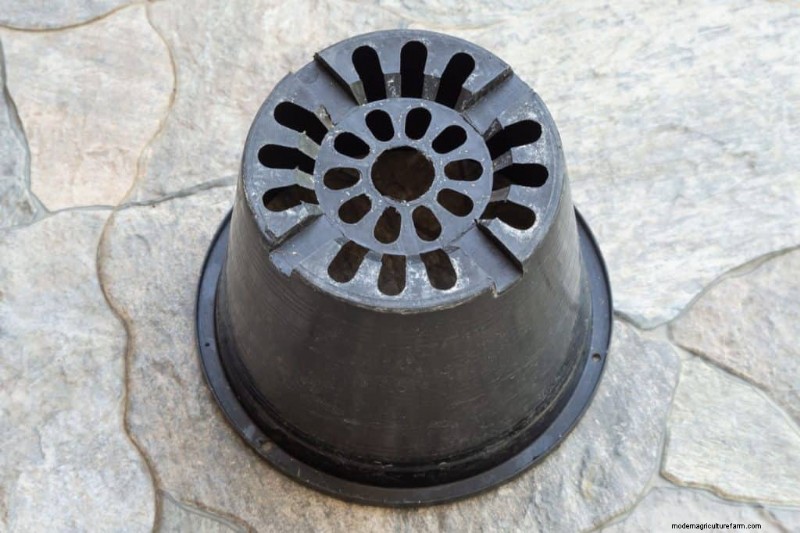
Drainage is non-negotiable. Every container needs a hole at the bottom. Skip the rocks-in-the-bottom trick. Skip the gravel layers. Just a hole, a saucer, and good potting mix. Without proper drainage, you’ll be fighting root rot all season, no matter what else you do right.
Size matters more than you think. A pot that looks huge when you first plant something will look just right in six weeks. Plants grow. Roots need room. Bigger pots also hold more moisture, which means less frequent watering. When you’re debating between two sizes, go with the larger one.
If low energy and decision fatigue are part of your reality, The Neurodivergent Gardener is a downloadable guide that matches every part of the gardening process to your energy level and sensory needs, with 89 pages of practical strategies for people whose brains don’t run on a predictable schedule.
We'll email it to you so you can read it later!
By saving, you agree to receive occasional emails. Unsubscribe anytime.
Not every plant belongs in a container, and not every container plant is low-maintenance. These are the ones that earn their spot without demanding much in return.
Mint, chives, and rosemary are nearly impossible to mess up in a pot. Mint actually does better in a container because it would take over your entire yard otherwise. Its aggressive spreading habit becomes a feature, not a bug, when it’s confined to a pot.
Chives come back year after year and barely need watering once established. They’ll even survive a forgotten week or two without much complaint. Plus, both the leaves and flowers are edible, which means you get two harvests from one plant.
Rosemary just wants sun and to be left alone. It thrives on a little neglect. Water it when the soil is dry, give it six hours of sun, and don’t fuss over it. Overwatering kills rosemary faster than underwatering ever will.
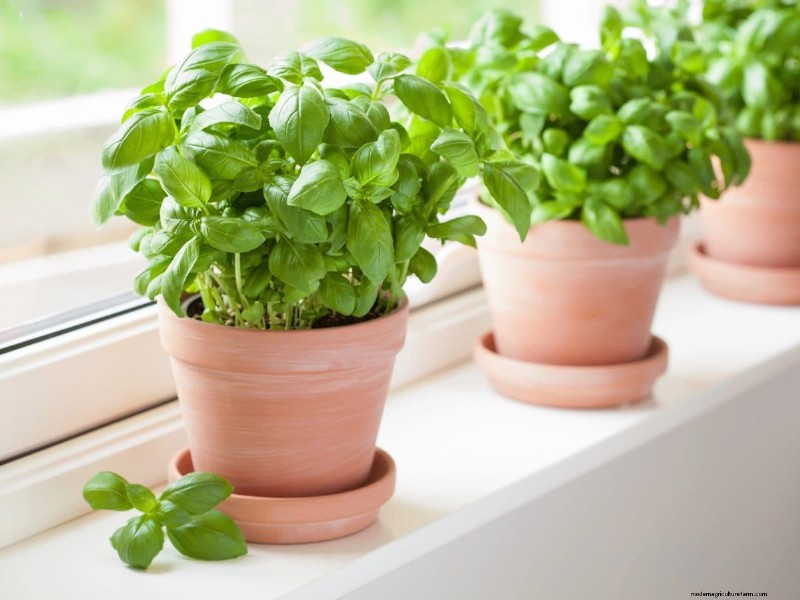
Basil is slightly more demanding but rewards you constantly. Keep it in a warm spot, pinch off the flower buds when they appear, and you’ll have fresh basil for months. The pinching trick is important because once basil flowers, it stops producing tasty leaves and focuses on making seeds.
Basil
• Needs warmth (60°F minimum)
• Water when top inch is dry
• Requires regular pinching
• Annual (replant each year)
• Harvest often for best flavor
Rosemary
• Tolerates cool temps well
• Water only when quite dry
• Minimal pruning needed
• Perennial (comes back)
• Harvest sparingly
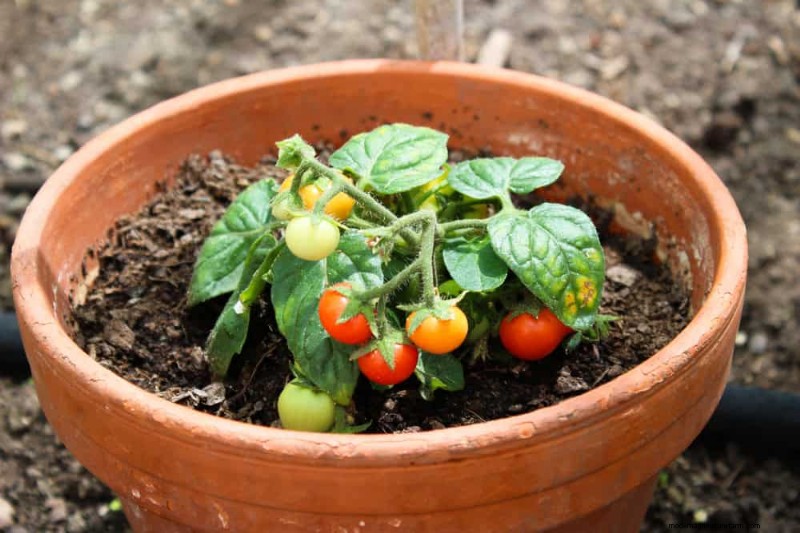
Cherry tomatoes are the gold standard for container vegetables. One plant in a 5-gallon bucket with a simple cage will produce more tomatoes than you can eat through summer. Look for determinate varieties if you want a more compact plant, or indeterminate if you have vertical space and want tomatoes all season long.
Lettuce, spinach, and arugula grow fast in shallow containers. You can harvest leaves as you need them without pulling the whole plant. This “cut and come again” method means one planting gives you salad greens for weeks. They also tolerate partial shade better than most vegetables, which makes them perfect for spots that don’t get full sun.
Peppers (both sweet and hot) do surprisingly well in pots. They stay compact, produce heavily, and look great on a patio. A single jalapeno plant in a pot can keep up with most people’s salsa habits all season long. Bell peppers need slightly larger containers, but they’ll still produce well in a 5-gallon pot.
Radishes are the fastest vegetable you can grow in a container. Plant to harvest in about 30 days. They need shallow containers (6 inches deep is plenty) and appreciate cool weather, making them perfect for spring and fall container gardens.
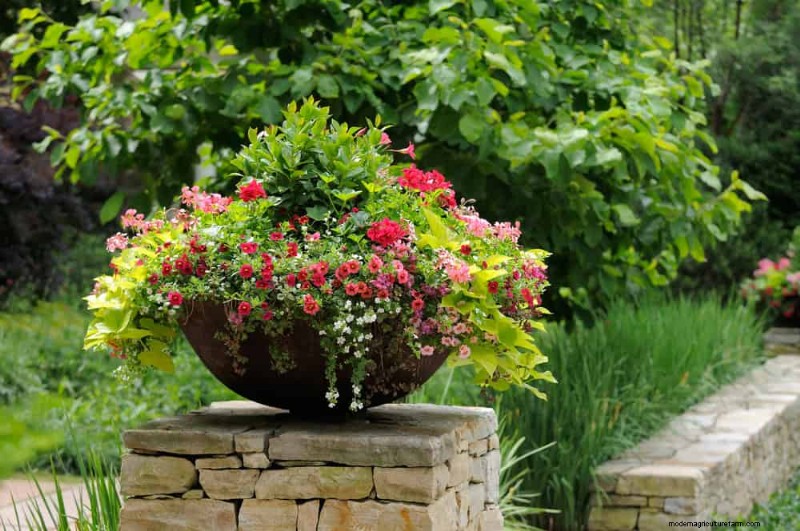
Petunias, marigolds, and zinnias are the workhorses of container flowers. They bloom all season, tolerate heat, and don’t need much beyond regular watering. Deadheading (removing spent flowers) keeps them blooming longer, but even if you skip it, they’ll still put on a show.
For shade, try impatiens or begonias. Both fill out a pot beautifully with minimal effort. Impatiens especially will bloom continuously in full shade, which is rare among flowering plants. Begonias can handle a bit more sun and come in varieties with gorgeous foliage even when they’re not flowering.
If you want something that comes back every year, plant a small hosta or a compact lavender in a deeper pot. They’ll reward your one-time effort for seasons to come. Lavender needs excellent drainage and full sun. Hostas prefer shade and consistent moisture. Pick based on what your space offers naturally.
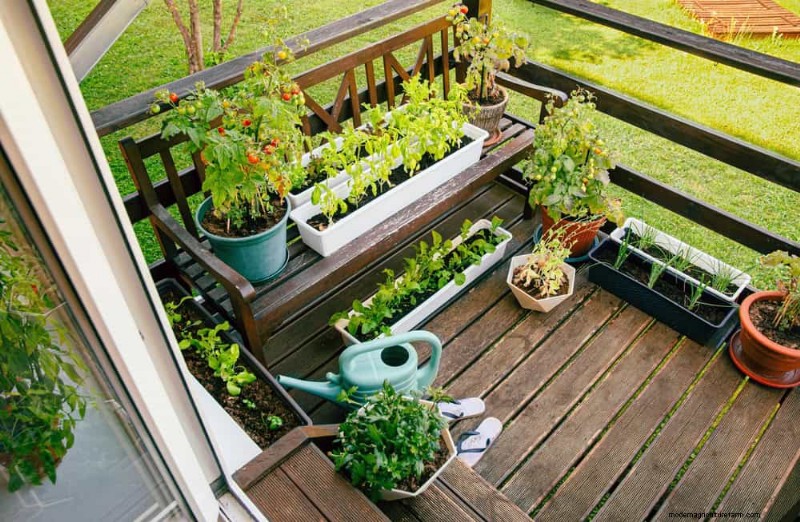
You don’t need a plan, a layout, or a Pinterest board. Here’s what a realistic first container garden looks like, from start to finish in under an hour:
That’s it. You just started a garden.
If you’re working with purchased seedlings, gently loosen the root ball before planting. Roots often circle the inside of nursery pots, and if you don’t disturb them, they’ll keep circling instead of growing outward into your new container. A few gentle tugs with your fingers is all it takes.
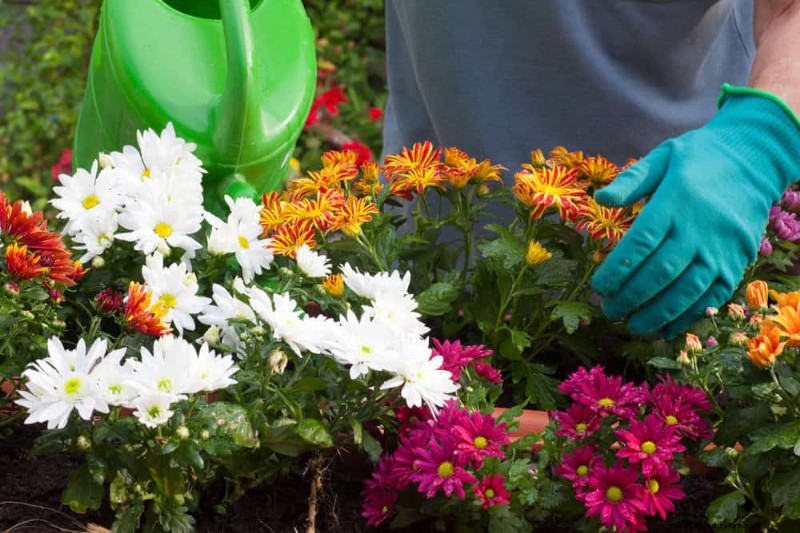
Containers dry out faster than in-ground beds, especially in summer. That’s the trade-off for all the flexibility they give you. But there are simple ways to manage it without chaining yourself to a watering can.
Self-watering pots handle most of the work. For regular pots, a basic drip irrigation kit with a timer waters everything on a schedule you set once and forget. These systems aren’t expensive or complicated. You attach a timer to your outdoor faucet, run tubing to each pot, and insert drip emitters. Done.
Or go even simpler: water deeply in the morning, skip the evening watering, and don’t stress about the days you forget. Most container plants can handle a missed day better than you’d think. Consistent slight underwatering is less harmful than occasional overwatering.
If you’re not sure whether to water, stick your finger an inch into the soil. Dry? Water. Damp? Leave it. That one trick prevents more container plant deaths than anything else. Your finger is more accurate than any moisture meter and costs nothing.
Morning watering works best because plants have all day to absorb what they need before temperatures drop at night. Evening watering can leave foliage damp overnight, which invites fungal problems. If you can only water in the evening, water the soil directly and avoid wetting the leaves.
Related: Want to fill your containers with plants that basically take care of themselves? Here are 26 Beginner Houseplants That Practically Thrive on Neglect.
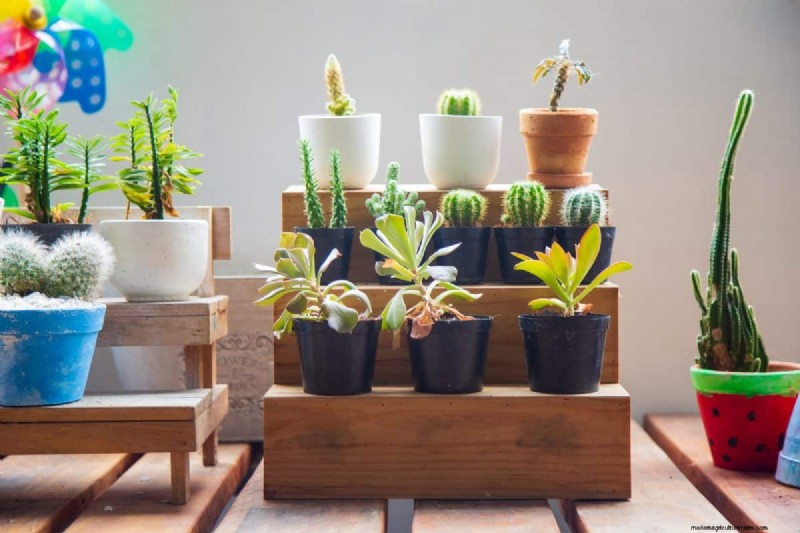
You don’t need square footage. You need vertical space, ledges, and a willingness to get creative with what you’ve got.
Balconies: Line the railing with long, narrow planters for herbs. Use the floor space for one or two larger pots with tomatoes or peppers. Hang a few trailing plants from hooks if your balcony allows it. Pothos, string of pearls, or trailing petunias all work beautifully and add visual interest at eye level.
Windowsills: Herbs are the obvious winner here. A three-pot lineup of basil, mint, and chives on a sunny kitchen window gives you fresh flavor on demand with almost zero effort. South-facing windows work best, but east or west-facing windows will grow most herbs just fine.
Front stoops and steps: Cluster pots at different heights for visual interest. One tall pot in the back, two medium in front. Instant garden that looks like you planned it even if you didn’t. This arrangement also prevents the pots from blocking each other’s light.
Fire escapes and tiny patios: Vertical planters, tiered shelves, and hanging baskets let you grow up instead of out. A single vertical planter with pockets can hold 8-10 herbs or small flowers in the footprint of a dinner plate. Just make sure whatever you hang is securely attached and won’t create a hazard if it falls.
Indoor options: Don’t overlook kitchen counters, bathroom windowsills, or even a rolling cart you can move to follow the sun. Container gardens aren’t just for outdoor spaces. Herbs and small vegetables grow beautifully indoors with enough light.
Full transparency: containers do need more frequent watering than in-ground gardens. But everything else is less work. Here’s what a realistic maintenance schedule looks like when energy is a limited resource.
Daily (2 minutes): Check if anything needs water. That’s it. Just look at your pots and water the dry ones. Some days you’ll water everything. Some days nothing needs it. This isn’t a chore. It’s a glance on your way to make coffee.
Weekly (10 minutes): Pinch off dead flowers or yellowing leaves. Check for bugs (a quick glance under the leaves). Move any pots that aren’t getting enough light. You’ll know they need moving if they’re stretching toward the sun or producing pale, weak growth.
Monthly (15 minutes): Add a scoop of slow-release fertilizer or water with diluted liquid fertilizer. Container plants eat through nutrients faster since there’s less soil to draw from. A monthly feeding keeps them producing without requiring daily attention.
That’s your whole commitment. Skip a week of the weekly stuff and nothing catastrophic happens. This isn’t a job. It’s a few minutes with your plants. On the days you can’t manage even that? Your plants will wait.
Skip these common container mistakes and you’ll save yourself weeks of frustration:
Related: Short on light? That doesn’t have to stop you. Check out 25 Indoor Plants That Can Survive in Windowless Rooms.
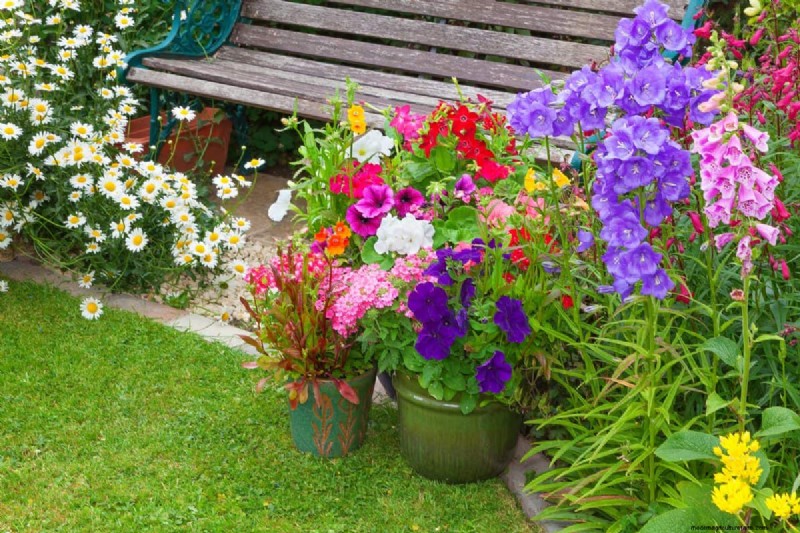
A garden doesn’t need acreage. It doesn’t need raised beds or a potting shed or a fence lined with climbing roses. A garden is whatever you grow, wherever you grow it.
Three pots of herbs on a kitchen counter count. A single tomato plant on a sunny balcony counts. A windowsill full of succulents absolutely counts. You’re not doing a lesser version of gardening. You’re doing exactly the right version for your space and your life.
Start with what you have, where you are, with the energy you’ve got today. One pot is enough to begin. Two is a garden. Three starts looking like a commitment, but it’s still manageable. The containers will be there when you’re ready for more, and they’ll wait patiently until you are.